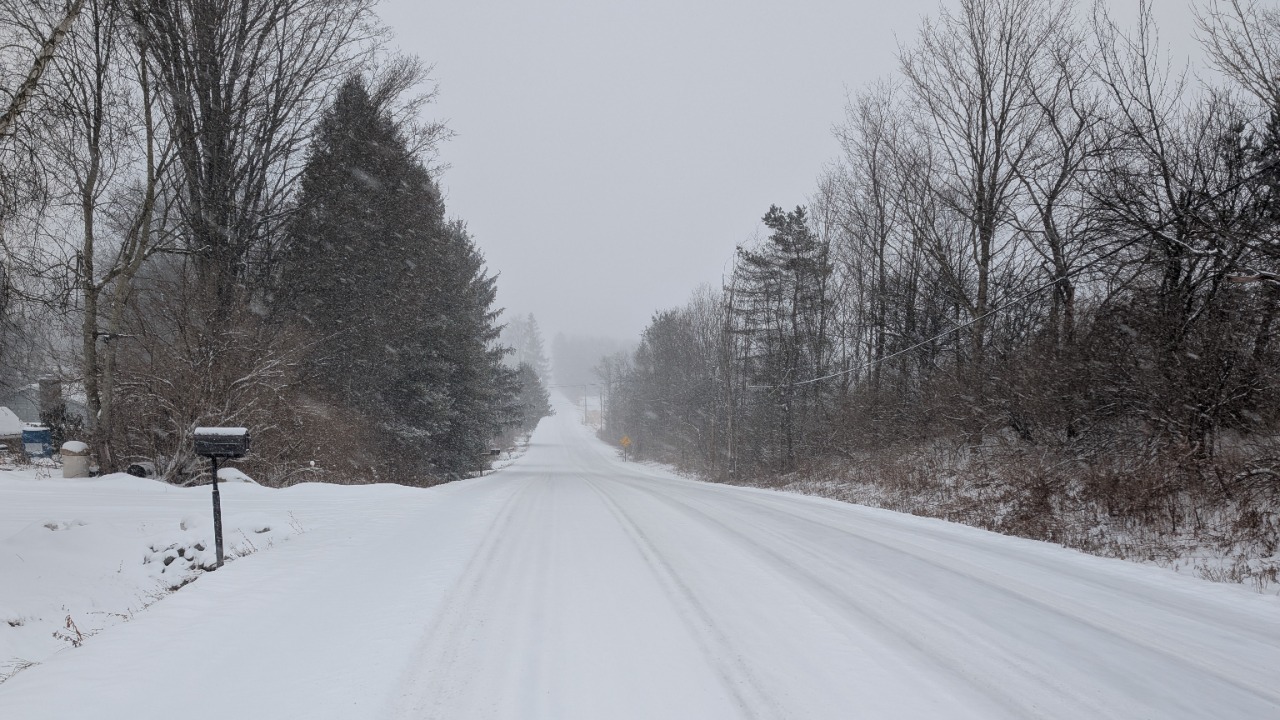
Winter storm Fern is not just another bout of bad weather. It is a historic system engulfing more than half of the United States, shutting down travel, severing power and threatening to erase over one hundred billion dollars in economic activity in a matter of days. As the damage tally climbs, the storm is emerging as an early, brutal test of how resilient The US economy really is to climate‑driven shocks.
From grounded planes and empty malls to frozen fields and stressed power grids, Fern is hitting almost every major artery of commerce at once. The headline number, a potential $100 billion‑plus blow, only hints at the deeper story of lost wages, delayed investment and fragile households suddenly cut off from work, transport and heat.
The storm that swallowed half the country
By any standard, Fern is a giant. Relief groups describe Winter Storm Fern as a historic winter storm that is currently impacting over half of the United States, stretching across a massive swath of the country and affecting tens of millions of people at once. That scale matters economically, because it means multiple regional hubs, from manufacturing belts to coastal financial centers, are being disrupted simultaneously rather than in isolated pockets.
The human geography of the storm is just as important as the meteorology. According to Winter Storm Fern, the system is hitting communities that already lack robust transport options, leaving many without means of transport as roads glaze over and public services struggle to keep up. When workers cannot physically reach warehouses, hospitals or retail stores, the economic hit ripples far beyond the immediate disaster zone.
How economists get to $100 billion and beyond
The triple‑digit billion figure attached to Fern is not plucked from thin air. Forecasters who specialize in climate impacts and economics say the bulk of the cost comes from disruptions to commerce and the cascading effects of power outages, a point underscored by Chief Meteorologist Jonath and other specialists who track the economic fallout from extreme weather. When factories sit idle, restaurants close and logistics networks stall, the lost output accumulates quickly.
Some analysts frame Fern as a “billion‑dollar storm” in shorthand, but the more telling debate is how much of the lost activity is gone for good and how much is merely delayed. Economists examining the damage from Winter Storm Fern argue that while some purchases, like a postponed appliance buy, may be made later, others, such as missed restaurant meals or canceled events, simply vanish from the ledger. That distinction will determine whether Fern leaves a temporary dent in growth or a lasting scar on national output.
Power outages and the fragile energy backbone
Nothing exposes the economic cost of a winter storm faster than the lights going out. According to Reuters, more than 548,000 homes and businesses in the United States were without power after Fern swept through, a figure that represents hundreds of thousands of households unable to heat their homes or run basic appliances and a similar number of commercial customers suddenly cut off from their revenue streams. For small firms that rely on point‑of‑sale systems, refrigeration or online orders, even a day without electricity can mean spoiled inventory and lost clients.
Officials are already treating Fern as a stress test for critical infrastructure. In New York, the federal government responded with an emergency order in which Energy Secretary Strengthens and the Department of Energy moved to strengthen the grid following Winter Storm Fern, stressing that the reliability of the New York region is non‑negotiable. That kind of intervention underscores how closely energy resilience is now tied to economic security, especially as climate‑linked storms grow more intense.
Flights grounded, roads closed and a nation stuck
Transport is where Fern’s impact becomes visible in a single glance at an airport departures board. Social media footage from Winter Storm Fern shows more than 19,000 flights canceled, marking the worst travel weekend since COVID and stranding passengers across major hubs. Each cancellation represents not only lost ticket revenue for airlines but also a cascade of missed hotel stays, scrapped business meetings and delayed cargo.
On the ground, the picture is just as stark. Analysts tracking agricultural regions report that the historic storm will result in tens of thousands of canceled flights, school and business closures for days and significant supply chain disruptions, with Jan estimates that total damage and economic loss from the winter storms could top $100 billion. When highways are impassable and rail yards are frozen, just‑in‑time delivery models that underpin everything from auto manufacturing to grocery stocking begin to falter.
Agriculture’s $100 billion problem
Rural America is absorbing some of Fern’s harshest blows. In key farm states, the storm has crushed barns, frozen livestock and interrupted feed deliveries, compounding the strain on producers who were already wrestling with volatile input costs. Weather analysts cited by Winter Storms estimate that in total, AccuWeather expects damage and economic loss from the winter storms to exceed $100 billion, with some operations reporting that individual facilities now bear more than 300,000 pounds of compromised product.
The pain is not limited to the farm gate. When crops are damaged and livestock operations are disrupted, the effects show up later as tighter supplies and higher prices for consumers. That is why Fern’s agricultural footprint is being watched closely by economists who see food inflation as a key risk for The US in the year ahead, a concern echoed in broader assessments of ag country where repeated climate shocks are eroding the financial cushions of family‑run operations.
Fern’s hit to growth, spending and GDP
For Wall Street and policymakers, the central question is how Fern will show up in the national accounts. Analysts who track U.S. data through high‑frequency indicators say the storm is likely to impose a substantial drag on first‑quarter growth, with some early estimates suggesting that the overall hit to economic output may be larger once cash transactions and other components of GDP are fully accounted for. That suggests the headline growth rate could understate the true scale of the disruption.
One influential framework for gauging the damage comes from economists who apply card‑spending data to current conditions. In their assessment of the U.S. economy, they note that the overall hit to economic output may have been larger once cash transactions and other GDP components were taken into account, leading them to warn that the first quarter could look weaker before activity rebounds in the second quarter as conditions normalise, a view laid out in detail in the analysis of U.S. Economy. The implication is that Fern’s damage will be felt not just in local disaster zones but in national statistics that shape interest‑rate and budget decisions.
What Bank of America and Wall Street are seeing
Large banks are already baking Fern into their forecasts. In a note dissecting early‑year data, analysts highlighted that 2026 was off to a good start, with gains in lodging and grocery spending potentially driven by households anticipating bad weather, before warning that the storm could freeze first‑quarter growth, a message amplified in coverage of Jan. The bank’s economists caution that while some spending will bounce back, the lost output from shuttered businesses and missed workdays will not be fully recouped.
To isolate Fern’s impact, Bank of America examined its aggregated credit and debit card data and found that card spending was down 3.7% year on year in the areas most affected by the storm, a figure cited in the assessment of 3.7%. At the same time, strategists stress that they remain bullish on the broader trajectory of the economy, arguing that the drag from Fern will be substantial but temporary, a nuance captured in the warning that Winter storm Fern is seen as having a substantial drag on U.S. Q1 growth even as forecasters say “We remain bullish,” as reported in the note on Winter.
Households, small businesses and the human balance sheet
Behind the macro numbers are families and entrepreneurs trying to navigate a week when everything stops. Relief organizations working on Winter Storm Fern warn that many residents in the hardest‑hit areas are without means of transport, which means hourly workers cannot clock in even if their employers manage to stay open. For households living paycheck to paycheck, a few missed shifts can be the difference between paying rent and falling behind.
Small businesses are equally exposed. Analysts note that the US economy is currently buried under several inches of real‑world disruption, with Francisco Velasquez reporting that The US is seeing a storm that could alter “the trajectory of the economy,” a phrase that captures how a single event can tip fragile firms into insolvency, as highlighted in the coverage by Francisco Velasquez. For many mom‑and‑pop shops, there is no insurance policy that fully compensates for a week of zero foot traffic combined with spoiled stock and ongoing fixed costs.
Policy response, resilience and what comes next
Fern is already prompting a policy rethink. The emergency order in which Grid Following Winter was strengthened in New York shows how quickly federal agencies now move to shore up critical systems when extreme weather hits. Similar debates are likely to unfold around transport infrastructure, building codes and the social safety net as lawmakers confront the reality that storms of Fern’s magnitude are no longer once‑in‑a‑generation anomalies.
Economists who specialise in climate impacts argue that Fern should be treated as a preview of the kind of shocks that will test the economy in the years ahead. As a lot of the damage comes from disruptions to commerce and the cost of power outages, investments in grid resilience, distributed energy and more flexible work arrangements could blunt the next blow. Analysts who have been tracking how the U.S. economy faces a substantial hit from Storm Fern, including Aditya Bhave at BofA Securities, suggest that while the second quarter may see conditions normalise, the lesson from Fern is clear: climate risk is now a core macroeconomic variable, not a side note, a point underscored in the broader assessment of U.S. Economy Faces.
The contested tally and why it still matters
Even as the damage mounts, there is still disagreement over the exact size of Fern’s economic hit. Some assessments, including those that warn Winter Storm Fern could inflict a $100 billion‑plus blow on the US economy, have been complicated by technical issues such as a Media Error that interrupted one widely shared video explainer. But the broad contours are consistent across serious analyses: Fern is a historic storm, it is affecting more than half of the United States and the combined damage and economic loss are likely to run into the hundreds of billions.
From my vantage point, the precise decimal point on Fern’s price tag matters less than the pattern it reveals. When a single winter system can cancel over 19,000 flights, knock out power to more than 548,000 customers, crush agricultural production and push card spending down 3.7% in affected areas, the message is that climate‑driven shocks are now large enough to move national statistics and corporate earnings in a single week. Whether the final tally lands at $100 billion or somewhat above or below, Fern has already earned its place as a defining economic event of early 2026, a storm that forced The US to confront how exposed its growth model remains to the volatility of the atmosphere.
More From TheDailyOverview
*This article was researched with the help of AI, with human editors creating the final content.

Grant Mercer covers market dynamics, business trends, and the economic forces driving growth across industries. His analysis connects macro movements with real-world implications for investors, entrepreneurs, and professionals. Through his work at The Daily Overview, Grant helps readers understand how markets function and where opportunities may emerge.

