Tax season is delivering a political promise in cash form: bigger checks landing in mailboxes and bank accounts across the country. The One Big Beautiful Bill Act has supercharged refunds for millions of households, turning the annual filing ritual into something closer to a midwinter stimulus payment. Hidden behind that windfall is a long tail of higher deficits and skewed benefits that will come due for the children and grandchildren of today’s taxpayers.
I see a simple trade at the heart of this story. Washington is handing out larger refunds now, financed by borrowing and optimistic growth projections, while pushing the real cost of the policy into the future. The headline number is a surge in money back from the Internal Revenue Service, but the more important figure is the multitrillion dollar gap that future workers will be asked to close.
How OBBBA turned tax season into a cash bonanza
The mechanics of the refund surge start with the tax code itself. The One, Big, Beautiful Bill Act rewrote brackets, expanded credits and adjusted withholding formulas so that many workers are now overpaying during the year and then getting a larger lump sum when they file. The One, Big, Beautiful significantly affects federal taxes, credits and deductions and, according to the Internal Revenue Service, took effect for returns starting in 2025. That shift is layered on top of the usual filing rules that already make refunds the single largest payment many households see all year, a pattern the IRS has long acknowledged in its guidance.
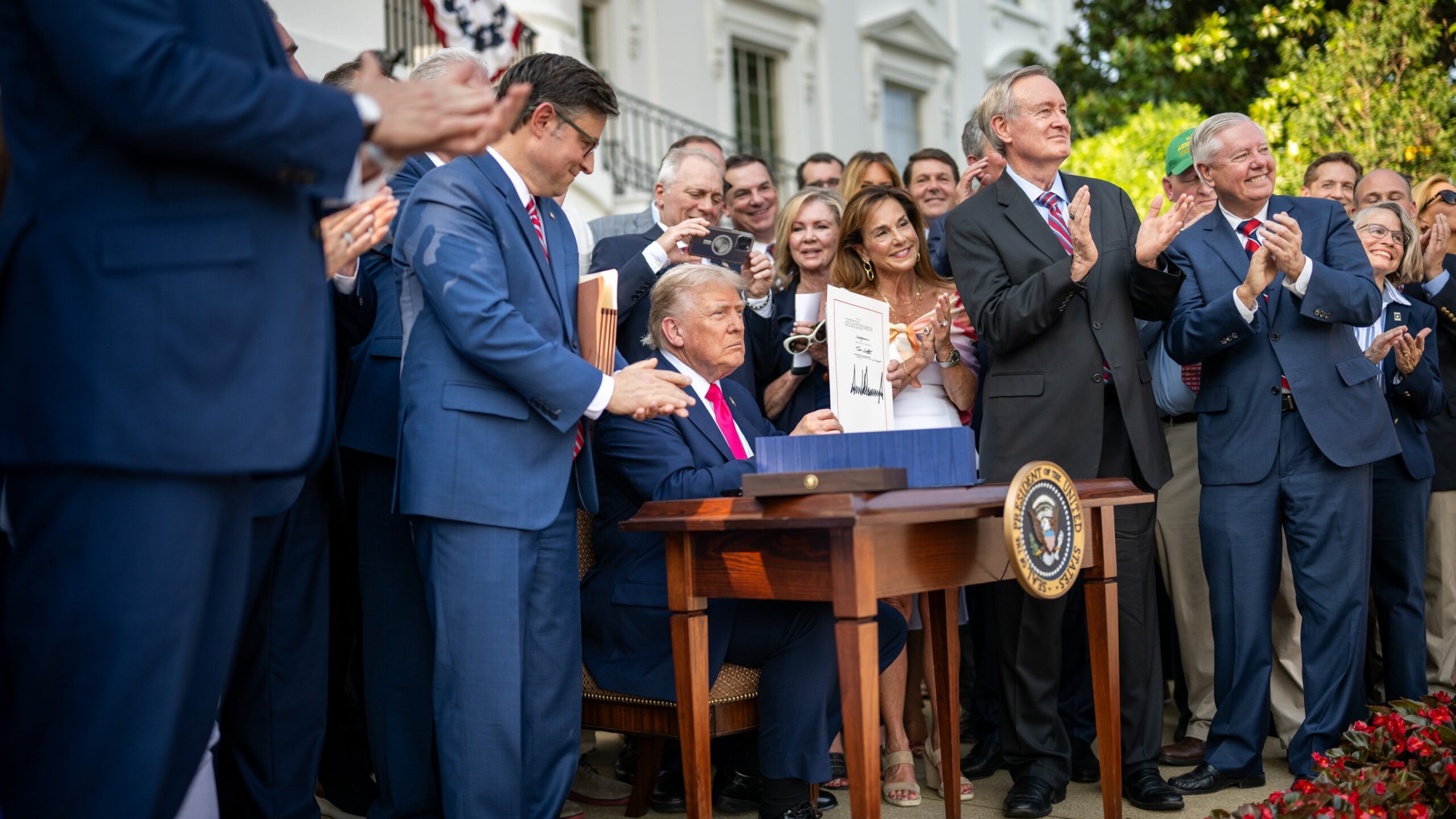
Private-sector analysts have tried to put a price tag on the new generosity. One Private economic analysis suggests the OBBBA will result in up to $100 billion in higher refunds in 2026 overall, with average increases that are especially noticeable for families with children. Supporters, including advocates who celebrated the law as the One Big Beautiful, have highlighted a stronger Child Tax Credit and framed the policy as long overdue relief signed by President Trump. For many filers, the politics matter less than the bottom line: a four-figure deposit that can catch up on rent, car payments or credit card balances.
The politics of “gigantic” refunds and short-term growth
Inside the White House, the refund surge is not an accident, it is a selling point. Officials have touted the law as a signature achievement, with Kevin Hassett, head of the White House National, using superlatives to describe the size of the payouts. Conservative advocates such as Rachel Loren have echoed that framing, arguing that the OBBBA will deliver the largest tax refund in history and crediting President Trump for putting more money in people’s pockets. The political logic is straightforward: if voters feel richer in April, they may be more forgiving about the long-term arithmetic.
Markets are already reacting to the influx of cash. Investment strategists note that when refunds jump, households tend to shift some money from necessities to extras, a pattern that Looking at the overall economy suggests could mean a little less demand for consumer basics and a little more for discretionary spending. Earlier this year, one analysis of the refund surge argued that richer households are more likely to save the extra money, while lower income filers are more likely to spend it quickly, providing short-term support to the economy. For policymakers, that is part of the appeal: a temporary boost to growth and sentiment that arrives without the messy politics of a new spending program.
The $3 trillion “dynamic feedback” bet
The problem is that the math behind the law’s long-term cost depends heavily on optimistic assumptions. Supporters in the House have leaned on so-called dynamic scoring, arguing that faster growth will offset a large share of the lost revenue. One official estimate of the tax provisions, on a dynamic basis, incorporates a projected increase in long-run GDP of 0.8 percent, a modest bump that still leaves a large revenue hole. Critics argue that even this relatively small growth dividend is far from guaranteed, especially if higher deficits push up interest rates or crowd out other investments.
Outside budget watchdogs have been blunter. One analysis labeled the idea of Trillion of Dynamic as Fantasy Math, warning that, According to that critique, the House may try to claim $3 trillion of deficit reduction from growth alone to justify extending the tax cuts. The same watchdogs caution that if those rosy projections do not materialize, the cost of the law will land squarely on future taxpayers, who will inherit a larger debt burden without having voted for the policy that created it.
Who really benefits, and who pays later
Even before the bill’s full budget impact shows up, the distribution of its benefits is raising alarms. Economists who have examined the new law’s structure say it locks in gains for higher earners while leaving many Black households and younger workers with relatively modest relief. Economists warn that the long-term costs will fall heaviest on younger Americans, particularly Millennials and Gen Z, the most racially diverse generations in U.S. history. The concern is not just that these cohorts will shoulder higher taxes or reduced services down the line, but that today’s design choices are entrenching wealth gaps that already fall along racial and generational lines.
Budget projections underscore the scale of the obligation being pushed forward. One assessment of the broader tax package found that Higher deficits are baked in, with Primary deficits projected to increase $3.1 trillion over the next decade through the Senate tax bill compared with prior law. That figure sits alongside the House version’s own cost, creating a combined fiscal footprint that will constrain future choices on everything from climate spending to Social Security.
The refund high, the household squeeze and what comes next
For families trying to keep up with rising prices, the macro story can feel abstract compared with the immediate relief of a larger refund. As the As the single largest payment many households receive all year, refunds can help people pay off rising debt burdens or catch up on essentials. Analysts who track consumer behavior say the surge is likely to show up in everything from auto loan delinquencies to retail sales, at least temporarily. At the same time, some policy experts warn that relying on a once-a-year windfall can mask underlying wage stagnation and volatile monthly budgets.
There is also a quieter conversation about whether taxpayers should be giving the government an interest-free loan in the first place. The IRS has long advised that You might want to reduce the size of your refund and put more money in your paycheck throughout the year, noting that You and your employer can revise withholding at any time. That advice sits awkwardly beside a political strategy built on maximizing refunds, not smoothing out paychecks. It also raises a deeper question that one analysis of the current moment put starkly: But regardless of where tariff policy may go, the third point to take away from 2025 is that things only get more difficult from here without reforms to reduce annual deficits.
More From TheDailyOverview
*This article was researched with the help of AI, with human editors creating the final content.

Grant Mercer covers market dynamics, business trends, and the economic forces driving growth across industries. His analysis connects macro movements with real-world implications for investors, entrepreneurs, and professionals. Through his work at The Daily Overview, Grant helps readers understand how markets function and where opportunities may emerge.

