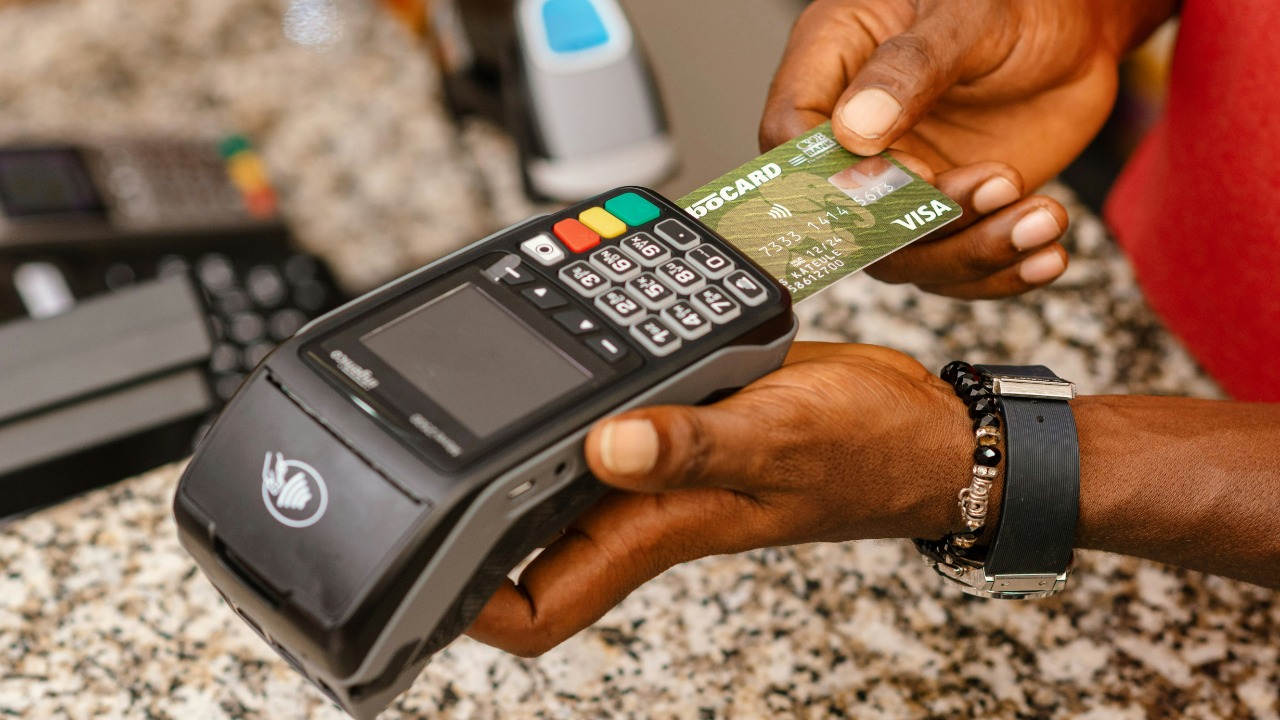
Debit cards feel safe because they are familiar, fast and backed by a bank account that quietly absorbs every tap and swipe. Yet the very design that makes them convenient also exposes you to risks that credit cards and newer payment tools handle differently. When money leaves your checking balance in real time, mistakes, fraud and data leaks hit your finances first and get sorted out later, if at all.
I see the same pattern across bank breach reports, consumer complaints and law enforcement alerts: criminals increasingly treat debit cards as a direct pipeline into household cash, and the protections that exist on paper often break down in practice. Understanding where those weak points sit, and how they differ from credit cards or digital wallets, is the only way to use a debit card without giving it more trust than it deserves.
Why debit fraud hurts faster and cuts deeper
The core problem with debit cards is not that they are uniquely easy to steal, it is that they are wired straight into your liquid savings. When a thief skims your card at a compromised ATM or lifts the number from a hacked retailer, the next transaction drains your own funds rather than a lender’s credit line. That means rent, payroll deposits and automatic bills all collide with missing cash while the bank investigates, a dynamic that regulators have repeatedly highlighted in enforcement actions against institutions that delayed or mishandled reimbursements for unauthorized transfers linked to debit access credentials, as seen in cases involving Wells Fargo and Bank of America.
On paper, federal rules cap consumer losses for unauthorized electronic fund transfers if they are reported quickly, but the practical experience can be far messier. Investigations into banks’ handling of disputed debit transactions and peer-to-peer transfers have documented customers waiting weeks for provisional credits or being told that obvious fraud did not qualify for reimbursement, particularly when criminals used stolen debit details to initiate transfers through services like Zelle that move money directly from checking accounts. Regulatory orders against large banks over their Zelle-related practices and broader deposit account abuses show how gaps in dispute handling can leave debit users carrying losses far longer than credit card customers, whose accounts are buffered by separate billing cycles and clearer chargeback rules.
Skimmers, shimmers and the physical card traps you rarely see
Even if you never shop online, the plastic itself can be quietly copied. Card skimmers attached to gas pumps, stand-alone ATMs and unattended payment kiosks are designed to blend into existing hardware while capturing the magnetic stripe data of every card that passes through. Law enforcement bulletins and bank security advisories describe criminals pairing these devices with tiny pinhole cameras or fake keypads to harvest PINs, then encoding the stolen data onto blank cards that can be used at other machines to withdraw cash directly from victims’ accounts, a pattern that has triggered repeated warnings about ATM skimming and gas pump compromises.
Chip technology was supposed to blunt this threat, but criminals adapted with “shimmers,” ultra-thin devices slipped into chip readers that intercept data during a legitimate transaction. While shimmers cannot always produce a fully functional chip clone, they can often generate enough information to create magnetic stripe versions of the card that still work at older terminals or overseas ATMs, keeping debit accounts exposed wherever fallback technology lingers. Investigations into organized groups that traveled state to state installing these devices, including cases detailed in federal prosecutions, show how a single compromised machine can yield thousands of card numbers, many of them tied to debit accounts that lack the spending buffers of credit lines.
Online theft: from retailer breaches to account takeover
Even when your physical card never leaves your wallet, the number can be exposed in the background of routine shopping. Large-scale breaches at retailers and payment processors have repeatedly spilled card data, including debit credentials, into criminal marketplaces where they are bundled and sold in bulk. In several high-profile incidents, attackers infiltrated point-of-sale systems or e-commerce platforms, scraped card numbers and expiration dates in real time and then monetized them through fraudulent purchases and cash-out schemes, as documented in breach investigations involving Target, Home Depot and other national chains.
Once card data is loose, it often feeds into broader account takeover campaigns that target the online banking and mobile apps linked to debit cards. Criminals combine stolen card numbers with passwords from unrelated data leaks, then test those pairs against bank logins and digital wallet accounts, a technique that regulators and cybersecurity agencies have flagged in alerts about credential stuffing and account compromise. When they succeed, the attacker no longer needs the card at all; they can change contact details, enroll new devices and initiate transfers that look like legitimate customer activity. Enforcement actions describing how banks handled disputed online transfers, including cases where institutions failed to promptly credit consumers for unauthorized withdrawals tied to compromised debit access, underscore how quickly a stolen number can escalate into full control of a checking account if layered defenses are weak or inconsistently applied, as seen in regulatory findings against USAA Federal Savings Bank and other institutions.
Why credit cards and wallets often shield you better
Debit cards and credit cards may ride the same payment networks, but the protections behind them are not symmetrical. With a credit card, fraudulent charges typically hit a revolving line that you can dispute before paying, and consumer liability is tightly limited if you report problems promptly. Regulatory guidance and enforcement records show that card issuers are expected to provide clear dispute processes, timely investigations and chargebacks when merchants cannot validate contested transactions, a framework that has been reinforced in actions against companies that mishandled credit card disputes or failed to properly credit refunds.
Debit cards, by contrast, are governed by rules for electronic fund transfers that were written for a world of ATM withdrawals and direct deposits, not instant peer-to-peer apps and one-click online checkouts. When fraud hits a debit card, the money is gone from your account immediately, and while banks are required to investigate and often to reimburse, enforcement cases show that some institutions have imposed unnecessary hurdles, delayed provisional credits or misclassified clear fraud as authorized use, especially when transfers flowed through services like Zelle that sit on top of checking accounts. Actions detailing how banks treated unauthorized Zelle transactions and other debit-linked transfers illustrate why many security experts recommend routing risky or unfamiliar purchases through credit cards or digital wallets instead, where tokenization and separate billing can absorb the first impact of fraud before it reaches your core cash.
How I actually use debit cards more safely
Given those structural weaknesses, I treat my debit card as a narrow tool rather than a default for every payment. I use it primarily for ATM withdrawals at machines I know are bank owned, and I avoid inserting it into unattended terminals like gas pumps or stand-alone kiosks where skimmers and shimmers are harder to spot. When I do need to pay from checking, I prefer to run the card as a chip transaction with a tap or insert instead of a magnetic swipe, and I keep daily withdrawal and purchase limits relatively low so a single compromise cannot empty the account, an approach that aligns with risk controls banks themselves promote in their debit safety guidance.
For online shopping, subscriptions and travel bookings, I lean on credit cards or tokenized wallets like Apple Pay and Google Pay that mask the underlying card number with single-use tokens. That way, if a retailer’s system is breached or a merchant turns out to be fraudulent, I am disputing charges on a credit line instead of chasing missing rent money in my checking account. I also monitor account alerts aggressively, turning on push notifications for every debit transaction and reviewing statements for small “test” charges that often precede larger fraud, a habit reinforced by repeated enforcement stories in which early warning signs were visible long before victims discovered full-scale unauthorized withdrawals tied to compromised debit credentials and problematic dispute handling.
More From TheDailyOverview
- Dave Ramsey says these two simple questions show whether you’re rich or poor
- Retired But Want To Work? Try These 18 Jobs for Seniors That Pay Weekly
- IRS raises capital gains thresholds for 2026 and what’s new
- 12 ways to make $5,000 fast that actually work

Silas Redman writes about the structure of modern banking, financial regulations, and the rules that govern money movement. His work examines how institutions, policies, and compliance frameworks affect individuals and businesses alike. At The Daily Overview, Silas aims to help readers better understand the systems operating behind everyday financial decisions.

