Despite widespread reports of financial stress among consumers, major banks indicate that spending and borrowing patterns remain resilient. This suggests a disconnect between perceived anxiety and actual behavior. For example, credit card usage and retail sales have not shown a significant pullback in recent months. This phenomenon, explored in a MarketWatch analysis, underscores how economic indicators from institutions like JPMorgan Chase and Bank of America reveal continued consumer confidence in action. The article delves into why feelings of worry may not translate to restraint.
Consumer-Reported Financial Stress

Survey data reveals high levels of self-reported anxiety about money, with many Americans citing inflation and debt as top concerns. This emotional side of economic pressures is significant, as it highlights the gap between consumer sentiment and actual financial behavior. Younger borrowers and lower-income households express the most acute stress, according to polling from sources like the Federal Reserve. These demographics often face greater financial instability, which exacerbates their anxiety.
Qualitative examples further humanize the stress narrative. Consumers describe sleepless nights over bills, illustrating the profound impact financial worries can have on daily life. These personal stories underscore the emotional toll of economic uncertainty, even as spending patterns suggest a different reality. The contrast between reported stress and spending behavior raises questions about the factors driving consumer decisions.
Bank Perspectives on Spending Patterns
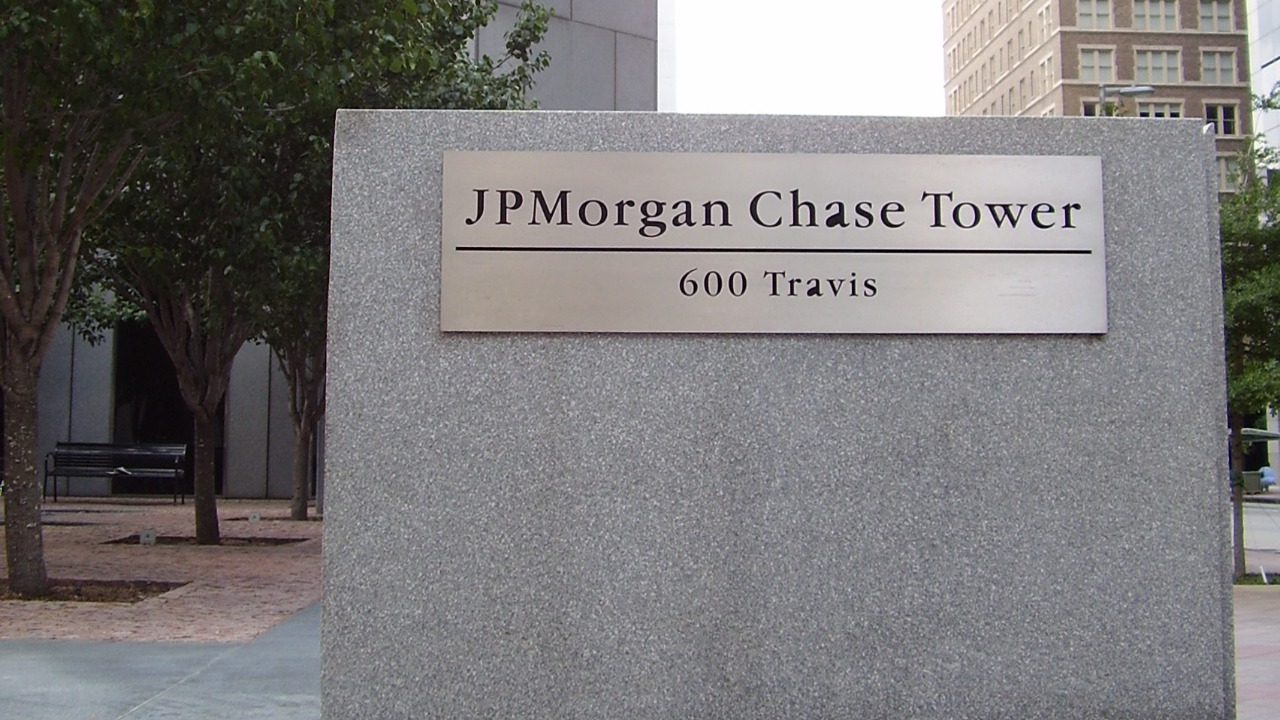
Major banks like JPMorgan Chase report steady credit card transaction volumes, with figures showing no sharp decline in discretionary purchases as of late 2025. This data suggests that despite reported financial stress, consumers continue to spend at consistent levels. Bank of America data further indicates robust retail sales growth, with specific metrics on categories like travel and electronics contradicting stress signals. These findings highlight a resilience in consumer behavior that defies expectations based on self-reported anxiety.
Executives from these banks emphasize “resilient consumer behavior” in earnings calls, conveying institutional optimism about the economic outlook. This perspective is crucial for understanding the broader economic landscape, as it suggests that consumer confidence remains strong despite underlying concerns. The continued spending patterns observed by banks play a significant role in shaping economic forecasts and policy decisions.
Factors Explaining the Disconnect

Several factors may explain the disconnect between reported financial stress and actual spending behavior. Economic buffers, such as wage growth outpacing inflation in certain sectors, provide consumers with additional financial flexibility. Bank reports show average hourly earnings rises as of October 2025, which may help mitigate the impact of inflation and support continued spending.
Psychological factors also play a role, with access to credit potentially masking underlying worries. For example, delinquency rates remain low at institutions like Wells Fargo, suggesting that consumers are managing their debt effectively despite reported stress. This access to credit may enable consumers to maintain spending levels even in the face of financial anxiety, contributing to the observed resilience in spending patterns.
Implications for Economic Policy and Advice

The resilience in consumer behavior has significant implications for economic policy. It influences Federal Reserve decisions, particularly regarding interest rate expectations tied to consumer data from big banks as of October 15, 2025. Understanding the factors driving consumer confidence is crucial for policymakers aiming to balance economic growth with inflation control.
For individuals, this stress-spending gap highlights the importance of personal finance strategies. Budgeting tips, such as using apps to track expenditures, can help consumers manage their finances more effectively amid economic uncertainty. Bank-recommended tools offer practical solutions for maintaining financial stability, even as broader economic pressures persist.
However, there are potential risks associated with this disconnect. Hidden debt buildup poses a threat to long-term financial sustainability, as consumers may be overextending themselves despite current spending levels. Bank analysts warn of these dangers, emphasizing the need for careful financial management to avoid future economic challenges.

Cole Whitaker focuses on the fundamentals of money management, helping readers make smarter decisions around income, spending, saving, and long-term financial stability. His writing emphasizes clarity, discipline, and practical systems that work in real life. At The Daily Overview, Cole breaks down personal finance topics into straightforward guidance readers can apply immediately.