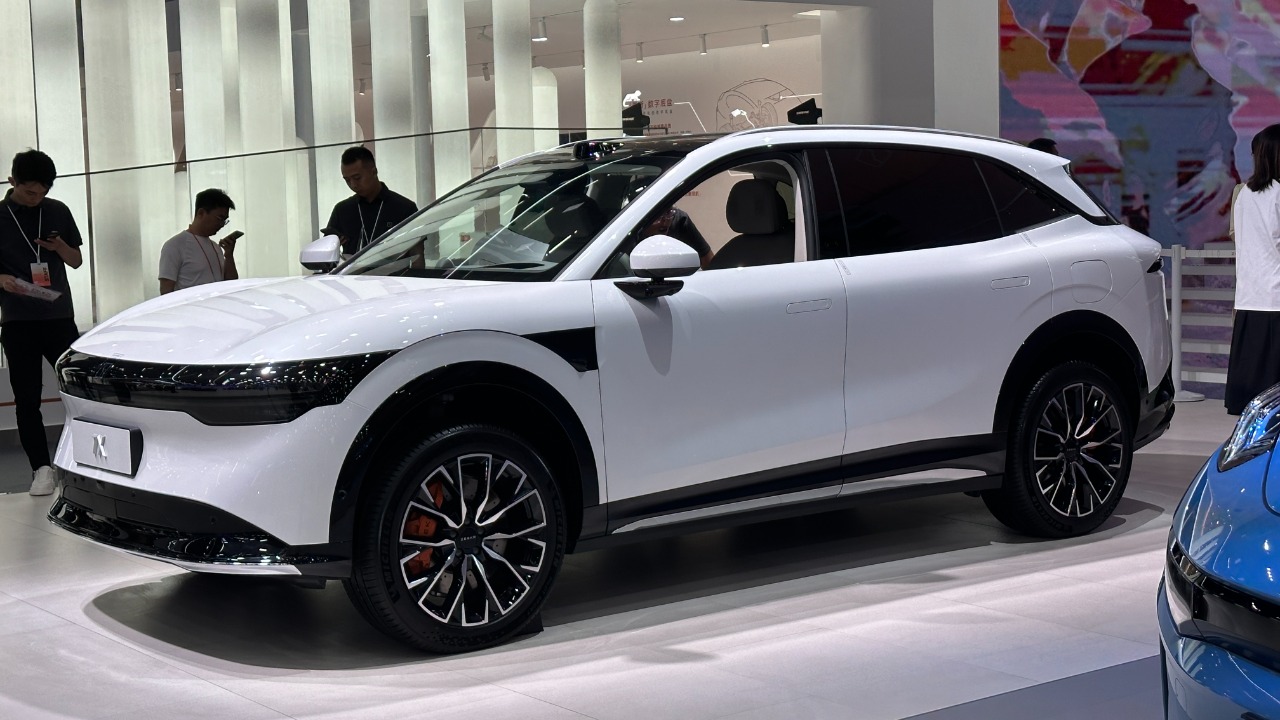
The Zeekr 7X arrives as a mid-size electric SUV that does something many legacy brands have struggled to pull off: it wraps high-end tech, serious performance and a lounge-like cabin in a package that still undercuts established premium rivals. Instead of treating luxury as an excuse for sparse equipment or modest power, it leans into excess while keeping a sharp eye on value. In a segment dominated by Tesla, BMW and Mercedes, it is the clearest sign yet that Chinese EV makers can go upmarket and still outmuscle the competition on the spec sheet.
What makes the 7X so disruptive is not one headline number, but the way its hardware, software and pricing line up against cars like the Tesla Model Y, BMW iX3 and Mercedes GLC EV. From its adaptive air suspension to its rapid charging and long-range battery options, it reads like a greatest-hits list of what buyers say they want from an electric SUV, then adds a layer of personalization and youth-focused branding that feels tuned to the TikTok era rather than the dealership lot.
Design and cabin: premium without the price tag
From the outside, the Zeekr 7X is deliberately understated, with proportions and surfacing that aim for clean and modern rather than shouty. Reviewers describe the shape as Svelte for an SUV, helped by slim LED headlamps and a coupe-like roofline that avoids the boxy look of some rivals. That restraint continues at the rear, where a full-width light bar and simple tailgate design give it a more European flavor than the busy styling that has dogged earlier Chinese exports.
Inside, the 7X pushes firmly into premium territory with soft-touch materials, a minimalist dash and a large central screen that controls most functions. One detailed review notes that The Zeekr looks fine, in a slightly boring way, but that understatement is part of the appeal for buyers who want tech without a spaceship aesthetic. The cabin layout emphasizes space for all passengers, with tri-zone climate control and thoughtful storage that align it more with German premium SUVs than budget EVs.
Tech that actually feels smart
Where the 7X really leans into its premium pitch is in the way it uses software to make the car feel like it belongs to you from the moment you open the door. The official description highlights that Zeekr recognises you, adjusting everything from your seat to your steering wheel and even your schedule. It is pitched as an SUV that intuitively adapts to Your life, learning routines and preferences rather than forcing drivers to dig through menus every time they get in.
That focus on intelligent convenience extends to the driving experience, where a suite of driver-assistance systems and a polished infotainment stack aim to reduce stress rather than add distraction. Owners who have lived with the car report that the 7X can be Been more relaxing to drive than expected, with smooth adaptive cruise control and lane-keeping that feel closer to established premium brands than to a newcomer. It is a reminder that in 2026, luxury is as much about software polish as it is about leather and chrome.
Performance, range and charging: numbers that embarrass rivals
Under the skin, the 7X is built to silence anyone who still assumes Chinese EVs are slow or short-legged. Test drives of the dual-motor versions describe acceleration that borders on excessive for a family SUV, with one reviewer joking that the sprint to 100 km/h in around 3.8 seconds feels almost comical in something this practical. Another assessment notes bluntly that, for the most part, you do not need your electric SUV to be this fast, yet the Zeekr delivers that performance anyway.
Crucially, the 7X backs up that pace with credible range and charging. One early drive reports that With the 75kWh pack, you get a solid 300 miles, which puts it squarely in contention with the Tesla Model Y and ahead of many legacy-brand crossovers. The platform also uses an 800-volt electrical architecture, enabling Ultra rapid charging that lets drivers add meaningful range in the time it takes to grab a coffee rather than plan a full meal stop.
Comfort and dynamics: tuned like a true premium SUV
Performance is only half the story in a family EV, and the 7X makes an equally strong case on comfort. The chassis in the Performance AWD variant combines a Performance AWD drivetrain with a Well tuned adaptive air suspension that smooths out rough city streets and country roads alike. One review lists Ultra rapid charging and that suspension setup as headline features, underlining how the 7X is engineered to feel like a long-distance cruiser rather than a stiff performance toy.
On the road, that translates into a driving experience that several testers in Australia have called one of the best of any Chinese SUV they have driven this year. In a detailed video review, Paul notes that Chinese brands are arriving en masse, but the 7X stands out for its blend of refinement and agility. Another comparison drive in Australia, filmed by Cars Guides at the Sydney International EV shows, reinforces that impression, with the Zeekr feeling composed and quiet even when pushed on challenging roads.
Head-to-head with Tesla, BMW and Mercedes
The real test of any premium EV is how it stacks up against the established names, and here the 7X looks less like a budget alternative and more like a direct challenger. One early test drive explicitly frames the question of whether the 7X can beat Tesla’s Model Y, noting that the car’s 300 miles of range and strong performance put it right in the heart of Tesla territory. Another reviewer, asking How much the Zeekr 7X costs, suggests that buyers are getting more speed and equipment than they are likely to use, which is exactly the kind of over-delivery that has made Tesla so popular.
Traditional premium brands are also firmly in Zeekr’s sights. A detailed comparison between the 7X and the BMW iX3 highlights how the BMW feels more conservative on technology, while the Zeer 7X leans into cutting-edge software and charging. Another video pits the 7X against the Mercedes GLC EV, with host Parth focusing on range, comfort and technology, and finding that the Chinese SUV often matches or beats the German on the metrics that matter to EV buyers. A separate preview drive notes that this mid-size SUV promises greater levels of comfort and luxury than a BYD Sealion 7, underlining how Zeekr is not just chasing Western brands but also outflanking domestic rivals like BYD and its Sealion.
More From TheDailyOverview
*This article was researched with the help of AI, with human editors creating the final content.

Grant Mercer covers market dynamics, business trends, and the economic forces driving growth across industries. His analysis connects macro movements with real-world implications for investors, entrepreneurs, and professionals. Through his work at The Daily Overview, Grant helps readers understand how markets function and where opportunities may emerge.

