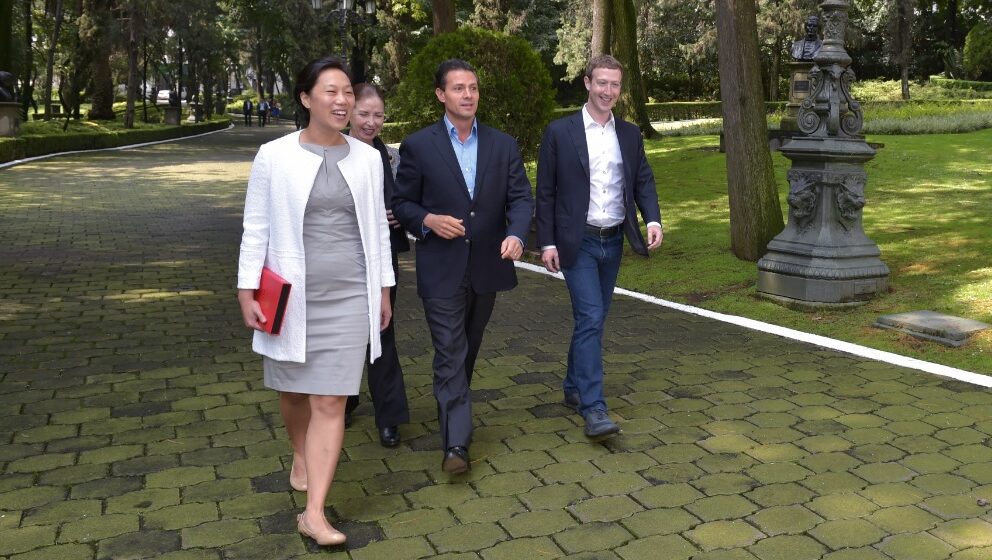
Mark Zuckerberg and Priscilla Chan have announced a significant shift in their philanthropic focus, moving billions of dollars from education to science and artificial intelligence (AI). This restructuring of the Chan Zuckerberg Initiative aims to accelerate breakthroughs in biology and health by leveraging AI’s potential. The couple’s decision underscores a growing belief in AI’s ability to drive scientific progress, particularly in health research, as part of their expanded Biohub efforts. This strategic pivot, reported on November 6, 2025, marks a new chapter in their philanthropic journey, prioritizing AI health science over previous educational commitments.
Previous Philanthropic Priorities
The Chan Zuckerberg Initiative has historically prioritized education, investing billions into various educational programs and initiatives. These efforts included funding for personalized learning technologies and supporting educational equity, reflecting Zuckerberg and Chan’s commitment to transforming education. However, recent reports indicate a reallocation of these funds, as billions are redirected from education to AI-focused philanthropy. This shift highlights a strategic decision to harness AI’s transformative potential in science and health, moving away from their earlier educational focus. The initiative’s origins in science, particularly in biology, laid the groundwork for this transition, as early efforts already hinted at integrating scientific research with philanthropic goals.
Key education-focused grants and initiatives previously led by Zuckerberg and Chan included significant investments in personalized learning and educational technology. These initiatives aimed to enhance learning experiences and outcomes for students across various demographics. Despite the substantial impact of these programs, the November 2025 announcements reveal a decisive move to prioritize AI and science, reallocating resources to support this new direction. The decision reflects a broader trend in philanthropy, where technology and innovation increasingly drive strategic funding decisions.
The Announced Restructuring
On November 6, 2025, Mark Zuckerberg and Priscilla Chan publicly announced the restructuring of their philanthropy through the Chan Zuckerberg Initiative. This announcement detailed the relocation of billions from education to science and AI, emphasizing the strategic importance of these fields in their philanthropic vision. The decision to pivot funding reflects a calculated move to leverage AI’s capabilities in accelerating scientific discoveries, particularly in health-related areas. Priscilla Chan’s involvement in health aspects of the initiative underscores the couple’s commitment to integrating AI with health science, aiming to drive meaningful advancements in these fields.
The timing of this announcement is crucial, as it aligns with ongoing commitments and projects within the Chan Zuckerberg Initiative. By publicly revealing their new focus, Zuckerberg and Chan signal a clear intent to prioritize AI and science, potentially influencing other philanthropic efforts and stakeholders. This strategic shift not only affects their existing commitments but also sets a precedent for how technology can be harnessed to address complex scientific challenges. The restructuring highlights the couple’s vision for a future where AI plays a central role in driving scientific progress and improving health outcomes.
New Focus on AI and Science
Mark Zuckerberg and Priscilla Chan are now directing their philanthropy towards AI’s role in accelerating scientific progress, particularly in biology. This new focus is driven by the belief that AI can significantly enhance research capabilities and speed up discoveries in health science. The couple’s commitment to AI health science, as announced in early November 2025, reflects a broader trend of integrating technology with scientific research to achieve transformative outcomes. By investing in AI-driven health research, Zuckerberg and Chan aim to unlock new possibilities in understanding and treating complex diseases.
The emphasis on AI to expedite discoveries in health science is a strategic move that aligns with global trends in research and innovation. By reallocating billions towards AI applications in biology, the Chan Zuckerberg Initiative seeks to foster groundbreaking research that can lead to significant advancements in health and medicine. This pivot not only enhances the initiative’s impact but also positions it at the forefront of technological innovation in philanthropy. The decision to focus on AI and science underscores the couple’s vision for a future where technology and research work hand in hand to address some of the world’s most pressing health challenges.
Key Initiatives and Biohub Expansion
The expansion of the Biohub under Mark Zuckerberg and Priscilla Chan’s philanthropy is a key component of their new focus on AI and science. By integrating AI for science acceleration, the Biohub aims to drive significant advancements in biology and health research. This expansion is supported by the reallocation of billions from education to AI-focused philanthropy, highlighting the strategic importance of these fields in the couple’s philanthropic vision. The Biohub’s projects, which now benefit from increased funding, are poised to make substantial contributions to scientific research and innovation.
Priscilla Chan’s contributions to the Biohub’s health science elements are particularly noteworthy in the context of the November 2025 restructuring. Her involvement underscores the initiative’s commitment to integrating AI with health research, aiming to drive meaningful advancements in these fields. The AI-focused philanthropy shift supports the Biohub’s biology and health projects, positioning it as a leader in leveraging technology for scientific progress. By prioritizing AI and science, Zuckerberg and Chan are setting a new standard for how philanthropy can drive innovation and address complex health challenges.
More From TheDailyOverview
- Dave Ramsey warns to stop 401(k) contributions
- 11 night jobs you can do from home (not exciting but steady)
- Small U.S. cities ready to boom next
- 19 things boomers should never sell no matter what

Grant Mercer covers market dynamics, business trends, and the economic forces driving growth across industries. His analysis connects macro movements with real-world implications for investors, entrepreneurs, and professionals. Through his work at The Daily Overview, Grant helps readers understand how markets function and where opportunities may emerge.

