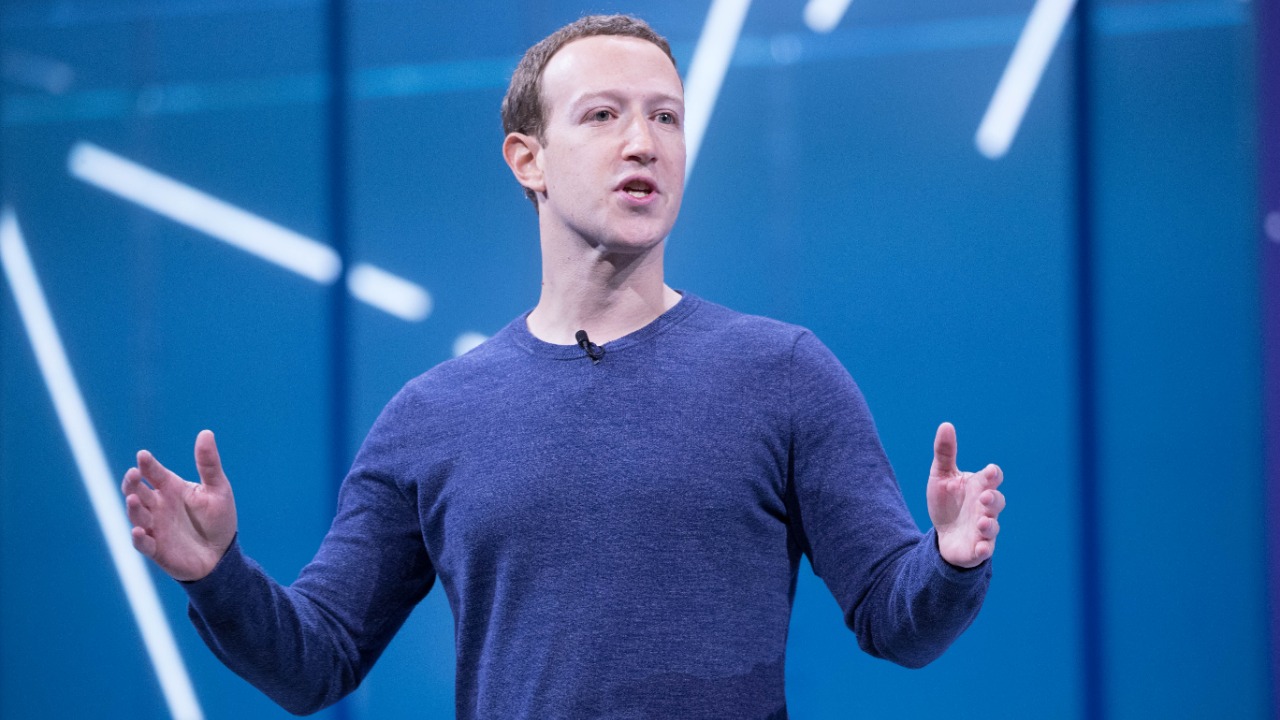
Mark Zuckerberg has added an extraordinary $23 billion to his fortune in under 15 months, yet he now sits lower on the global rich list than he did before that surge. The counterintuitive slide from second place to sixth underscores how brutally competitive the tech wealth race has become and how quickly market tides can reorder even the very top of the billionaire rankings.
I see this shift as a vivid snapshot of a new era in big tech, where eye-popping personal gains are no longer enough to guarantee status if rivals are compounding their wealth even faster. The story is less about one executive’s windfall and more about how concentrated, volatile, and tightly linked to stock performance modern fortunes have become.
The $23 billion surge that was not enough
The starting point is simple and striking: Mark Zuckerberg is $23 billion richer in under 15 months, a jump that would have defined an entire career for earlier generations of tycoons. That increase reflects a powerful rebound in investor confidence in Meta Platforms and in Zuckerberg’s own ability to steer the company through regulatory scrutiny, product pivots, and the costly bet on virtual and mixed reality. Yet even as his net worth has climbed, the relative position of his fortune has slipped, which tells me more about the speed of wealth creation around him than about any shortfall in his own gains.
Reporting on the reshuffle of the global rich list shows that Zuckerberg’s wealth has risen sharply while other tech magnates have seen even more dramatic appreciation, driven by a rally in their companies’ shares and a broader wave of enthusiasm for artificial intelligence and cloud infrastructure. One detailed breakdown notes that Stock Performance Drives Wealth Reshuffle, with some peers enjoying gains that far outpaced Meta’s advance while other large holdings rose by less than 2% over the same stretch. In that context, Zuckerberg’s $23 billion looks less like an outlier and more like the going rate for staying in the upper tier of the tech billionaire pack.
From second to sixth on the Bloomberg Billionaires Index
The most visible consequence of this dynamic is Zuckerberg’s fall from second to sixth place on the Bloomberg Billionaires Index, even as his fortune has swelled. Earlier in the current cycle he briefly occupied the number two slot, a position that reflected Meta’s recovery from its post-pandemic slump and the market’s renewed faith in its advertising engine. Since then, other fortunes have accelerated faster, pushing him down the table despite his personal windfall.
Coverage of the index notes that Mark Zuckerberg has dropped from second to sixth on the Bloomberg Billionaires Index, a move that underlines how tightly these rankings track daily market moves rather than any fundamental change in control or influence. The same reporting points out that the reshuffle is rooted in stock market performance, not in large asset sales or philanthropic commitments, which means the leaderboard can change again just as quickly. In practical terms, Zuckerberg’s economic power remains immense, but his relative standing now reflects a world where several tech founders and major shareholders are clustered within a relatively narrow band of ultra-high net worth.
How tech megacaps rewrote the rich list
To understand why a $23 billion gain is no longer enough to hold second place, I look at the broader behavior of the largest technology stocks. Megacaps have repeatedly led market rallies, with investors crowding into a handful of names that dominate indices and headlines. When those companies move together, they can add or erase hundreds of billions of dollars in paper wealth across their founders and major shareholders in a matter of weeks.
Market coverage earlier in the current cycle highlighted how Megacaps broadly outperformed during key trading sessions, with Apple, for example, climbing by a precise 1.7% ahead of earnings. That kind of incremental move in a company of Apple’s size translates into enormous shifts in the net worth of its largest holders, and similar patterns have played out across other giants in cloud computing, semiconductors, and AI infrastructure. When several of those names rally at once, the cumulative effect is a wholesale reordering of the billionaire rankings, even if Meta and Zuckerberg are also gaining ground.
The Meta rebound and Zuckerberg’s personal stake
Zuckerberg’s own fortune is tightly bound to Meta’s share price, which means the company’s rebound has been the primary engine of his $23 billion increase. After a period of skepticism about its metaverse strategy and the future of social media advertising, Meta has benefited from cost cuts, renewed focus on its core apps, and a stronger narrative around AI-driven recommendation systems. Investors have rewarded that shift, and Zuckerberg’s personal stake has swelled accordingly.
One detailed account of his finances notes that Mark Zuckerberg is $23 billion richer in under 15 months, a figure that captures how quickly Meta’s market value has translated into personal wealth. The same reporting underscores that this gain has not insulated him from the competitive pressure of other tech fortunes, which have been lifted by similar forces in AI, cloud services, and hardware. In effect, Meta’s comeback has allowed Zuckerberg to keep pace with the rising tide, but not to outrun it.
Why relative rankings matter in the age of AI wealth
On one level, the difference between second and sixth place on a billionaire index is symbolic, since all of the individuals involved command resources that dwarf those of most governments and institutions. Yet I see the shift as meaningful because it reflects where markets believe the next wave of value creation will come from. In the current cycle, that wave is closely tied to artificial intelligence, data centers, and the infrastructure that powers them, which has disproportionately benefited some of Zuckerberg’s peers.
Analysis of the rich list points out that Theron Mohamed has detailed how the combined wealth of leading tech founders has surged to more than $400 billion, a concentration that highlights the scale of the AI-driven boom. Within that group, small differences in stock performance or exposure to specific growth themes can translate into big swings in rank. Zuckerberg’s slide, even amid a huge personal gain, is a reminder that in this environment the real contest is not about absolute dollars but about who is most leveraged to the technologies investors believe will dominate the next decade.
What Zuckerberg’s slide reveals about modern fortunes
For me, the most revealing part of Zuckerberg’s trajectory is how it exposes the fragility of modern paper wealth. A fortune that can grow by $23 billion in under 15 months can also shrink just as quickly if sentiment turns or if regulators clamp down on a core business line. The same stock market that has elevated tech founders to unprecedented heights can just as easily knock them down, and the Bloomberg Billionaires Index is essentially a real-time scoreboard of that volatility.
At the same time, the fact that Zuckerberg has fallen from second to sixth while still becoming dramatically richer shows how crowded the very top of the tech hierarchy has become. The phrase Stock Performance Drives Wealth Reshuffle is not just a neat summary of one ranking update, it is a description of an entire era in which a handful of megacap companies and their leaders move in lockstep with global markets. In that world, even a $23 billion windfall is no guarantee of staying near the top, and the race among tech billionaires is less a finish line than a constantly shifting sprint where the only constant is the speed of change.
More From TheDailyOverview

Grant Mercer covers market dynamics, business trends, and the economic forces driving growth across industries. His analysis connects macro movements with real-world implications for investors, entrepreneurs, and professionals. Through his work at The Daily Overview, Grant helps readers understand how markets function and where opportunities may emerge.

