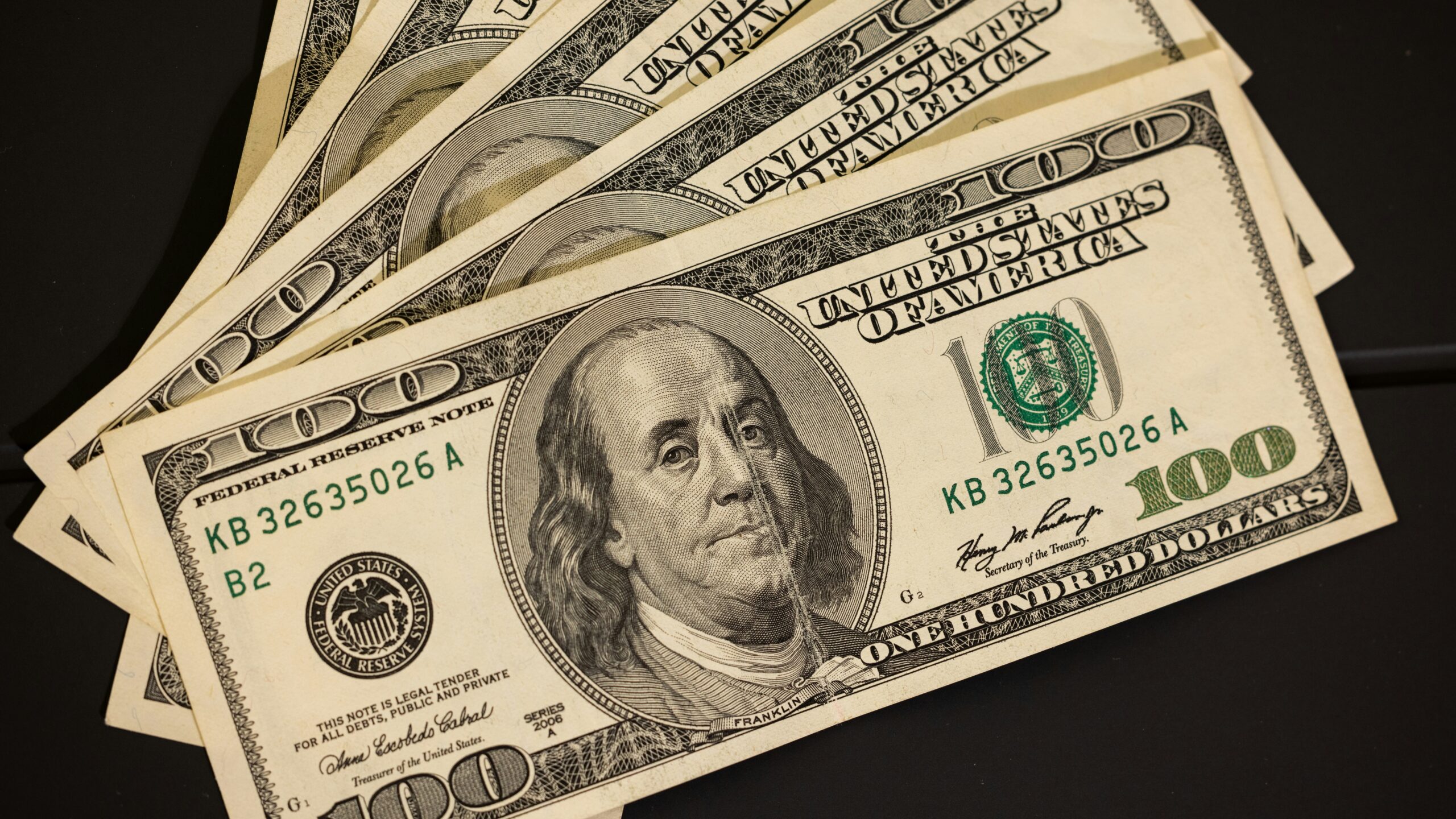
OpenSecrets reported that billionaires helped fund the 2024 race at a level that would have been unthinkable a generation ago, with about one in every 13 campaign dollars tied to ultra-wealthy donors. That flood of money from the very top arrived in a country where income inequality has been climbing for decades and many families already struggle with housing, healthcare and debt. The question for the next few years is simple: when elections start to look like auctions, how exposed is your own wallet to whoever places the winning bid?
The 2024 cycle looks less like a one-time spending spree and more like a down payment on future influence. When a small group of billionaire families can pour billions into federal races, they are not just cheering for a team, they are helping write the rules that shape wages, taxes and consumer protections. Ordinary voters are not locked out of politics, but the cost of getting their concerns heard keeps rising.
The 1-in-13-dollar tipping point
The clearest way to see how much the ground has shifted is to follow the money. Data from OpenSecrets shows that billionaires supplied roughly 1 in 13 dollars of all 2024 campaign spending, or about 7.7 percent of the total. That is a big slice of the national political budget coming from people who could fit in a mid-sized theater. In a system that still talks about “one person, one vote,” the cash side is drifting toward “one billionaire, many megaphones.”
Every campaign dollar buys something concrete: ad time, field staff, lawyers, data teams and turnout programs. When 7.7 percent of that fuel comes from billionaires, it affects which candidates can stay on the air, which ideas get tested, and which never reach most voters. One analysis of this warns that the growing political influence of the ultra-rich can pull policy away from the financial needs of average households, even when public opinion points the other way.
Just 100 families, $2.6 billion
The scale becomes even clearer when you zoom in from “billionaires” as a group to specific households. Research highlighted by Americans for Tax found that just 100 billionaire families poured a record-breaking $2.6 billion into federal elections in 2024. That is not a broad donor base of teachers and small business owners. It is roughly the number of people in a crowded train car, writing checks that dwarf the lifetime earnings of a typical worker. When such a small group accounts for such a large sum, their preferences start to look like a steering wheel, not background noise.
Those 100 families did not spread their money evenly across the ballot. Instead, they focused on competitive races, party committees and outside groups that could accept very large checks under rules that allow unlimited donations. That strategy amplified their reach far beyond the raw dollar figure, because each targeted investment helped decide which candidates even had a chance to reach voters. In that same research, one striking data point showed that just 698 individual billionaires were responsible for a huge share of the giving, underlining how narrow the donor pool has become.
Record spending and rising inequality
By 2024, billionaire political spending had reached record levels. A report cited by The Guardian described how billionaires spent record amounts during the 2024 federal election, helped by legal changes that enabled unlimited donations and supercharged outside groups. At the same time, the share of income and wealth held by the top households has been rising for decades, giving those donors more spare cash to invest in politics.
That long rise in inequality is not just an abstract chart. It shows up in paychecks that lag behind rent, in higher medical bills and in the struggle to save for retirement. The same research on billionaire notes that this concentration of wealth makes it easier for the rich to shape policies that do not match what most families need. As fortunes at the top grow, so does the pool of money available for big political bets, creating a feedback loop between economic inequality and political power.
From campaign cash to your monthly bills
The jump from campaign spreadsheets to your bank account might seem large, but the path is direct. Candidates who rely heavily on billionaire backing feel pressure to keep those donors happy once in office, through tax choices, regulatory decisions and budget cuts or increases. An overview of the explains how this money can affect your wallet, from healthcare costs to consumer protections and student debt rules.
Policy fights over healthcare and industry rules are where this imbalance shows up most clearly. The same Yahoo Finance reporting stresses that billionaire spending is already shaping policy priorities that affect everything from drug prices to oversight of lenders. If the donor class prefers lower corporate taxes and lighter regulation, and if that class is paying for a large share of the campaign tab, then proposals that would raise revenue from the wealthy or tighten rules on banks and insurers start the race with a weight on their ankles.
Tax cuts, safety nets and consumer risk
When you ask whether your wallet is at risk, you are really asking how these donor-driven priorities line up with your own. Coverage of how big-money influence can affect household finances describes proposals that would slash funding for safety-net programs many families rely on, while weakening enforcement against corporate abuses. One MSN breakdown warns that this mix can mean higher out-of-pocket costs and less protection if something goes wrong, especially for people juggling mortgages, student loans and childcare.
The stakes become even higher when you look at specific political promises. That same reporting notes that Donald Trump has said he would support plans linked to Project 2025, and critics argue that such an agenda could shift power toward corporate interests and away from consumer safeguards. If those ideas are backed by the same pool of billionaires who funded a large share of the 2024 race, it is reasonable to ask whether future budgets will tilt further toward tax cuts for the ultra-rich and away from public investment in healthcare, education and housing.
More From The Daily Overview
*This article was researched with the help of AI, with human editors creating the final content.

Grant Mercer covers market dynamics, business trends, and the economic forces driving growth across industries. His analysis connects macro movements with real-world implications for investors, entrepreneurs, and professionals. Through his work at The Daily Overview, Grant helps readers understand how markets function and where opportunities may emerge.

