
In a climate of economic uncertainty, a leading economist has raised concerns about an impending recession. Drawing insights from recent economic trends and expert analyses, he highlights three critical warning signs to watch. Understanding these indicators can help individuals and businesses prepare for potential economic downturns.
The Role of Inflation in Economic Forecasts

Persistent price increases have become a significant concern for many economists, as they erode consumer purchasing power. Recent inflation figures indicate that prices are still on the rise, affecting everything from groceries to housing costs. This trend not only impacts individual finances but also poses a broader threat to economic stability. As costs climb, consumers may cut back on spending, leading to reduced demand and potential economic contraction.
The ongoing supply chain disruptions have further exacerbated inflationary pressures. With bottlenecks in transportation and logistics, businesses face increased production costs, which are often passed on to consumers. This situation creates a cycle of inflation that can be difficult to break. Historically, similar patterns of inflation have been observed before recessions, as outlined in macroeconomic theories such as those discussed in Krugman’s macroeconomic analysis. Understanding these trends can provide valuable insights into the potential for a looming recession.
Labor Market Fluctuations

Recent reports have highlighted slowing job growth across various sectors, including in robust economies like Texas. As job creation decelerates, it signals underlying weaknesses in the economic structure. When businesses are hesitant to hire, it can indicate a lack of confidence in future growth prospects. This reluctance can lead to a cycle of economic slowdown, where reduced employment opportunities further diminish consumer spending.
Moreover, rising unemployment rates often serve as a precursor to recession. When more individuals are out of work, the economy faces increased strain as consumer spending declines. This is compounded by wage stagnation, where wages fail to keep pace with inflation. Consequently, individuals have less disposable income, further reducing economic activity. These factors collectively hint at a potentially challenging economic environment ahead.
Economic Policy and Interest Rates
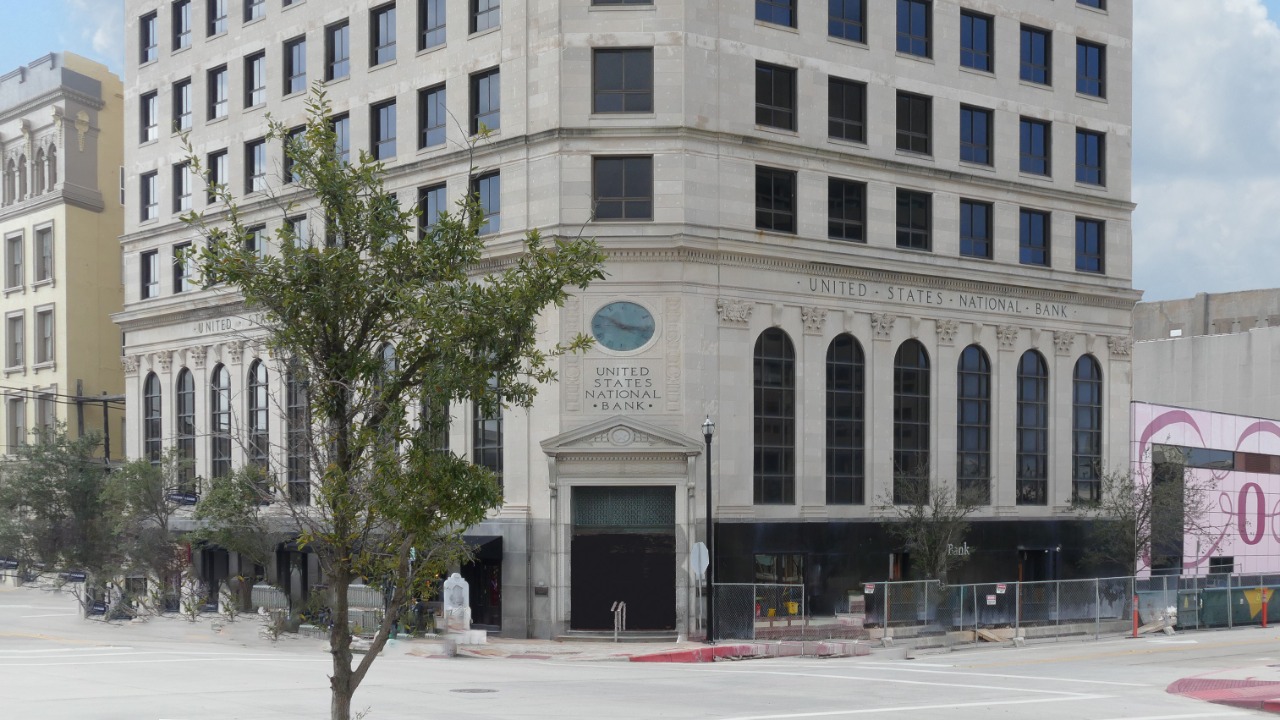
Central banks play a crucial role in maintaining economic stability through interest rate adjustments. By increasing or decreasing rates, they aim to influence borrowing costs and consumer spending. However, recent interest rate hikes have raised concerns about their impact on the economy. Higher rates can lead to increased borrowing costs, making it more expensive for businesses and consumers to finance purchases. This, in turn, can dampen economic activity and fuel recession fears.
Policy uncertainty also poses risks to economic growth. When businesses face unclear or inconsistent economic policies, they may hold back on investments, further slowing down economic momentum. Historical parallels show that such uncertainty can lead to reduced confidence among investors and consumers alike, exacerbating recession risks. The interplay between interest rates and policy stability remains a critical factor in assessing the likelihood of an economic downturn.
Consumer Confidence and Spending

Declining consumer confidence is often a harbinger of economic trouble. When consumers feel uncertain about the future, they tend to reduce spending, particularly on non-essential items. Recent trends in consumer confidence metrics have shown a downward trajectory, suggesting that individuals are increasingly wary of the economic outlook. This shift can lead to decreased demand for goods and services, which can, in turn, slow economic growth.
Changes in consumer spending habits provide further clues to potential recession risks. As discretionary spending declines, businesses may face reduced revenue streams, leading to cutbacks and layoffs. Additionally, economic uncertainty influences household savings rates. When individuals prioritize saving over spending, it can lead to a contraction in economic activity. These dynamics underscore the importance of monitoring consumer behavior as a key indicator of economic health.
Global Economic Influences
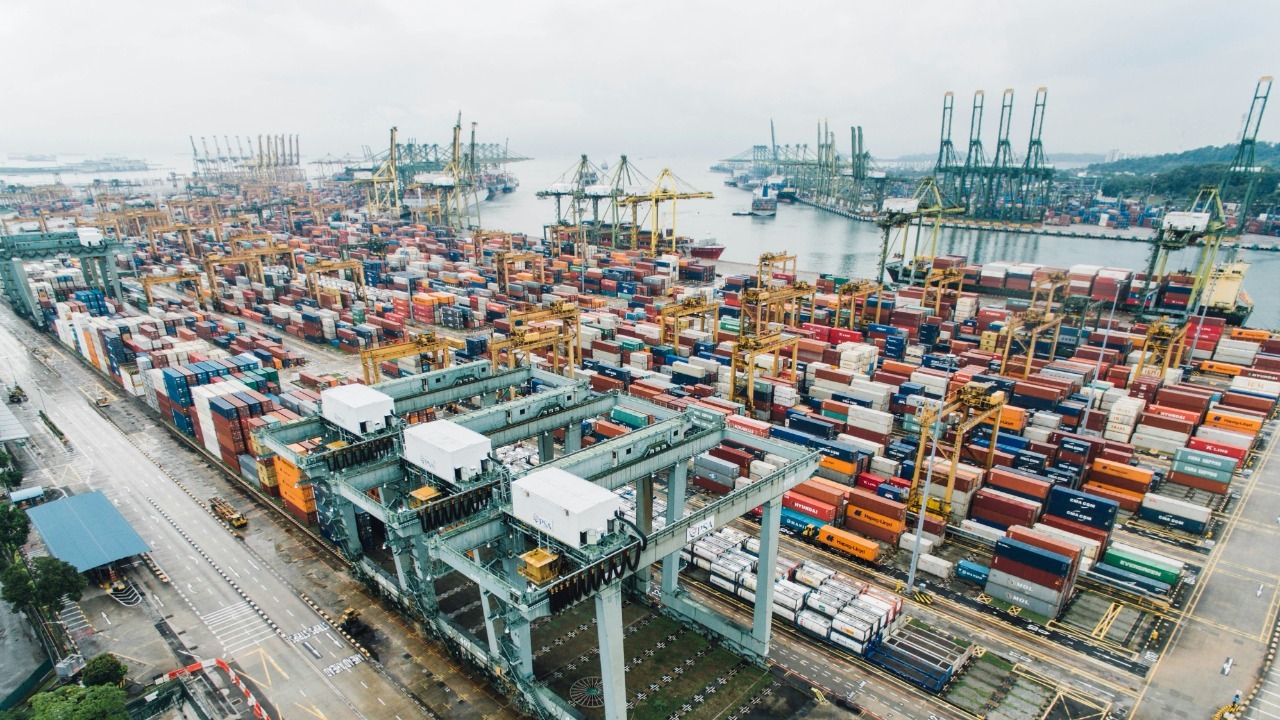
International trade tensions have significant implications for domestic economies. Tariffs, trade barriers, and geopolitical disputes can disrupt supply chains and increase costs for businesses. These factors contribute to inflationary pressures and can create an environment conducive to recession. The interconnectedness of global markets means that issues in one region can have ripple effects on others, complicating economic forecasts.
Currency fluctuations also play a vital role in economic stability. When currencies experience significant volatility, it can affect a country’s export competitiveness. A weaker currency may boost exports by making them cheaper on the international market, but it can also lead to higher import costs, contributing to inflation. Finally, a global economic slowdown can exacerbate domestic challenges. When major economies face downturns, the effects can spread, influencing everything from trade balances to investment flows.

Grant Mercer covers market dynamics, business trends, and the economic forces driving growth across industries. His analysis connects macro movements with real-world implications for investors, entrepreneurs, and professionals. Through his work at The Daily Overview, Grant helps readers understand how markets function and where opportunities may emerge.

