
Brand tags are more than just logos; they are powerful symbols that convey the essence of a company at a glance. Whether you’re a brand enthusiast or a reseller, knowing these iconic symbols can significantly impact your understanding of the market. Below are ten brand tags that are recognized globally, often instantly, by flipping enthusiasts and casual observers alike.
Iconic Swoosh
The iconic swoosh, representing Nike, is one of the most instantly recognizable logos worldwide. This minimalist design symbolizes speed and movement, capturing the essence of athletic wear. Created by Carolyn Davidson in 1971, the swoosh has grown to become synonymous with sports excellence and innovation. Its simple yet powerful design has made it a staple in the world of branding.
Nike’s swoosh is not just a logo; it is a cultural icon that represents the brand’s “Just Do It” philosophy. This has been highlighted in various marketing campaigns and sports endorsements over the years. For those interested in brand evolution, the swoosh offers a fascinating case study in logo longevity and impact.
Three Stripes
The three stripes of Adidas are another globally recognized symbol. These stripes have been a part of the brand’s identity since 1949, when founder Adi Dassler incorporated them into the design. Over the years, the stripes have remained a constant while the brand evolved in fashion and sports.
Adidas has successfully leveraged this simple design element to create a diverse range of products, from sneakers to sportswear. The three stripes symbolize quality and performance, making them a favorite among athletes and fashion enthusiasts alike. The consistency of the stripes in Adidas’s branding strategy is a testament to their effectiveness in brand recognition.
Golden Arches
The golden arches of McDonald’s are a beacon for fast-food lovers around the world. First introduced in 1953, these arches have become synonymous with quick service and affordable dining. The simplicity of the design contributes to its global recognition and appeal.
McDonald’s has utilized the golden arches as a symbol of its brand’s consistency and reliability. Whether in New York or Tokyo, the sight of these arches promises the same menu and quality, reinforcing the company’s global presence. The golden arches are a perfect example of how a simple design can achieve instant memorability.
Bitten Apple
Apple’s bitten apple logo is a symbol of innovation and technology, recognized by millions worldwide. Designed by Rob Janoff in 1977, the logo has remained largely unchanged, reflecting the brand’s commitment to simplicity and elegance.
The bitten apple represents not just the company’s products but also its ethos of challenging the status quo. From the iPhone to MacBook, the logo is a constant reminder of Apple’s impact on personal technology. It serves as an icon of creativity and forward-thinking in the tech industry.
Leaping Puma
The leaping puma logo is an emblem of agility and strength, capturing the essence of the Puma brand. Since its introduction in 1948, the logo has been a staple in the sportswear industry, appealing to athletes and casual consumers alike.
Puma’s logo has successfully conveyed the brand’s focus on performance and style. Whether on running shoes or tracksuits, the leaping puma is a symbol of quality and innovation, making it a favorite among sports enthusiasts.
Interlocked LV
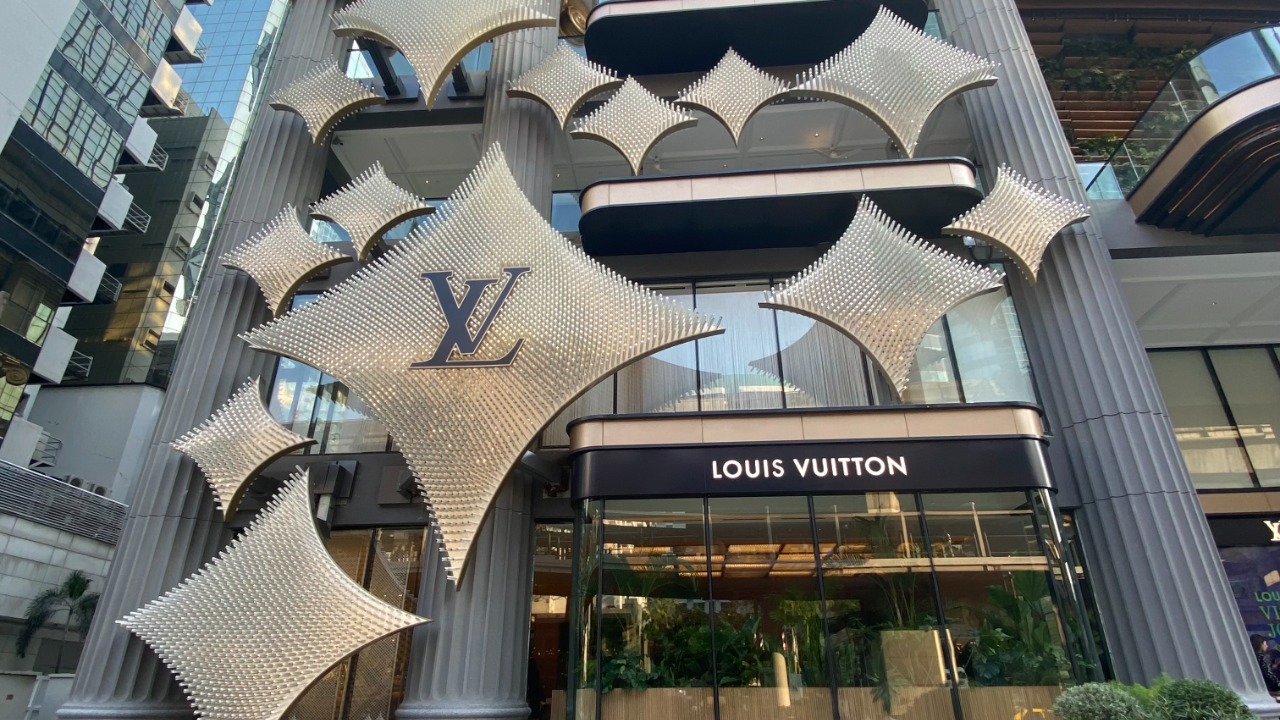
The interlocked LV logo of Louis Vuitton is a hallmark of luxury and craftsmanship. Created in 1896, the logo has become a symbol of exclusivity and sophistication, adorning everything from handbags to clothing.
Louis Vuitton’s logo is instantly recognizable, representing the brand’s rich heritage and dedication to quality. The interlocked LV has maintained its status as a luxury icon, making it a desired brand for those seeking style and elegance.
Red Sole
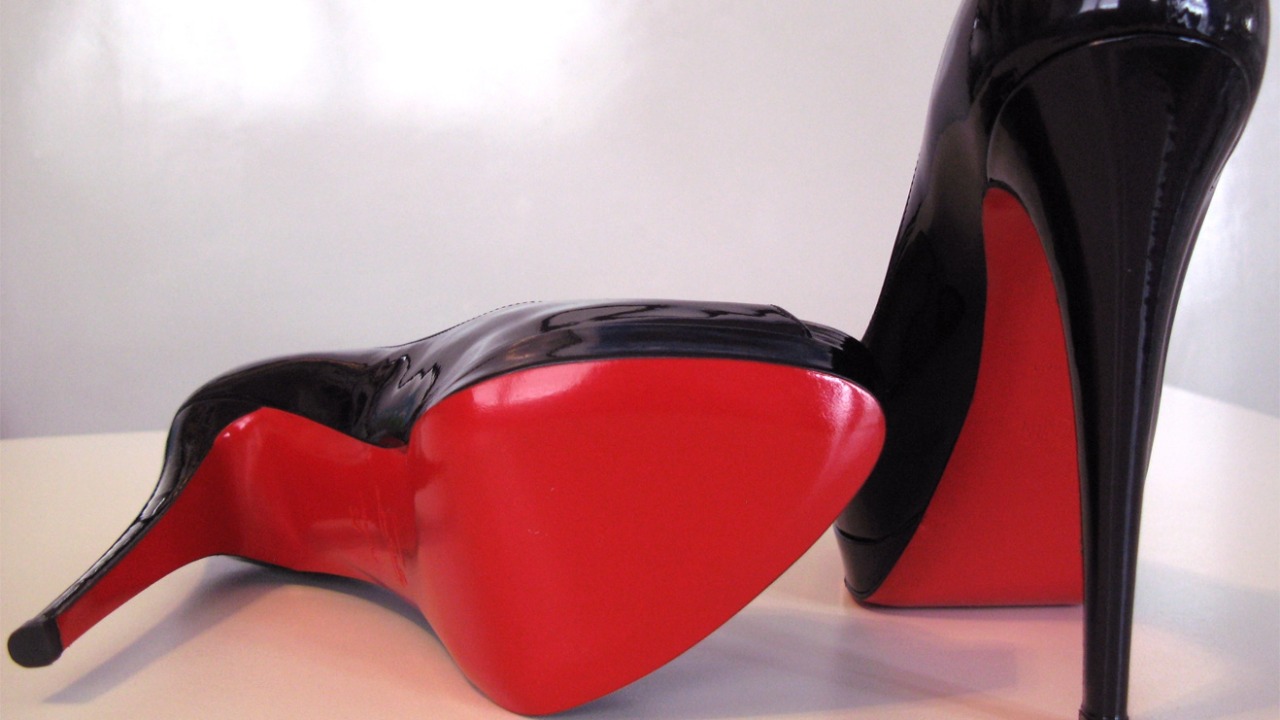
The red sole of Christian Louboutin shoes is a symbol of luxury and fashion. Introduced in the early 1990s, the red sole has become a signature of the brand, making its footwear instantly recognizable.
The red sole is not just a design element but a statement of elegance and exclusivity. Christian Louboutin’s innovation in using color as a distinctive brand marker illustrates the power of visual branding in the fashion industry.
Green Starbucks Mermaid
The green mermaid logo of Starbucks is a symbol of coffee culture worldwide. Introduced in 1971, the mermaid has become synonymous with quality coffee and a unique café experience.
Starbucks has effectively used the mermaid to represent its brand’s commitment to quality and community. The logo’s evolution over the years has kept it relevant while maintaining its core identity, making it a staple in the global coffee market.
Stylized U

The stylized U of Uniqlo represents simplicity and modernity in fashion. Since its introduction, the logo has become a symbol of the brand’s commitment to providing high-quality, affordable clothing.
Uniqlo’s logo is a testament to the brand’s focus on design and functionality. It reflects the company’s ethos of providing stylish yet practical clothing for everyday wear, making it a favorite among consumers worldwide.
Vans Checkerboard Pattern
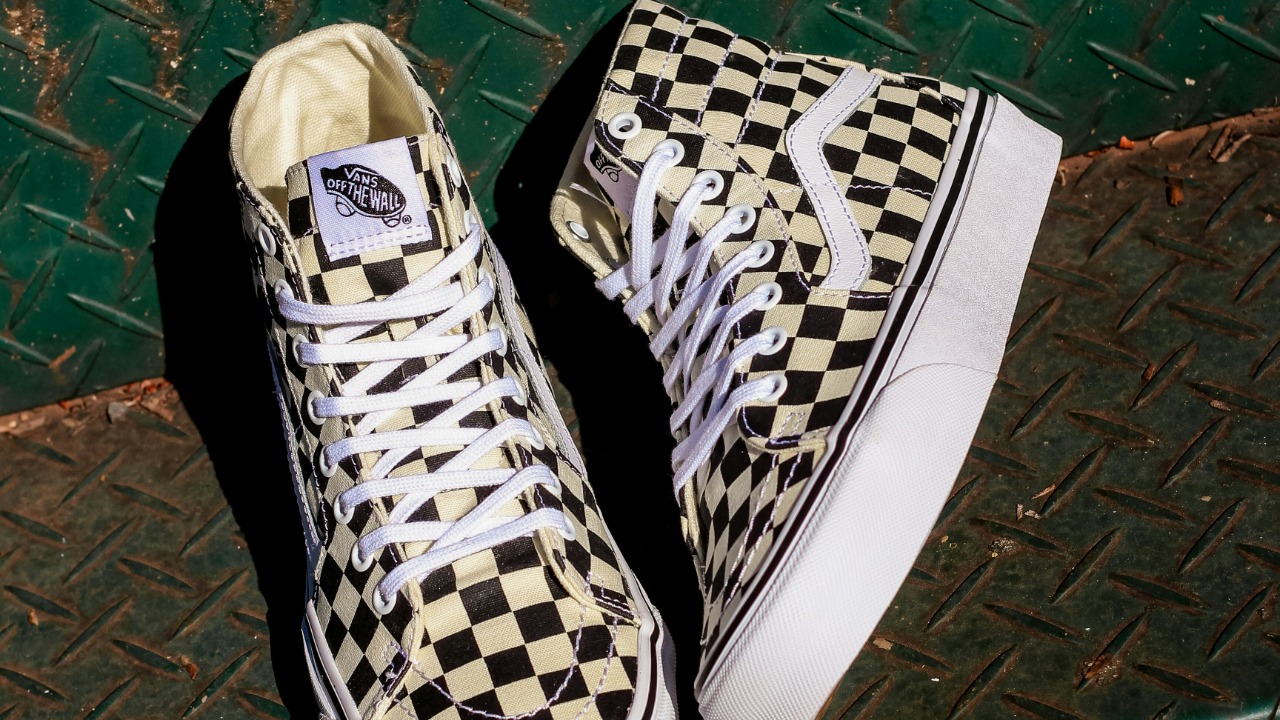
The checkerboard pattern of Vans is a symbol of youth culture and rebellion. First appearing in the 1970s, the pattern has become an icon of the skateboarding community and a staple in casual fashion.
Vans has successfully used the checkerboard design to represent its brand’s identity and connection to the skateboarding world. The pattern’s appeal lies in its simplicity and versatility, making it a timeless choice for those seeking a blend of style and comfort.

Cole Whitaker focuses on the fundamentals of money management, helping readers make smarter decisions around income, spending, saving, and long-term financial stability. His writing emphasizes clarity, discipline, and practical systems that work in real life. At The Daily Overview, Cole breaks down personal finance topics into straightforward guidance readers can apply immediately.

