Millions of households rely on the Supplemental Nutrition Assistance Program to keep food on the table, yet a surprising share of the help that program offers never reaches the people who qualify for it. Between complicated rules, uneven state outreach, and confusing paperwork, low-income families often miss out on extra dollars, bonus programs, and automatic protections that could stretch their grocery budgets much further. I want to walk through the lesser known features that exist inside SNAP, and how the reporting shows they quietly boost benefits for people who know to look for them.
These are not loopholes or tricks, they are built into federal and state policy, but they are easy to overlook if you are focused only on the basic monthly benefit. From expanded deductions that raise your allotment, to “piggyback” programs that ride on your EBT card, to emergency rules that shield your food money when life goes sideways, the record shows that families who understand the fine print can unlock hundreds of extra dollars a year in support.
How deductions and income rules quietly raise monthly SNAP amounts
The first hidden advantage sits inside the math that states use to calculate a household’s monthly benefit. SNAP does not simply look at your gross pay and spit out a number, it subtracts a series of deductions that can significantly lower your “countable” income and, in turn, increase your benefit. Reporting on program rules shows that households can claim a standard deduction, a 20 percent earned income deduction, and additional allowances for dependent care, child support payments, and certain medical costs for older adults or people with disabilities, all before the final benefit is set, which means many families qualify for more than they assume based on their paycheck alone here.
Housing costs are another powerful but underused lever. States apply an “excess shelter deduction” when rent and utilities eat up a large share of a household’s income, and federal guidance shows that this can be especially valuable for renters in high-cost cities or for families facing steep utility bills during winter and summer peaks here. I find that many caseworkers do not have time to walk applicants through every possible deduction, so families who do not volunteer information about child care receipts, out-of-pocket medical expenses above the allowed threshold, or fluctuating utility costs often leave money on the table even though the rules are written to recognize those burdens.
State-level boosts, minimum benefits, and overlooked recertification protections
Beyond the federal formula, state choices create another layer of quiet advantages that many households never hear about. Some states use what is known as “broad-based categorical eligibility” to raise income limits or remove asset tests, which effectively allows working families with modest savings or slightly higher earnings to still qualify for at least a small monthly benefit here. Other states supplement federal SNAP with state-funded add-ons, such as higher minimum benefits for one- and two-person households, or targeted boosts for older adults, which means that a person who was previously told they were “over income” might now qualify under updated rules if they reapply.
Recertification rules also hide protections that can keep benefits from dropping unexpectedly. Federal guidance allows states to use longer certification periods and simplified reporting for households with stable income, which reduces the risk that a missed piece of mail or a small, temporary pay bump will trigger a cut or closure here. I have seen cases where families assume that a short-term overtime shift or seasonal job will automatically disqualify them, so they avoid reporting or even voluntarily close their case, when in reality the rules in many states are designed to smooth those ups and downs and keep food assistance in place as long as the household remains under the broader eligibility thresholds.
EBT-linked programs that add groceries, produce, and school meals
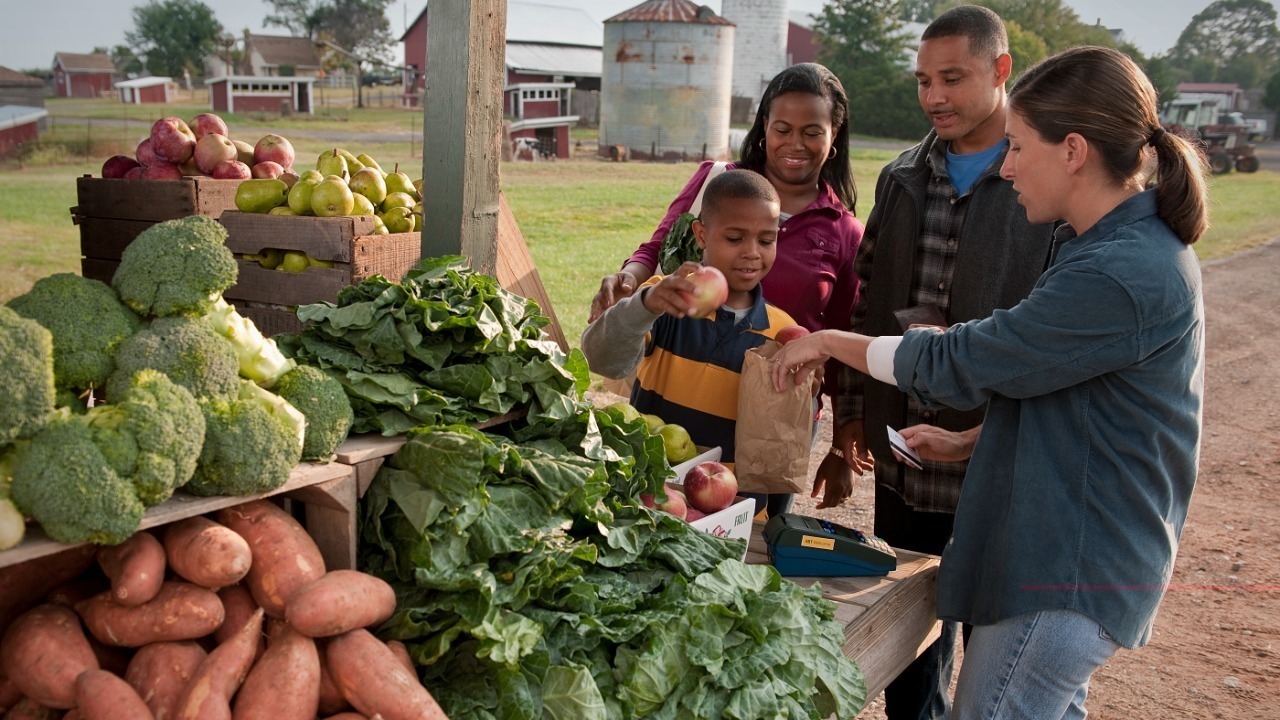
Another cluster of underused benefits sits on top of the EBT card itself. Many states and local partners run “double up” or “market match” programs that give SNAP shoppers bonus dollars when they buy fruits and vegetables at participating grocery stores and farmers markets, often matching up to a set amount per day or per visit here. These incentives effectively increase the purchasing power of the same monthly benefit, but they are frequently advertised only at the point of sale or through local flyers, which means families who shop at smaller stores or who do not read English fluently may never realize that their card can unlock extra produce.
School-linked programs are just as significant. Reporting on pandemic-era changes shows how states used SNAP data to automatically issue “Pandemic EBT” benefits to families whose children lost access to free or reduced-price school meals, loading extra funds onto existing cards or mailing new ones without requiring a fresh application here. That model has informed newer summer EBT initiatives that aim to keep children fed when school cafeterias are closed, and it highlights a broader pattern: once a household is in the SNAP system, they often become eligible for additional food supports that arrive automatically or with minimal paperwork, yet many parents do not realize that keeping their SNAP case active can be the key that unlocks those seasonal boosts.
Emergency flexibilities, disaster aid, and protections when income suddenly changes
SNAP also carries a set of emergency tools that are easy to miss until a crisis hits. When a state is hit by a hurricane, wildfire, or other federally recognized disaster, the program can shift into “disaster SNAP,” which temporarily relaxes documentation rules, speeds up approvals, and in some cases allows households that lost food due to power outages or evacuation to receive replacement benefits here. I have watched families throw away spoiled groceries after a storm without realizing that they could request a partial restoration of their monthly allotment if they report the loss within the allowed window and their area is covered by an official declaration.
Even outside formal disasters, the rules contain safety valves for sudden income shocks. Federal guidance instructs states to process “expedited” SNAP for households with extremely low income or very high shelter costs, often within seven days, and to adjust benefits mid-certification when a job loss or hours cut pushes income down sharply here. In practice, I find that many workers who lose a job or see their hours slashed assume they must wait until their next recertification to see any change, or they do not know that they can request an interim review, so they endure months of tight budgets even though the program is designed to respond quickly when paychecks suddenly shrink.
Digital tools, outreach gaps, and how families can uncover missed help
The final hidden layer is not a specific benefit but the information gap that keeps people from claiming what they qualify for. Over the past several years, states and nonprofit partners have rolled out online screeners and mobile apps that help households estimate eligibility, track recertification dates, and upload documents from a phone, tools that can reduce missed deadlines and incomplete applications that quietly erode benefits here. Apps like Providers, which lets users check EBT balances and receive alerts, and state portals that send text reminders before recertification, are not officially part of SNAP benefits, but they function as a practical extension of the program by helping families avoid gaps that would otherwise cut off their food money.
At the same time, reporting shows that outreach remains uneven, especially in rural areas and among older adults who may qualify but never apply or who drop off the rolls because of confusing mail or long call center waits here. I see a clear pattern: households that connect with legal aid offices, community health centers, or local food banks often learn about deductions, emergency flexibilities, and EBT-linked bonuses that they had never heard of from official notices alone. The policy architecture for more generous and responsive help already exists inside SNAP, but until states invest in clearer communication and families feel empowered to ask detailed questions about their cases, a significant share of that support will remain hidden in the fine print instead of showing up in grocery carts.
More From TheDailyOverview
- Dave Ramsey warns to stop 401(k) contributions
- 11 night jobs you can do from home (not exciting but steady)
- Small U.S. cities ready to boom next
- 19 things boomers should never sell no matter what

Cole Whitaker focuses on the fundamentals of money management, helping readers make smarter decisions around income, spending, saving, and long-term financial stability. His writing emphasizes clarity, discipline, and practical systems that work in real life. At The Daily Overview, Cole breaks down personal finance topics into straightforward guidance readers can apply immediately.