
Understanding money is a nuanced art that goes beyond basic arithmetic. While many grapple with financial management, the wealthy have a different lens through which they view and handle their finances. This perspective is often shaped by experience, education, and a unique approach to risk and opportunity. Here’s a deeper dive into some of the concepts that are second nature to those who have amassed significant wealth.
The Power of Passive Income

One of the foundational principles that the wealthy understand is the power of passive income. Unlike active income, which requires ongoing effort, passive income continues to flow with minimal ongoing work. Investments in real estate, stock dividends, or businesses that do not require day-to-day involvement are common examples. This income stream allows for wealth accumulation and financial freedom, providing the ability to focus on other pursuits.
Consider the way many wealthy individuals invest in rental properties. These assets generate continuous revenue without the need for direct management. By leveraging property management services, they maintain a steady cash flow while freeing up time to explore other investment opportunities. The power of passive income is about making money work for you, rather than working for money.
The Importance of Financial Education

Financial education plays a critical role in wealth accumulation. The rich often prioritize learning about money management, investment strategies, and economic trends. This knowledge allows them to make informed decisions that protect and grow their wealth. Reading books like “Rich Dad Poor Dad” or attending seminars can provide valuable insights into financial literacy.
Financial education is not just about understanding numbers; it’s about comprehending how global events impact markets and personal finances. This foresight helps in planning for economic downturns or capitalizing on emerging opportunities. By investing in their financial literacy, the wealthy ensure they are always one step ahead.
The Value of Networking

Networking is a powerful tool that the affluent use to expand their influence and find new opportunities. Building relationships with other successful individuals can lead to valuable partnerships and collaborations. Attending industry events, joining exclusive clubs, or simply engaging in social activities with like-minded individuals can open doors that might otherwise remain closed.
For example, a business owner might meet a potential investor at a networking event, leading to a partnership that accelerates the growth of their company. Networking is not just about meeting people; it’s about building meaningful connections that can provide support, advice, and opportunities for growth.
The Long-term Perspective

Rich individuals often focus on the long-term perspective when making financial decisions. They understand that wealth accumulation is a marathon, not a sprint. This mindset allows them to remain patient and avoid impulsive decisions that could jeopardize their financial stability. By planning ahead and setting long-term goals, they can weather market fluctuations and capitalize on compound growth.
Investments like retirement accounts or index funds are popular among the wealthy because they offer stability and growth over time. By adopting a long-term perspective, they are able to make strategic decisions that contribute to their financial legacy.
The Role of Strategic Risk-taking

Wealthy individuals understand the importance of taking calculated risks. They are not reckless, but they recognize that some level of risk is necessary for significant rewards. This might involve investing in a start-up, entering a new market, or developing innovative products. They analyze potential risks and rewards, making informed decisions based on data and experience.
An example of strategic risk-taking is investing in emerging technologies. While these investments might be risky, the potential for high returns can be substantial. This approach requires a thorough understanding of the industry and a willingness to embrace uncertainty, but it can lead to substantial financial gains.
The Benefits of Diversification
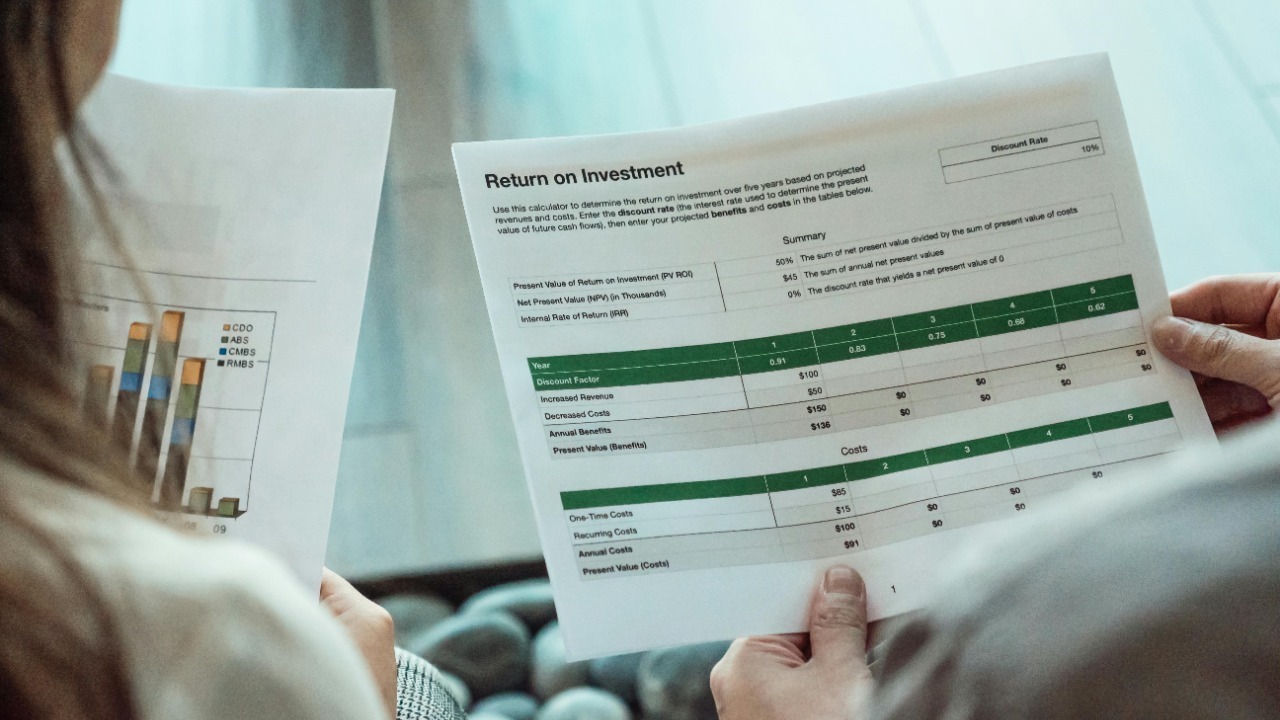
Diversification is a key strategy employed by the affluent to protect their wealth. By spreading investments across different asset classes, such as stocks, bonds, and real estate, they mitigate the risk of losing everything in a single market downturn. Diversification ensures a balanced portfolio that can withstand economic shifts.
Consider the example of someone investing in both domestic and international markets. This strategy reduces exposure to the volatility of any single economy and taps into global growth opportunities. Diversification is about not putting all your eggs in one basket, ensuring financial resilience.
The Influence of Tax Strategies

Understanding and optimizing tax strategies is crucial for maintaining and growing wealth. The rich often employ tax specialists to navigate complex tax codes and identify opportunities for savings. Whether it’s through tax-deferred retirement accounts, charitable contributions, or business deductions, effective tax planning can significantly impact financial outcomes.
For instance, setting up trusts or investing in municipal bonds can offer tax advantages that maximize wealth retention. By leveraging these strategies, the wealthy can minimize their tax liabilities and enhance their financial position.
The Art of Negotiation

Negotiation is a skill that many wealthy individuals master to secure favorable deals in both personal and business transactions. Whether it’s negotiating a business contract or purchasing a new property, the ability to negotiate effectively can lead to substantial savings and increased value.
Successful negotiation involves preparation, understanding the interests of all parties, and finding a win-win solution. This skill is not innate; it can be learned and refined over time, often resulting in better financial outcomes and stronger business relationships.
The Significance of Asset Protection

Asset protection is a priority for the wealthy to safeguard their wealth from potential legal claims or economic downturns. This involves placing assets in trusts, creating limited liability entities, or purchasing insurance to shield wealth from unforeseen circumstances.
For instance, establishing an offshore trust can provide a layer of protection against lawsuits. Similarly, liability insurance can protect personal assets from business-related risks. By proactively protecting their assets, the wealthy ensure their financial legacy is secure.
The Impact of Philanthropy

Philanthropy is often a significant aspect of wealth management for the rich. Beyond the tax benefits, giving back to society can enhance personal fulfillment and leave a lasting legacy. Many wealthy individuals establish foundations or donate to causes that align with their values and passions.
For example, Bill Gates’ extensive philanthropic work through the Bill & Melinda Gates Foundation showcases how philanthropy can drive positive change. This commitment to giving not only benefits society but also strengthens community ties and enhances social standing.

Cole Whitaker focuses on the fundamentals of money management, helping readers make smarter decisions around income, spending, saving, and long-term financial stability. His writing emphasizes clarity, discipline, and practical systems that work in real life. At The Daily Overview, Cole breaks down personal finance topics into straightforward guidance readers can apply immediately.

