
Artificial intelligence (AI) is rapidly transforming the labor market, with young tech workers feeling the earliest impacts. According to a Goldman Sachs economist, the integration of AI technologies in various industries is reshaping job roles and skill requirements, leading to significant implications for the future workforce. The article explores how AI is influencing employment trends and what this means for young professionals entering the tech industry.
AI’s Immediate Impact on Young Tech Workers

AI’s burgeoning presence in the tech industry is leading to shifting skill requirements, especially for young workers entering the field. The demand for AI-related skills is skyrocketing, pushing young professionals to continuously update their expertise to stay competitive. Traditional programming and IT roles are being redefined as automation takes over routine tasks. For example, roles like data entry and basic coding are increasingly handled by AI systems, demanding that workers acquire skills in AI development and maintenance.
This transformation has resulted in both job displacement and creation. AI is automating entry-level jobs, which poses a risk of displacement for new graduates entering the workforce. However, this same technology is also generating new job opportunities in areas like AI systems management and data analysis. AI has accelerated demand for professionals capable of developing and overseeing complex AI infrastructures. Moreover, sectors such as AI ethics and policy-making are emerging, providing fresh avenues for tech-savvy individuals to explore. A balanced perspective reveals AI’s dual role in both eliminating and creating jobs, reshaping the labor landscape in profound ways.
Economists’ Perspectives on AI and Employment

Insights from Goldman Sachs highlight the dual nature of AI’s impact, revealing both threats to existing jobs and opportunities for new ones. The economist discusses how AI is not only a disruptive force but also a catalyst for innovation and economic growth. The long-term effects of AI on the economy are multifaceted, with potential to boost productivity and drive new business models.
Various economic studies offer contrasting opinions on AI’s influence on employment across sectors. Some forecasts suggest that AI could lead to net job losses, particularly in industries reliant on routine tasks. Others argue that AI will ultimately result in job creation by enabling new sectors and functions that were previously unimaginable. For instance, a study from Sciendo explores these divergent views, examining how AI might reshape the employment landscape in both positive and negative ways.
The Role of AI in Shaping Future Workforce Demands

As AI continues to evolve, there is a growing need for educational institutions to adapt their curricula to include AI and machine learning. Young professionals entering the tech industry must be equipped with the right skills to navigate this changing landscape. The importance of lifelong learning and continuous professional development cannot be overstated, as workers must remain agile in the face of technological advancements.
Emerging AI-driven roles require a blend of technical and soft skills. For instance, professionals in AI ethics need a deep understanding of both technology and its societal impacts. New career paths are opening up in areas such as human-AI collaboration, where workers design systems that enhance human capabilities. These roles demand creativity, critical thinking, and the ability to work alongside intelligent systems. The integration of AI into various industries is not just changing job titles; it is redefining the very nature of work itself.
Challenges and Opportunities for Young Professionals

Navigating the transition to an AI-driven job market presents challenges and opportunities for young tech workers. Adapting to the evolving landscape requires strategic approaches, such as upskilling and reskilling in relevant areas. Networking and mentorship are crucial for career development, providing guidance and support as young professionals face technological advancements.
Young professionals have the opportunity to leverage AI to enhance their careers and explore entrepreneurial ventures. AI offers tools for innovation and creativity, enabling the development of new solutions and startups. By embracing these opportunities, young workers can position themselves as leaders in the AI space. For instance, AI-powered platforms like Reddit’s Singularity subreddit provide a community for sharing insights and ideas, fostering collaboration and growth.
Future Outlook and Strategic Considerations
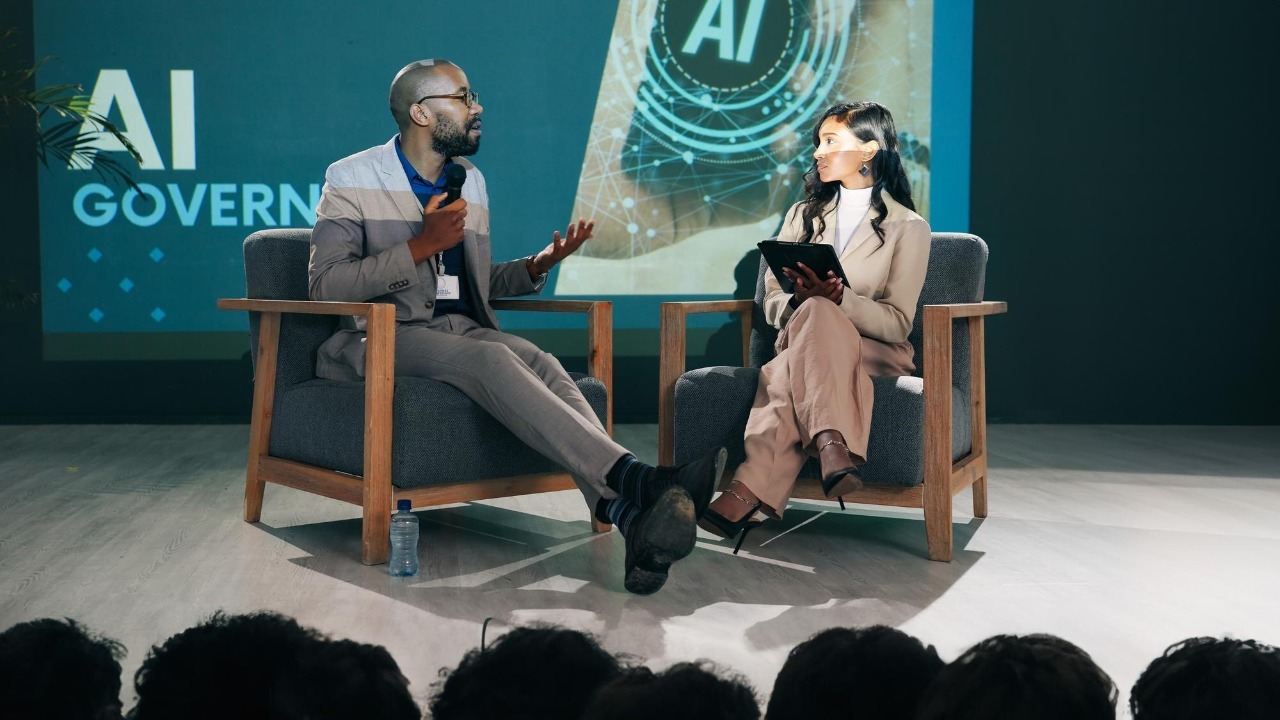
Looking ahead, the labor market is poised for significant changes as AI continues to integrate into business processes. Potential scenarios range from increased automation of routine tasks to the development of entirely new industries driven by AI innovation. Strategic planning is essential for both businesses and workers to remain competitive in this evolving landscape.
Policy and ethical considerations are paramount in ensuring that AI technologies are deployed in ways that benefit society as a whole. Policymakers must develop frameworks that support workers in transition and promote fair AI implementation. Ethical considerations include transparency, accountability, and the responsible use of AI in decision-making processes. For more insights, CNBC offers perspectives on the strategic considerations for an AI-driven economy, emphasizing the importance of balancing innovation with societal needs.

Grant Mercer covers market dynamics, business trends, and the economic forces driving growth across industries. His analysis connects macro movements with real-world implications for investors, entrepreneurs, and professionals. Through his work at The Daily Overview, Grant helps readers understand how markets function and where opportunities may emerge.

