
As retirement approaches, many individuals seek effective strategies to minimize their tax burdens. From leveraging tax-advantaged accounts to strategic withdrawals, there are numerous ways to legally reduce taxes in retirement. This article explores ten popular strategies, each backed by authoritative sources, to help retirees manage their finances more efficiently.
Roth Conversions for Tax-Free Growth

One effective strategy for reducing taxes in retirement is converting traditional IRA funds to Roth IRAs. This approach allows retirees to pay taxes on their contributions upfront, enabling tax-free withdrawals later. According to Money, millionaires often utilize this method to minimize future taxable income and maximize tax-free growth. By strategically converting funds during low-income years, retirees can effectively manage their tax brackets and secure a more tax-efficient retirement.
Additionally, Roth conversions can be strategically timed to take advantage of lower tax brackets, especially during years when retirees have reduced income. This can be particularly beneficial for those who have recently retired but have not yet started receiving Social Security benefits or required minimum distributions. By converting smaller amounts over several years, retirees can avoid pushing themselves into higher tax brackets, thus optimizing their tax situation. Furthermore, Roth IRAs do not have required minimum distributions, allowing the funds to grow tax-free for a longer period, which can be advantageous for estate planning purposes.
Bunching Deductions in High-Income Years

Bunching deductions involves timing itemized deductions, such as medical expenses, to exceed standard thresholds in high-income years. This strategy, highlighted by NerdWallet, allows retirees to maximize their tax savings by concentrating deductible expenses in specific years. By planning ahead, retirees can take advantage of higher deductions and reduce their taxable income, leading to significant tax savings over time.
This method is particularly useful for retirees who have fluctuating income levels or significant medical expenses. By carefully planning and timing these expenses, retirees can ensure they exceed the standard deduction threshold, thereby maximizing their itemized deductions. This approach can also be applied to charitable contributions, where retirees can make larger donations in one year to benefit from a higher deduction. Such strategic planning requires foresight and coordination with financial advisors to align with personal financial goals and tax regulations.
Systematic RRIF Withdrawals to Manage Tax Brackets

For Canadian retirees, managing withdrawals from Registered Retirement Income Funds (RRIFs) is crucial for tax efficiency. The Globe and Mail suggests that systematic withdrawals can help retirees avoid higher tax rates by spreading out income over several years. This approach not only reduces the immediate tax burden but also ensures a steady income stream throughout retirement.
Moreover, retirees can coordinate RRIF withdrawals with other income sources to optimize their tax situation. By understanding the tax implications of different income streams, retirees can plan withdrawals that minimize their overall tax liability. This strategy also involves considering the timing of withdrawals to coincide with lower-income years, thus reducing the tax impact. Additionally, retirees can explore converting RRIF funds to other types of accounts to further enhance tax efficiency and flexibility in managing retirement income.
Leveraging Tax-Advantaged Accounts Like 401(k)s and IRAs

Contributing to tax-advantaged accounts such as 401(k)s and IRAs is a foundational strategy for retirement savings. According to Bankrate, these accounts allow individuals to defer taxes on their contributions, leading to significant savings over time. By maximizing contributions to these accounts, retirees can reduce their taxable income during their working years and benefit from tax-deferred growth.
These accounts not only provide tax deferral benefits but also offer potential employer matching contributions, which can significantly boost retirement savings. Retirees should consider the impact of required minimum distributions from these accounts, as failing to take them can result in substantial penalties. By planning withdrawals carefully, retirees can manage their taxable income and potentially reduce their tax burden. Furthermore, understanding the differences between traditional and Roth accounts can help retirees decide the best strategy for their financial situation.
Building Substantial Savings to Offset Taxable Income

High savers in the top 10% often use their substantial retirement funds to strategically draw down and reduce tax exposure. As reported by Investopedia, these individuals leverage their savings to manage taxable income effectively. By carefully planning withdrawals and utilizing tax-efficient investment strategies, retirees can minimize their tax liabilities while maintaining their desired lifestyle.
Retirees with significant savings can also explore the use of tax-efficient investment vehicles, such as municipal bonds, which offer tax-free interest income. By diversifying their investment portfolio, retirees can balance growth with tax efficiency, ensuring that their savings last throughout retirement. Additionally, having a well-structured withdrawal plan can help retirees manage their cash flow needs while minimizing taxes. This involves coordinating withdrawals from taxable, tax-deferred, and tax-free accounts to optimize tax outcomes.
Qualified Charitable Distributions from IRAs

Qualified Charitable Distributions (QCDs) from IRAs offer a tax-efficient way to satisfy Required Minimum Distributions (RMDs) without incurring taxable income. According to Money, this strategy is popular among retirees who wish to support charitable causes while reducing their tax burdens. By directing IRA distributions to qualified charities, retirees can fulfill their RMD obligations and enjoy tax benefits simultaneously.
Retirees can make QCDs directly from their IRAs to eligible charities, which not only satisfies RMD requirements but also excludes the distribution from taxable income. This can be particularly advantageous for retirees who do not itemize deductions, as it allows them to benefit from a tax break without needing to exceed the standard deduction. Additionally, QCDs can be used to support multiple charities, providing flexibility in charitable giving while maintaining tax efficiency.
Harvesting Tax Losses to Offset Gains
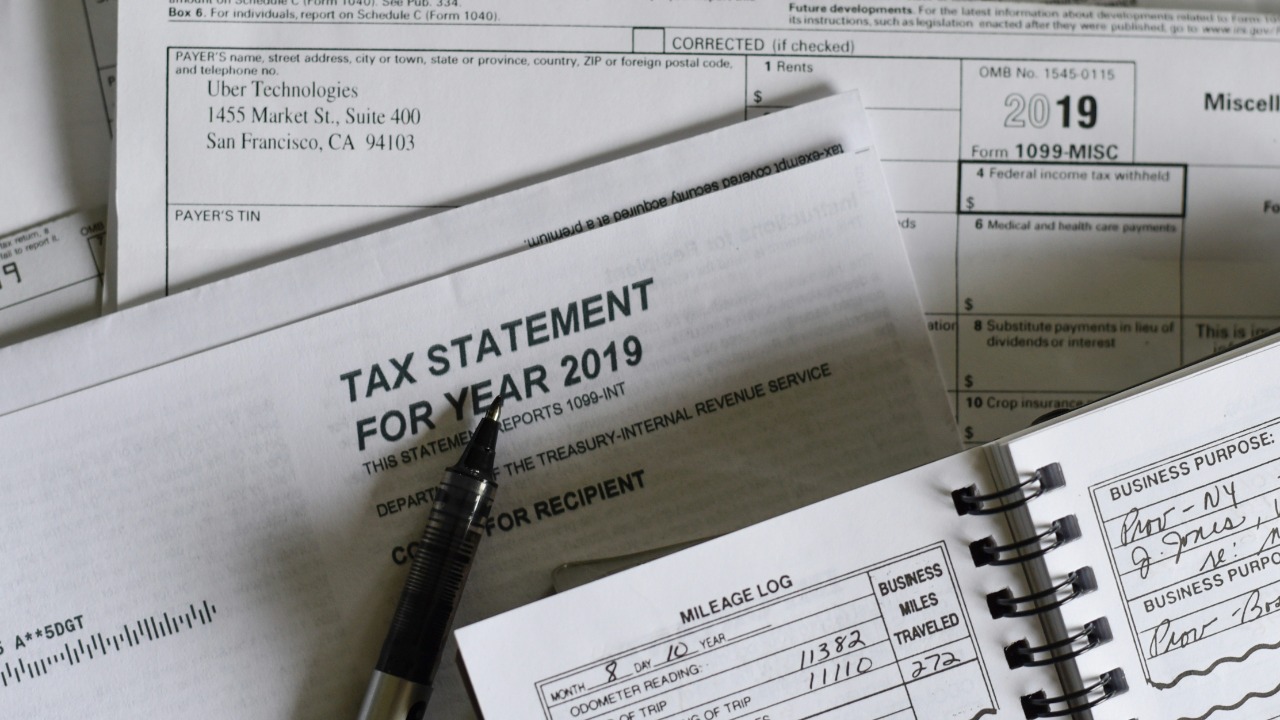
Tax-loss harvesting involves selling underperforming investments to offset capital gains taxes in retirement portfolios. As outlined by NerdWallet, this strategy helps retirees manage their tax liabilities by balancing gains and losses. By strategically timing the sale of investments, retirees can reduce their overall tax burden and enhance their portfolio’s tax efficiency.
This strategy requires careful monitoring of investment portfolios to identify opportunities for tax-loss harvesting. Retirees should be aware of the wash-sale rule, which disallows claiming a loss on a security if a substantially identical security is purchased within 30 days. By adhering to these rules and strategically selling underperforming assets, retirees can effectively manage their capital gains tax exposure. This approach not only reduces taxes but also allows for portfolio rebalancing to align with long-term investment goals.
Spousal RRIF Income Splitting for Lower Brackets

Spousal RRIF income splitting allows retirees to transfer RRIF income to a lower-income spouse, reducing the overall family tax burden. The Globe and Mail highlights this strategy as an effective way to optimize tax savings for couples. By equalizing income between spouses, retirees can take advantage of lower tax brackets and maximize their after-tax income.
This strategy is particularly beneficial for couples where one spouse has significantly lower income. By transferring RRIF income to the lower-income spouse, the couple can take advantage of lower tax rates, resulting in overall tax savings. This requires careful planning and understanding of the tax implications for both spouses. Additionally, income splitting can help manage the impact of OAS clawbacks, preserving more of the couple’s retirement income.
Diversifying with Roth and Traditional Accounts

Balancing contributions across Roth and traditional accounts provides retirees with flexible, low-tax withdrawal options. According to Bankrate, this diversification strategy allows retirees to choose the most tax-efficient withdrawal method based on their current tax situation. By having both types of accounts, retirees can adapt to changing tax laws and personal financial circumstances.
Having both Roth and traditional accounts allows retirees to choose the most tax-efficient withdrawal strategy based on their current and projected tax situation. This flexibility is crucial in adapting to changes in tax laws or personal circumstances. Retirees can withdraw from Roth accounts tax-free during high-income years, while utilizing traditional accounts in lower-income years to manage their tax brackets effectively. This diversification also provides a hedge against potential future tax increases.
High-Net-Worth Savings as a Tax Buffer

For the top 10% of savers, large retirement nest eggs enable tax-efficient spending and investment shifts. As reported by Investopedia, these individuals use their substantial savings as a buffer against tax liabilities. By strategically managing withdrawals and investments, high-net-worth retirees can maintain financial stability while minimizing their tax exposure.
High-net-worth individuals can also explore advanced tax planning strategies, such as establishing trusts or utilizing life insurance products, to further mitigate tax liabilities. These strategies require careful consideration and professional advice to ensure compliance with tax laws and alignment with personal financial goals. By leveraging their substantial savings, high-net-worth retirees can maintain financial flexibility and security, allowing them to enjoy their retirement years without the burden of excessive taxes.