
In a world where consumerism is at its peak, it’s easy to find ourselves purchasing items we don’t truly need. From the subtle tactics of online giants to the everyday habits that drain our wallets, understanding these influences can help us make more mindful decisions. Here are eight strategies to help you stop buying things you don’t need, each grounded in recent insights.
Counter Amazon’s Hidden Spending Tactics

Amazon’s platform is designed to encourage spending, often without us realizing it. According to MoneyTalksNews, the company employs various psychological tactics to increase purchases. Features like “frequently bought together” and “customers who bought this also bought” can lead to impulsive buying. By being aware of these strategies, you can resist the urge to add unnecessary items to your cart.
One effective way to counter these tactics is to stick to a pre-planned shopping list. Before logging onto Amazon, write down exactly what you need and avoid browsing other categories. This approach helps maintain focus and prevents the allure of suggested products from swaying your decisions.
Furthermore, consider using browser extensions that track price history and alert you to genuine discounts. These tools can help you determine if a deal is truly worthwhile or just a marketing ploy. By leveraging technology to your advantage, you can make more informed decisions and avoid falling prey to Amazon’s subtle spending tactics.
Eliminate Food Waste to Curb Unneeded Grocery Buys
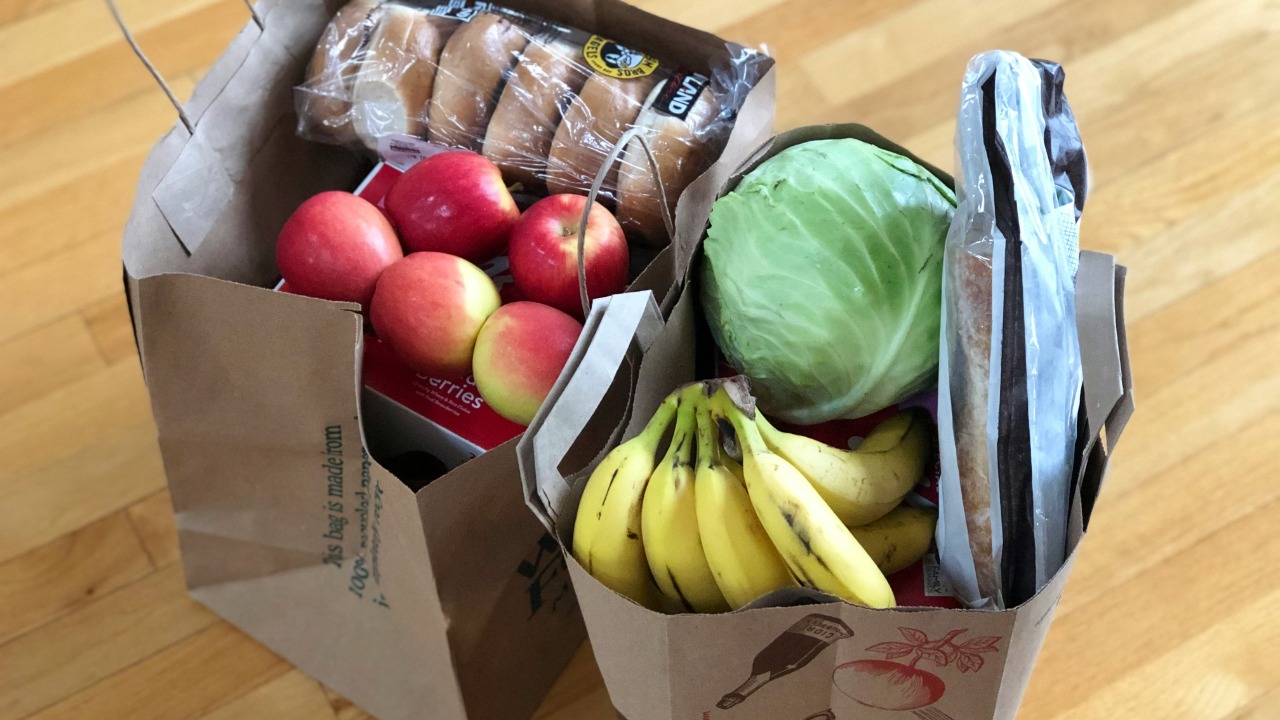
Food waste is a significant contributor to unnecessary spending. As highlighted by Everyday Health, many people buy more groceries than they can consume, leading to waste. Planning meals and creating a detailed shopping list can help reduce this excess. By purchasing only what you need for specific meals, you can minimize waste and save money.
Additionally, consider the storage life of perishable items. Properly storing fruits and vegetables can extend their shelf life, reducing the likelihood of spoilage. This simple step not only saves money but also contributes to a more sustainable lifestyle.
Another strategy is to embrace meal prepping. By preparing meals in advance, you can ensure that all purchased ingredients are used efficiently, reducing the chance of food going to waste. This not only saves money but also time during busy weekdays, making it a practical approach to managing both your budget and schedule.
Avoid Chatbot-Driven Impulse Recommendations

Chatbots, like ChatGPT, can sometimes lead to impulse purchases through their recommendations. As noted by PCMag, these AI tools might not always have your best financial interests in mind. They can suggest products based on previous interactions, nudging you towards unnecessary buys.
To avoid this, use chatbots for information gathering rather than decision-making. Cross-reference their suggestions with independent research and reviews before making a purchase. This practice ensures that your buying decisions are informed and deliberate.
Additionally, be mindful of the data you share with chatbots. Limiting the personal information you provide can reduce the likelihood of receiving tailored suggestions that may not align with your financial goals. By maintaining control over your data, you can better manage the influence these AI tools have on your purchasing decisions.
Optimize Grocery Budgets Against Overpayment Traps

Grocery shopping can quickly eat into your budget if not managed carefully. According to GoBankingRates, many shoppers fall into traps that lead to overpayment. These include buying in bulk without considering usage and falling for promotional deals that don’t offer real savings.
To optimize your grocery budget, focus on buying only what you need for the week. Avoid bulk purchases unless you’re sure you’ll use the items before they expire. Additionally, be wary of sales that encourage you to buy more than necessary, as they can lead to waste and overspending.
Consider joining a local food co-op or farmers market, where prices are often more competitive, and the focus is on fresh, local produce. These alternatives can provide quality products at lower prices, helping you avoid the markup often found in traditional grocery stores. Supporting local vendors also contributes to community sustainability.
Unpack Amazon’s Psychological Purchase Prompts

Amazon’s platform is rife with psychological prompts designed to encourage spending. As detailed by MoneyTalksNews, features like limited-time offers and countdown timers create a sense of urgency that can lead to impulsive buying. Recognizing these tactics is the first step in resisting them.
To combat these prompts, take a moment to pause and reflect before making a purchase. Ask yourself if the item is truly necessary or if you’re being swayed by the platform’s tactics. This pause can help you make more rational and less impulsive buying decisions.
Moreover, take advantage of Amazon’s wish list feature to manage potential purchases. By adding items to a wish list instead of your cart, you can periodically review and assess their necessity without the immediate pressure to buy. This method allows for thoughtful consideration and can prevent impulsive spending.
Identify Common Food Buying Pitfalls

Many consumers fall into common pitfalls when buying food, leading to unnecessary expenses. As Everyday Health points out, buying pre-packaged or convenience foods often costs more than preparing meals from scratch. Additionally, purchasing items without checking for existing supplies can result in duplicates and waste.
To avoid these pitfalls, take inventory of your pantry and fridge before shopping. Plan meals around what you already have, and opt for whole ingredients that can be used in multiple dishes. This approach not only saves money but also encourages healthier eating habits.
It’s also beneficial to familiarize yourself with unit pricing, which can reveal the true cost of products and help you identify the best value for your money. By comparing unit prices, you can make more economical choices and avoid the trap of seemingly cheaper bulk deals that may not be as cost-effective as they appear.
Streamline Grocery Habits for Essential-Only Purchases

Streamlining your grocery habits can significantly reduce unnecessary spending. According to GoBankingRates, focusing on essential-only purchases helps avoid budget-draining extras. This means sticking to a list and avoiding impulse buys at the store.
One way to streamline your habits is to shop with a purpose. Know exactly what meals you’ll be preparing and buy only the ingredients needed for those dishes. This focused approach minimizes waste and ensures that your spending aligns with your actual needs.
Consider implementing a cash-only policy for grocery shopping. By setting a strict cash budget, you can physically limit your spending and avoid the temptation of unnecessary purchases. This tangible approach to budgeting can reinforce discipline and ensure that your grocery habits remain focused on essentials.
Break Free from Amazon’s Add-to-Cart Urges

Amazon’s platform encourages users to add items to their cart impulsively. As MoneyTalksNews explains, features like “add-on items” and “lightning deals” create a sense of urgency that can lead to unplanned purchases. Recognizing these urges is crucial to resisting them.
To break free from these urges, implement a waiting period before finalizing purchases. Allow items to sit in your cart for a day or two, giving yourself time to reconsider their necessity. This simple strategy can help you avoid impulsive buys and ensure that your spending aligns with your priorities.
Another effective tactic is to disable one-click purchasing options. By requiring more steps to complete a transaction, you give yourself additional time to reconsider the necessity of each item. This added friction can be a powerful deterrent against impulsive buying, helping you maintain control over your spending habits.

Cole Whitaker focuses on the fundamentals of money management, helping readers make smarter decisions around income, spending, saving, and long-term financial stability. His writing emphasizes clarity, discipline, and practical systems that work in real life. At The Daily Overview, Cole breaks down personal finance topics into straightforward guidance readers can apply immediately.
