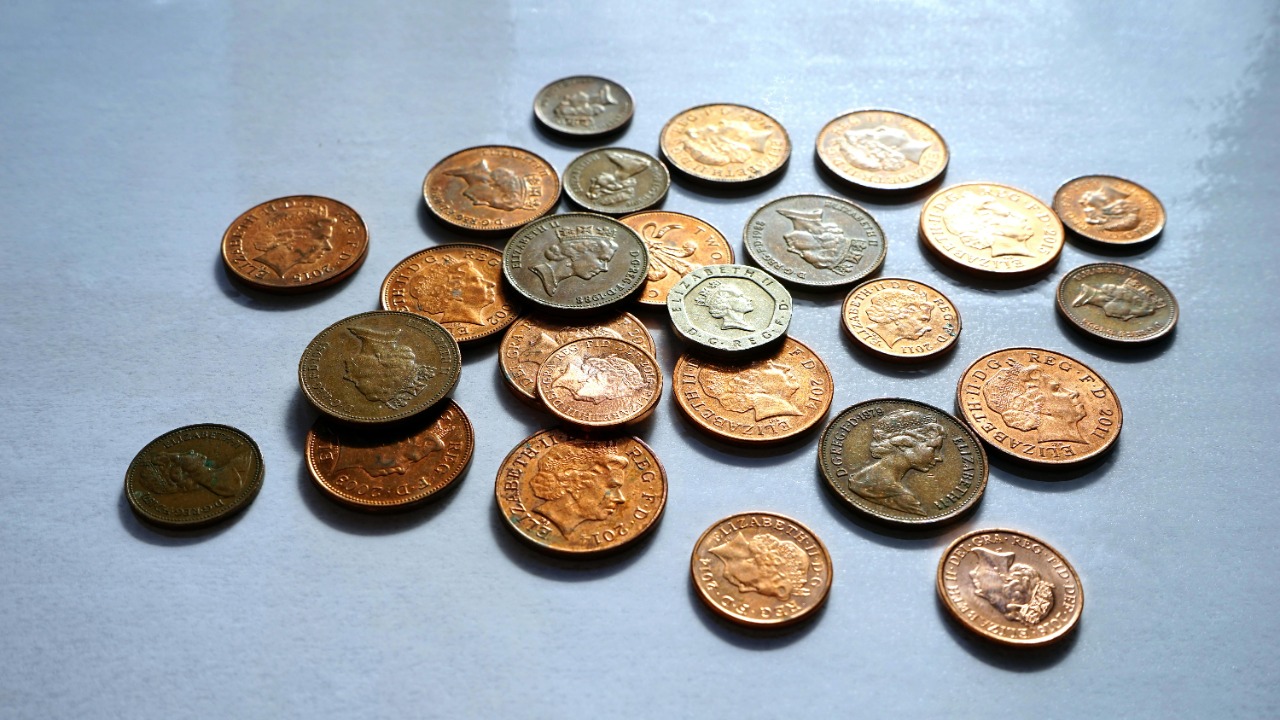
In the world of numismatics, the thrill of discovering a rare coin in everyday change is unparalleled. Collectors are particularly excited about a rare Lincoln penny that could fetch up to $100,000. This buzz is fueled by recent reports highlighting 10 rare coins expected to significantly increase in value over the next five years, as well as the 5 most valuable American coins still in circulation. These reports remind enthusiasts that hidden treasures from U.S. minting history may still be out there, waiting to be discovered.
1943 Copper Lincoln Penny
The 1943 Copper Lincoln Penny is a fascinating anomaly born from a minting error during World War II. While most pennies from this year were made from steel to conserve copper for the war effort, a few were mistakenly struck in copper. With fewer than 20 known examples, this penny is exceptionally scarce. Its rarity is attributed to the fact that these copper pennies were supposed to be melted down, yet some managed to evade this fate, potentially lingering in old collections or even in circulation. Collectors can identify these rare coins by their weight, as copper pennies are heavier than their steel counterparts.
This penny’s history is deeply intertwined with the wartime economy, where copper was a critical resource. The few copper pennies that survived were likely due to oversight or were hidden away by collectors who recognized their potential value. For those hoping to find one, authentication is key. The copper penny weighs about 3.11 grams, compared to the 2.7 grams of the steel version, providing a tangible clue for spotters.
1955 Doubled Die Obverse Lincoln Penny
The 1955 Doubled Die Obverse Lincoln Penny is renowned for its dramatic doubling on the obverse lettering and date, a result of a hubbing error at the Philadelphia Mint. This striking visual error has made it a favorite among collectors, with uncirculated specimens fetching premium prices at auction. The doubling is so pronounced that it can be seen with the naked eye, making it one of the most recognizable error coins.
Collectors are advised to be cautious, however, as many coins with post-mint damage can mimic the appearance of a doubled die. Genuine examples are characterized by the clear doubling of the date and the word “LIBERTY.” The value of these coins is significantly influenced by their condition, with higher-grade specimens commanding top dollar. Auction records confirm that these pennies can sell for thousands, depending on their state of preservation.
1969-S Doubled Die Obverse Lincoln Penny
The 1969-S Doubled Die Obverse Lincoln Penny is another rare variety that has captivated collectors. Originating from the San Francisco Mint, this coin features a rare doubled die variety with only a handful certified by major grading services. Its discovery in the 1990s added a new chapter to the story of doubled die pennies, distinguishing true hubbing errors from more common machine doubling.
Collectors should be aware of the potential for counterfeits, as the rarity and value of this penny make it a target for forgery. Authentic examples exhibit strong doubling on the obverse, particularly noticeable on the date and the word “LIBERTY.” Estimates suggest that only a few dozen of these coins survive in circulation, making them a prized find for any numismatist.
1909-S VDB Lincoln Penny
The 1909-S VDB Lincoln Penny is a cornerstone of American numismatics, celebrated for its historical significance and rarity. The inclusion of designer Victor David Brenner’s initials, “VDB,” on the reverse led to public backlash and a subsequent low mintage of fewer than 500,000 coins. This controversy has only added to the coin’s allure, making it a must-have for serious collectors.
Key dates in its production highlight the transition from the Indian Head cent to the Lincoln cent, with the wheat ear reverse design commanding high bids at auctions. Collectors are encouraged to examine wear patterns carefully, as these can indicate a coin’s journey through circulation. Despite its age, the 1909-S VDB penny remains a sought-after piece, with even well-worn examples fetching significant sums.
1914-D Lincoln Penny
The 1914-D Lincoln Penny is another rarity from the Denver Mint, with a low output of just 1.2 million pieces. This scarcity, combined with heavy circulation attrition, has made it a valuable find. Varieties such as doubled dies can further enhance the value of these coins, particularly in higher grades.
Recent discoveries in estate sales have underscored the potential for finding these coins in circulated condition. Collectors are advised to pay close attention to the coin’s details, as even minor variations can significantly impact its value. The 1914-D penny remains a testament to the enduring appeal of early Lincoln cents.
Rare Lincoln Penny Worth $100,000
The allure of discovering a rare Lincoln penny worth $100,000 is a tantalizing prospect for collectors. Such a penny’s value is determined by its condition and rarity, with specific error features or low-mintage traits aligning with high-value examples. These pennies are a reminder of the hidden treasures that may still be in circulation.
For those fortunate enough to encounter one, professional appraisal is essential to verify authenticity. Experts can provide insights into the coin’s history and potential value, ensuring that collectors can make informed decisions about their finds. The possibility of uncovering such a valuable piece in everyday change is a testament to the enduring mystery and excitement of coin collecting.
1931-S Lincoln Penny
The 1931-S Lincoln Penny is a product of the Great Depression, with the San Francisco Mint producing just 866,000 coins. This low mintage, coupled with the economic challenges of the era, has made it a valuable addition to any collection. Surface preservation is a significant concern, as decades of handling and storage can affect the coin’s condition.
Despite these challenges, market trends show a steady appreciation for even low-grade survivors. Collectors are encouraged to consider the historical context of these coins, as their scarcity and significance continue to drive demand. The 1931-S penny remains a symbol of resilience and rarity in American numismatics.
1922 Plain Lincoln Penny
The 1922 Plain Lincoln Penny is a fascinating anomaly, characterized by the absence of a “D” mint mark on this weak-strike Denver issue. With estimates suggesting fewer than 500,000 true plains exist, this penny is a rare find. Theories about die wear and minting errors contribute to its mystique, as it often blends into common 1922-D cents in circulation.
Collectors are advised to use magnification tools to identify the telltale plain field, as this can be a subtle but crucial detail. The 1922 Plain penny is a reminder of the complexities and surprises that can arise in the minting process, offering collectors a unique challenge in their search for rare coins.
1944 Steel Lincoln Penny
The 1944 Steel Lincoln Penny is a wartime holdover error, with about 30 known examples. These pennies were mistakenly struck in steel instead of copper, creating a rare and valuable error coin. Their path from mint to potential hoarding or unnoticed spending post-war adds to their intrigue.
Collectors should be aware of value multipliers for off-center strikes within this tiny population, as these can significantly enhance the coin’s worth. The 1944 Steel penny is a testament to the unexpected outcomes of wartime production, offering a glimpse into a unique period in American history.
1972 Doubled Die Obverse Lincoln Penny
The 1972 Doubled Die Obverse Lincoln Penny is a standout example of strong doubling on the date and lettering, discovered widely in the 1980s. This error, originating from the Philadelphia Mint, has captured the attention of collectors, with population reports from grading services highlighting its rarity.
Circulation wear can affect the coin’s eye appeal, but even well-worn examples are sought after by enthusiasts. Collectors are encouraged to source these pennies from bank rolls, where doubled dies occasionally surface. The 1972 Doubled Die penny remains a testament to the enduring fascination with minting errors and their impact on coin collecting.
More From TheDailyOverview
- Dave Ramsey says these two simple questions show whether you’re rich or poor
- Retired But Want To Work? Try These 18 Jobs for Seniors That Pay Weekly
- IRS raises capital gains thresholds for 2026 and what’s new
- 12 ways to make $5,000 fast that actually work

Cole Whitaker focuses on the fundamentals of money management, helping readers make smarter decisions around income, spending, saving, and long-term financial stability. His writing emphasizes clarity, discipline, and practical systems that work in real life. At The Daily Overview, Cole breaks down personal finance topics into straightforward guidance readers can apply immediately.
