Spotting a city on the brink of a real estate boom can be a game-changer for investors and potential homeowners. Identifying these signs early can lead to lucrative opportunities in an otherwise competitive market. Here are ten indicators that a city might be about to experience a significant upswing in real estate.
1) Surge in Infrastructure Development
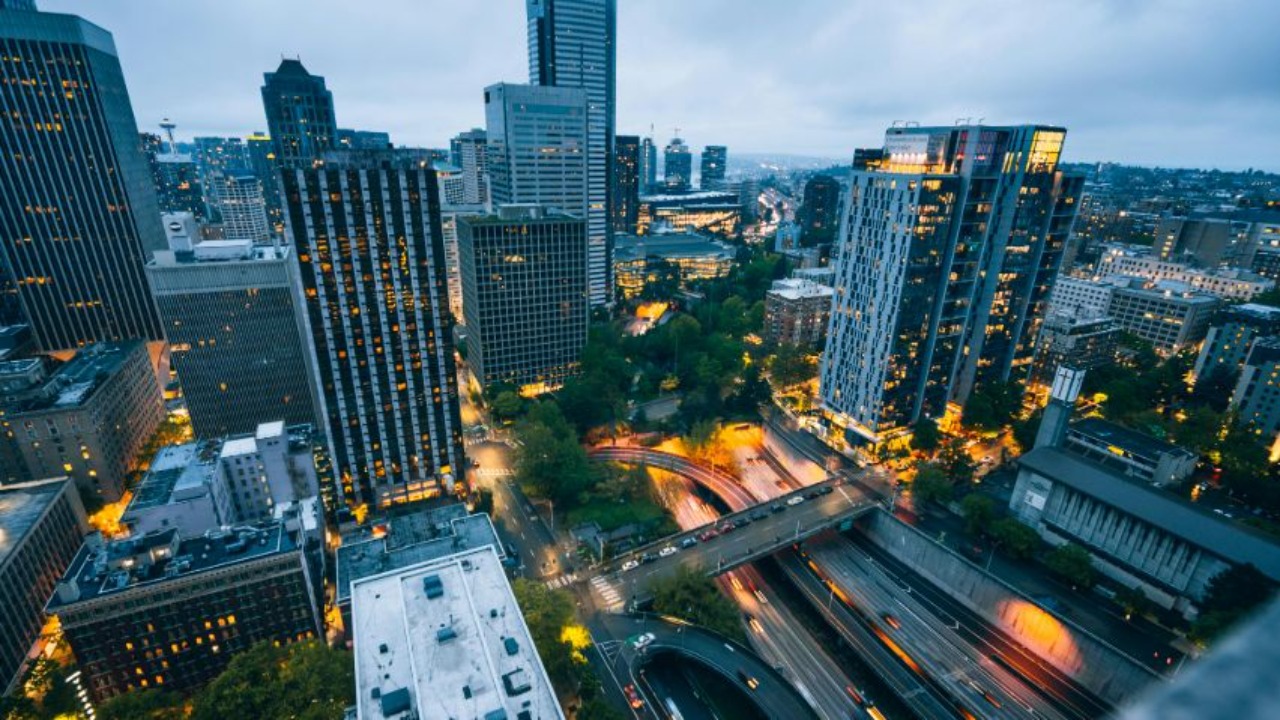
When a city is investing heavily in infrastructure, it often signals upcoming growth. New roads, bridges, and public transit systems can enhance connectivity, making the area more desirable. As a result, property values tend to rise as accessibility improves. This kind of development not only supports current residents but also attracts new ones, further fueling demand for housing. Keep an eye on local government announcements and budget allocations to spot these changes early.
2) Population Growth Trends

Rapid population growth is a clear indicator of a thriving city. As more people move into an area, the demand for housing increases, often leading to a rise in property values. Areas experiencing a surge in population can be primed for a real estate boom, especially if the newcomers are young professionals or families. You can track these trends by reviewing census data or local demographics reports.
3) Influx of Major Employers

When large companies set up shop in a city, they bring jobs and stimulate the local economy. This influx often leads to higher demand for housing as employees seek accommodations nearby. A strong presence of major employers can be a strong predictor of future growth. Keep an eye out for news about corporate relocations or expansions to gauge potential real estate opportunities.
4) Rising Rental Rates

Increases in rental rates can indicate a strong demand for housing in a city. As more people move to the area and competition for rental properties grows, landlords can command higher prices. This trend often precedes a rise in property values, making it a key indicator of a potential real estate boom. Monitoring rental market reports and speaking with local real estate agents can provide valuable insights into this trend.
5) Revitalization of Downtown Areas
A city investing in the revitalization of its downtown often signals a shift towards urban renewal and growth. By improving public spaces, enhancing infrastructure, and encouraging business development, cities can attract new residents and visitors alike. As downtown areas become more vibrant and livable, property values in surrounding neighborhoods often rise. Look for projects like new parks, restaurants, and cultural venues as signs of revitalization.
6) Increase in Building Permits
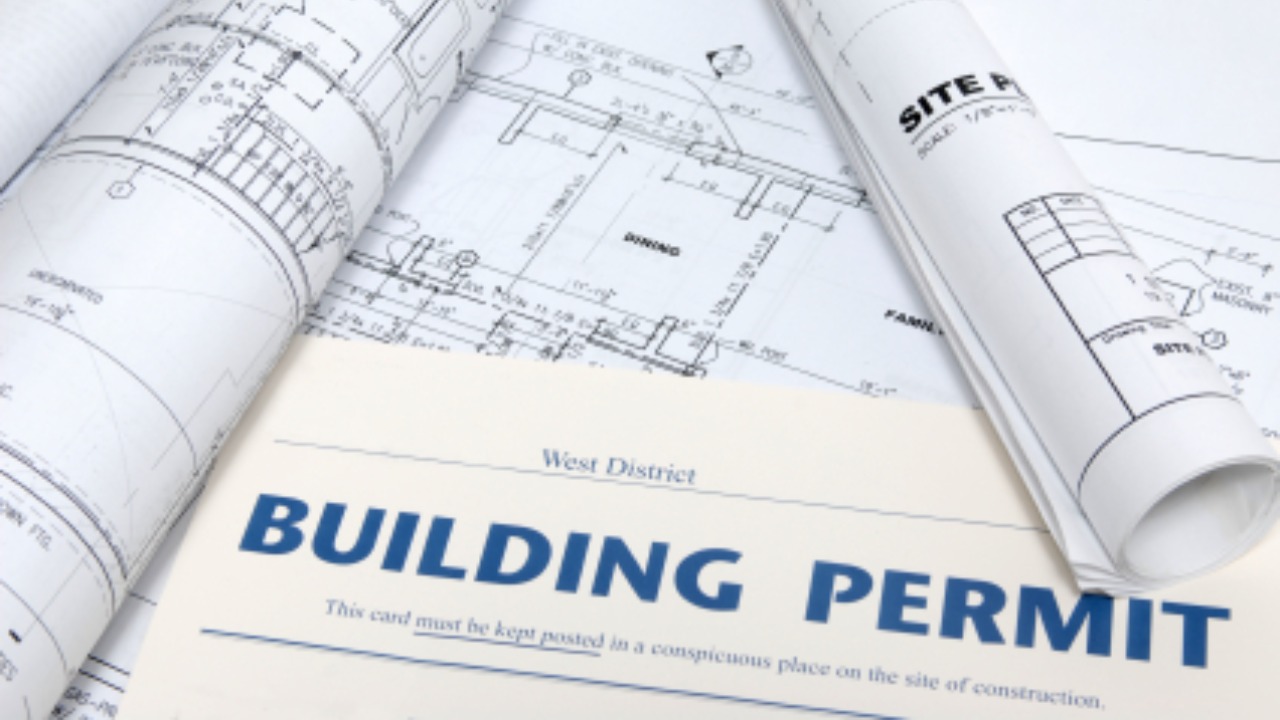
A spike in building permits is a strong indicator of future growth and development. As developers prepare to meet rising demand, they secure permits for new construction projects. This increase suggests confidence in the area’s economic prospects and can be a precursor to a real estate boom. Monitoring local government records and permit applications can provide early clues to these trends.
7) Government Investment in Public Services
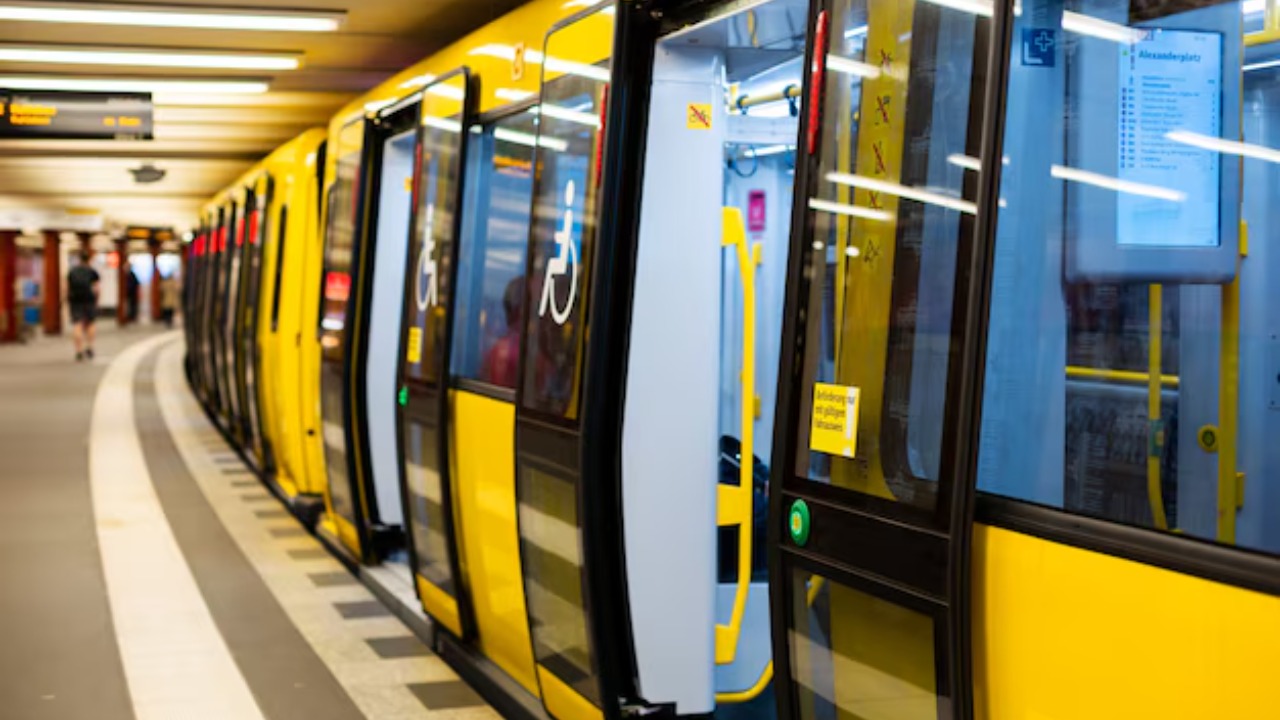
When a city invests in public services like schools, healthcare, and transportation, it often enhances the quality of life for its residents. These improvements can make the area more attractive to potential homebuyers and renters, driving up demand for housing. As public services expand and improve, property values typically follow suit. Watch for announcements about new projects or expansions to gauge potential growth.
8) Decline in Vacancy Rates

A declining vacancy rate is a strong sign of increased demand for housing in a city. As more people move into the area, fewer homes and rental properties remain unoccupied. This trend often leads to higher property values and signals a potential real estate boom. Keep an eye on vacancy rate reports and talk to local real estate professionals to stay informed.
9) Presence of Emerging Tech Hubs

The rise of tech hubs in a city often drives economic growth and attracts a skilled workforce. These areas become magnets for innovation and investment, leading to increased demand for housing. Cities with a burgeoning tech scene can experience rapid growth and appreciation in real estate values. Look for signs of tech company expansions and new startups as indicators of a thriving tech hub.
10) Expansion of Cultural and Recreational Amenities
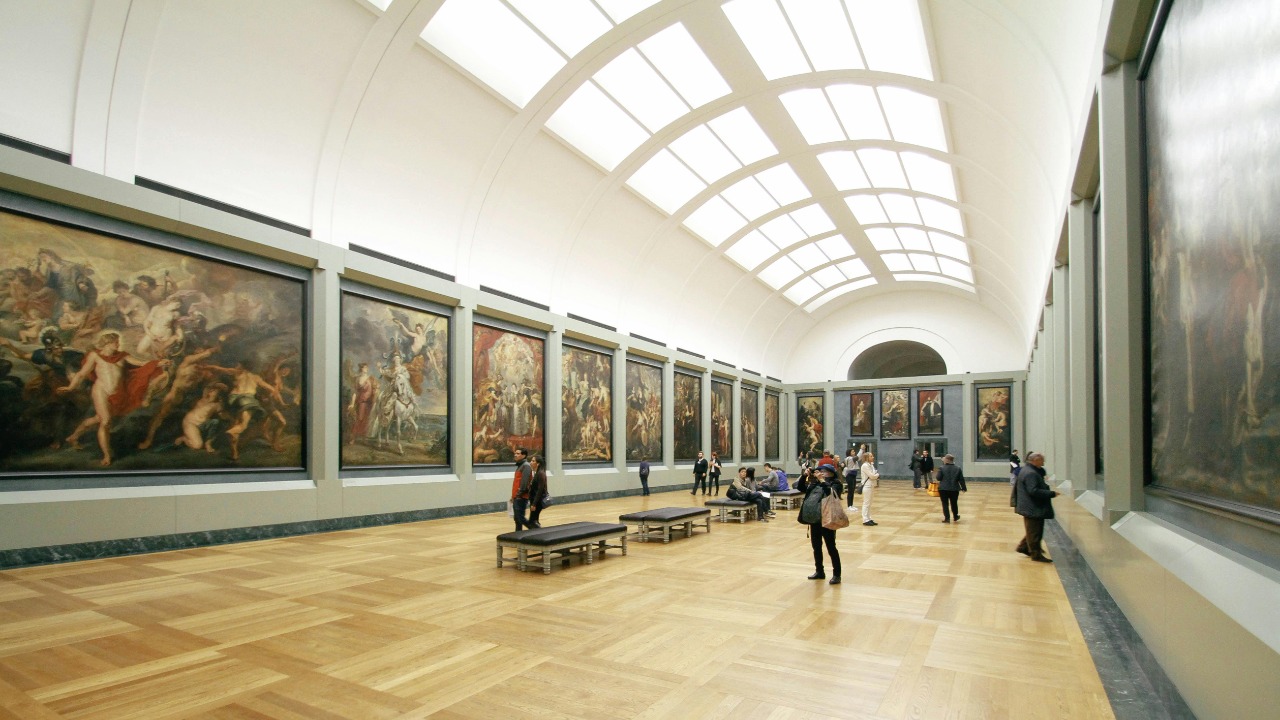
Investments in cultural and recreational amenities can enhance a city’s appeal and livability. As new parks, museums, theaters, and sports facilities emerge, they attract residents and tourists alike. This expansion can lead to increased demand for housing and rising property values. Monitoring local news and community development plans can provide insights into upcoming projects. Cities like Dubai have seen significant growth due to such investments.

Elias Broderick specializes in residential and commercial real estate, with a focus on market cycles, property fundamentals, and investment strategy. His writing translates complex housing and development trends into clear insights for both new and experienced investors. At The Daily Overview, Elias explores how real estate fits into long-term wealth planning.

