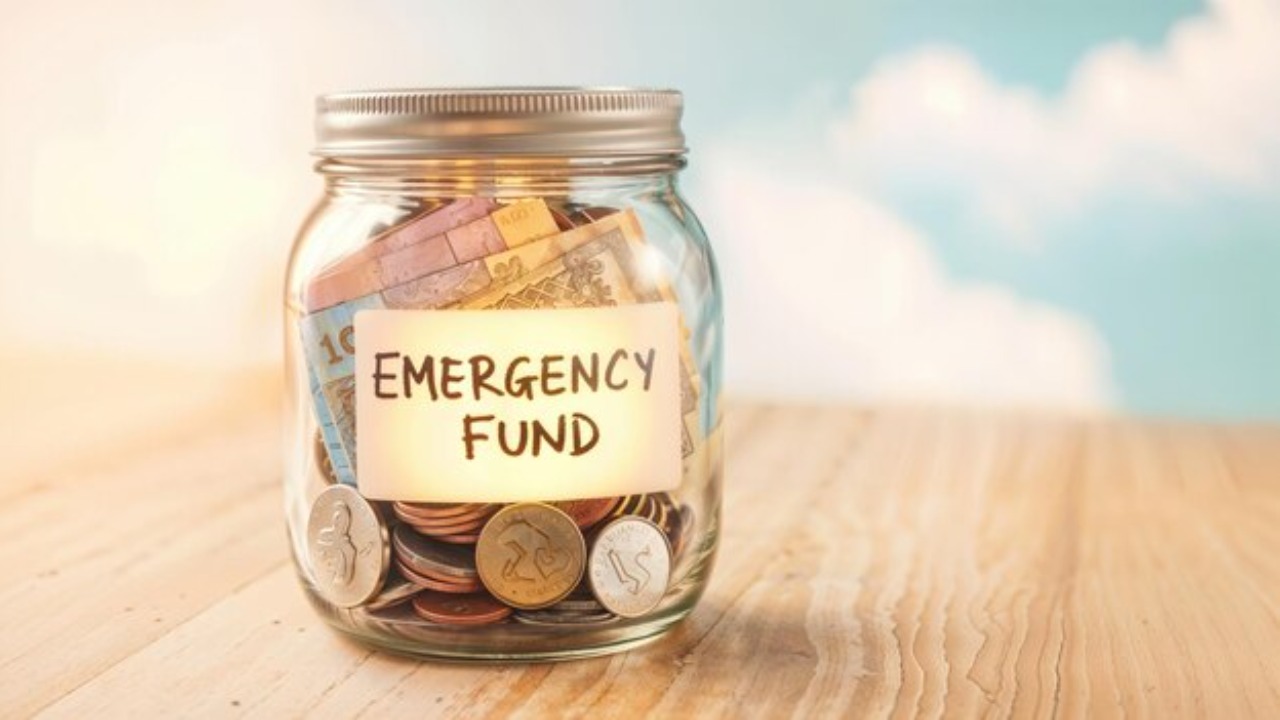
Having a reliable emergency fund is crucial for financial stability. It can help you navigate unexpected expenses without derailing your financial goals. Follow these ten steps to build your emergency fund quickly and effectively.
1. Assess Your Current Financial Situation

Before you begin, it’s essential to understand your current financial standing. List your assets, liabilities, income, and expenses. This will give you a clear picture of where you stand and how much you can realistically save. Assessing your financial situation helps you identify areas that need improvement, allowing you to make informed decisions.
If you’re unsure where to start, consider using tools or consulting with a financial advisor. For more guidance, explore this comprehensive guide on building an emergency fund.
2. Set a Realistic Savings Goal

Setting a realistic savings goal is crucial for motivation and progress. Determine how much you need in your emergency fund by considering three to six months’ worth of living expenses. Your goal should be specific, measurable, and achievable within a reasonable timeframe. Having a clear target will help you stay focused and track your progress.
If you need help calculating your savings goal, explore this resource on emergency fund planning.
3. Create a Budget Plan

Creating a budget plan is essential for managing your income and expenses. Start by categorizing your spending and allocating a portion of your income specifically for savings. This will help you prioritize your emergency fund without compromising your other financial obligations. A well-structured budget can reveal areas where you can cut back, making it easier to save more
. Consider using budgeting apps or spreadsheets to keep track of your progress.
4. Identify and Cut Unnecessary Expenses

Review your spending habits and identify unnecessary expenses that can be reduced or eliminated. This might include dining out less often, canceling unused subscriptions, or opting for more affordable alternatives. Small changes can accumulate over time, significantly boosting your savings potential.
Cutting back on non-essential expenses frees up more money to put toward your emergency fund. For more tips on effective budgeting, check out this guide on building wealth.
5. Automate Your Savings

Automating your savings is an effective way to ensure consistent contributions to your emergency fund. Set up automatic transfers from your checking account to your savings account on a regular basis. This minimizes the temptation to spend and ensures that saving becomes a priority.
Automation also provides a sense of discipline, making it easier to reach your savings goals over time. Consider setting up weekly or monthly transfers, depending on your financial situation.
6. Increase Your Income

Boosting your income can significantly accelerate your emergency fund growth. Consider taking on a part-time job, freelancing, or pursuing side gigs that align with your skills. Increasing your income not only provides extra funds for savings but also enhances your financial resilience.
Be mindful of balancing additional work with your existing commitments. For creative ways to increase your income, explore this resource on short-term investments.
7. Sell Unused Items

Declutter your home and sell items you no longer need or use. Platforms like eBay, Craigslist, and Facebook Marketplace can help you turn unwanted items into cash. Selling unused items not only boosts your savings but also helps you organize your living space.
This approach is a quick and effective way to raise extra money for your emergency fund. Regularly reassess your belongings to identify items that can be sold.
8. Reduce Debt Obligations

Reducing debt obligations frees up more money for savings. Focus on paying down high-interest debts first, such as credit card balances, to minimize interest payments. Consider consolidating or negotiating better terms with creditors to lower your monthly payments.
Reducing debt not only enhances your financial health but also allows you to allocate more funds to your emergency savings. For strategies on managing debt, consider consulting financial experts or resources.
9. Take Advantage of Windfalls

When you receive unexpected windfalls like tax refunds, bonuses, or gifts, allocate a portion to your emergency fund. Windfalls can significantly boost your savings without affecting your regular income. Prioritizing savings when you receive extra money reinforces good financial habits and accelerates the growth of your fund.
Avoid the temptation to splurge and instead focus on building your financial security. For more insights, consider reviewing resources on financial preparedness.
10. Monitor and Adjust Your Plan Regularly

Regularly monitoring and adjusting your savings plan is essential for long-term success. Review your budget, expenses, and savings goals periodically to ensure you’re on track. Adjust your strategies as needed based on changes in your financial situation.
Staying proactive in managing your finances will help you adapt to unforeseen circumstances, ensuring your emergency fund remains robust. Consider setting reminders to review your plan monthly or quarterly for optimal results.
“`

Cole Whitaker focuses on the fundamentals of money management, helping readers make smarter decisions around income, spending, saving, and long-term financial stability. His writing emphasizes clarity, discipline, and practical systems that work in real life. At The Daily Overview, Cole breaks down personal finance topics into straightforward guidance readers can apply immediately.

