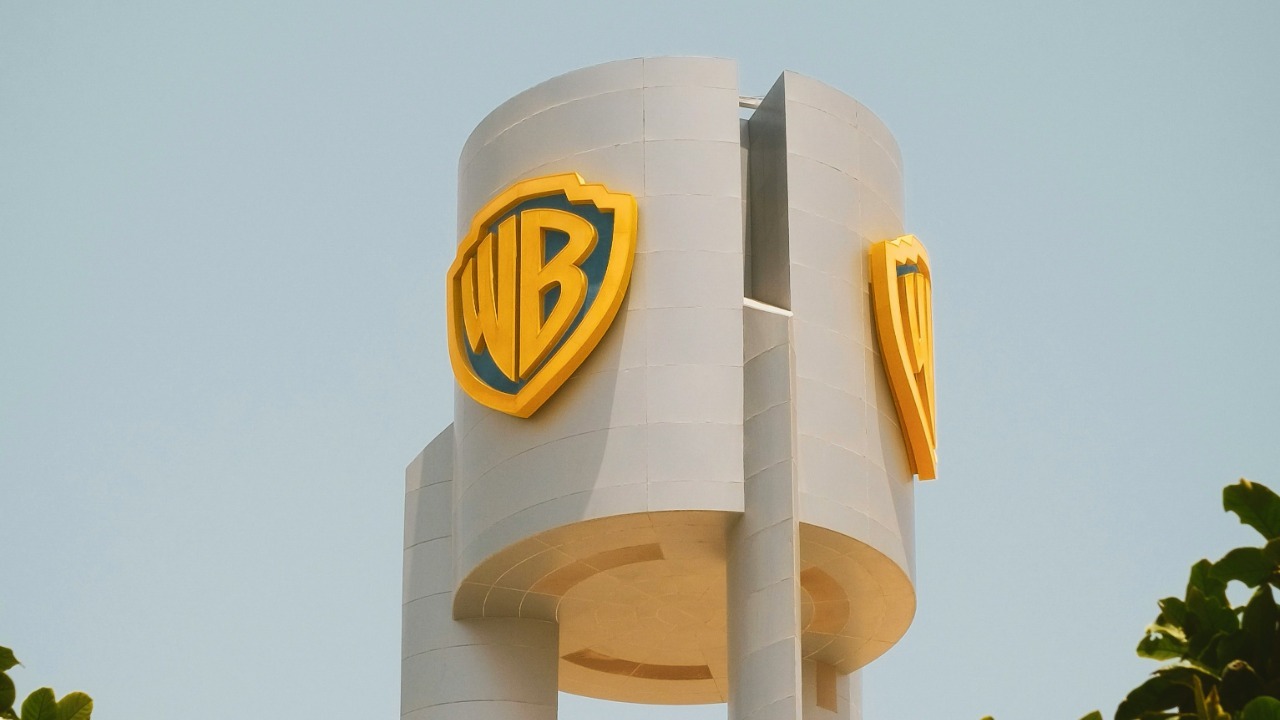
Paramount Skydance’s legal gambit to speed its fight with Warner Bros Discovery has hit a wall, and investors are already marking down the odds of a quick victory. After a federal judge declined to fast-track the case, PSKY stock slipped, signaling Wall Street’s concern that a drawn-out courtroom battle could complicate an already high-stakes contest for control of Warner Bros.
The setback lands at a delicate moment for Paramount Skydance, which is trying to convince shareholders and regulators that its strategy can unlock value in a consolidating media landscape. Instead of the swift resolution executives hoped for, the company now faces a slower, more uncertain timetable that could reshape the balance of power across streaming and traditional Hollywood studios.
The failed push to accelerate the Warner Bros fight
The core of the dispute is timing. Paramount Skydance went to court seeking to accelerate its lawsuit against Warner Bros Discovery, arguing that the issues at stake needed to be resolved before the market and rival bidders moved on. A federal judge in Jan refused that request, declining to fast-track the case and leaving the litigation on a more conventional schedule that could stretch for months rather than weeks. The decision undercut what had been a central tactical move in the company’s broader campaign to secure Warner Bros on favorable terms, and it signaled that the court was not prepared to bend normal procedure to accommodate dealmaking urgency from Paramount Skydance.
In practical terms, the ruling means that Paramount Skydance will have to prosecute its claims against Warner Bros Discovery on a slower track, even as the competitive landscape shifts around it. The company had already escalated the conflict earlier this month when, on January 12, it filed a separate lawsuit in the Delaware Court of Chancery, a venue known for handling complex corporate disputes. That filing underscored how aggressively the company is pursuing its rights in the Warner Bros saga, but the refusal to accelerate the federal case blunts some of that momentum and leaves Warner Bros Discovery with more breathing room to manage its own merger and defense strategy in court.
Inside the courtroom setback and the judge’s stance
From a legal perspective, the judge’s decision to keep the case on a standard timetable reflects a reluctance to let corporate urgency dictate judicial process. In a hearing that featured arguments over how quickly the dispute should move, the court declined to give Paramount Skydance the expedited schedule it wanted, even as the company framed the case as central to the future of Warner Bros Discovery. The ruling effectively told both sides that the court would not be rushed, a message that weakens Paramount Skydance’s leverage and strengthens Warner Bros Discovery’s ability to wait out its rival while continuing to pursue its own merger plans in the merger fight.
The judge’s stance also has implications for the tender offer strategy associated with the Warner Bros campaign. The David Ellison Company, which is closely tied to Paramount Skydance’s ambitions, has already indicated it will extend its tender offer in light of the slower legal schedule, a move that acknowledges the reality that shareholders will not have judicial clarity as quickly as originally planned. That extension buys time but also prolongs uncertainty, and it forces Paramount Skydance to keep capital and management attention tied up in a contested deal while competitors like Netflix and other streaming players continue to invest and expand. The court’s refusal to accelerate the case therefore reverberates far beyond the docket, shaping how long this takeover battle can drag on before fatigue sets in among investors and executives aligned with Paramount Skydance.
Market reaction: PSKY stock edges lower
Investors did not wait long to register their verdict on the legal setback. Shares of Paramount Skydance Corp, which trades on NASDAQ under the ticker PSKY, edged lower after the news that the company had lost its bid to fast-track the Warner Bros case. The dip was modest rather than catastrophic, but it reflected a clear reassessment of the near-term risk profile for PSKY, as traders priced in the likelihood of higher legal costs, a longer path to any potential deal closing, and the possibility that Warner Bros Discovery could use the extra time to rally its own shareholders and partners. The move also contrasted with the steadier performance of Warner Bros Discovery stock in the same window, suggesting that the market saw the ruling as a relative win for Warner Bros.
For PSKY holders, the stock’s reaction is a reminder that legal strategy and share price are tightly linked in contested media deals. A fast-track schedule might have delivered a binary outcome sooner, which some event-driven investors prefer, but the slower pace now introduces a wider range of scenarios and timelines. It also raises questions about opportunity cost: capital tied up in PSKY could have been deployed elsewhere in the sector, where companies like Netflix, Disney, and regional streamers are making their own moves. While the precise intraday swings are best tracked through tools such as Google Finance, the direction of travel is clear enough. The market is signaling that the path to value creation at Paramount Skydance just became more complicated, and that the company will have to work harder to persuade investors that the Warner Bros strategy still justifies the risk.
A $100 billion streaming war in the background
The courtroom drama is only one front in what has become a sprawling contest for dominance in global streaming. Paramount Skydance is not just fighting Warner Bros Discovery in court, it is also locked in a broader commercial struggle with Netflix that some observers value at around $100 billion when the full scope of assets and potential synergies are considered. The conflict reached a new intensity earlier this month when Paramount Skydance filed its lawsuit in the Delaware Court of Chancery, a move that signaled its willingness to use every available tool to secure a premium position in the streaming hierarchy. That filing came as Netflix continued to invest heavily in original content, international expansion, and advertising-supported tiers, all of which raise the stakes for any company trying to match its scale and subscriber engagement in the streaming war.
In that context, the failed attempt to fast-track the Warner Bros case looks even more consequential. Every month that passes without resolution is a month in which Netflix can widen its lead, while Paramount Skydance remains preoccupied with litigation and deal mechanics. The company’s strategy appears to hinge on assembling a portfolio that can rival Netflix’s breadth, with Warner Bros Discovery’s film and television library seen as a critical piece of that puzzle. Yet the longer the process drags on, the more room there is for alternative scenarios, including rival bids, regulatory pushback, or shifts in consumer behavior that favor different business models. For now, the $100 billion figure attached to this contest serves as a rough measure of what is at stake, not just for the companies directly involved but for the entire ecosystem of producers, talent, and distributors that depend on a stable, profitable streaming marketplace.
What the loss means for Paramount Skydance’s next moves
Strategically, losing the bid to accelerate the case forces Paramount Skydance to recalibrate. Without the pressure of an expedited schedule, Warner Bros Discovery can negotiate from a stronger position, and any settlement or restructuring of the deal will likely reflect that shift in leverage. Paramount Skydance must now decide how aggressively to pursue its claims in both federal court and the Delaware Court of Chancery, balancing the desire to protect its interests with the risk of appearing litigious or overextended. The involvement of figures like Erik Gruenwedel in chronicling the twists of this saga underscores how closely industry insiders are watching each procedural move, and how each ruling feeds into a broader narrative about whether Paramount Skydance can execute on its ambitions in Warner Bros campaign.
More From TheDailyOverview

Grant Mercer covers market dynamics, business trends, and the economic forces driving growth across industries. His analysis connects macro movements with real-world implications for investors, entrepreneurs, and professionals. Through his work at The Daily Overview, Grant helps readers understand how markets function and where opportunities may emerge.

