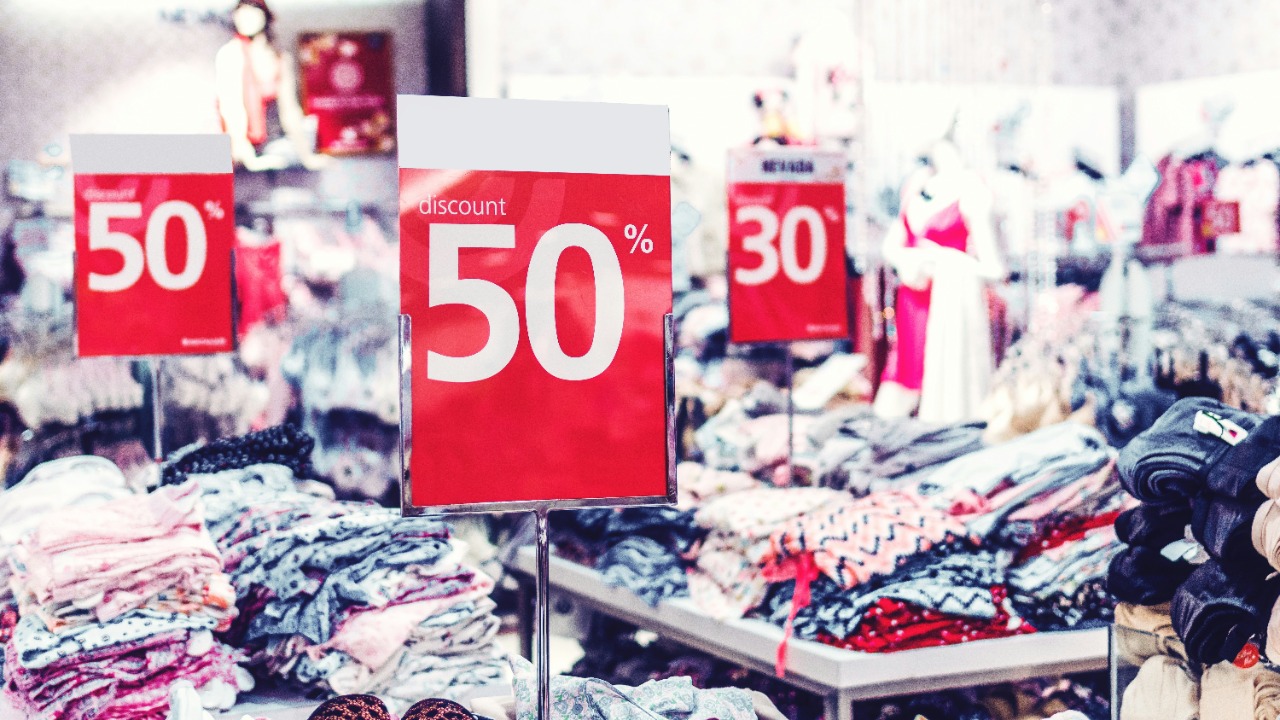
Retailers know shoppers are hunting for bargains, so many quietly nudge prices up in the weeks before Black Friday, then advertise “huge” markdowns. By looking closely at current reporting on December price jumps, early tech promotions and survey data on misleading discounts, I can pinpoint the categories most likely to spike just before the sales banners go up. Here are 10 types of products that often get more expensive in the run-up to Black Friday, along with the evidence and what that means for your wallet.
1) Holiday essentials for December stocking
Holiday essentials for December stocking are among the clearest examples of items that jump in price right before Black Friday. Recent coverage of December price jump warnings singles out everyday goods that are expected to cost more as the calendar flips, from pantry staples to seasonal supplies. The logic is simple, retailers anticipate heavier demand in December and adjust prices upward in advance, which means shoppers who wait for late-season promotions may be paying more even after a “discount.”
For consumers, the stakes are highest on items you know you will use, such as baking ingredients, gift wrap and household basics that tend to run low during the holidays. Buying those products before the pre-December adjustments lock in higher shelf prices can matter more than chasing a flashy Black Friday percentage-off sign. In effect, stocking up early can be a more reliable form of savings than hoping a doorbuster will offset a quiet price hike.
2) Professional-grade holiday decorations
Professional-grade holiday decorations also tend to see price pressure ahead of Black Friday, precisely because they are in such high demand once sales begin. Reporting on what pro holiday decorators are eager to buy highlights premium artificial trees, commercial-quality string lights and large-scale outdoor displays as key targets. When experts are waiting for Black Friday to upgrade these items, retailers have every incentive to set a higher “original” price in the weeks before, then promote a dramatic markdown.
For homeowners, that pattern means the pre-sale price you see on a deluxe wreath or programmable light set may already be inflated to make the Black Friday discount look bigger. The result is that even a seemingly steep percentage off can leave you paying close to, or even above, what the item cost earlier in the season. Shoppers who track prices over several weeks are better positioned to tell whether a decorating deal is genuinely rare or just a dressed-up version of the regular tag.
3) Overall Black Friday spending forecasts
Overall Black Friday spending forecasts help explain why so many categories experience price jumps before the event. Current Black Friday Sales Statistics (2025) outline expectations for rising transaction volumes and higher average order values, signaling that retailers anticipate robust demand. When forecasts point to strong spending, many chains respond by tightening margins in advance, lifting list prices so they can afford to advertise aggressive promotions later without sacrificing profits.
This dynamic affects everything from electronics to clothing, because the projected surge in Black Friday traffic gives retailers leverage. If shoppers are primed to buy regardless, a higher starting price can go unnoticed once a discount label is attached. For consumers, understanding that forecasts of booming sales often precede quiet price inflation is crucial, since it means the “deal” you see may be anchored to a number that was padded weeks earlier.
4) High-end tech gadgets like TVs and laptops
High-end tech gadgets like TVs and laptops are classic examples of products that spike in price before Black Friday, then reappear as headline deals. Coverage of the best Black Friday deals already highlights early markdowns on big-screen televisions, gaming laptops and premium headphones. Those early promotions are only possible if retailers have room to cut, which often comes from raising or holding list prices higher in the weeks leading up to the sale period.
Shoppers see this in practice when a 65-inch TV that quietly crept up in price in October suddenly appears with a large percentage-off badge in late November. The sticker shock is softened by the discount, but the net price may be similar to, or only slightly below, what careful buyers could have paid earlier. For anyone planning a major tech purchase, tracking model-specific prices over time is one of the few ways to avoid overpaying during the hype.
5) Discounted apparel and home goods in surveys
Discounted apparel and home goods are central to survey findings that many Black Friday offers are not as generous as they appear. A recent consumer study on survey shows results reports that a large share of promoted deals had been available at the same or lower prices earlier in the year. Clothing, bedding and small home accessories were among the categories where “special” Black Friday discounts often followed earlier price increases or simply matched previous sale levels.
The implication is that retailers sometimes raise or maintain higher prices in the run-up to November, then frame routine markdowns as once-a-year opportunities. For shoppers, this matters because apparel and home goods are easy impulse buys, especially when bundled into limited-time offers. Without a baseline for comparison, it is difficult to see that a 40 percent discount may be anchored to a price that was quietly inflated just weeks before.
6) Electronics from Singapore top retailers
Electronics from Singapore top retailers illustrate how regional markets also experience pre-Black Friday price shifts. Coverage of Black Friday 2025 in Singapore notes that major chains have early sales already live, particularly on laptops, smartphones and accessories. When early promotions appear this far ahead of the main event, it suggests that standard prices were set with room for markdowns, which often means higher tags in the weeks before the first “sale” banners went up.
For consumers in Singapore, the stakes are heightened by currency fluctuations and import costs that can make electronics pricing especially volatile. Retailers can use early Black Friday branding to justify modest cuts that still leave margins intact after pre-sale increases. Shoppers who compare prices across regional and global sites can sometimes spot when a local “deal” is actually more expensive than the same model sold elsewhere, even after the advertised discount.
7) Gaming consoles and accessories predictions
Gaming consoles and accessories are another category where pre-Black Friday price jumps are likely, especially when analysts predict strong demand. Current coverage of Black Friday 2025 predictions points to expectations of more deals on consoles, controllers and popular game bundles as the season progresses. When retailers know that shoppers are waiting for those specific items, they have a clear incentive to keep list prices elevated until the promotional window opens.
For players hoping to pick up a new console or limited-edition accessory, that means the “before” price used to calculate a discount may not reflect the lowest level seen earlier in the year. Bundles that combine hardware with games or subscriptions can be particularly opaque, since the individual components may have fluctuated in price. Careful buyers often benefit from tracking standalone prices for controllers, headsets and titles so they can judge whether a bundle is truly a bargain or just a repackaged markup.
8) Consumer electronics trend metrics
Consumer electronics trend metrics from broader Black Friday statistics reinforce the pattern of pre-event price inflation. The same Forecast & Trends data that highlights overall spending also points to electronics as a dominant share of Black Friday revenue. When a single category accounts for such a large slice of projected sales, retailers often fine-tune pricing weeks in advance, lifting baseline tags so that later discounts preserve profitability.
This matters for everything from tablets to smartwatches, because the headline discount percentage can obscure the fact that the “original” price was rarely charged for long. Trend metrics that show rising average selling prices alongside aggressive promotional calendars suggest that shoppers are effectively paying for part of the discount upfront. For consumers, recognizing that electronics are engineered around this cycle can encourage earlier purchases when prices quietly dip, rather than waiting for the loudest promotion.
9) Smart home devices in early deals
Smart home devices in early deals provide another window into how prices move before Black Friday. Reporting on the absolute best Black Friday deals already features discounts on smart speakers, video doorbells and connected thermostats. These early offers are framed as part of the Black Friday season, which implies that regular prices were set high enough to allow meaningful cuts weeks before the main event.
For shoppers, the key risk is assuming that waiting until the exact Black Friday date will always yield the lowest price on a smart display or security camera. In reality, early deals can sometimes match or beat later promotions, especially if retailers test different price points throughout November. Consumers who track specific models and compare early offers with historical pricing data are better equipped to spot when a “new” discount is simply recycling an earlier, less-publicized sale.
10) General retail items per survey insights
General retail items across categories round out the list, as survey insights show that many Black Friday discounts follow deliberate price increases beforehand. Research into why not as good as you think deals are so common found that a significant portion of promotions involved products that had been sold at lower prices earlier in the year. This pattern applied broadly, from kitchen appliances to toys, indicating that pre-event price hikes are not limited to a few niche categories.
For consumers, the broad scope of this behavior means skepticism is warranted whenever a discount is framed as exclusive to Black Friday. The survey evidence suggests that the real trick is often in the timing, with prices nudged up in the weeks before, then “slashed” back to familiar levels. Shoppers who rely on price history tools, email alerts and their own notes are far more likely to distinguish genuine bargains from theatrical markdowns built on earlier increases.
More From TheDailyOverview
- Dave Ramsey warns to stop 401(k) contributions
- 11 night jobs you can do from home (not exciting but steady)
- Small U.S. cities ready to boom next
- 19 things boomers should never sell no matter what

Cole Whitaker focuses on the fundamentals of money management, helping readers make smarter decisions around income, spending, saving, and long-term financial stability. His writing emphasizes clarity, discipline, and practical systems that work in real life. At The Daily Overview, Cole breaks down personal finance topics into straightforward guidance readers can apply immediately.

