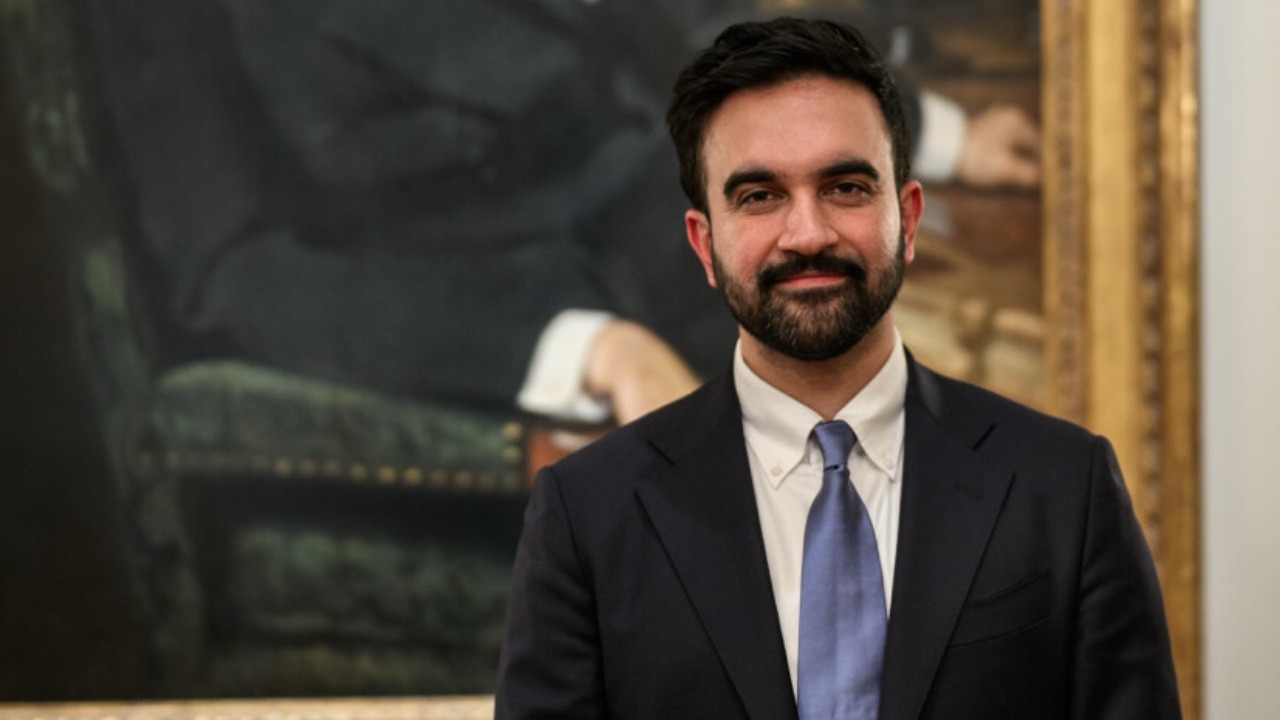
New York City’s new mayor, Zohran Mamdani, has staked his political brand on a sweeping four-year rent freeze for nearly one million regulated apartments. The promise taps into real pain for tenants, but it also collides with a property tax system that already leans heavily on multifamily buildings. If City Hall holds rents flat while costs keep rising, the pressure is likely to surface somewhere else, and higher NYC taxes on property owners are the most obvious release valve.
I see a clear risk that a policy sold as a break for renters could instead shift the bill onto small landlords, homeowners, and even future tenants through higher taxes and steeper increases on unprotected units. The numbers behind building expenses, and the quirks of the City’s tax code, suggest that Mamdani’s rent freeze could backfire by deepening inequities it was meant to solve.
The politics of a four-year freeze
Zohran Mamdani did not stumble into this fight; he won New York City’s Democratic mayoral primary after centering a four-year rent freeze as the defining promise of his campaign. As a Democratic standard-bearer, he framed the plan as a direct answer to spiraling housing costs and stagnant wages, arguing that nearly one million rent regulated households need immediate relief to stay in their neighborhoods. That message resonated in a city where renters outnumber owners and where housing insecurity has become a daily reality for working class families.
Once in office, Mayor Zohran Mamdani carried that pledge into City Hall, turning a campaign slogan into a governing test. His proposal would lock regulated rents in place even as buildings face rising bills for maintenance, labor, and debt service, a tradeoff that critics say was underplayed on the trail. Reporting on Zohran Mamdani has underscored that his political bet is not just about tenants, but about redefining who absorbs the financial shocks in New York City’s housing market.
How a freeze shifts costs inside buildings
The core economic problem is simple: if one side of a building’s ledger is frozen, the other side has to flex. Experts who have examined Mamdani’s plan warn that a four-year cap on regulated rents would push owners to recover rising expenses from the units that are not protected. One analysis of the proposal noted that when a landlord is barred from raising rents on roughly half the apartments in a building, the remaining units become the only place to recoup higher costs for heat, repairs, and financing. That is why critics argue that a rent freeze for some tenants would inevitably fuel hikes for others in the same property.
In practice, that means younger renters, newcomers, and anyone in market rate apartments could see steeper increases precisely because their neighbors are shielded. The City’s own rent stabilization framework already concentrates protections on long term tenants, and Mamdani’s plan would harden that divide. Reporting on the impact of a four-year freeze for nearly one million regulated apartments has highlighted how landlords would be pushed to load more of the burden onto unregulated units whenever cost increases hit the building.
Small landlords already on the brink
For large institutional owners, a rent freeze is a painful constraint; for small landlords, it can be existential. The operating budgets of smaller buildings are already stretched by rising taxes and insurance, and they lack the deep reserves or diversified portfolios that big firms use to ride out policy shocks. When I look at the data, the margin for error is thin: property taxes alone represent 29% of total operating expenses for many small owners, and those taxes recently rose by a precise 3.9%. At the same time, Insurance costs have not just crept up, they have skyrocketed 150% from 2019 to 2025, a surge that leaves little room to absorb frozen rents.
Those figures matter because they show how little slack is left in the system before owners start deferring maintenance or walking away. A blog focused on small landlords has warned that the combination of a rent freeze and rising fixed costs could push many over, especially in outer borough neighborhoods where buildings are older and incomes lower. When a boiler fails or a roof needs replacement, a landlord who cannot raise regulated rents and is already squeezed by 150% higher insurance premiums has few options beyond cutting corners or selling to a larger player.
From frozen rents to higher NYC taxes
The political appeal of a rent freeze rests on the idea that landlords can simply absorb the hit, but the City’s own tax practices suggest otherwise. New York City leans heavily on property taxes from rental and commercial buildings to fund services, and those assessments are already climbing. Recent reporting has shown that NYC property owners face a fresh tax hike at the same time Mamdani is pushing his freeze, with the City Department of Finance raising assessed values on retail buildings by 7.6%. That means owners are being squeezed from both sides, with capped income and rising tax bills.
In Jan, one account of the brewing backlash described how City homeowners and landlords are bracing for higher bills as Mamdani’s rent freeze pledge collides with the City’s revenue needs. A detailed look at NYC property owners found that many expect to pass at least part of those higher taxes onto tenants in unregulated units, or to cut back on building upgrades. When the City simultaneously freezes a major revenue stream for landlords and raises its own take, it is effectively shifting the cost of tenant relief onto a narrower base of owners and renters who are not covered by the freeze.
A broken tax system meets an ambitious mayor
The risk of unintended consequences is magnified by the fact that New York City’s property tax system was already widely viewed as unfair before Mamdani took office. The structure often taxes rental buildings at higher effective rates than owner occupied homes, even when the underlying property values are similar. One vivid example comes from a report that described how, Immediately next door to a multifamily building, a single family home worth $4.2 million pays just $12,200 in property tax, which works out to only 0.3% of its value. That same account emphasized that the $4.2 m figure is not a typo, it is a snapshot of how skewed the system has become.
Layering a rent freeze on top of that inequity risks deepening the divide between favored and disfavored property classes. Multifamily owners who already shoulder a disproportionate share of the tax burden could see their effective rates rise further if the City leans on them to finance tenant protections. A discussion among New Yorkers about how New York’s property is broken has raised the question of whether Mamdani will tackle that imbalance or simply rely on it to fund his agenda. Without structural reform, the rent freeze risks locking in a world where some of the most valuable homes in the city remain lightly taxed while older rental buildings carry both frozen rents and rising bills.
More From TheDailyOverview
*This article was researched with the help of AI, with human editors creating the final content.

Grant Mercer covers market dynamics, business trends, and the economic forces driving growth across industries. His analysis connects macro movements with real-world implications for investors, entrepreneurs, and professionals. Through his work at The Daily Overview, Grant helps readers understand how markets function and where opportunities may emerge.

