
Being a cheapskate often gets a bad rap, but there are plenty of times when being frugal is not only smart but also financially rewarding. From saving on everyday expenses to making strategic financial decisions, these ten scenarios highlight when pinching pennies can lead to significant savings.
Ditching Takeout for Home Meals

According to a NerdWallet study from 2023, the average American household spends a staggering $1,896 annually on takeout and delivery food. By opting to cook at home, families can cut this expense by half, saving over $900 each year. This shift not only benefits your wallet but also allows for healthier meal choices and the opportunity to bond over cooking. In an era where convenience often trumps cost, taking the time to prepare meals at home can be a rewarding and economical choice.
Opting for Store-Brand Groceries

Switching to generic store-brand groceries can be a game-changer for your budget. A Consumer Reports analysis from 2022 found that this simple change can save shoppers up to 30% on their annual food budget. For a typical family of four, this translates to a savings of $600 per year. Store brands often offer comparable quality to name brands, making them a savvy choice for budget-conscious consumers. Embracing these alternatives can significantly reduce grocery bills without sacrificing quality.
Paying Off Credit Cards Monthly

The Federal Reserve’s 2021 Survey of Consumer Finances highlights the financial burden of credit card debt, with households paying an average of $1,168 in interest fees annually. By paying off credit card balances each month, consumers can avoid these costly fees. This practice not only saves money but also helps improve credit scores over time. For those looking to maintain financial health, prioritizing debt repayment is a crucial step toward achieving long-term financial stability.
Carpooling or Using Public Transit
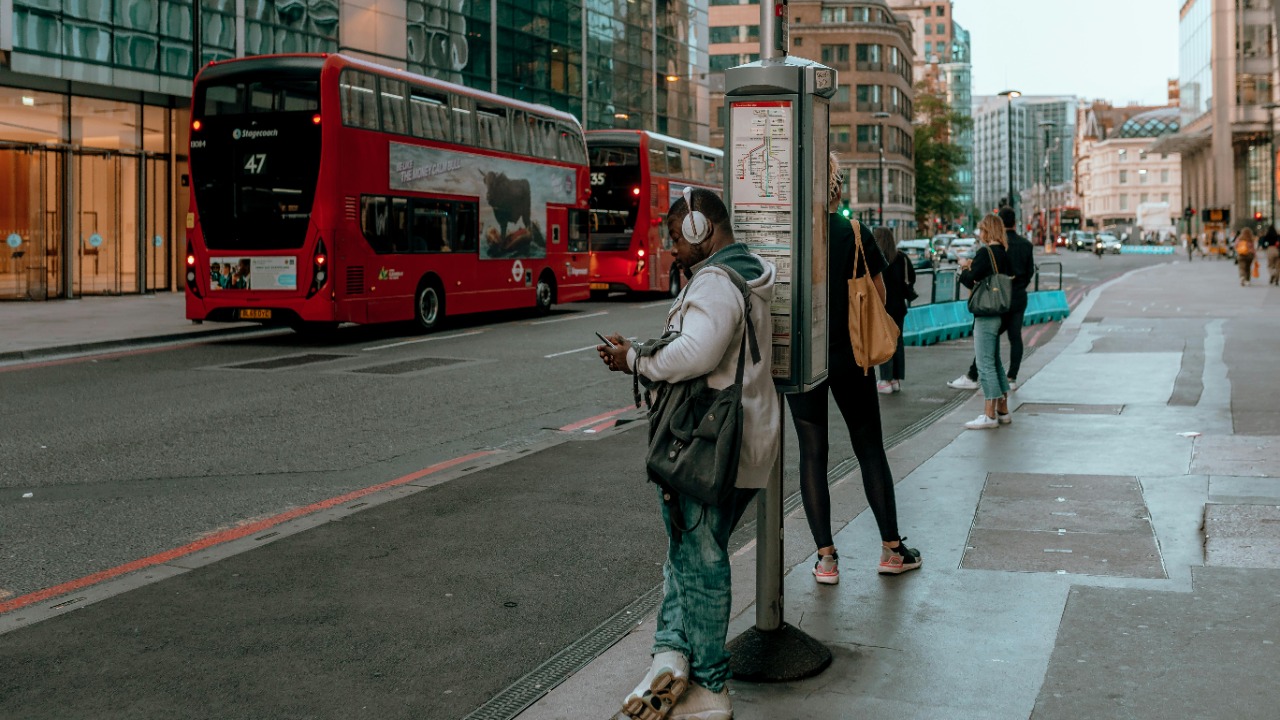
A Bankrate survey from 2023 reveals that the average commuter spends $2,500 annually on gas for a 20-mile daily round trip. By carpooling or using public transit, commuters can cut this expense by 40%, saving approximately $1,000 each year. This not only reduces personal transportation costs but also contributes to environmental sustainability by decreasing carbon emissions. Embracing alternative commuting options can lead to substantial savings and a smaller carbon footprint.
Starting Retirement Savings Early

Delaying retirement savings can have significant financial repercussions. According to a Fidelity Investments report from 2022, waiting until age 40 to start saving can cost workers an average of $100,000 in compound interest over a 25-year career, assuming a 7% annual return. Starting early allows savers to take full advantage of compound interest, maximizing their retirement funds. This foresight ensures a more secure financial future and reduces the stress of playing catch-up later in life.
Unplugging Standby Appliances
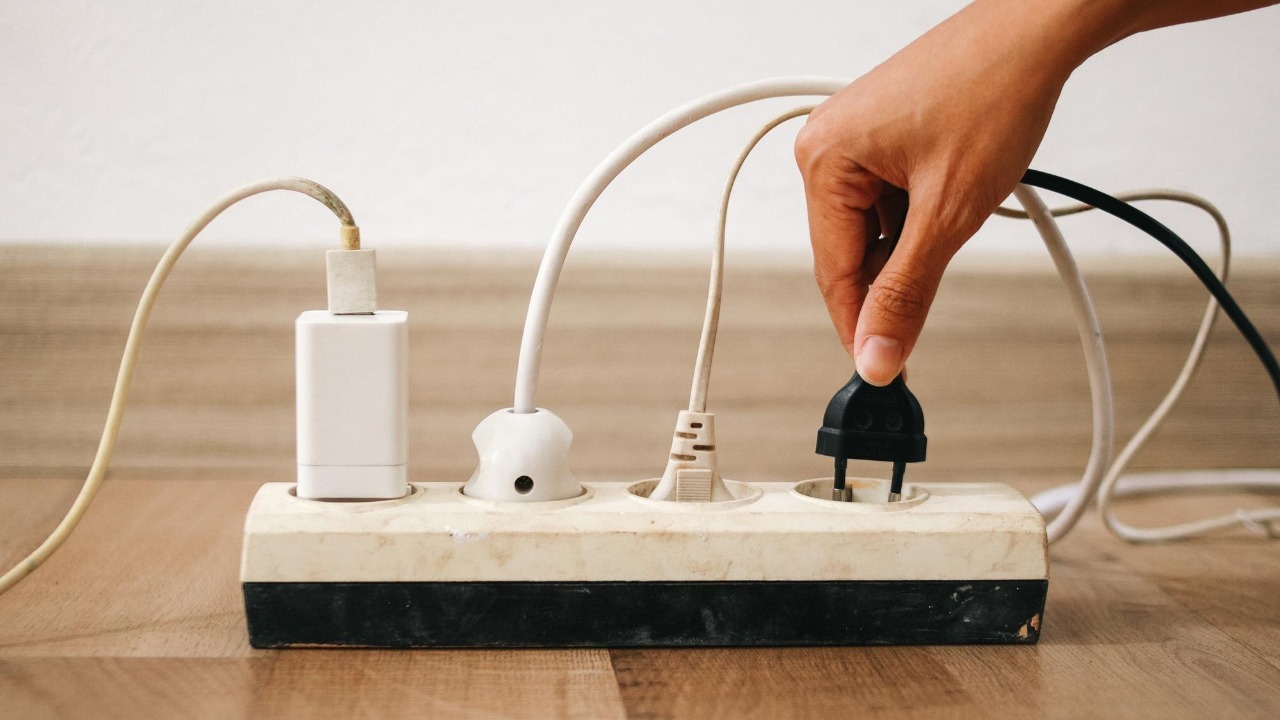
The U.S. Energy Information Administration’s 2023 data shows that households waste an average of $200 annually on unused electricity from standby appliances. By simply unplugging devices when not in use, consumers can eliminate this unnecessary expense. This small change not only lowers electricity bills but also promotes energy conservation. In a world increasingly focused on sustainability, reducing energy waste is both an economical and environmentally friendly choice.
Avoiding Checkout Impulse Buys

Impulse buys at checkout aisles can significantly inflate grocery bills. A Nielsen study from 2021 found that these purchases account for 20% of supermarket spending, or about $400 annually per shopper. By sticking to a shopping list, consumers can avoid these unnecessary expenses. This disciplined approach not only saves money but also encourages mindful spending habits. In an age of consumerism, resisting impulse buys is a powerful way to maintain control over personal finances.
Skipping Real Estate Agents for Home Buying

First-time homebuyers can save a substantial amount by forgoing real estate agents. The National Association of Realtors’ 2023 Profile of Home Buyers indicates that buyers who skip agents save an average of 6% on closing costs, or $18,000 on a $300,000 home. While navigating the home-buying process independently requires effort, the financial rewards can be significant. This approach empowers buyers to take charge of their real estate transactions and maximize their investment.
Canceling Unused Subscriptions

Subscription services can quickly add up, especially when left unused. A Mintel report from 2022 found that the average user spends $240 per year on unused plans. By regularly reviewing and canceling unnecessary subscriptions, consumers can reclaim this money. This practice not only reduces monthly expenses but also encourages mindful consumption. In a digital age filled with subscription options, staying vigilant about active services is key to maintaining a balanced budget.
Maintaining Proper Tire Pressure
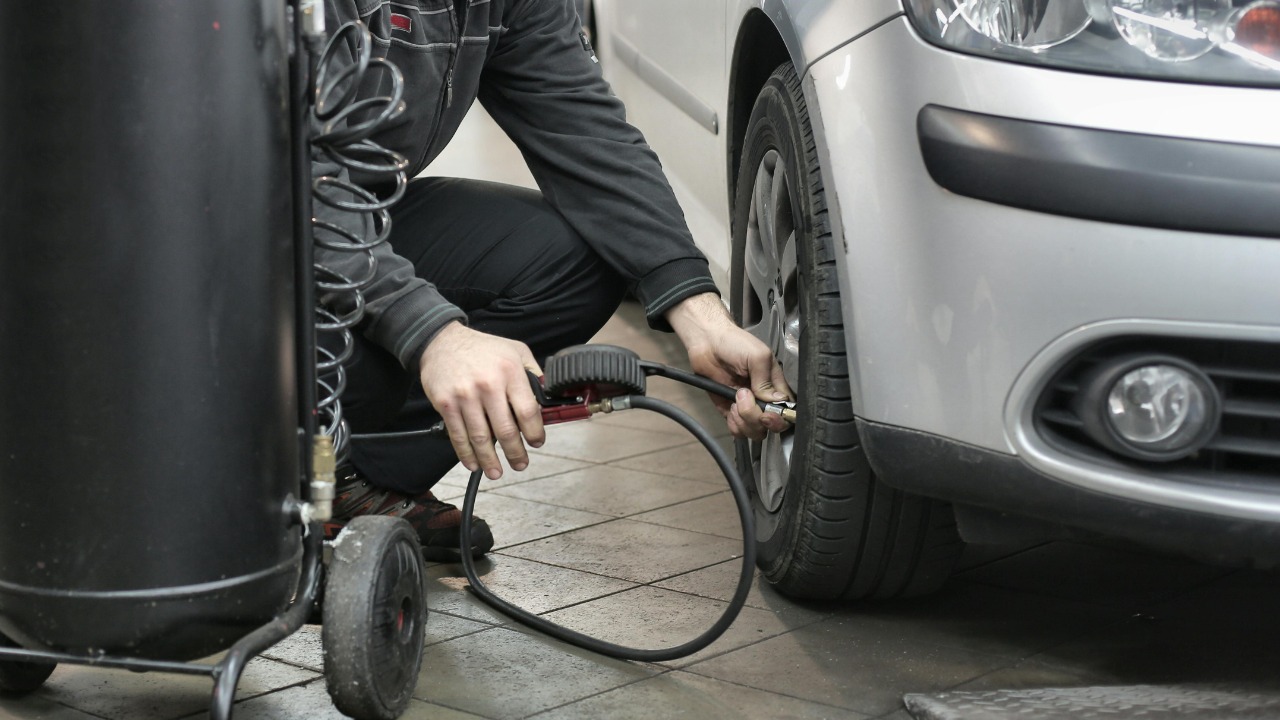
Proper tire maintenance can lead to significant savings on fuel costs. The U.S. Department of Transportation’s 2023 data indicates that maintaining tires at 32 PSI improves fuel efficiency by 3%, saving drivers $50 annually on a 12,000-mile commute. This simple maintenance task not only extends the life of tires but also enhances vehicle performance. For drivers looking to cut costs and improve safety, keeping tires properly inflated is a straightforward and effective strategy.

Cole Whitaker focuses on the fundamentals of money management, helping readers make smarter decisions around income, spending, saving, and long-term financial stability. His writing emphasizes clarity, discipline, and practical systems that work in real life. At The Daily Overview, Cole breaks down personal finance topics into straightforward guidance readers can apply immediately.

