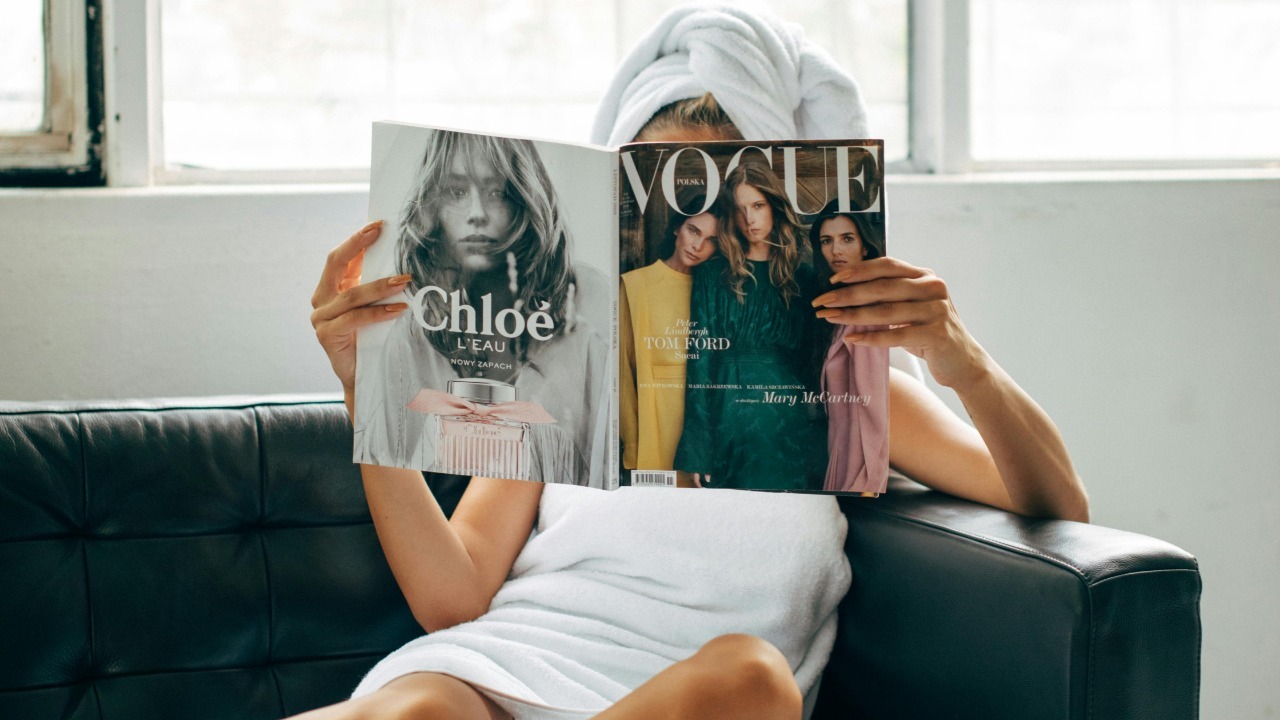
Fashion trends often reflect personal style and societal shifts, yet some trends are quietly mocked by the wealthy. These elites, often rooted in old money traditions, have distinct preferences that differ from mainstream fashion. Here, we explore 13 fashion trends that, according to experts, the wealthy secretly deride.
Logo Overload Outfits
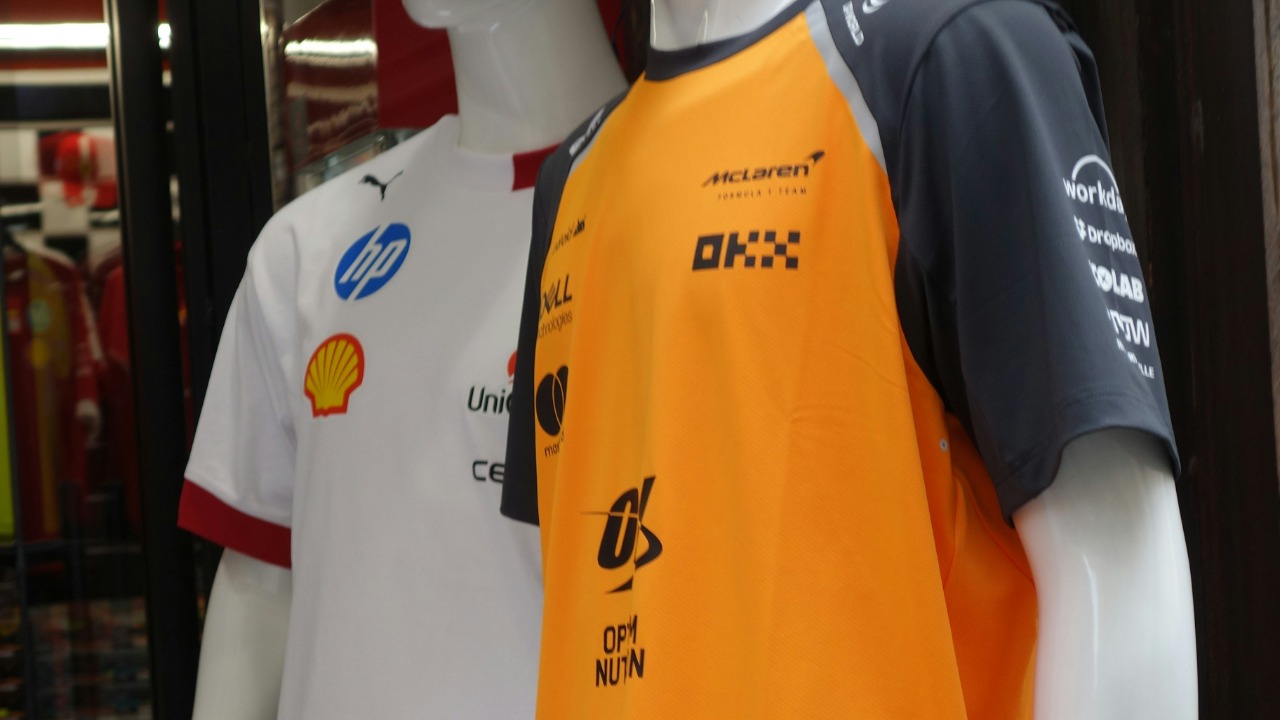
Old money circles tend to cringe at outfits plastered with logos, viewing them as a sign of insecurity rather than quiet luxury. According to a 2023 article by Vanessa Friedman in The New York Times, the wealthy prefer subtlety and sophistication over overt branding. This preference underscores a desire for timeless elegance rather than fleeting trends. The disdain for logo-heavy fashion highlights a broader cultural divide between those who seek status through brand visibility and those who value understated refinement.
Fast Fashion Hauls

The ultra-wealthy often mock fast fashion hauls from brands like Shein, dismissing them as ‘disposable trash’ that screams a lack of taste. In a 2024 Harper’s Bazaar interview with stylist Karla Welch, this sentiment is echoed, emphasizing the preference for quality over quantity. The criticism of fast fashion reflects concerns about sustainability and the environmental impact of disposable clothing. For the wealthy, investing in fewer, high-quality pieces is a hallmark of true style and responsibility.
Athleisure at Formal Events
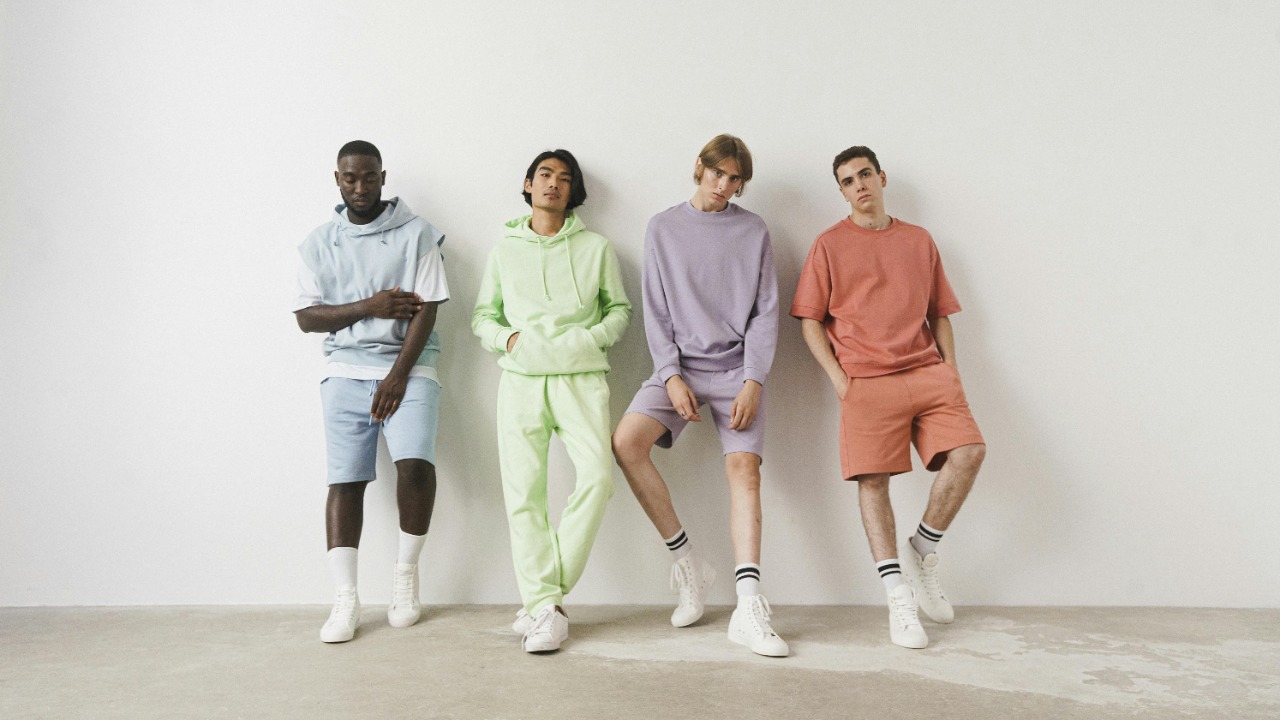
Wearing athleisure to formal events is ridiculed by elites as ‘gym-to-gala laziness,’ according to society insider Plum Sykes in a 2022 Vanity Fair piece. This trend, which blends comfort with style, is seen as inappropriate for occasions that traditionally demand more formal attire. The wealthy’s disdain for athleisure at formal events underscores their commitment to maintaining decorum and tradition in social settings, where appearance is a reflection of respect for the occasion.
Designer Dupes and Knockoffs
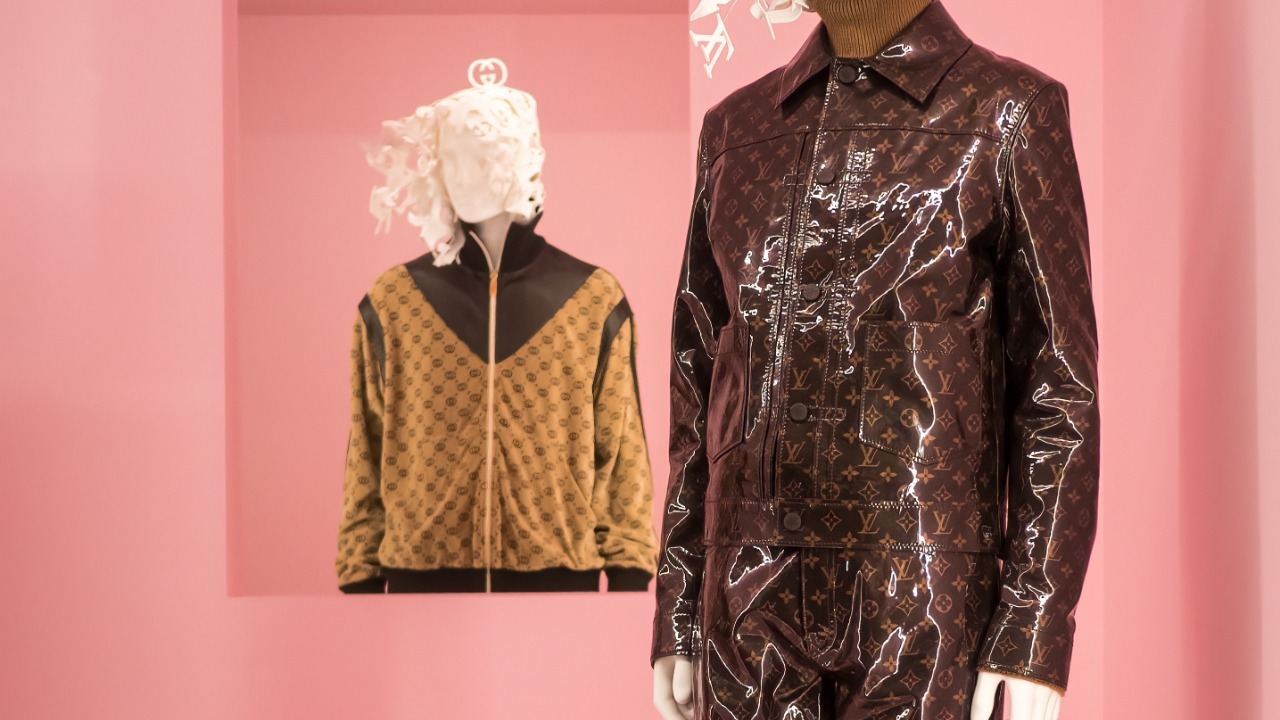
High society laughs at designer dupes and knockoffs, labeling them as ‘poor man’s fakes’ that lack authenticity. As curator Hamish Bowles notes in a 2023 Vogue report, authenticity and originality are prized among the elite. This mockery reflects a broader cultural value placed on genuine craftsmanship and the unique stories behind luxury items. For the wealthy, owning an original piece is about more than status; it’s about appreciating the artistry and heritage of fashion.
Chunky Dad Sneakers
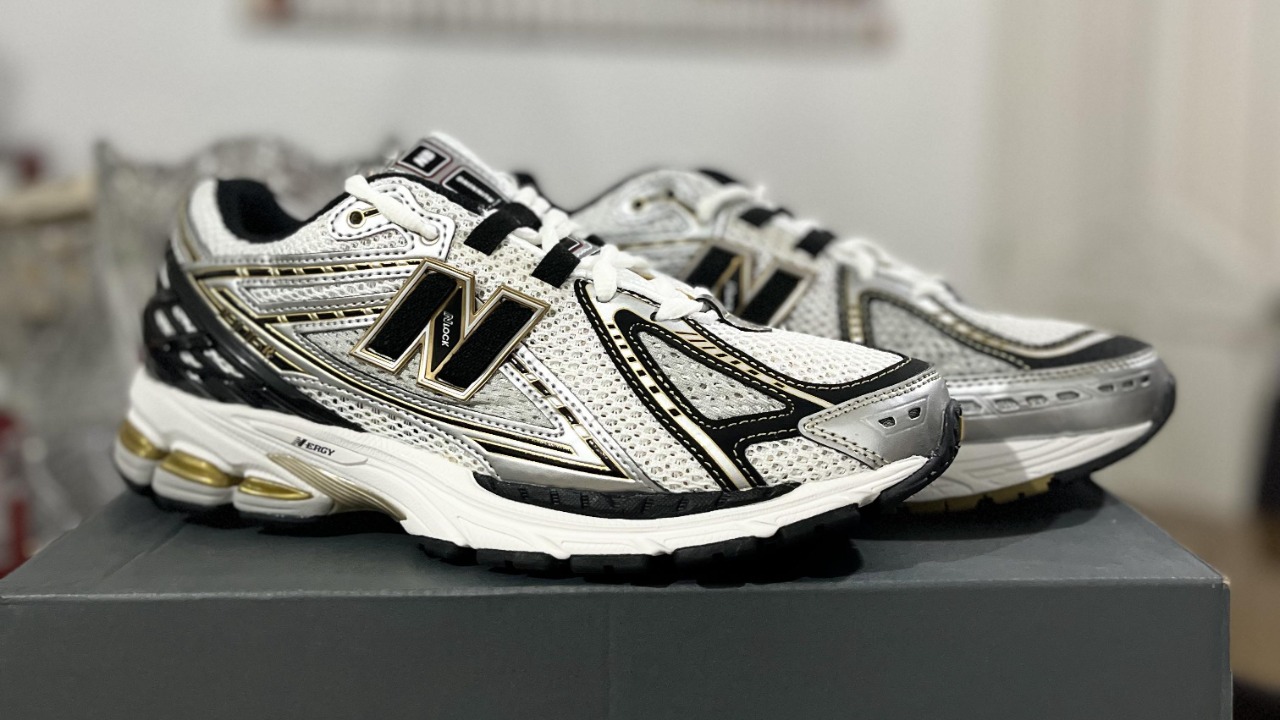
Trendy sneakers, particularly chunky dad shoes, are dismissed by the rich as ‘clown footwear’ unfit for elegance. This sentiment, captured in a 2021 Elle expert panel, highlights a preference for classic footwear that complements rather than dominates an outfit. The wealthy’s aversion to such sneakers underscores their commitment to timeless style over transient trends. This preference reflects a broader appreciation for fashion that enhances rather than distracts from the wearer’s overall appearance.
Over-the-Top Streetwear
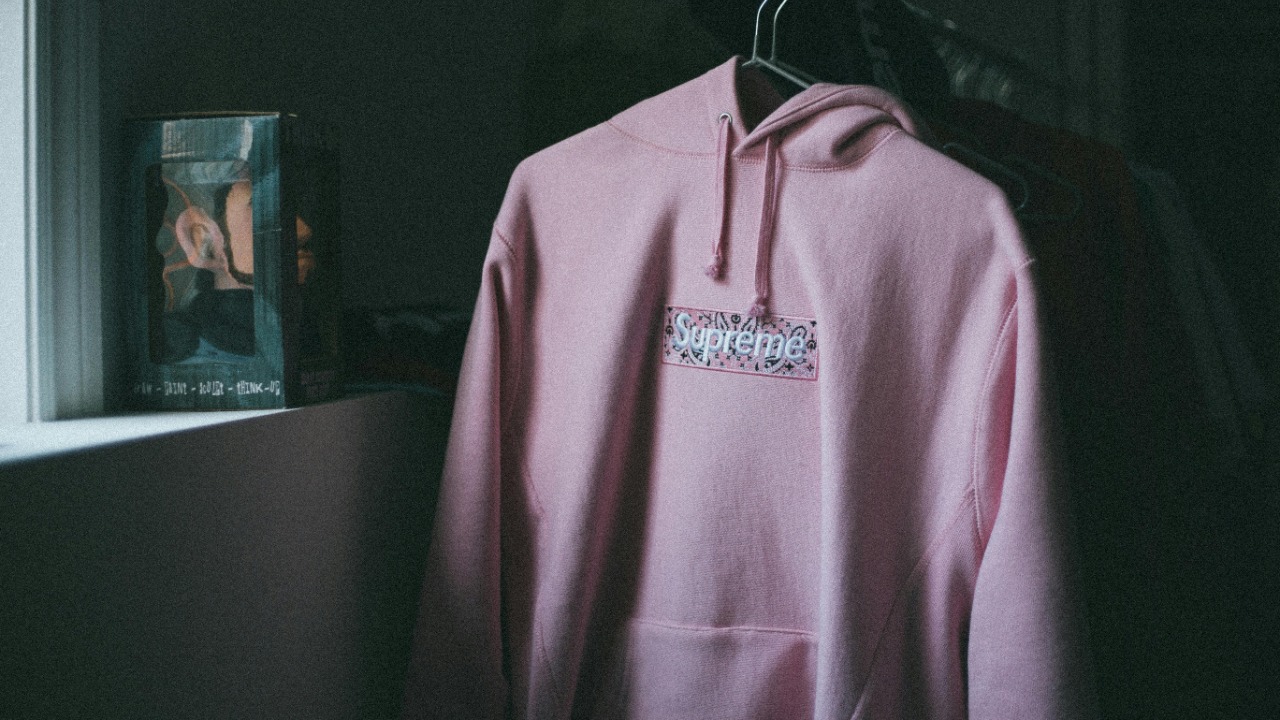
Over-the-top streetwear, such as Supreme hoodies worn at dinners, is secretly scorned as ‘teen rebellion gone wrong’ by the old guard like Aerin Lauder. A 2024 Town & Country article captures this sentiment, emphasizing the preference for more refined attire in social settings. The wealthy’s disdain for streetwear in formal contexts reflects a commitment to tradition and a belief that certain occasions warrant a more polished appearance. This perspective highlights the cultural divide between streetwear’s casual ethos and the formality valued by elites.
Year-Round Boho Festival Looks
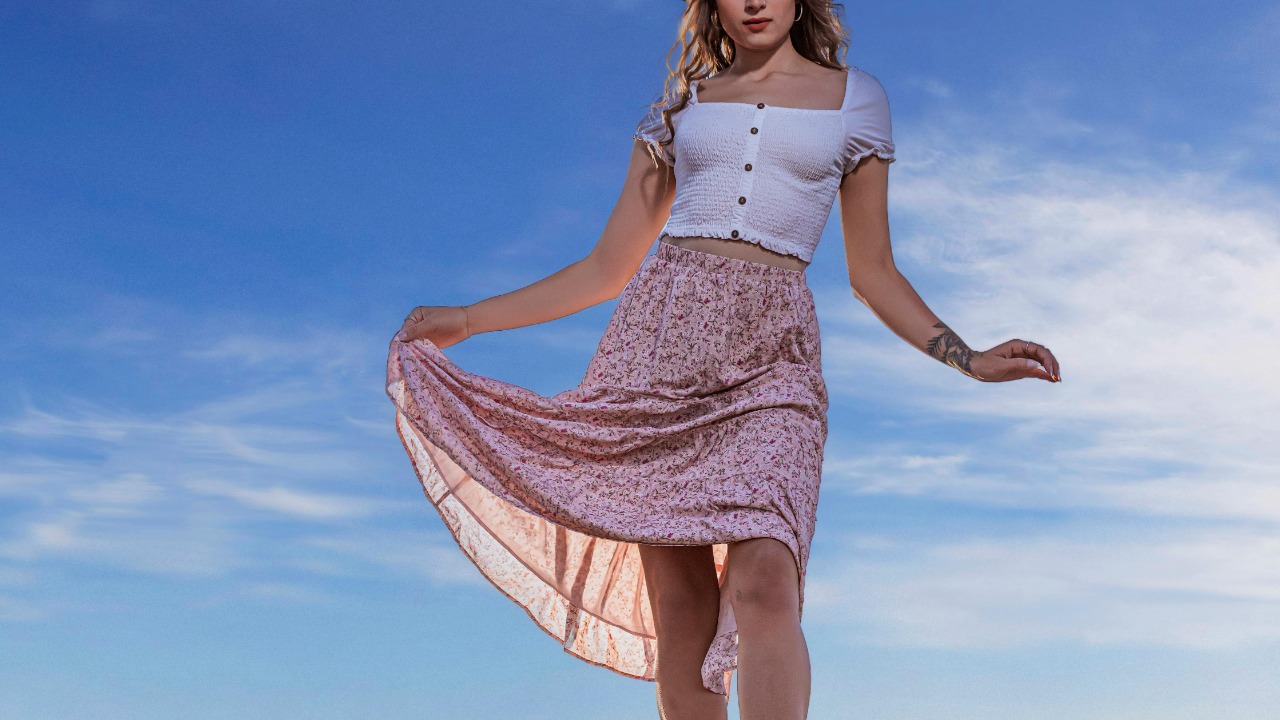
Boho festival looks worn year-round are mocked for resembling ‘a Trustafarian on a bad day,’ according to fashion historian Valerie Steele in Smithsonian fashion exhibit notes from 2023. This critique underscores a preference for seasonally appropriate attire that aligns with traditional fashion cycles. The wealthy’s mockery of perpetual boho styles reflects a broader appreciation for fashion that respects context and occasion, rather than adhering to a singular aesthetic regardless of setting.
Obsessive All-White Ensembles
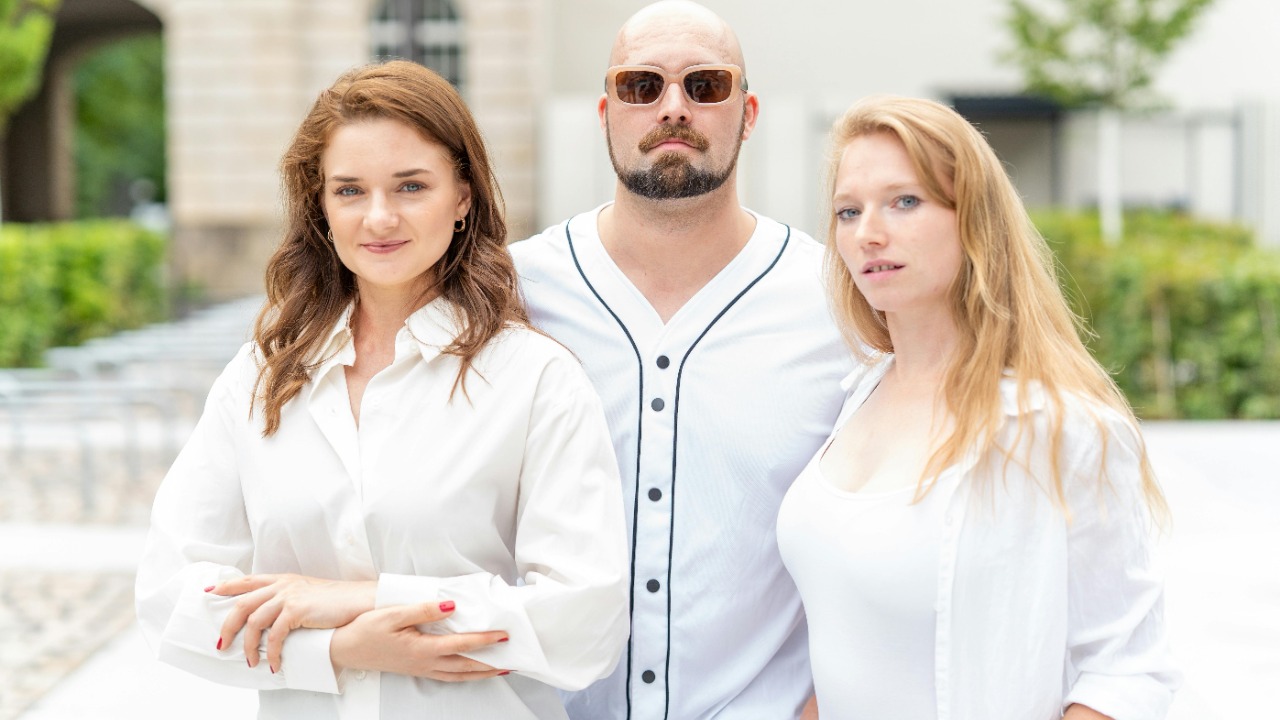
Wearing all-white outfits obsessively is ridiculed as ‘ice queen desperation’ by insiders at Met Gala afterparties, according to a 2022 W Magazine report. This critique highlights a preference for more varied and nuanced color palettes that convey personality and sophistication. The wealthy’s disdain for all-white ensembles reflects a broader cultural value placed on individuality and the ability to express oneself through fashion choices that go beyond monochrome statements.
Slogan Graphic Tees
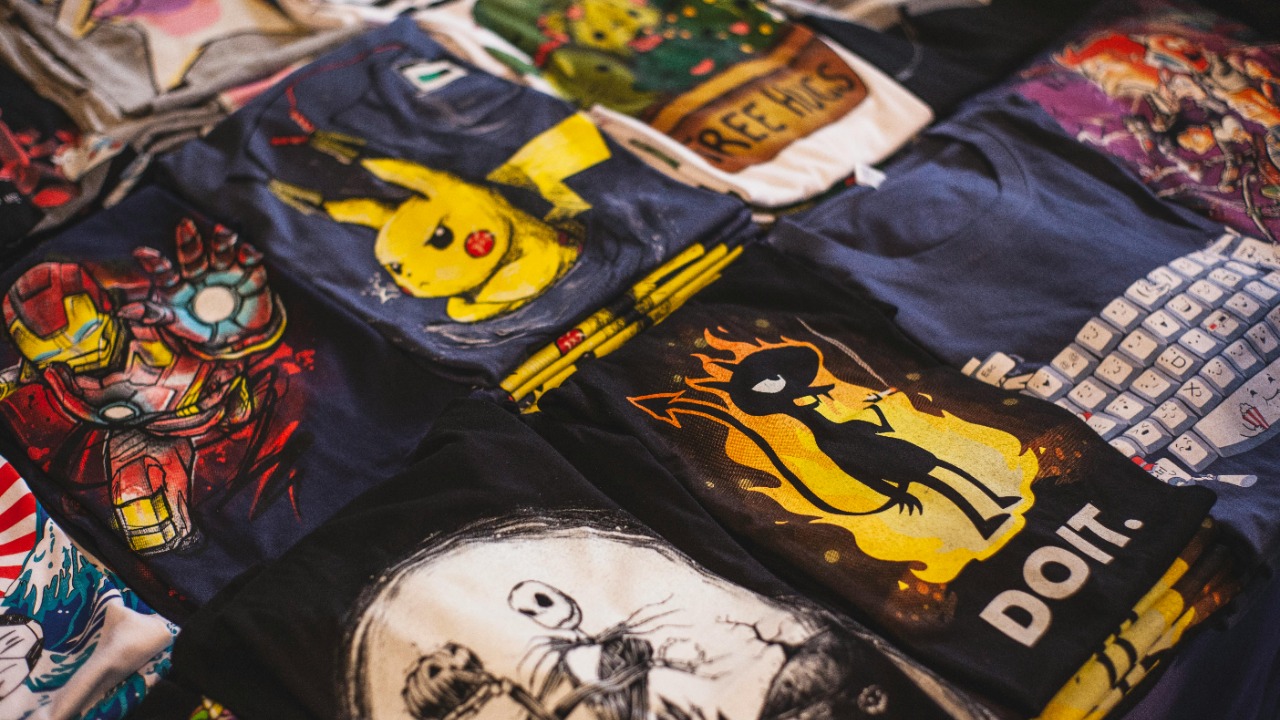
Graphic tees with slogans are seen as ‘billboard vulgarity’ by the quietly rich, as noted by Marc Jacobs in a 2021 GQ interview. This perspective underscores a preference for subtlety and discretion in fashion, where clothing serves as an expression of personal style rather than a platform for overt messaging. The wealthy’s aversion to slogan tees reflects a broader appreciation for fashion that communicates elegance and sophistication without resorting to overt statements.
Layered Cheap Jewelry
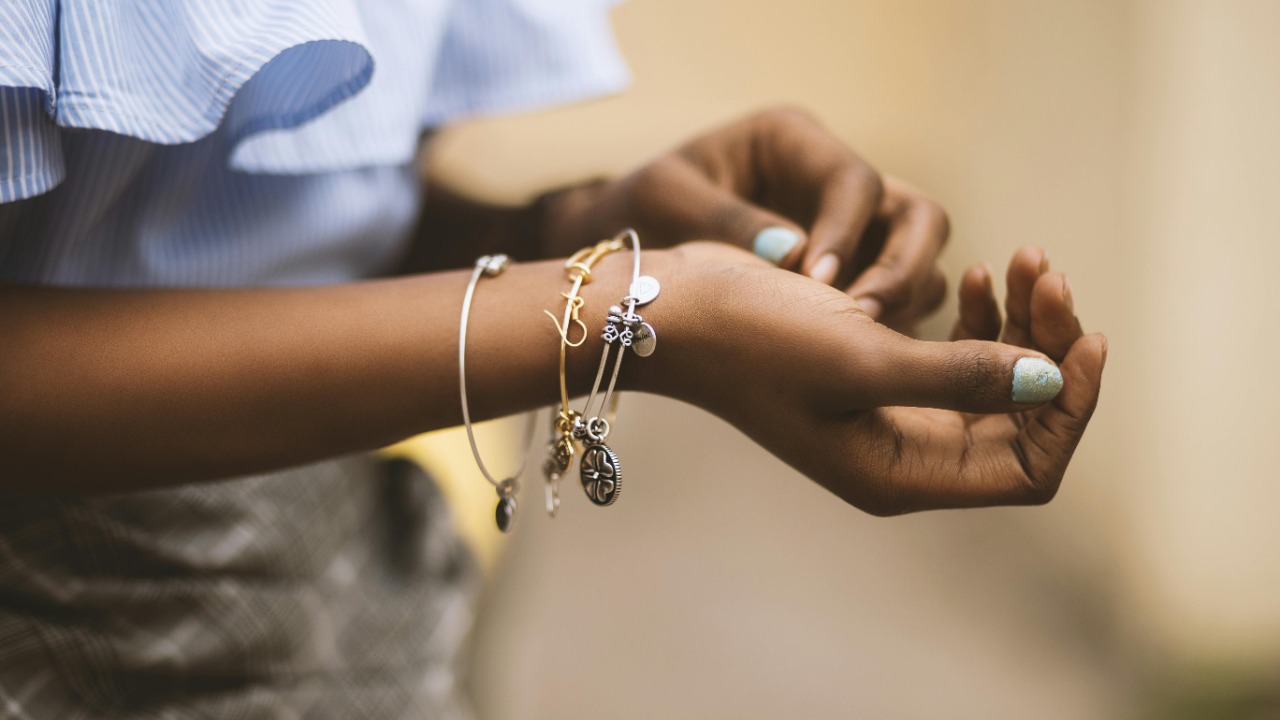
Layering cheap jewelry to look expensive is laughed off as ‘rhinestone roulette’ by jewelers to the elite, such as those at Cartier. A 2024 Robb Report highlights this sentiment, emphasizing the value placed on genuine quality and craftsmanship. The wealthy’s disdain for faux opulence reflects a broader cultural value placed on authenticity and the belief that true luxury cannot be faked. This perspective underscores the importance of investing in pieces that hold both aesthetic and intrinsic value.
Micro-Trend Chasing Like Cargo Pants
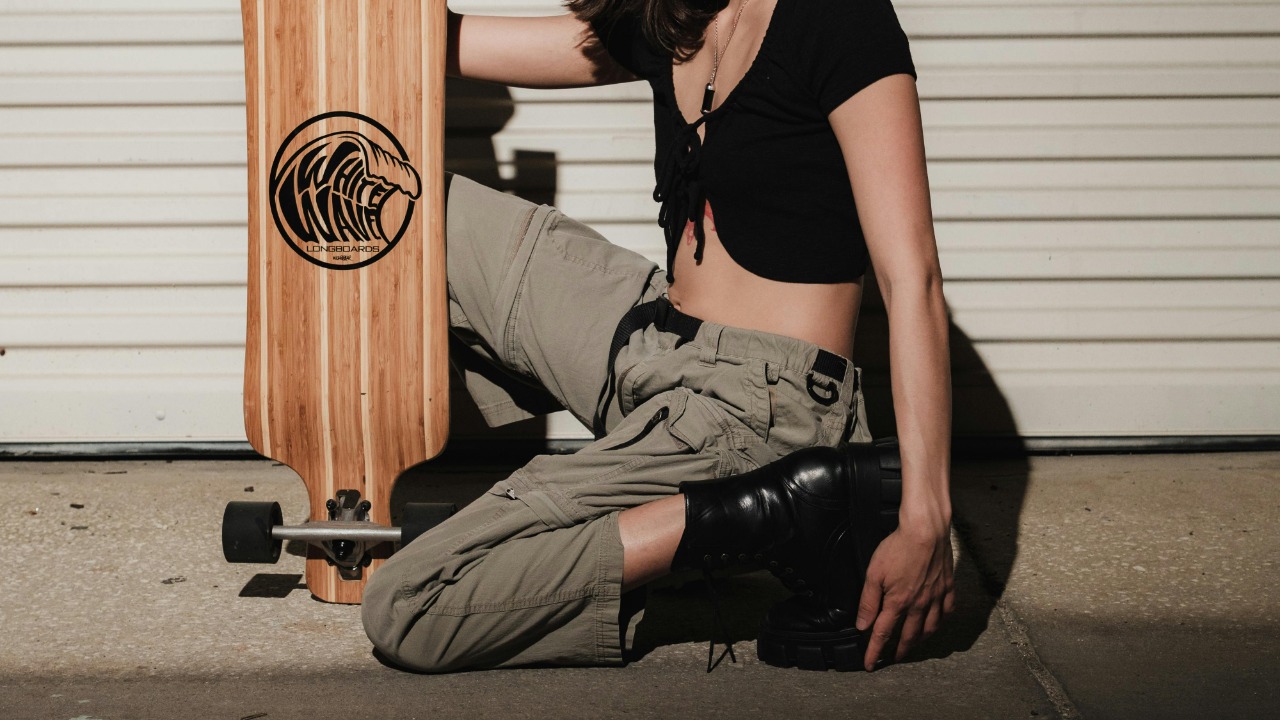
Trend-chasing with micro-trends like cargo pants every season is mocked as ‘fashion ADHD’ by timeless style advocate Nina Garcia, as noted in 2023 Project Runway behind-the-scenes insights. This critique highlights a preference for enduring style over fleeting fads. The wealthy’s disdain for constant trend-chasing reflects a broader appreciation for fashion that stands the test of time, emphasizing the importance of building a wardrobe based on classic, versatile pieces rather than transient trends.
Excessive Faux Fur
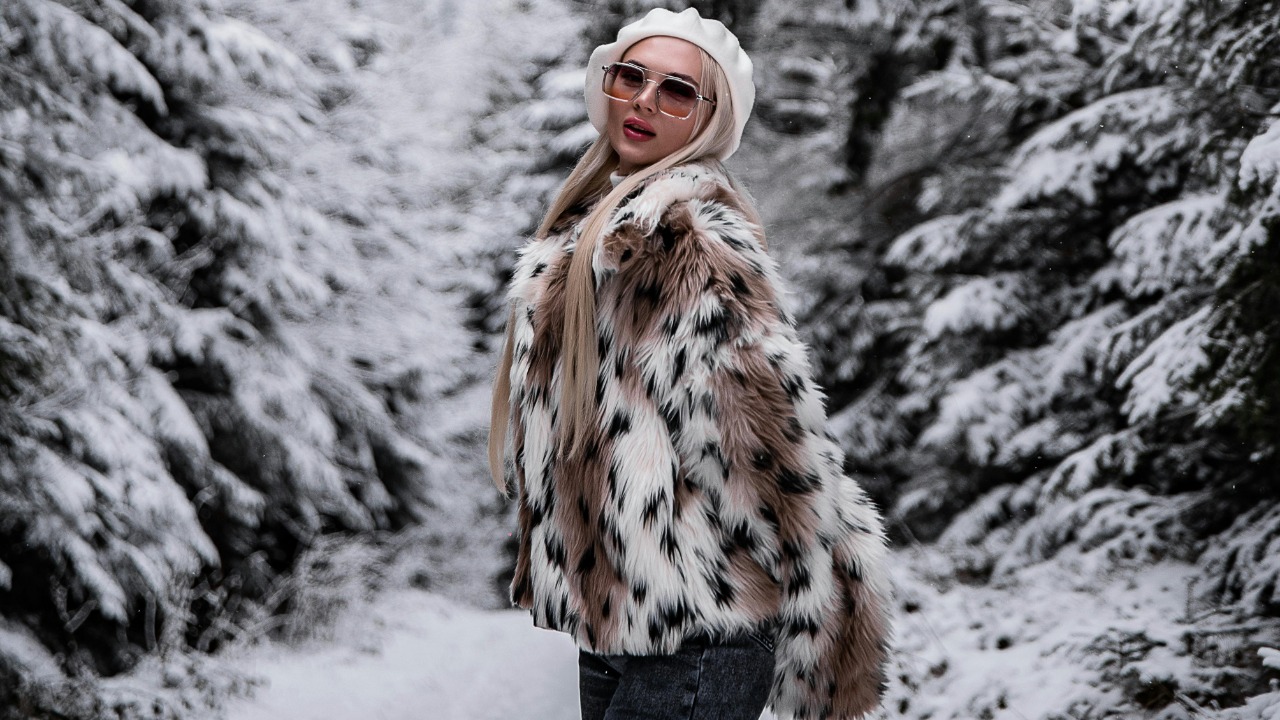
Wearing fur alternatives like faux fur in excess is dismissed as ‘eco-pretender fluff’ by sustainable luxury experts at Stella McCartney’s circle, according to a 2022 British Vogue report. This critique underscores a preference for genuine sustainability and ethical fashion choices that go beyond surface-level appearances. The wealthy’s disdain for excessive faux fur reflects a broader commitment to environmental responsibility and the belief that true luxury involves a deeper consideration of the impact of fashion choices.
Matching Mommy-and-Me Outfits
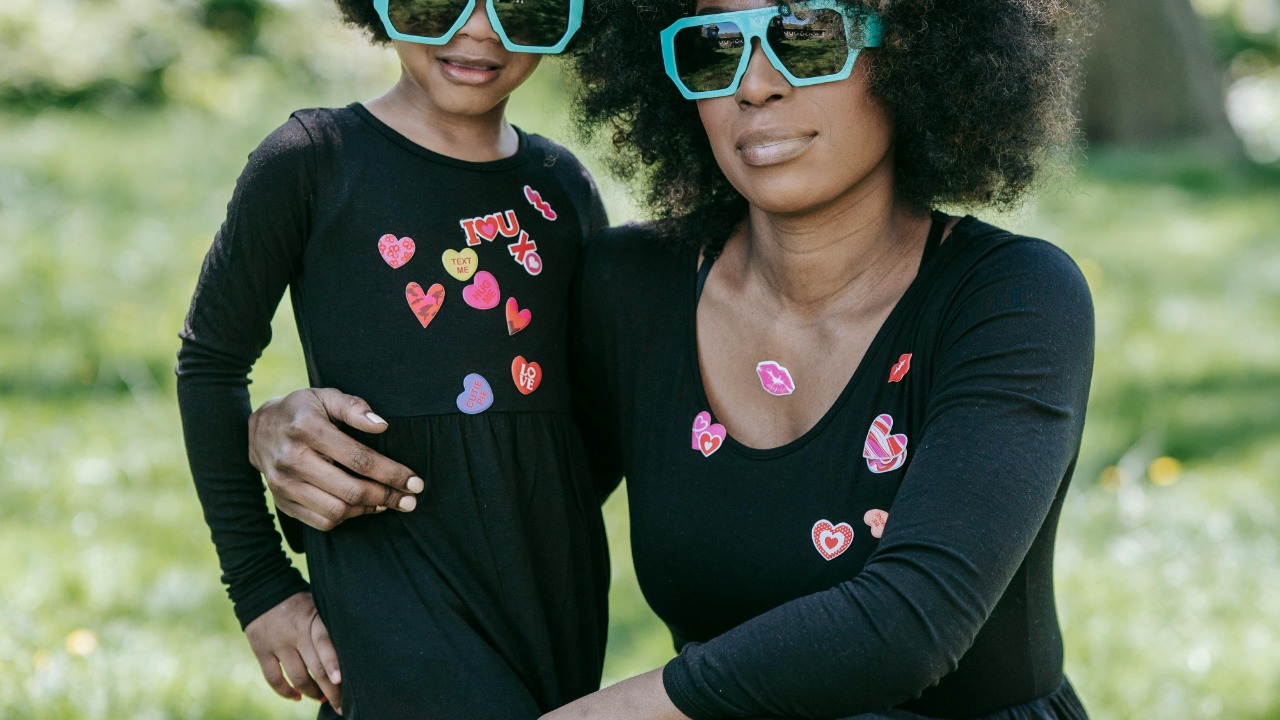
Matching mommy-and-me outfits are secretly giggled at as ‘mini-me mediocrity’ in Hamptons social scenes, per chronicler Amanda Hearst in a 2024 New York Post society column. This sentiment highlights a preference for individuality and personal expression over coordinated ensembles. The wealthy’s mockery of matching outfits reflects a broader cultural value placed on uniqueness and the ability to convey personal style without relying on coordinated looks that may appear contrived or overly curated.

Cole Whitaker focuses on the fundamentals of money management, helping readers make smarter decisions around income, spending, saving, and long-term financial stability. His writing emphasizes clarity, discipline, and practical systems that work in real life. At The Daily Overview, Cole breaks down personal finance topics into straightforward guidance readers can apply immediately.

