
While many millionaires and billionaires are known for their lavish lifestyles, some have chosen a path of frugality despite their immense wealth. These individuals have amassed fortunes yet continue to live modestly, prioritizing simplicity over extravagance. Here are ten notable examples of wealthy individuals who have embraced a thrifty lifestyle, demonstrating that wealth doesn’t always equate to opulence.
Warren Buffett’s Modest Omaha Home

Warren Buffett, one of the world’s wealthiest individuals, has famously maintained a modest lifestyle despite his net worth exceeding $100 billion. He purchased his Omaha home in 1958 for $31,500 and continues to reside there. Buffett’s frugality extends to his choice of vehicle, an older Cadillac, and his daily meals at McDonald’s. This commitment to simplicity underscores his belief in value over luxury, a principle that has guided his successful investment strategies. Forbes highlights how Buffett’s lifestyle choices reflect his long-standing philosophy of living below one’s means.
Ingvar Kamprad’s Economy Flights and Reused Tea Bags

Ingvar Kamprad, the founder of IKEA, was known for his extreme frugality despite his billionaire status. Kamprad flew economy class, drove a 1993 Volvo, and reused tea bags, all while living in a modest home in rural Sweden. His approach to life mirrored the affordable and practical ethos of IKEA, emphasizing functionality over luxury. Kamprad’s lifestyle choices were not just personal preferences but also a reflection of his business philosophy, as reported by BBC.
Chuck Feeney’s $8 Billion Giveaway from a Simple Apartment

Chuck Feeney, co-founder of Duty Free Shoppers, is renowned for his philanthropic efforts, having given away 99% of his $8 billion fortune through Atlantic Philanthropies. Feeney chose to live in a small apartment and wore a $15 watch, focusing his resources on charitable causes rather than personal luxury. His commitment to giving back has inspired many in the business world, illustrating that true wealth can be measured by one’s impact on society. The New York Times details Feeney’s journey from wealth accumulation to purposeful giving.
Hetty Green’s Black Dress and Pennypinching Meals

Hetty Green, dubbed the “Witch of Wall Street,” was notorious for her extreme frugality despite amassing a fortune of $100 million by 1916, equivalent to $2.5 billion today. Green was known for wearing the same black dress for years and cooking her own meals to save money. Her refusal to buy new underwear for her son exemplified her penny-pinching ways. Green’s financial acumen and thriftiness made her one of the most successful investors of her time, as chronicled by Smithsonian Magazine.
Sam Walton’s 1979 Ford F-150 and Coach Flights

Sam Walton, the founder of Walmart, maintained a down-to-earth lifestyle despite his vast wealth. He drove a 1979 Ford F-150 pickup truck and flew coach, embodying the values of the everyday American consumer. Walton’s approach to business and life was rooted in simplicity and accessibility, principles that helped build Walmart into a retail giant. His frugality was not just a personal choice but a reflection of the company’s ethos, as noted by Forbes.
John D. Rockefeller’s Pencil Stubs and Nail Reuse
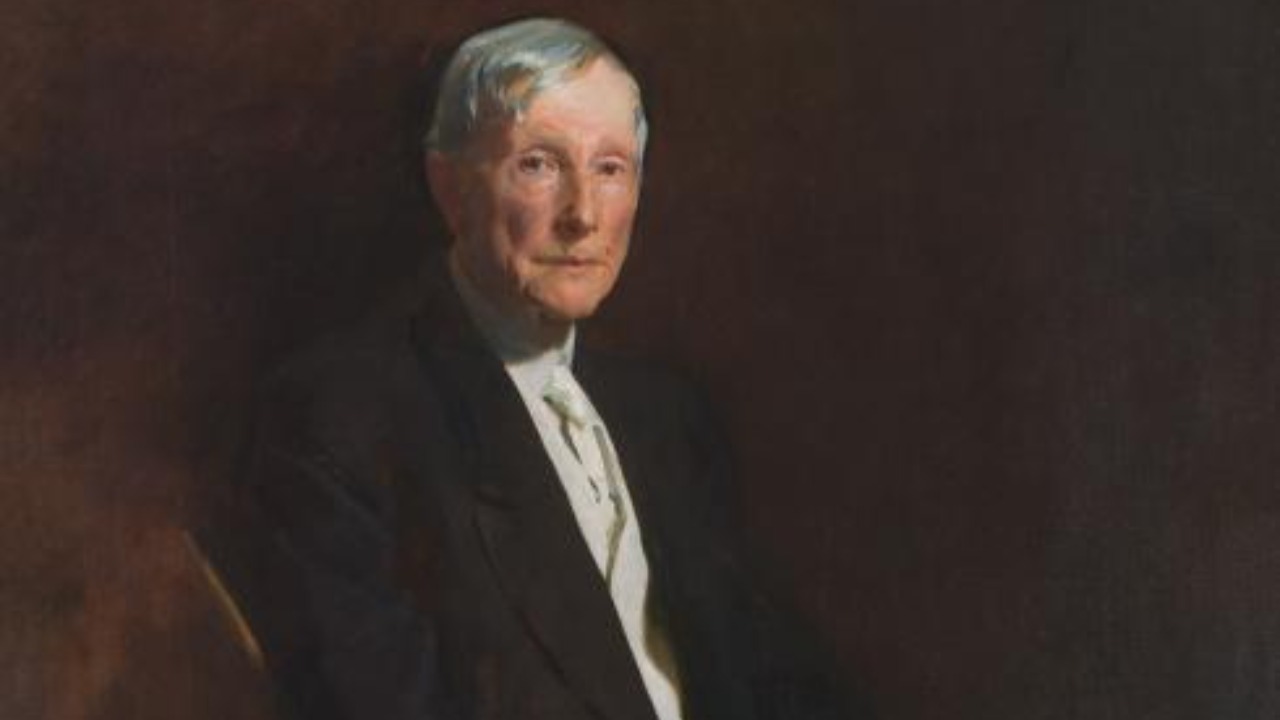
John D. Rockefeller, the world’s first billionaire, was known for his thrifty habits despite his immense wealth. He reused pencil stubs and nails, living in a modest brownstone in New York. Rockefeller’s frugality was a testament to his disciplined approach to business and personal finance, which helped him amass a fortune equivalent to $400 billion today. His practices of saving and reinvesting were key to his success, as detailed by History.com.
Mark Zuckerberg’s Gray T-Shirt Uniform and Acura TSX

Mark Zuckerberg, with a net worth exceeding $100 billion, is known for his unpretentious lifestyle. He signed the Giving Pledge in 2010, committing to donate the majority of his wealth. Zuckerberg is often seen wearing the same gray T-shirt and drives a 2009 Acura TSX, choices that reflect his focus on simplicity and efficiency. His approach to life and business emphasizes innovation and impact over material possessions, as reported by Business Insider.
Amancio Ortega’s Simple La Coruña Apartment

Amancio Ortega, founder of Zara and Inditex, became Europe’s richest person in 2013 with a net worth of $70 billion. Despite his wealth, Ortega lives in a simple apartment in La Coruña, Spain, and avoids luxury cars and yachts. His lifestyle choices reflect the understated elegance and practicality that Zara is known for, emphasizing quality and affordability. Ortega’s approach to life and business has made him a respected figure in the fashion industry, as highlighted by The Guardian.
Leona Helmsley’s Staff Firings Over Minor Expenses
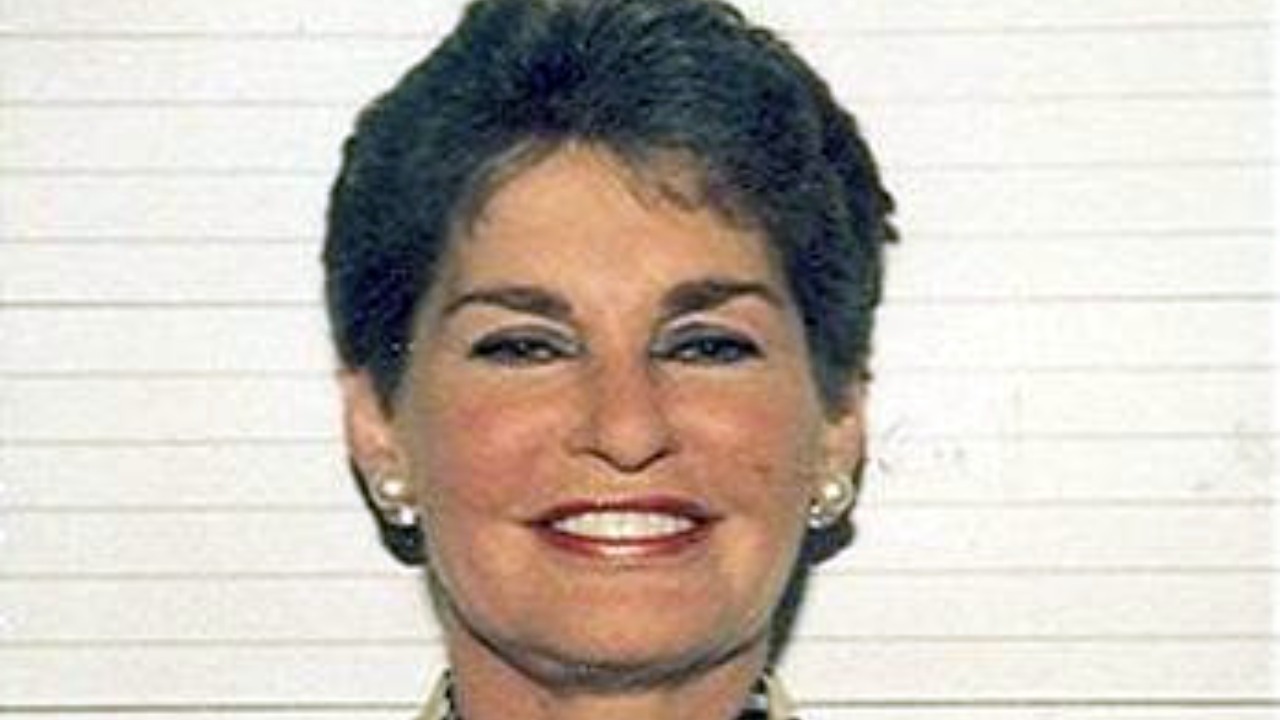
Leona Helmsley, known as the “Queen of Mean,” inherited a fortune worth $5 billion in 1979. Despite her wealth, she was notoriously stingy, firing staff over minor expenses. Helmsley’s frugality was often overshadowed by her legal troubles and lavish lifestyle, which only emerged under scrutiny. Her story serves as a cautionary tale about the complexities of wealth and reputation, as reported by The New York Times.
J. Paul Getty’s Payphones in His English Estate
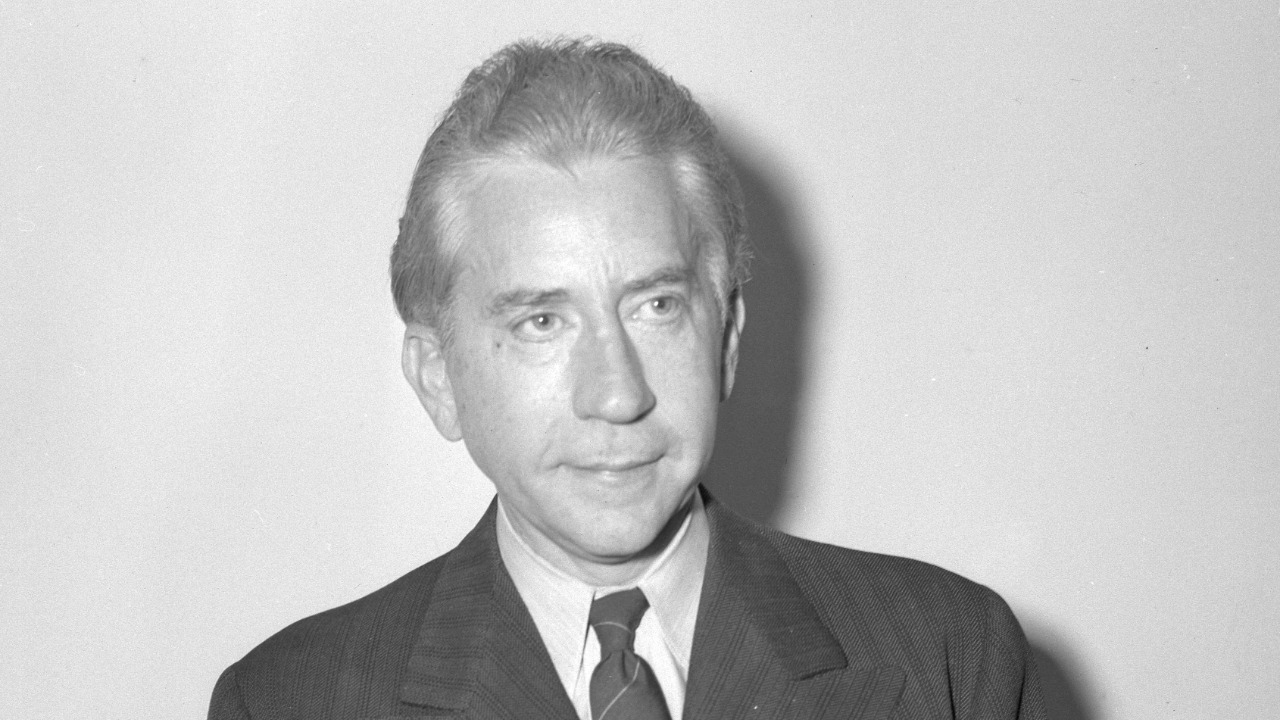
J. Paul Getty, an oil tycoon worth $6 billion at his death in 1976, was known for his frugality. He installed payphones in his 16th-century English estate for guests and initially refused to pay ransom for his kidnapped grandson. Getty’s reluctance to spend money, even in dire situations, highlighted his complex relationship with wealth. His story illustrates the sometimes paradoxical nature of extreme frugality among the ultra-wealthy, as detailed by Vanity Fair.

Cole Whitaker focuses on the fundamentals of money management, helping readers make smarter decisions around income, spending, saving, and long-term financial stability. His writing emphasizes clarity, discipline, and practical systems that work in real life. At The Daily Overview, Cole breaks down personal finance topics into straightforward guidance readers can apply immediately.