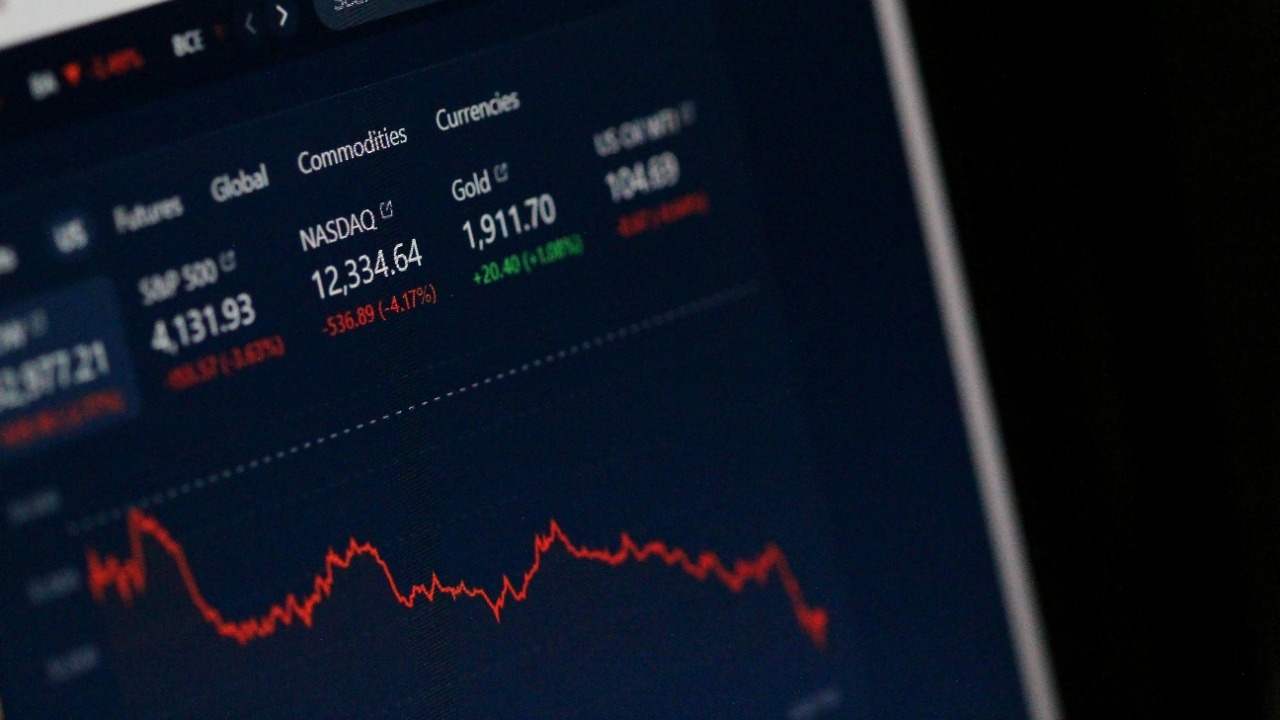
Gold has surged past the $4,000 per ounce mark for the first time, holding steady above that level amid heightened investor demand for safe-haven assets. Silver prices have simultaneously hit a record high, amplifying the precious metals rally as global economic uncertainties intensify. This milestone breach of $4,000 on October 9, 2025, prompts warnings from analysts who view it as a potential harbinger of systemic collapse rather than mere stability.
Drivers Behind the Gold Price Surge

The recent surge in gold prices can be attributed to a confluence of geopolitical tensions and inflation fears, which have driven investors toward gold as a hedge. As global economies grapple with instability, gold’s appeal as a safe-haven asset has intensified, leading to soaring prices. This trend is further fueled by macroeconomic pressures that have left investors seeking refuge from volatile markets. According to Newsweek, these factors have created a perfect storm for gold’s unprecedented rise.
Central bank purchases and ETF inflows have played a significant role in sustaining gold above the $4,000 mark. These institutional moves reflect a broader market flight to safety, as investors seek to protect their portfolios from potential economic downturns. The sustained demand from central banks underscores the growing concerns over global economic stability. As reported by MSN, these factors have contributed to the ongoing rally in gold prices.
Silver’s parallel record high serves as an indicator of spillover effects in the precious metals market, driven by similar safe-haven dynamics. The rise in silver prices highlights the interconnectedness of precious metals and their collective response to economic uncertainties. As investors flock to silver alongside gold, the rally in both metals underscores the pervasive anxiety surrounding global markets. This trend is further explored in the MSN report, which details the factors contributing to silver’s historic highs.
Historical Parallels to Gold Peaks

The current breach of $4,000 in gold prices draws comparisons to past rallies during economic crises, such as those in the 1970s and 2008. Historically, surges in gold prices have often preceded major economic downturns, serving as a warning sign of impending instability. The parallels between these past events and today’s market conditions suggest that the current rally may be more than just a temporary spike. According to Market Minute, these historical patterns provide valuable insights into the potential implications of the current gold surge.
Gold’s role as a “barbarian metal” in historical collapses, such as the fall of Rome, mirrors today’s warnings of civilizational stress. Throughout history, gold has been a symbol of wealth and stability, often rising in value during times of societal upheaval. This historical context adds weight to the concerns expressed by analysts who view the current rally as a sign of underlying systemic fragility. The Market Minute article delves into these historical parallels, highlighting the potential risks associated with the current gold surge.
Silver’s record highs also have historical significance, linking them to commodity booms that often signaled underlying systemic fragility. The rise in silver prices, alongside gold, suggests a broader trend of investor caution and market anxiety. As noted in the MSN report, these historical patterns provide a framework for understanding the current dynamics in the precious metals market.
Expert Views on Collapse Risks

Financial analysts have issued warnings interpreting the October 9, 2025, gold surge as a sign of impending economic instability rather than bullish stability. These experts argue that the rapid rise in gold prices reflects deep-seated fears about the global economy’s health. The concerns are not just about market volatility but also about the potential for a broader economic collapse. The Market Minute article captures these expert perspectives, emphasizing the risks associated with the current market conditions.
Some analysts view gold’s soar above $4,000 as driven by fears of currency devaluation, potentially foreshadowing broader societal breakdowns. The erosion of fiat currencies and the loss of confidence in traditional financial systems are key factors driving investors toward gold. This trend highlights the growing concerns about the long-term stability of global economies. As reported by Newsweek, these fears are contributing to the ongoing rally in gold prices.
Contrarian opinions on silver’s record amid the gold rally suggest that some experts see it amplifying signals of market panic and civilizational warning signs. While silver’s rise is often seen as a positive indicator, the current context suggests a more complex picture. The interconnectedness of precious metals and their response to economic uncertainties underscores the potential risks facing global markets. The MSN report explores these contrarian views, highlighting the broader implications of the current market dynamics.
Implications for Investors and Society

The sustained gold hold above $4,000 influences portfolio strategies, with implications for hedging against potential collapse scenarios. Investors are increasingly turning to gold as a means of protecting their assets from market volatility and economic uncertainty. This trend reflects a broader shift in investment strategies, as individuals and institutions seek to mitigate risks associated with potential economic downturns. The MSN article discusses these implications, highlighting the impact on investor behavior.
The broader societal impacts of the $4,000 breach on October 9, 2025, include fueling debates on fiat currency erosion and long-term stability. As gold prices continue to rise, questions about the sustainability of current economic systems and the future of fiat currencies become more pressing. These debates have significant implications for policymakers and financial institutions, as they navigate the challenges posed by a rapidly changing economic landscape. The Market Minute article explores these broader societal impacts, emphasizing the stakes involved.
Silver’s record high acts as a multiplier for investor caution, pointing to interconnected risks in global markets and civilizations. The rise in silver prices, alongside gold, underscores the pervasive anxiety surrounding global markets and the potential for systemic collapse. As investors grapple with these uncertainties, the implications for global economies and societies are profound. The MSN report highlights these interconnected risks, providing a comprehensive overview of the current market dynamics.

Grant Mercer covers market dynamics, business trends, and the economic forces driving growth across industries. His analysis connects macro movements with real-world implications for investors, entrepreneurs, and professionals. Through his work at The Daily Overview, Grant helps readers understand how markets function and where opportunities may emerge.