
Achieving your savings goals requires a strategic approach to financial planning. Missteps in prioritizing savings can derail your progress and leave you vulnerable to financial setbacks. Here are 11 financial moves that can wreck your savings goals, highlighting the importance of following a structured order to secure your financial future.
1. Skipping an Emergency Fund for Other Goals
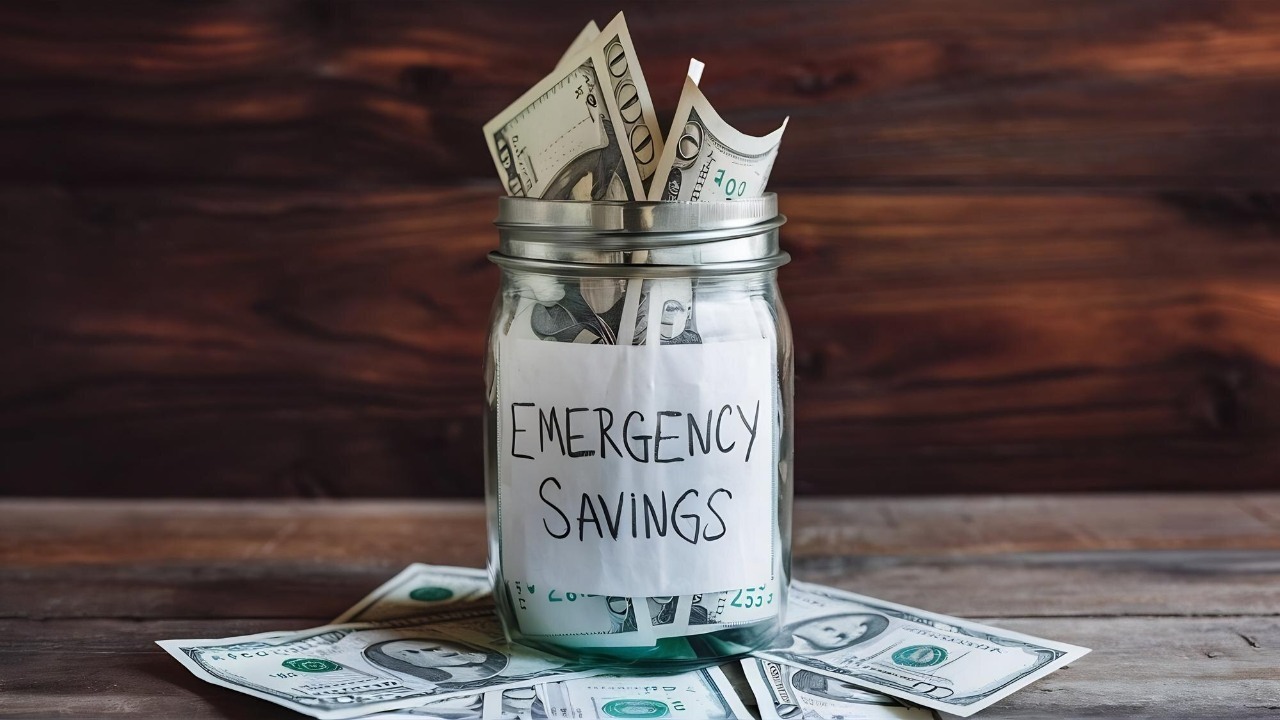
Failing to establish an emergency fund before pursuing other financial goals can leave you exposed to unexpected expenses. Experts recommend saving enough to cover three to six months of living expenses in a high-yield savings account. This cushion prevents you from dipping into other savings when surprises arise, such as medical emergencies or car repairs. Without this safety net, you risk derailing your broader savings efforts and facing financial instability according to GoBankingRates.
2. Ignoring High-Interest Debt While Saving Elsewhere

High-interest debt, particularly credit card debt with rates exceeding 10%, should be a top priority. Tackling this debt after low-interest obligations or savings can prolong expensive interest accrual, eroding your savings progress. By focusing on high-interest debt first, you can prevent interest from outpacing your savings growth, ensuring that your financial efforts are not undermined by mounting debt costs.
3. Forgetting to Grab Your Employer 401(k) Match

Overlooking your employer’s 401(k) match is akin to leaving free money on the table. This match can provide an instant return of 50% to 100%, significantly boosting your long-term savings. By capturing the full employer match, you enhance your retirement savings and take advantage of compounding growth, which is essential for achieving your financial goals.
4. Paying Off Low-Interest Debt Too Soon

Prioritizing the payoff of low-interest debt over high-interest obligations can delay your path to debt freedom. This approach allows costly interest to accumulate on high-interest debts, compounding the financial burden. By focusing on high-interest debt first, you can reduce the overall interest costs and accelerate your journey toward financial independence.
5. Saving for a House Before Basics Are Covered

Saving aggressively for a house down payment without first securing an emergency fund can lead to financial instability. In the event of job loss or unexpected repairs, you may be forced to liquidate your home savings, jeopardizing your homeownership dreams. Establishing a solid emergency fund ensures that your financial foundation is secure before pursuing significant investments like a home purchase.
6. Prioritizing Kids’ College Funds Over Debt Relief

Funding a 529 college savings plan for your children before eliminating high-interest debt can divert resources that could otherwise reduce ongoing interest payments. By focusing on debt relief first, you can free up more money for future savings, including your children’s education, without the burden of high-interest debt draining your family’s resources.
7. Jumping into Taxable Investments Prematurely

Investing in taxable brokerage accounts before maximizing tax-advantaged retirement options can lead to inefficiencies in your savings strategy. Tax-advantaged accounts, such as IRAs and 401(k)s, offer benefits that preserve more of your savings over time. By prioritizing these accounts, you can optimize your tax savings and enhance your long-term wealth-building efforts.
8. Donating to Charity Without a Safety Net

While charitable giving is commendable, it should not come at the expense of your financial stability. Establishing a solid emergency fund and debt payoff plan should precede charitable donations. This approach ensures that your generosity does not strain your personal finances, allowing you to give more sustainably in the long run.
9. Delaying Full Debt Payoff for Big Purchases

Neglecting to pay off all consumer debt before advancing to significant savings goals, such as a home purchase, can hinder your overall net worth growth. Lingering debt can sabotage your financial progress, making it crucial to eliminate consumer debt before pursuing major investments. This strategy ensures that your financial foundation is strong and capable of supporting your long-term goals.
10. Risking It All on Investments Without Foundations

Rushing into aggressive wealth-building investments without first establishing emergency savings and reducing debt exposes you to unnecessary risks. Without these foundational steps, you risk depleting your principal and setting back your savings goals. By prioritizing financial stability, you can engage in investments with greater confidence and security.
11. Misplacing Charitable Giving in Your Priority List

Treating charitable giving or non-essential savings as a priority over the core sequence of financial stability can undermine your savings goals. Following a structured path—emergency fund, high-interest debt, retirement match, and other debt—ensures that your financial efforts are sustainable and aligned with your long-term objectives. By securing your financial foundation first, you can support charitable causes more effectively and responsibly.

Cole Whitaker focuses on the fundamentals of money management, helping readers make smarter decisions around income, spending, saving, and long-term financial stability. His writing emphasizes clarity, discipline, and practical systems that work in real life. At The Daily Overview, Cole breaks down personal finance topics into straightforward guidance readers can apply immediately.