
Managing personal finances can be a complex task, often leading to hidden money mistakes that can have long-term consequences. By asking the right questions, you can uncover these potential pitfalls and make informed decisions to improve your financial health. Here are 12 questions that can help reveal hidden money mistakes and guide you toward better financial management.
Are You Overlooking Emergency Savings?

Emergency savings are crucial for financial stability, yet many people neglect this important aspect of financial planning. Without a safety net, unexpected expenses can lead to debt and financial stress. It’s essential to regularly assess your emergency fund to ensure it can cover at least three to six months of living expenses. This proactive approach can prevent financial setbacks and provide peace of mind in uncertain times.
Building an emergency fund requires discipline and commitment. Start by setting aside a small amount each month and gradually increase your contributions as your financial situation improves. This habit not only safeguards against unforeseen expenses but also reinforces a sense of financial security.
Is Your Debt Growing Unchecked?

Unchecked debt can quickly spiral out of control, leading to financial strain and impacting your credit score. It’s important to regularly review your debts and create a plan to manage them effectively. Prioritize high-interest debts and consider consolidating loans to reduce interest payments. By taking control of your debt, you can improve your financial health and reduce stress.
Monitoring your debt levels and making timely payments can prevent long-term financial issues. Consider setting up automatic payments or reminders to ensure you never miss a due date. This proactive approach can help you stay on top of your financial obligations and avoid unnecessary penalties.
Do You Ignore Investment Fees?

Investment fees can significantly impact your returns over time, yet they are often overlooked by investors. Understanding the fees associated with your investments is crucial for maximizing your returns. Regularly review your investment portfolio and compare fees to ensure you are getting the best value for your money.
Consider consulting with a financial advisor to gain a clearer understanding of the fees you are paying and explore options to minimize them. By being aware of investment fees, you can make more informed decisions and optimize your investment strategy for better long-term growth.
Are Impulse Buys Draining Your Budget?

Impulse buying can quickly derail your budget and lead to financial stress. It’s important to recognize the triggers that lead to impulsive purchases and develop strategies to avoid them. Creating a budget and sticking to it can help you manage your spending and avoid unnecessary expenses.
Consider implementing a waiting period before making non-essential purchases. This strategy allows you to evaluate whether the purchase is truly necessary and aligns with your financial goals. By curbing impulse buys, you can maintain better control over your finances and achieve your financial objectives.
Have You Reviewed Your Retirement Plan Lately?

Regularly reviewing your retirement plan is essential to ensure you are on track to meet your retirement goals. Changes in income, expenses, and life circumstances can impact your retirement savings, making it important to adjust your plan accordingly. Evaluate your contributions and investment strategy to ensure they align with your long-term objectives.
Consider consulting with a financial advisor to assess your retirement plan and make necessary adjustments. By staying proactive and informed, you can secure a comfortable retirement and avoid potential financial shortfalls.
Is Your Credit Score a Mystery to You?
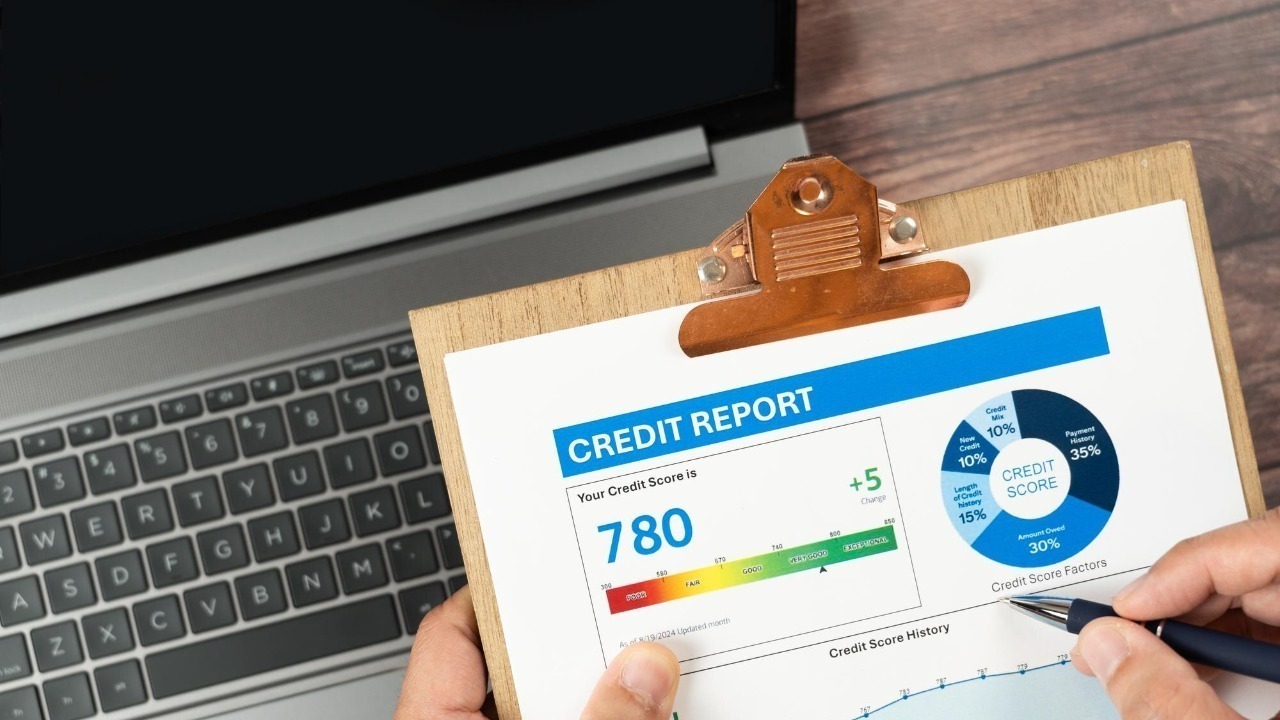
Your credit score plays a crucial role in your financial health, affecting your ability to secure loans and favorable interest rates. Regularly checking your credit score and understanding the factors that influence it can help you make informed financial decisions. Take steps to improve your credit score by paying bills on time, reducing debt, and avoiding unnecessary credit inquiries.
Consider using credit monitoring services to keep track of changes to your credit score and receive alerts for any suspicious activity. By staying informed about your credit score, you can take proactive measures to maintain or improve it, ultimately enhancing your financial opportunities.
Are You Paying for Unused Subscriptions?

Unused subscriptions can add up over time, draining your finances without providing any value. Regularly review your subscriptions and cancel those you no longer use or need. This simple step can free up funds for more important financial goals and reduce unnecessary expenses.
Consider using subscription management tools to track and manage your subscriptions effectively. By staying on top of your subscriptions, you can ensure your money is being spent wisely and in alignment with your financial priorities.
Do You Understand Tax Implications?

Understanding tax implications is crucial for effective financial planning. Failing to consider taxes can lead to unexpected liabilities and impact your overall financial health. Stay informed about tax laws and regulations to ensure you are taking advantage of available deductions and credits.
Consider consulting with a tax professional to gain a deeper understanding of your tax situation and explore strategies to minimize your tax burden. By being proactive about taxes, you can optimize your financial strategy and avoid potential pitfalls.
Is Your Insurance Coverage Adequate?

Adequate insurance coverage is essential for protecting your financial well-being. Regularly review your insurance policies to ensure they provide sufficient coverage for your needs. Consider factors such as life changes, asset values, and potential risks when evaluating your insurance coverage.
Consult with an insurance professional to assess your current coverage and identify any gaps. By ensuring your insurance coverage is adequate, you can safeguard against unexpected events and protect your financial future.
Are You Saving for Big Life Goals?

Saving for big life goals, such as buying a home or funding education, requires careful planning and discipline. Regularly assess your savings strategy to ensure it aligns with your long-term objectives. Consider setting up dedicated savings accounts for specific goals to track your progress and stay motivated.
By prioritizing your savings and making consistent contributions, you can achieve your financial goals and secure a brighter future. Consider automating your savings to ensure you consistently set aside funds for your important life goals.
Do Hidden Bank Fees Add Up?

Hidden bank fees can erode your savings over time, impacting your financial health. Regularly review your bank statements to identify and address any unnecessary fees. Consider switching to a bank or account that offers lower fees or better benefits to optimize your financial strategy.
By staying vigilant about bank fees, you can ensure your money is working for you and not being wasted on avoidable charges. This proactive approach can enhance your financial well-being and help you achieve your financial goals more efficiently.
Is Your Spending Aligned with Priorities?

Aligning your spending with your financial priorities is crucial for achieving your goals and maintaining financial health. Regularly review your budget and spending habits to ensure they reflect your values and objectives. Consider making adjustments to allocate more funds toward your top priorities.
By being intentional about your spending, you can ensure your financial resources are being used effectively and in alignment with your long-term goals. This approach can lead to greater financial satisfaction and success.

Cole Whitaker focuses on the fundamentals of money management, helping readers make smarter decisions around income, spending, saving, and long-term financial stability. His writing emphasizes clarity, discipline, and practical systems that work in real life. At The Daily Overview, Cole breaks down personal finance topics into straightforward guidance readers can apply immediately.