
In times of economic downturn, like recessions, we often reevaluate our financial habits and strategies. As someone who has navigated through a few of these challenging periods, I’ve learned valuable lessons that have helped me become more financially resilient. From building a solid emergency fund to understanding the importance of community support, these insights can guide anyone looking to bolster their financial security.
Emergency Savings Are Essential
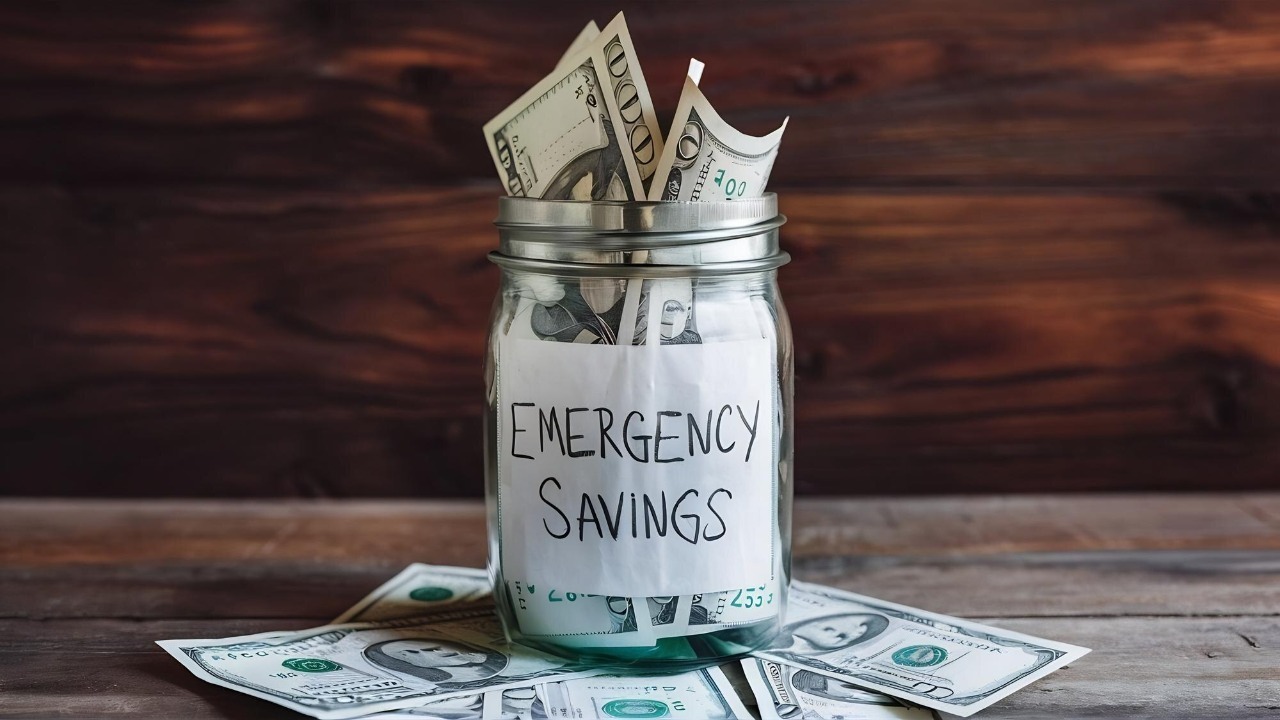
One of the most crucial lessons from past recessions is the importance of having an emergency fund. This financial buffer can be the difference between weathering a storm and facing financial ruin. Experts often recommend saving three to six months’ worth of living expenses. During the 2008 financial crisis, those with robust savings were able to navigate job losses and reduced income more effectively. Setting aside a small amount each month can gradually build this essential safety net.
Diversification Protects Investments

Diversification is a tried-and-true strategy that can protect investments during volatile times. By spreading investments across different asset classes, such as stocks, bonds, and real estate, individuals can minimize risk. During the dot-com bubble, many investors learned the hard way that over-reliance on one sector can be disastrous. For more insights on investment strategies, check out this article.
Live Below Your Means

Living below your means is a financial principle that provides flexibility and security. By spending less than you earn, you can save more and reduce stress during economic slowdowns. This practice allowed many to survive the Great Recession without major lifestyle changes. It’s not about deprivation but making thoughtful spending choices. Consider cooking at home more often or opting for a used car instead of a new one to save on expenses.
Avoid High-Interest Debt

High-interest debt, like credit card balances, can be crippling during a recession. Paying down these debts should be a priority, as they can quickly accumulate and become unmanageable. During economic downturns, interest rates may rise, making it even more challenging to pay off debts. The 2008 recession highlighted the dangers of carrying significant credit card debt, as many struggled with increased financial burdens.
The Importance of Financial Literacy

Understanding basic financial concepts is crucial for making informed decisions, especially during recessions. Financial literacy empowers individuals to manage their money effectively, plan for the future, and avoid common pitfalls. Investing time in learning about budgeting, investing, and saving can pay off significantly. For more on the importance of financial education, visit this resource.
Long-Term Planning Over Short-Term Gains
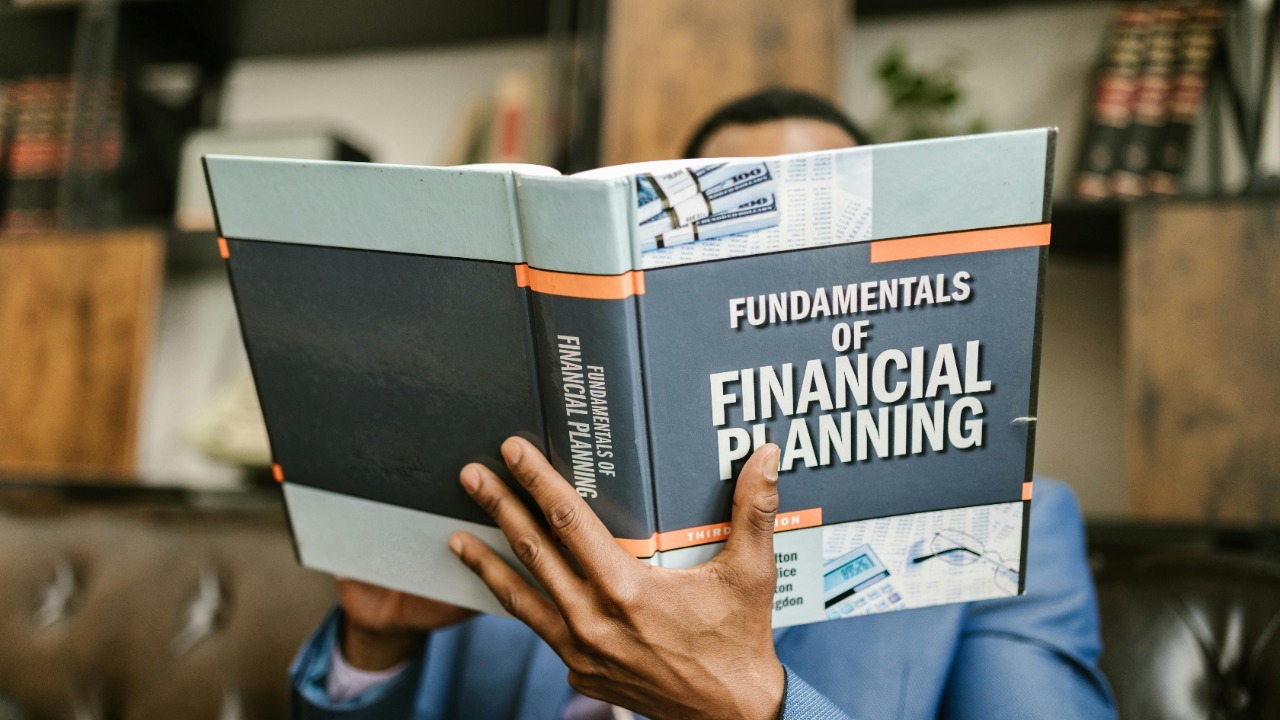
Focusing on long-term financial goals rather than short-term gains can lead to more stability during uncertain times. This approach involves prioritizing retirement savings and investments over immediate gratification. Those who maintained a long-term perspective during previous recessions often found themselves in a stronger financial position once the economy recovered. It’s essential to stay committed to long-term plans even when short-term opportunities seem tempting.
The Value of Frugality

Frugality is about making wise financial choices and maximizing the value of your money. During recessions, being frugal can help stretch your budget further and provide peace of mind. This doesn’t mean living a life of deprivation, but rather prioritizing needs over wants. By adopting a frugal mindset, many can find creative ways to save money, such as DIY projects or purchasing second-hand goods.
The Role of Government and Economic Policy

Understanding the role of government and economic policy during recessions can provide valuable context for personal financial decisions. Fiscal policies, such as stimulus packages and interest rate adjustments, can impact individual finances. Recognizing these influences can help in planning and adapting financial strategies. For a deeper dive into economic policies, explore this publication.
Adaptability in Careers

Career adaptability is crucial during recessions, as industries can change rapidly. Being open to learning new skills or pivoting to different roles can provide job security. During economic downturns, those who adapted by embracing new technologies or transitioning to high-demand sectors often fared better. Keeping an eye on industry trends and being willing to evolve can make a significant difference in one’s career trajectory.
Investing in Skills and Education

Investing in skills and education can increase employability and provide a competitive edge. During recessions, the job market can become saturated, making it essential to stand out. Continuous learning and skill development can open new opportunities and offer career advancement. Online platforms like Coursera or LinkedIn Learning provide accessible options for enhancing skills. Check out this video for more on the benefits of continuous education.
The Importance of Community and Support Networks

Community and support networks can be invaluable during tough economic times. Whether it’s emotional support or practical assistance, having a network of family, friends, or community groups can provide relief. During the COVID-19 pandemic, many relied on mutual aid networks for essential supplies and support. Building and maintaining these connections can offer resilience and help navigate the challenges of a recession.

Cole Whitaker focuses on the fundamentals of money management, helping readers make smarter decisions around income, spending, saving, and long-term financial stability. His writing emphasizes clarity, discipline, and practical systems that work in real life. At The Daily Overview, Cole breaks down personal finance topics into straightforward guidance readers can apply immediately.
