
Renting a property comes with a set of rights that protect tenants and ensure a fair living arrangement. However, not all tenants are aware of these rights, and some landlords might prefer you forget them. Knowing your rights can make a significant difference in your rental experience, helping you navigate complex landlord-tenant relationships more effectively.
Right to a Habitable Living Environment

As a tenant, you are entitled to a habitable living environment. This means your rental property must meet basic health and safety standards, including functioning plumbing, heating, and electricity. If your rental is infested with pests or has mold issues, the landlord is obligated to address these problems promptly.
Failing to maintain a habitable environment can lead to legal action against the landlord. Understanding what constitutes a habitable environment can empower you to demand necessary repairs and improvements.
Security Deposit Regulations

Landlords must follow specific regulations regarding security deposits, including the amount they can charge and the timeline for returning the deposit after you move out. Typically, the deposit should be returned within a month, minus any deductions for repairs or unpaid rent.
Knowing your rights about security deposits can prevent landlords from wrongfully withholding your money. You should document the condition of the property when you move in and out to support any disputes.
Right to Privacy and Entry Notice

Tenants have the right to privacy in their rented homes. Landlords must provide proper notice, usually 24 to 48 hours, before entering your property, except in emergencies. This notice should be in writing and specify the reason for entry.
If your landlord enters without notice, it may be a violation of your privacy rights. Understanding these regulations can help you maintain your personal space and address any unauthorized entries.
Protection Against Retaliatory Eviction

Landlords cannot evict you in retaliation for exercising your legal rights, such as requesting repairs or filing a complaint about housing conditions. Retaliatory evictions are illegal, and tenants can take action if they suspect this is happening.
Documenting interactions and keeping records of all communications can be crucial if you need to prove retaliatory behavior in court.
Right to Fair Housing and Non-Discrimination

Tenants are protected under fair housing laws that prohibit discrimination based on race, color, national origin, religion, sex, familial status, or disability. These laws ensure you have equal access to housing opportunities.
If you encounter discrimination, you can file a complaint with the U.S. Department of Housing and Urban Development (HUD) or a local fair housing agency. It’s essential to recognize and report any discriminatory practices you face.
Maintenance and Repair Obligations

Landlords are required to maintain their properties and make necessary repairs in a timely manner. This includes issues like leaking roofs, broken heaters, or faulty wiring. Tenants should report problems as soon as they arise.
Keeping a record of repair requests and follow-up communications with your landlord can help you enforce this right if needed. Understanding landlord obligations is crucial to ensure your home remains safe and comfortable.
Rent Control and Rent Increase Limitations

Some areas have rent control laws that limit how much a landlord can increase your rent. These laws are designed to keep housing affordable and prevent sudden, drastic rent hikes.
Before signing a lease, check if your area has rent control regulations. If so, landlords must adhere to these rules, and any increase should comply with the stipulated limits.
Lease Termination and Notice Requirements
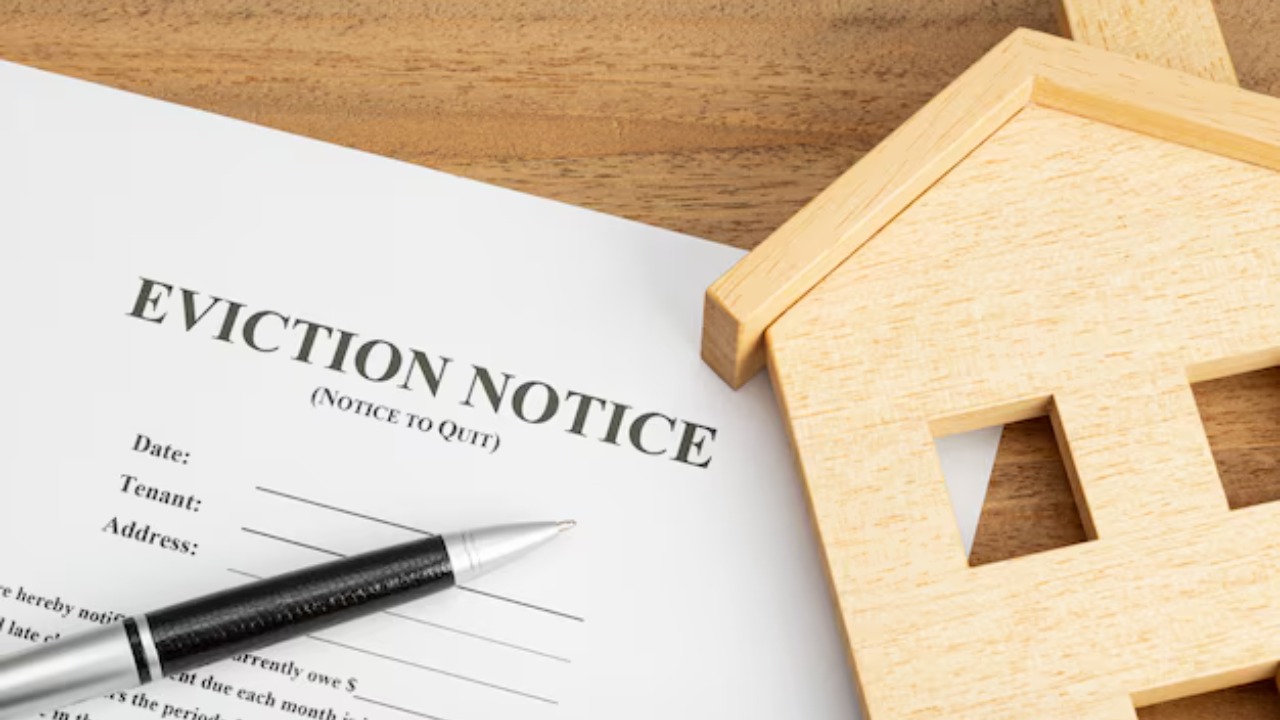
Both tenants and landlords must follow specific notice requirements when ending a lease agreement. Typically, a 30-day notice is required, but this can vary depending on the lease terms and local laws.
Understanding these requirements can help you avoid penalties or disputes. If you’re considering breaking your lease early, consult your lease agreement and local laws to understand your options and obligations.
Right to Withhold Rent

If a landlord fails to make necessary repairs, tenants may have the right to withhold rent until the issues are resolved. However, this must be done legally, often by placing the rent in an escrow account.
Before withholding rent, consult local laws and consider seeking legal advice. Understanding your rights can prevent potential eviction or legal issues.
Right to Form or Join a Tenant Union

Tenants have the right to organize and join tenant unions to collectively address issues with landlords. This can be an effective way to advocate for better living conditions and fair treatment.
Tenant unions can provide support and resources to help navigate complex landlord-tenant issues. Joining a union can amplify your voice and help bring about positive changes in your housing situation.
Right to a Written Lease Agreement

Having a written lease agreement is crucial as it outlines the terms and conditions of your tenancy. It protects both the tenant and the landlord by clearly defining each party’s responsibilities.
Ensure you receive a copy of your lease and read it thoroughly before signing. This document is key to understanding your rights and obligations and can serve as evidence in any disputes.
Right to Review Landlord’s Licensing and Certification

Tenants have the right to verify their landlord’s credentials, including any required licenses and certifications. This ensures that the landlord is legally authorized to rent out property and that the property complies with local housing codes.
Asking to see these documents can be an important step, especially in areas with stringent housing regulations. Tenant protections are enhanced when landlords meet all legal requirements.

Elias Broderick specializes in residential and commercial real estate, with a focus on market cycles, property fundamentals, and investment strategy. His writing translates complex housing and development trends into clear insights for both new and experienced investors. At The Daily Overview, Elias explores how real estate fits into long-term wealth planning.

