
As Airbnb and other short-term rental platforms surge in popularity, several cities worldwide have implemented bans or strict regulations. These measures aim to address issues like housing shortages, rising rents, and the impact on local communities. Here are 12 cities that have taken a stand against Airbnb and why.
San Francisco, California

San Francisco was one of the first cities to impose strict regulations on Airbnb. The city mandates that hosts must register their listings and comply with the stipulation that they can only rent out their primary residence. This policy aims to prevent the conversion of long-term housing into tourist accommodations, addressing the city’s housing crisis.
New York City, New York

New York City has long battled short-term rentals. Laws prohibit renting an entire apartment for fewer than 30 days unless the owner is present. This measure seeks to protect the housing market from further strain, as Airbnb has been linked to rising rents and housing shortages in densely populated areas.
Barcelona, Spain

Barcelona has enacted some of the strictest regulations against Airbnb. The city requires hosts to obtain licenses, which are no longer being issued. This move is part of a broader strategy to manage tourism, which has led to noise complaints and the displacement of local residents.
Berlin, Germany

Berlin introduced a ban on short-term rentals of entire apartments in a bid to protect the local housing market. Although the restrictions have been relaxed slightly, hosts still need a permit to rent out their property. This policy helps preserve affordable housing and maintain community integrity.
Paris, France

In Paris, the government has imposed strict caps on the number of nights a property can be rented out on Airbnb, limiting it to 120 nights per year. This regulation aims to curb the loss of residential properties and mitigate the adverse effects of tourism on local neighborhoods.
Amsterdam, Netherlands

Amsterdam has implemented a number of restrictions on Airbnb, including a limit on the number of days a property can be rented out annually and mandatory registration for hosts. These measures are designed to address housing shortages and maintain the quality of life for residents.
Santa Monica, California

Santa Monica has some of the strictest regulations on short-term rentals in the U.S. Hosts must live on the property during the guest’s stay, effectively banning the rental of entire homes. This policy aims to prevent the conversion of housing into tourist accommodations and protect local housing availability.
Palma de Mallorca, Spain

Palma de Mallorca took the significant step of banning short-term rentals of apartments altogether. The ban is part of efforts to tackle the housing crisis and ensure that locals have access to affordable housing amid growing tourism pressures.
Kyoto, Japan

Kyoto has introduced regulations that restrict short-term rentals to certain times of the year, particularly outside the peak tourist seasons. These rules are intended to preserve the cultural integrity of neighborhoods and address issues of overcrowding and noise.
Miami Beach, Florida
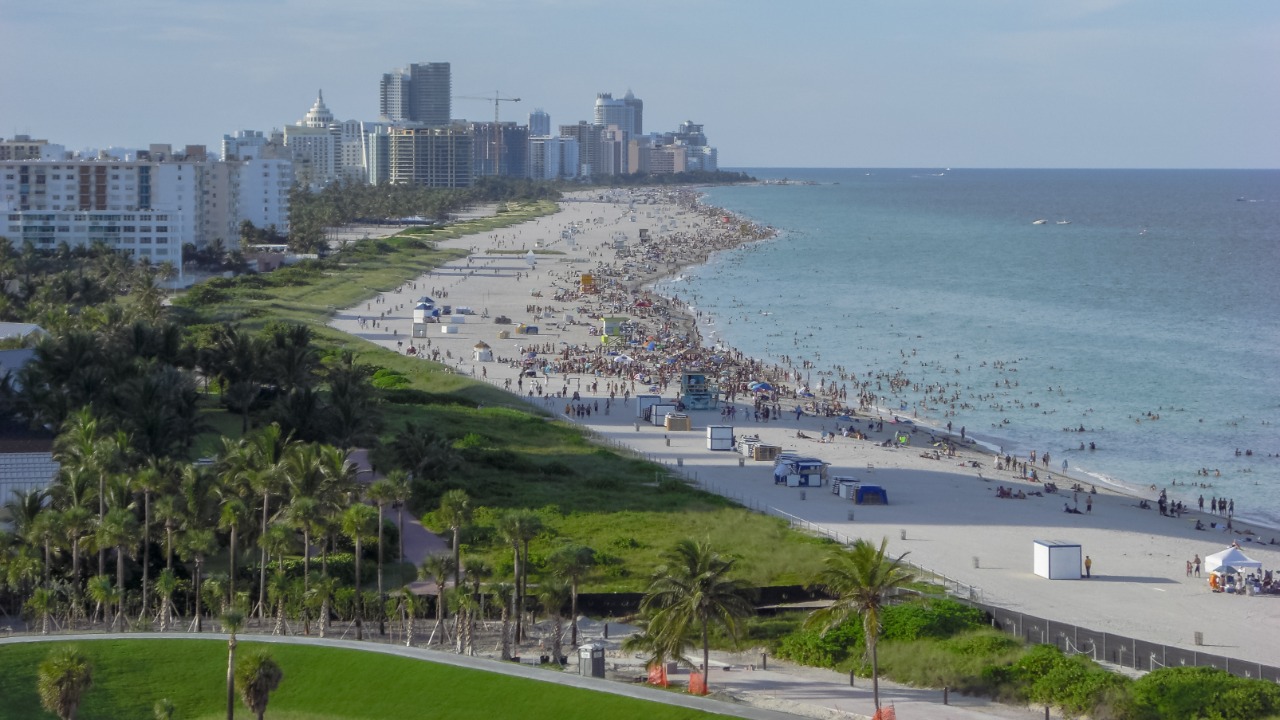
Miami Beach has enacted strict regulations on Airbnb by imposing heavy fines for illegal short-term rentals. The city aims to control the impact of tourism on local communities and maintain the availability of long-term housing for residents.
Toronto, Canada

Toronto’s regulations require hosts to register their properties and limit rentals to primary residences. These measures are part of a broader effort to address housing affordability and availability in the city.
Madrid, Spain

Madrid has implemented zoning laws to restrict short-term rentals, focusing on preserving residential areas and preventing the conversion of homes into tourist accommodations. This strategy is designed to protect local communities and ensure a balanced housing market.
For more information on how regulations impact short-term rentals, read about potential U.S. policy changes.

Elias Broderick specializes in residential and commercial real estate, with a focus on market cycles, property fundamentals, and investment strategy. His writing translates complex housing and development trends into clear insights for both new and experienced investors. At The Daily Overview, Elias explores how real estate fits into long-term wealth planning.

