Cutting the right expenses is one of the few money moves you are almost guaranteed not to regret. The items below are drawn from detailed reporting on retirement pitfalls and useless budget drains, and each one shows how trimming a specific cost can free up cash for goals that actually matter. I focus on practical changes you can make now so your future self is not stuck paying for yesterday’s habits.
1) Cutting RV Purchases for Retirement Travel
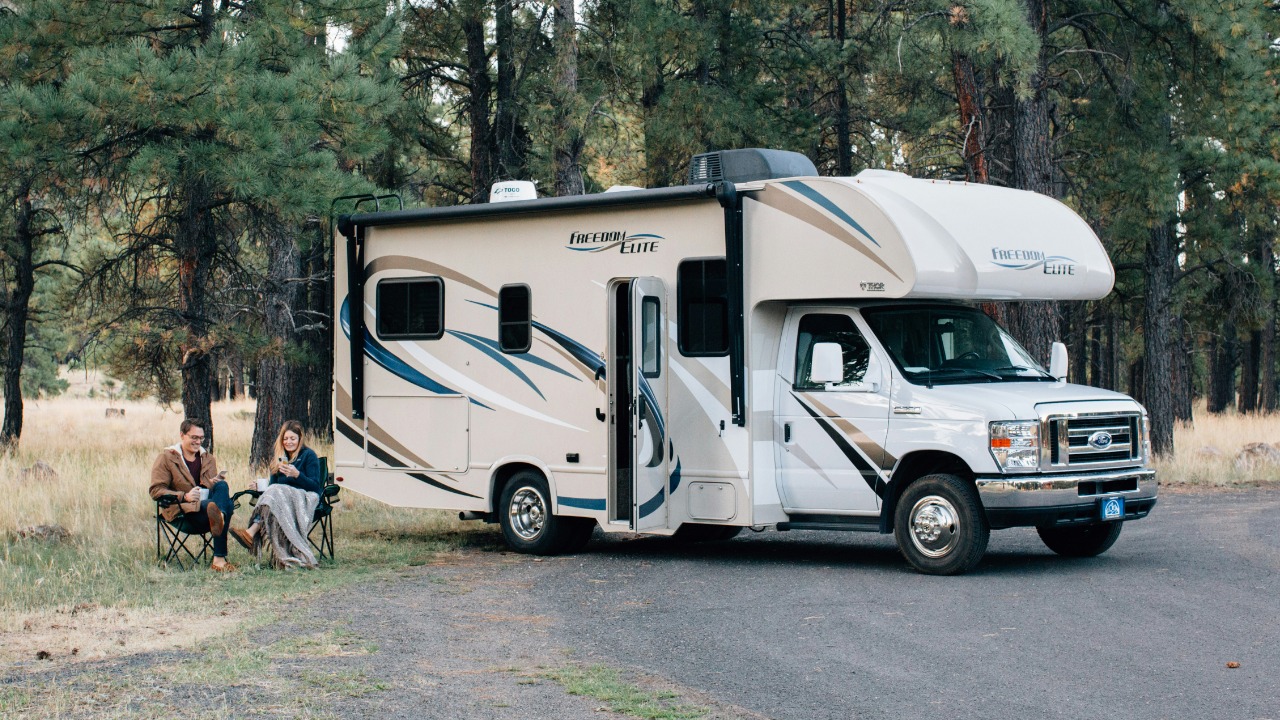
Cutting RV purchases for retirement travel can spare you from long-term costs that quietly snowball. Reporting on 15 reasons retirees regret RVs highlights how ownership comes with ongoing payments for storage, insurance, fuel, campground fees and repairs that do not disappear once the loan is paid off. Those recurring charges compete directly with healthcare, housing and everyday living expenses at a stage of life when income is usually fixed or shrinking.
Instead of locking yourself into a depreciating vehicle, you can rent an RV occasionally, book modest hotels or use home-exchange platforms to travel on your own schedule. That flexibility lets you scale trips up or down as your health, budget or family obligations change. The stakes are high, because overspending on a single lifestyle purchase in retirement can crowd out decades of more meaningful experiences and undermine the financial security you spent years building.
2) Eliminating Unnecessary Subscriptions
Eliminating unnecessary subscriptions is one of the fastest ways to reclaim money you barely notice losing. Detailed coverage of 35 useless expenses singles out forgotten streaming services, premium app tiers and auto-renewed memberships as hidden drains that quietly hit your card every month. Many of these services overlap in what they offer, or you may have signed up for a free trial and never used them again.
I find it useful to pull a full year of bank and credit card statements and circle every recurring charge, from music platforms to cloud storage. Cancel anything you have not used in the last 60 days, and consider downgrading to ad-supported or annual plans for the rest. For households juggling multiple accounts, this simple audit can free up hundreds of dollars a year, money that can be redirected to debt payoff or emergency savings instead of digital clutter.
3) Reducing Dining Out Frequency
Reducing dining out frequency is another expense you are unlikely to miss once you see the totals. The same reporting on budget drains flags restaurant spending as a classic overspend category that delivers convenience but little lasting value. A couple eating out three nights a week can easily spend the equivalent of a monthly car payment without realizing it, especially when drinks, tax and tip are added.
Cooking at home even two extra nights per week can shift that money into higher priorities, from retirement contributions to paying down a high-interest credit card. Batch cooking on Sundays, using meal kits selectively or learning a few 20-minute recipes can keep the time burden manageable. For families, the stakes go beyond savings, since home-cooked meals also make it easier to control nutrition and portion sizes, which can reduce long-term healthcare costs.
4) Canceling Unused Gym Memberships
Canceling unused gym memberships is a cut that almost never backfires. In the list of 35 useless expenses, underused fitness contracts stand out because they combine monthly fees with guilt. Many people sign up in January, go a few times, then keep paying for access they rarely use, often because cancellation requires an in-person visit or certified letter.
Switching to pay-per-class passes, free outdoor workouts or basic equipment at home, such as resistance bands and a jump rope, can maintain your fitness without the recurring bill. If you truly value a gym, you can always rejoin later on a month-to-month plan. The broader implication is that any recurring charge tied to aspirational behavior, rather than actual use, deserves scrutiny, because it diverts money from goals you are already committed to pursuing.
5) Trimming Impulse Buys at Convenience Stores
Trimming impulse buys at convenience stores is a small behavioral shift with outsized impact. Coverage of hidden expenses points to quick-stop purchases like snacks, lottery tickets and marked-up drinks as frequent, low-value leaks. A few unplanned items at the register can turn a simple fuel stop into a ten or fifteen dollar detour, repeated several times a week.
I recommend setting a rule to buy gas only at stations where you rarely go inside, or to pay at the pump and keep a reusable water bottle and snacks in the car. Over a year, cutting even ten dollars a week in impulse spending frees more than five hundred dollars for savings or debt reduction. For lower-income households, plugging this leak can be the difference between covering a surprise bill in cash or resorting to high-cost credit.
6) Dropping Premium Cable TV Packages
Dropping premium cable TV packages is another expense you are unlikely to mourn. The analysis of outdated services notes that large channel bundles and premium tiers often cost far more than modern alternatives while delivering channels you never watch. Many households pay for sports, movie and international add-ons simply because they were included in a promotional bundle that quietly reset to full price.
By shifting to a basic internet plan and a couple of carefully chosen streaming services, you can often cut your monthly bill in half. Rotating subscriptions, for example keeping one platform at a time, prevents costs from creeping back up. The stakes are particularly high for retirees and fixed-income households, where recurring utility-style bills like cable can crowd out savings for medical care, home maintenance and other essentials.
7) Avoiding Designer Coffee Habits Daily
Avoiding designer coffee habits daily is a textbook example of cutting a luxury you will not regret. In the rundown of everyday budget busters, specialty drinks from chains like Starbucks or local cafes are singled out because small, recurring purchases add up quickly. A five dollar latte on workdays totals roughly one hundred dollars a month, or more than one thousand dollars a year, for something that is gone in minutes.
Brewing coffee at home, using a French press or investing in a basic espresso machine can bring the per-cup cost down to cents while still feeling like a treat. You might reserve cafe visits for planned meetups or travel days instead of defaulting to a daily habit. Over time, redirecting that money into an investment account or extra loan payments can have a far greater impact on your net worth than any single drink ever will.
8) Limiting Ride-Sharing Service Usage
Limiting ride-sharing service usage is another change that pays off quickly. The same reporting on transportation overspending notes that frequent use of apps like Uber and Lyft can quietly inflate monthly costs, especially when surge pricing, tips and booking fees are included. Short trips that feel cheap in the moment can rival the cost of owning or leasing a modest car when used several times a day.
Whenever possible, I suggest combining errands, using public transit, carpooling or walking for distances under a mile. For city residents, a monthly transit pass plus occasional car rentals for longer trips often beats relying on ride shares for everything. The broader trend is that convenience technology can mask true costs, so setting personal rules, such as limiting ride-share use to late-night safety situations, helps keep your budget aligned with your priorities.
9) Cutting Back on Bottled Water Purchases
Cutting back on bottled water purchases is a rare win for both your wallet and the environment. In the catalog of avoidable wastes, single-use water bottles stand out because tap water or filtered pitchers provide the same function at a fraction of the price. Paying one or two dollars per bottle quickly outpaces the cost of a quality reusable bottle and a basic home filtration system.
Once you get in the habit of filling a stainless steel or BPA-free bottle before leaving home, convenience stores and vending machines become easier to skip. For families, especially those packing school lunches or sports bags, the savings can reach hundreds of dollars a year while also reducing plastic waste. On a larger scale, shifting away from bottled water supports municipal water systems and cuts down on the energy used to produce and transport disposable containers.
10) Forgoing Extended Warranties on Electronics
Forgoing extended warranties on electronics is another expense you are unlikely to miss. The review of rarely beneficial add-ons points out that many extended protection plans duplicate coverage you already have through manufacturer warranties, credit card benefits or consumer protection laws. Retailers often earn high margins on these plans, which is a strong hint that they are not usually a good deal for buyers.
Instead of paying extra at the register for a television, laptop or smartphone, you can set aside the same amount in a dedicated “electronics repair” savings fund. If something breaks outside the standard warranty, you will have cash ready without having paid for multiple overlapping policies. For households buying several devices over a few years, skipping these add-ons can preserve hundreds of dollars that are better invested in higher-quality equipment or future upgrades.
11) Scaling Down on Takeout Meal Deliveries
Scaling down on takeout meal deliveries is a powerful way to cut costs without sacrificing convenience entirely. The list of costly conveniences highlights how delivery apps layer service fees, small order charges and tips on top of already marked-up restaurant prices. A meal that would cost fifteen dollars for pickup can easily reach twenty-five dollars or more once it arrives at your door.
By setting a weekly cap on delivery orders or switching to pickup for nearby restaurants, you keep the treat while trimming the premium. Planning simple freezer-friendly meals for busy nights also reduces the temptation to tap an app when you are tired. For frequent users, especially in urban areas, cutting delivery in half can free up hundreds of dollars a month, money that can be redirected to savings, travel or paying down high-interest debt.
12) Skipping RV Maintenance and Upgrades in Later Years
Skipping RV maintenance and upgrades in later years is less about neglecting safety and more about avoiding a costly ownership trap. The reporting on RV regrets in retirement underscores how aging rigs demand escalating spending on repairs, new appliances, roof work and cosmetic updates just to stay roadworthy. Those bills often arrive precisely when retirees are trying to simplify and cut back.
At a certain point, it can be smarter to sell the RV, rent when you want to travel or shift to other forms of vacationing rather than pouring money into a depreciating asset. That choice frees up cash for healthcare, home modifications or experiences that do not require ongoing mechanical upkeep. The key is recognizing that sunk costs should not dictate future spending, especially in retirement, when every dollar has to work harder for long-term security.
More From TheDailyOverview
- Dave Ramsey warns to stop 401(k) contributions
- 11 night jobs you can do from home (not exciting but steady)
- Small U.S. cities ready to boom next
- 19 things boomers should never sell no matter what

Cole Whitaker focuses on the fundamentals of money management, helping readers make smarter decisions around income, spending, saving, and long-term financial stability. His writing emphasizes clarity, discipline, and practical systems that work in real life. At The Daily Overview, Cole breaks down personal finance topics into straightforward guidance readers can apply immediately.
