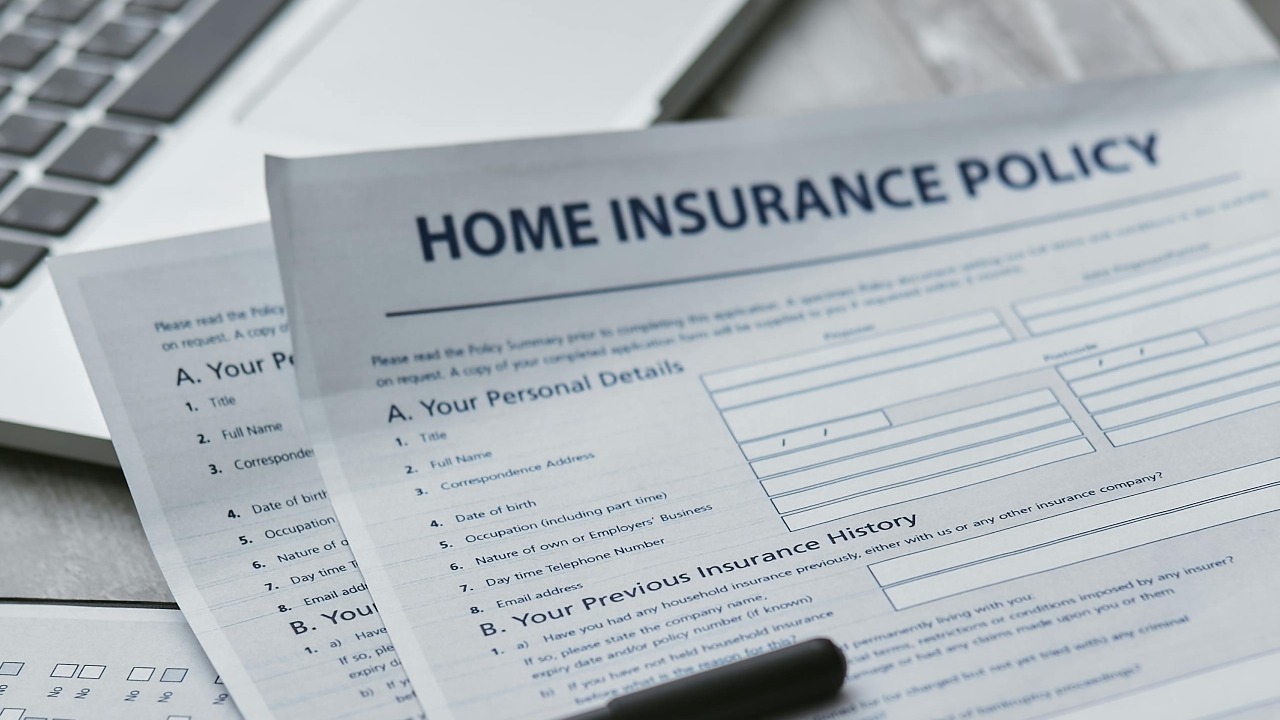
Home insurance claims can be a minefield of potential pitfalls, leading to denials that leave homeowners frustrated and financially vulnerable. Understanding the reasons why claims are often denied is crucial for policyholders who want to ensure their claims are successful. This article explores twelve common reasons home insurance claims are denied, providing insights into how homeowners can navigate these challenges and protect their investments.
Improper Claim Filing Procedures
One of the most common reasons home insurance claims are denied is due to improper filing procedures. Many homeowners are unaware of the specific steps required to file a claim correctly, leading to automatic rejections. According to a 2025 guide, understanding the nuances of claim filing is essential. This includes knowing what documentation is needed, how to report damages accurately, and the importance of timely submissions.
Failing to adhere to these procedures can result in claims being dismissed before they are even fully reviewed. For instance, not providing sufficient evidence of damage or neglecting to report an incident within the insurer’s specified timeframe can lead to a swift denial. Homeowners should familiarize themselves with their policy’s requirements and consult resources that outline the correct filing process to avoid these common pitfalls.
Outdated Filing Knowledge from Pre-2025 Guides
Another significant issue arises when homeowners rely on outdated information from guides published before 2025. Insurance policies and procedures are subject to change, and what was applicable a few years ago may no longer be valid. The 2025 update highlights the importance of staying informed about current filing requirements to ensure claims are processed smoothly.
Relying on outdated information can lead to errors in the claim submission process, such as using incorrect forms or failing to meet new documentation standards. Homeowners should regularly review their insurance policy updates and seek advice from their insurance provider to ensure they are following the most current procedures. This proactive approach can prevent unnecessary claim denials and ensure that homeowners are adequately covered in the event of a loss.
Rising Denial Rates Mirroring Broader Insurance Trends
The trend of rising denial rates is not limited to home insurance; it reflects a broader pattern seen across various types of insurance. A report from USA Today noted a 33% increase in travel insurance claim denials, indicating a tightening of scrutiny across the board. This trend suggests that insurers are becoming more stringent in their evaluations, leading to higher denial rates for home insurance claims as well.
Homeowners should be aware that this increased scrutiny means that even minor discrepancies in their claims could lead to denials. Ensuring that all information is accurate and complete is more critical than ever. Additionally, understanding the specific reasons why claims are denied can help homeowners prepare more robust submissions, reducing the likelihood of rejection.
Multiple Policy Exclusions Overlapping Claim Types
Policy exclusions are a common reason for claim denials, particularly when multiple exclusions overlap with the type of claim being filed. According to a report, there are at least five common exclusion categories that can lead to non-reimbursement. These exclusions often include damages from natural disasters, wear and tear, and certain types of water damage.
Understanding these exclusions is crucial for homeowners to avoid filing claims that are destined for denial. Reviewing the policy thoroughly and discussing any unclear terms with the insurance provider can help clarify what is covered and what is not. By doing so, homeowners can better assess their risks and consider additional coverage options if necessary to fill any gaps in their policy.
Delayed Reporting Tied to Mid-2024 Trends
Delayed reporting of incidents is another factor that can lead to claim denials. Trends observed in mid-2024 indicate that claims filed after certain reporting periods are more likely to be flagged for denial. This is particularly true for claims that are not reported promptly after an incident occurs, as insurers often have strict timelines for when claims must be submitted.
Homeowners should be diligent in reporting any damages or losses as soon as they occur. Keeping detailed records and promptly notifying the insurance company can help ensure that claims are processed without unnecessary delays. This proactive approach can prevent claims from being denied due to late submissions, which is a common issue highlighted in recent trends.
Regional Coverage Gaps in High-Risk States
In states like California, where natural disasters such as wildfires are prevalent, regional coverage gaps can lead to outright claim ineligibility. A report from Bankrate highlights the limited home insurance options available as major carriers pull back from high-risk areas. This withdrawal leaves many homeowners without adequate coverage, making it difficult to file successful claims.
Homeowners in these regions must be particularly vigilant in securing comprehensive coverage that addresses their specific risks. Exploring alternative insurance providers or specialized policies that cater to high-risk areas can help fill these gaps. Additionally, staying informed about changes in the insurance market can help homeowners anticipate potential coverage issues and take proactive steps to mitigate them.
Insurer Withdrawals Impacting Active Policies
Major carriers pulling back from certain markets can void claims mid-policy term, leaving homeowners without coverage when they need it most. This issue is particularly prevalent in areas prone to natural disasters, where insurers may decide to withdraw from the market entirely. As a result, homeowners may find themselves without coverage when an incident occurs, leading to denied claims.
To avoid this scenario, homeowners should regularly review their insurance policies and stay informed about any changes in their provider’s market presence. If a carrier announces plans to withdraw from a region, homeowners should seek alternative coverage options immediately to ensure continuous protection. This proactive approach can prevent unexpected lapses in coverage and ensure that claims are not denied due to policy cancellations.
Market Shifts Documented in Late Summer 2024
Market shifts documented around August 2024 have had a significant impact on insurance claims, particularly those affected by carrier changes. According to a report, these shifts have led to routine denials for claims filed during this period. Homeowners should be aware of how these market dynamics can affect their coverage and claims.
Understanding the timing of these shifts and how they relate to policy changes is crucial for homeowners. By staying informed about market trends and potential changes in their insurance provider’s policies, homeowners can better anticipate potential issues and take steps to secure alternative coverage if necessary. This awareness can help prevent claims from being denied due to unforeseen market changes.
Prior Policy Cancellations Before Loss Events
Homes that have been dropped from coverage before a loss event occurs cannot file valid claims, leaving homeowners without recourse for damages. This issue is particularly concerning in areas prone to natural disasters, where insurers may cancel policies in anticipation of potential losses. As a result, homeowners may find themselves without coverage when they need it most.
To mitigate this risk, homeowners should regularly review their insurance policies and ensure that they are up to date. If a policy is canceled, homeowners should seek alternative coverage immediately to avoid gaps in protection. Additionally, understanding the reasons for policy cancellations can help homeowners address any issues that may lead to future cancellations, ensuring continuous coverage and the ability to file valid claims.
Fire Damage After Coverage Lapse
Structural losses from fires in urban areas like Los Angeles are often denied if insurance coverage was lost beforehand. A report highlights the devastating impact of fires on uninsured homes, emphasizing the importance of maintaining continuous coverage.
Homeowners should be vigilant in ensuring that their insurance policies remain active, particularly in high-risk areas. Regularly reviewing policy terms and conditions, as well as staying informed about potential changes in coverage, can help prevent lapses that could lead to denied claims. Additionally, exploring options for additional coverage, such as fire-specific policies, can provide an extra layer of protection against potential losses.
Early 2025 Cancellations Leading to Uninsured Losses
Claims tied to events occurring after early 2025 cancellations face immediate denial due to lapsed status. This issue is particularly concerning for homeowners who may not be aware of changes in their policy status until it is too late. Ensuring continuous coverage is essential to avoid denied claims and uninsured losses.
Homeowners should regularly communicate with their insurance providers to stay informed about any changes in their policy status. If a policy is canceled, seeking alternative coverage immediately can help prevent gaps in protection. Additionally, understanding the reasons for cancellations can help homeowners address any issues that may lead to future cancellations, ensuring continuous coverage and the ability to file valid claims.
Dubious Reasons for California Policy Terminations
California homeowners face unique challenges when it comes to insurance coverage, with many experiencing policy terminations for dubious reasons. A report highlights the impact of these terminations, leaving homeowners unable to claim on subsequent damages. This issue underscores the importance of understanding the specific reasons for policy cancellations and seeking alternative coverage if necessary.
Homeowners in California should be proactive in addressing any issues that may lead to policy cancellations. Regularly reviewing policy terms and conditions, as well as staying informed about potential changes in coverage, can help prevent unexpected terminations. Additionally, exploring options for additional coverage, such as specialized policies for high-risk areas, can provide an extra layer of protection against potential losses.
More From TheDailyOverview
- Dave Ramsey says these two simple questions show whether you’re rich or poor
- Retired But Want To Work? Try These 18 Jobs for Seniors That Pay Weekly
- IRS raises capital gains thresholds for 2026 and what’s new
- 12 ways to make $5,000 fast that actually work

Elias Broderick specializes in residential and commercial real estate, with a focus on market cycles, property fundamentals, and investment strategy. His writing translates complex housing and development trends into clear insights for both new and experienced investors. At The Daily Overview, Elias explores how real estate fits into long-term wealth planning.

