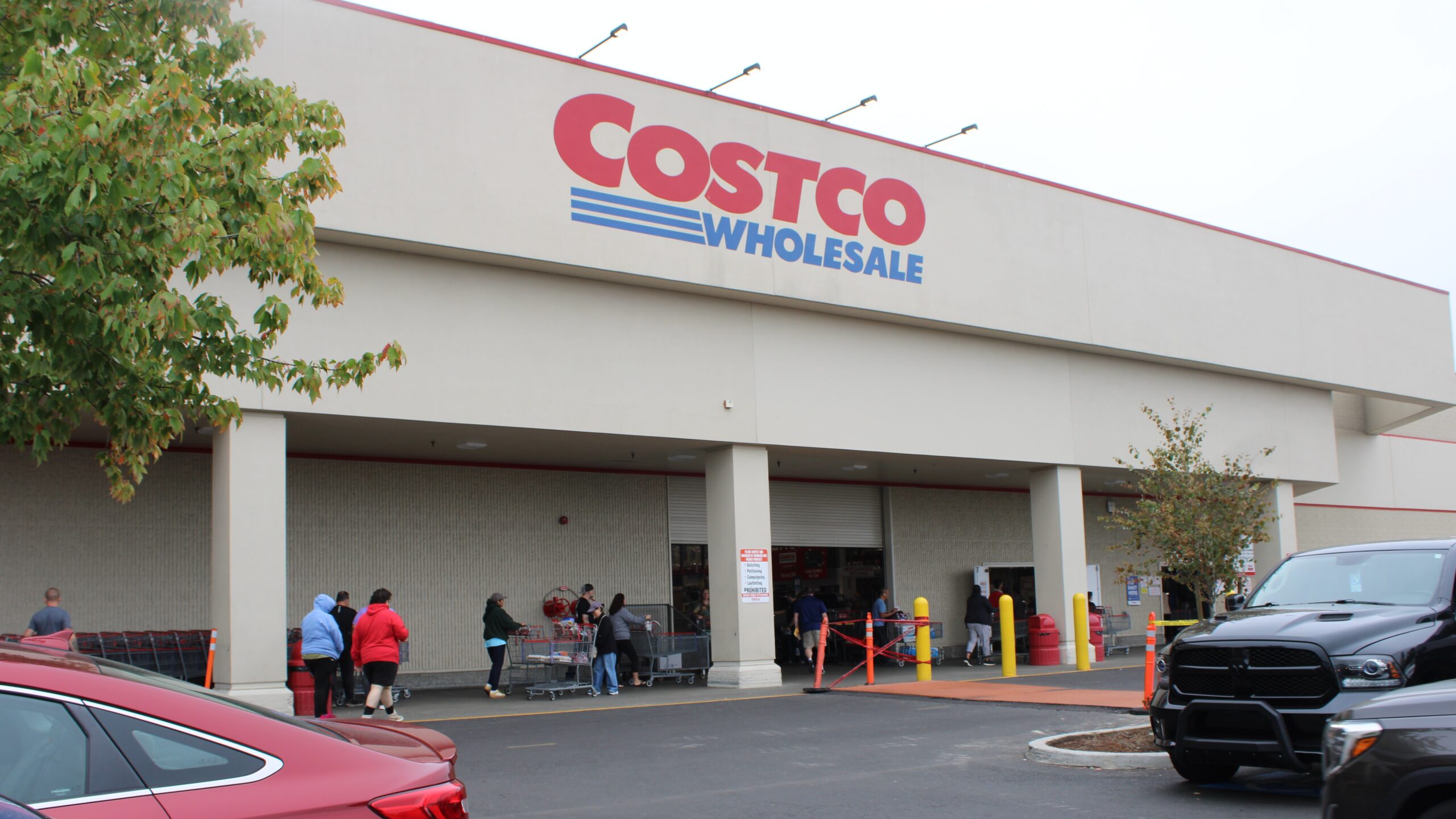
Costco is tightening the rules of its famously generous membership model, and the ripple effects are about to reach millions of loyal shoppers. From stricter entry checks to new tiers of access and food court limits, the warehouse chain is reshaping what it means to belong. The changes are pitched as a way to protect value and crack down on abuse, but they are also testing how far devoted members are willing to bend before the relationship starts to fray.
At the heart of the controversy is a new, more rigid approach to who gets through the door, who gets the best hours, and who can still grab that $1.50 hot dog combo without flashing a card. I see a clear throughline: Costco is betting that a tougher stance on membership will pay off in higher spending and stronger loyalty, even if it means frustrating some of the very shoppers who helped build its cult following.
The new gatekeeping: scanning in before you shop
The most visible shift is happening right at the entrance, where walking in with a quick flash of a card is giving way to a more controlled system. Costco has implemented a stricter policy that requires shoppers to scan their membership before they even start browsing, turning the doorway into a formal checkpoint rather than a casual greeting. The company is effectively moving from a trust-based honor system to a hard verification step, a move that some members see as a reasonable guardrail and others view as an unnecessary hurdle.
Reports describe how this new entry rule has sparked a divide among shoppers, with some praising the tighter control and others calling it inconvenient or unfriendly compared with competitors like Walmart and Target. The stricter process is framed as a way to ensure that only paying members enjoy the low prices and bulk deals, but it also changes the tone of a Costco visit from the moment customers arrive. As Costco has implemented this policy, the company is signaling that access itself is now a core benefit, not just the prices inside.
From photo checks to scanners: the crackdown on card sharing
The tougher entry rules build on a broader campaign to curb membership sharing that has been unfolding over the past few years. Earlier efforts focused on self-checkout, where employees began asking to see cards with photos to make sure the person scanning items was the actual member. That approach relied heavily on staff vigilance and manual checks, which could be inconsistent and sometimes awkward for both workers and shoppers.
Now the company is layering in technology to make that enforcement more systematic. New membership scanners at the entrance are designed to verify cards before shoppers even reach the registers, reducing the chances that someone can enter using someone else’s card. The retailer has been clear that it is cracking down on people who try to gain entry using another person’s membership, and the shift from casual visual checks to formal scanning reflects that priority. As Costco is cracking on this behavior, the message is blunt: the card is personal, and the system will increasingly treat it that way.
High-tech entry: kiosks, scanners and a new front-door routine
The new gatekeeping is not just about policy language, it is about hardware. Warehouses are rolling out dedicated membership scanners and kiosks that change the choreography of walking into the store. Instead of flashing a card at an employee who might wave you through, shoppers are being asked to scan their membership at a device that verifies their status in real time. The process is more formal, but it also gives the company cleaner data on who is entering and when.
In some locations, the retailer is testing or installing systems that require a digital or physical card scan at the entrance, with staff nearby to help anyone who struggles with the technology. The company has framed this as a way to streamline entry and reduce misuse, while also nudging more people toward digital membership tools that can be managed through an account or app. As Costco is changing the way members enter the warehouse, the front door is becoming a controlled access point rather than a loose threshold.
Executive members move to the front of the line
While the company is tightening access for everyone, it is also quietly elevating its most lucrative customers. Executive cardholders are being given exclusive early shopping hours, effectively turning time into a premium benefit. On weekdays, these shoppers can enter at 9 a.m., while other members must wait until 10 a.m., a full hour of quieter aisles and easier parking that is reserved for those paying for the higher tier.
This change is not a small tweak, it reshapes the daily rhythm of the warehouse and creates a clear hierarchy among members. The company has framed the move as a way to increase value and convenience for Executive shoppers, who already pay more for their membership and tend to spend more per visit. As Costco has implemented this policy, the warehouse floor itself is being divided by time, with early access becoming a perk that regular members can see but not share.
The $130 question: who gets left behind?
The push to reward top-tier members is closely tied to the price of entry. Executive Membership, which costs $130 annually, is the more expensive option in the company’s lineup, and it is increasingly the key that unlocks the best perks. Shoppers who do not have this higher tier are finding that some of the most attractive benefits, from early hours to richer rewards, are now out of reach unless they upgrade.
That strategy is not accidental. Executive members account for a large share of the company’s revenue, and the retailer has been explicit that these cardholders drive a significant portion of sales. By making the gap between standard and Executive membership more visible, the company is nudging regular members to consider paying more or accepting a second-class experience. As Executive Membership at $130 becomes the gateway to the full suite of benefits, the risk is that some long-time shoppers will feel that loyalty alone is no longer enough.
Food court shock: scanning for a $1.50 hot dog
Few symbols capture the brand’s identity like its food courts, and that is exactly why the latest change there has stirred such strong feelings. The company is rolling out a requirement that customers scan a digital membership before ordering at the food court, ending the informal tradition of non-members grabbing a quick bite. For many shoppers, the idea that you now need to prove membership just to buy the iconic $1.50 hot dog combo feels like a line in the sand.
The shift is part of a broader effort to tie every part of the experience, including the food court, to verified membership status. Reports describe how locations are installing scanners and training staff to enforce the rule, with some warehouses already requiring a digital scan before any order is placed. As Costco ends a long-standing food court tradition, the company is making it clear that even the $1.50 combo is now a members-only privilege.
New perks, new trade-offs in 2026
Alongside the tougher rules, the retailer is also adding fresh benefits in 2026 in an effort to keep the value proposition compelling. The company has introduced new membership perks that promise more rewards and convenience, positioning them as a follow-up to earlier controversial changes. These additions are meant to reassure shoppers that while access is getting stricter, the payoff for staying loyal is also growing.
Some of the new benefits are designed to deepen engagement, from enhanced rewards structures to expanded services that are only available to cardholders. The company is effectively saying that if members accept more rules and more verification, they will receive more in return. As Costco Just Added 2026, the balance between friction and value is being recalibrated in real time.
Why the membership squeeze is here to stay
From the company’s perspective, these moves are not just about policing the doors, they are about protecting a business model that depends on paid loyalty. Costco Wholesale Corporation’s COST membership-driven strategy has long delivered steady growth, with renewal rates that are among the highest in retail. The company has every incentive to guard that engine, even if it means introducing policies that some shoppers find unpopular.
Executives have signaled that controversial changes aimed at increasing value and convenience for core members are likely to remain in place, especially when they appear to be working financially. Investors have responded positively to steps that deepen the relationship with high-spending cardholders, reinforcing the idea that the membership squeeze is not a temporary experiment. As Costco Wholesale leans into this strategy, the company is effectively betting that its most loyal shoppers will accept more rules in exchange for long-term value.
How far can loyalty stretch?
For millions of members, the question now is how these overlapping changes will feel in everyday life. A typical trip might soon involve scanning a card at the door, navigating crowds that are shaped by Executive-only hours, and proving membership again at the food court just to order the $1.50 combo. Each step on its own may seem minor, but together they add up to a more controlled, less casual version of the warehouse experience that many shoppers grew up with.
The company is confident that its formula of low prices, curated products and strong service will keep people renewing even as the rules tighten. Its membership model continues to deliver predictable growth, with renewal rates that remain high in the United States, Canada and worldwide markets. As Membership Model Continues to Deliver Predictable Growth, the retailer is pushing the boundaries of how much structure a loyalty program can impose before it starts to feel less like a perk and more like a gate.
The bigger picture: a warehouse that feels more like a club
Viewed together, the new entry scanners, stricter card checks, Executive-only hours and food court restrictions are turning the warehouse into something closer to a private club. Access is no longer a soft expectation but a hard requirement, enforced by technology and policy at multiple points in the visit. That shift may frustrate some casual shoppers, but it also reinforces the idea that membership is a tangible asset that must be protected.
The company’s own messaging and digital presence underscore this focus, from the way benefits are highlighted on Costco online to the emphasis on Executive tiers in recent policy updates. Video segments have described how Costco’s controversial shopping policy is officially taking effect, noting that back in June the warehouse chain allowed shoppers to test some of these changes before rolling them out more broadly. As Costco and June the pilots give way to full implementation, the retailer is making a clear statement: the future of its business lies in deeper, more tightly managed membership, even if that means some long-time fans feel the club they joined is not quite the same one they are walking into today.
More From The Daily Overview
*This article was researched with the help of AI, with human editors creating the final content.

Silas Redman writes about the structure of modern banking, financial regulations, and the rules that govern money movement. His work examines how institutions, policies, and compliance frameworks affect individuals and businesses alike. At The Daily Overview, Silas aims to help readers better understand the systems operating behind everyday financial decisions.

