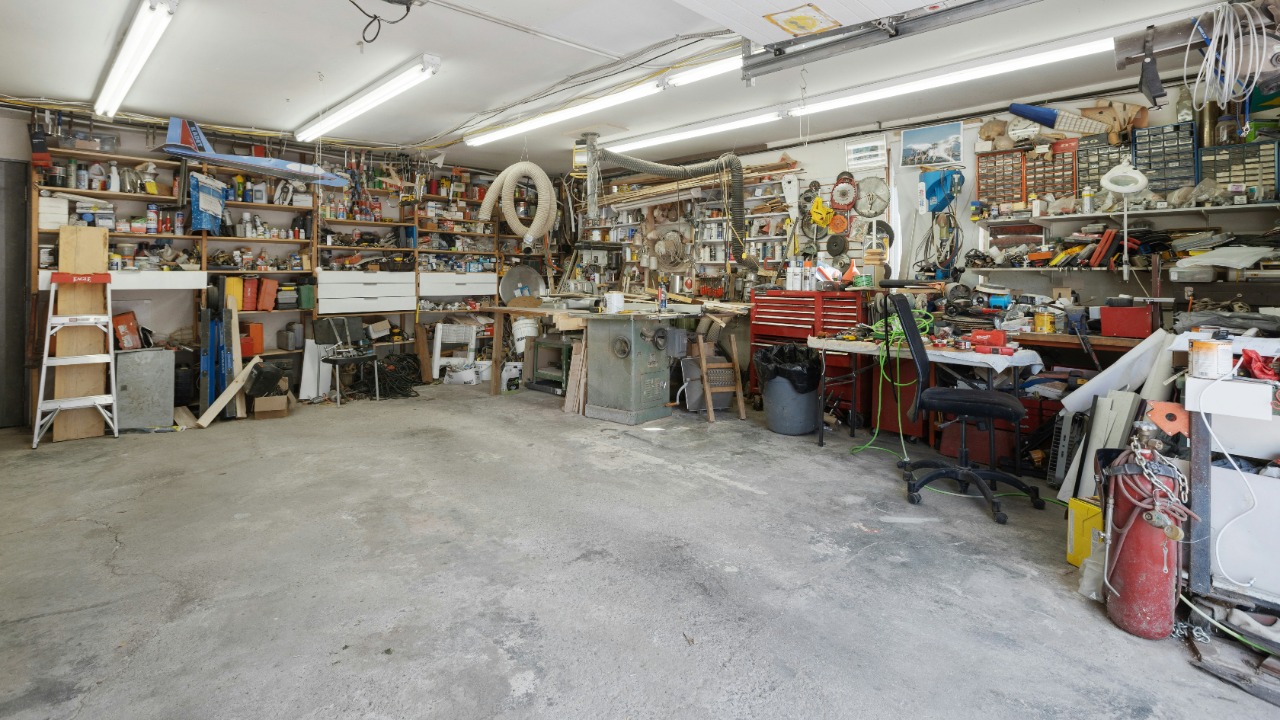
To make the most out of your garage space, it’s crucial to know what not to store there. While it might seem convenient to stash away various items, some belongings can be damaged or even cause safety hazards when kept in a garage. Understanding these risks can save you time, money, and potential heartache. Here are 12 items you should never store in your garage.
Paint and Solvents
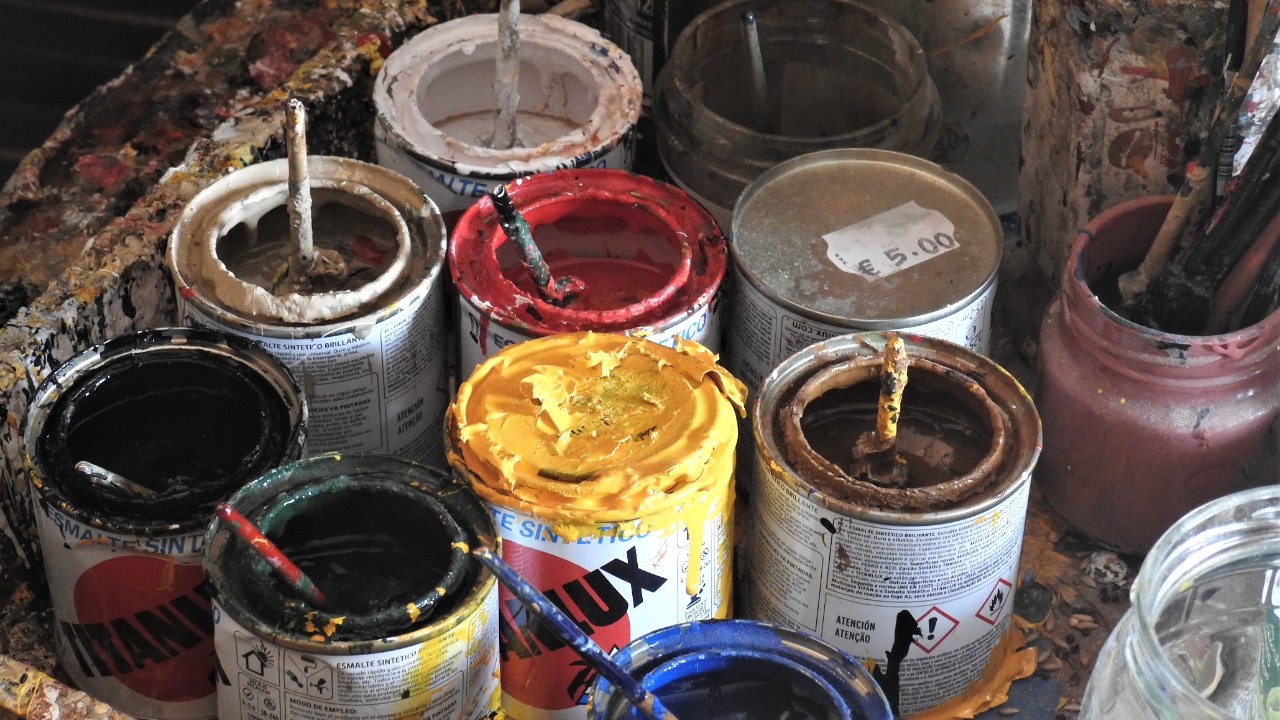
Paint and solvents can degrade rapidly when subjected to fluctuating temperatures, which is common in garages. Extreme heat or cold can cause these materials to separate or thicken, rendering them useless for future projects. Besides, solvents can emit fumes that might be dangerous in enclosed spaces. It’s better to store these items in a climate-controlled area to maintain their integrity and safety.
Moreover, the potential for spills and leaks in a garage environment can lead to hazardous conditions. Consider storing your paint and solvents in a basement or utility room where temperatures are more stable. For more on this, check this guide on items to keep out of your garage.
Propane Tanks
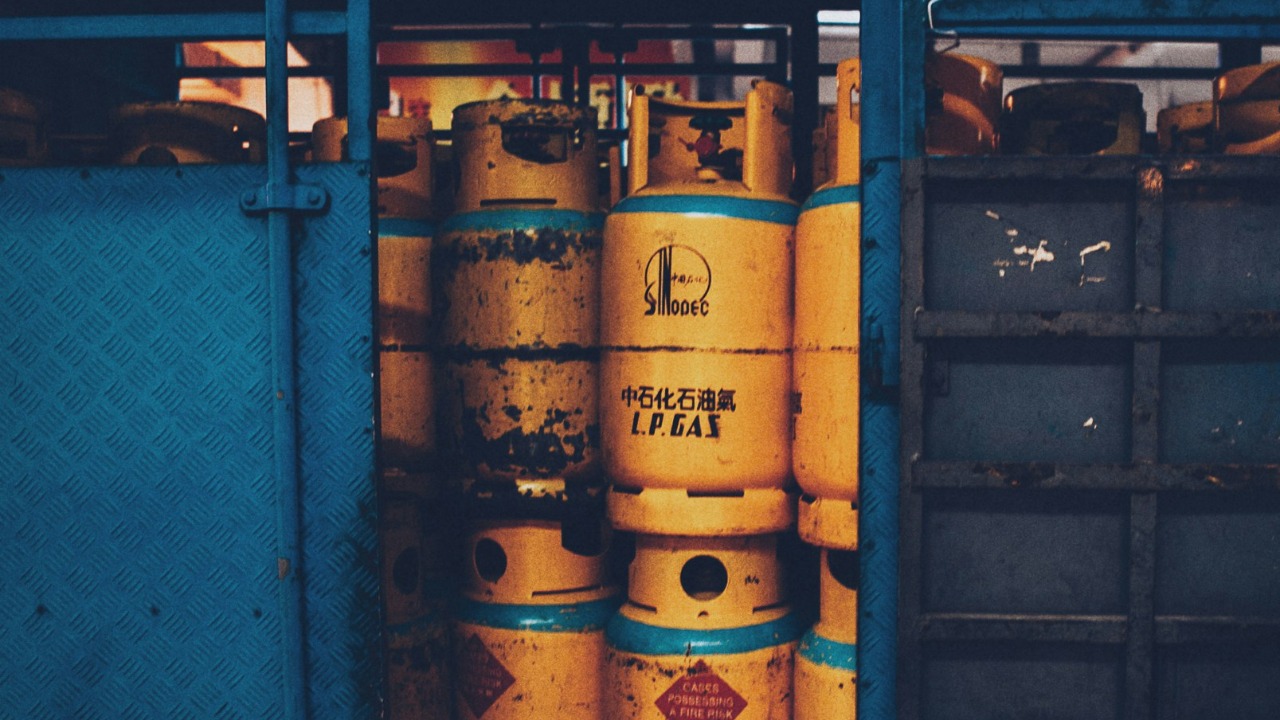
Storing propane tanks in a garage can pose a significant safety risk. In the event of a leak, the gas can accumulate and create a highly flammable environment. A single spark could ignite the gas, leading to dangerous explosions. This risk is particularly high during the summer months when the heat can increase pressure inside the tank.
For safe storage, it is advisable to keep propane tanks outdoors in a well-ventilated area, away from living spaces. Ensure they are upright and secure to prevent tipping or accidental release of gas. More safety tips can be found in this related article.
Wooden Furniture

Wooden furniture is susceptible to damage from the fluctuating humidity and temperature levels often found in garages. These conditions can cause wood to warp, crack, or become infested with pests like termites. If you have valuable wooden pieces, it’s best to store them in a climate-controlled environment where humidity levels are stable.
Additionally, garages are prone to dust and dirt accumulation, which can further deteriorate the condition of your furniture. Covering pieces with a cloth can help, but it’s not a substitute for proper storage conditions. For more details on how to store wooden items safely, you can read this research article.
Canned Food
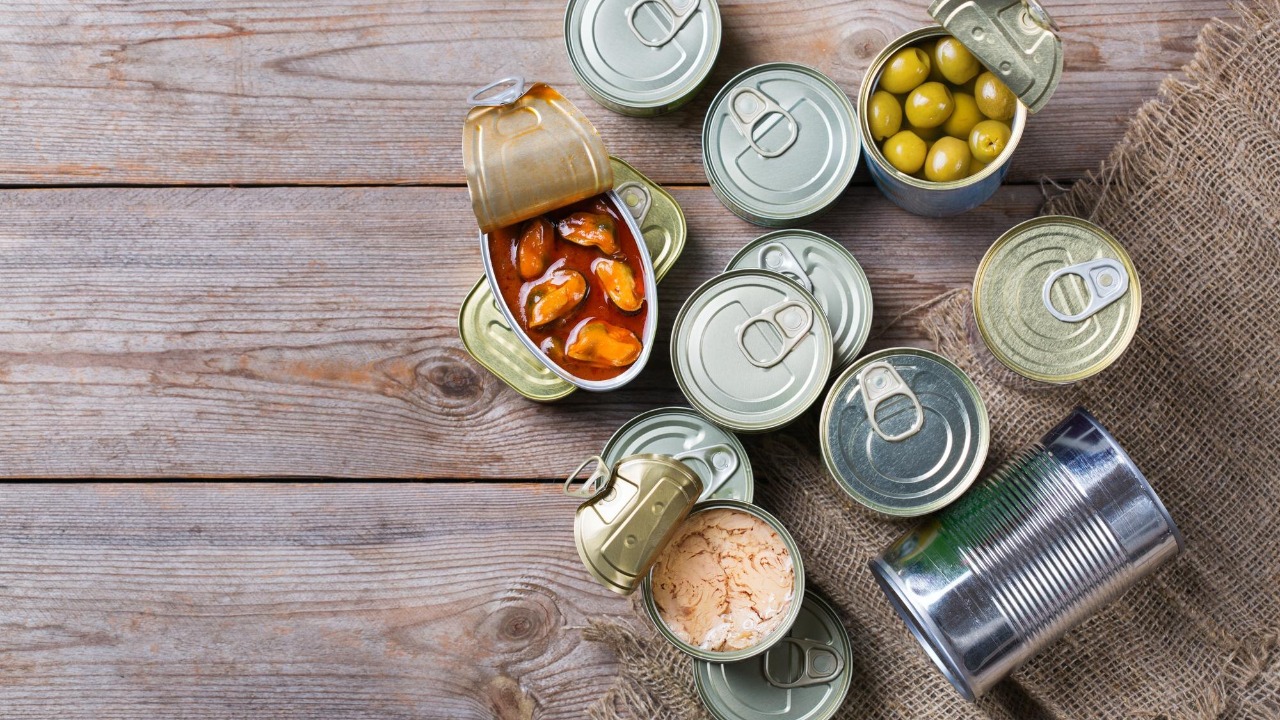
While it might seem like a convenient storage solution, canned food can spoil more quickly in a garage. Temperature fluctuations can cause cans to expand and contract, potentially leading to compromised seals and spoilage. Additionally, extreme temperatures can degrade the nutritional quality of the contents.
Storing canned goods in a pantry or kitchen cabinet is a better option to maintain their quality and safety. Consistent temperatures and humidity levels are key to preserving food for longer periods.
Electronics

Electronic devices are particularly sensitive to temperature and humidity changes, which can lead to internal damage and reduced lifespan. Storing electronics in a garage can expose them to dust and pests, further increasing the risk of damage.
It’s best to find a space indoors with controlled temperature and humidity to preserve your electronics. If you’re storing items like old televisions or computers, consider donating or recycling them instead of risking damage in a garage setting.
Photographs and Important Documents

Photographs and important documents are vulnerable to damage from moisture, heat, and pests. Garages often lack the necessary climate control to preserve these items, leading to fading, discoloration, and even mold growth.
For long-term preservation, store photographs and documents in acid-free containers within a stable indoor environment. Consider digitizing these items to ensure you have a backup in case of physical damage.
Clothing and Bedding

Clothing and bedding can easily become victims of pests and mildew when stored in a garage. The fluctuating temperatures create a perfect breeding ground for mold and bugs, which can quickly ruin fabric items.
To protect your clothing and bedding, it’s advisable to store them in airtight containers inside a closet or wardrobe. For added protection, include moisture-absorbing packets to minimize the risk of mold and mildew.
Wine

Wine requires specific storage conditions to maintain its quality, and a garage is far from ideal. Temperature and humidity fluctuations can spoil the wine, causing it to age prematurely or develop off-flavors.
If you enjoy collecting wine, consider investing in a wine refrigerator or storing your bottles in a cool, dark space with consistent temperature and humidity levels. Proper storage is essential to preserve the taste and integrity of your wine collection.
Pet Food

Storing pet food in a garage can attract pests like rodents and insects, leading to contamination and spoilage. The fluctuating temperatures can also cause the food to degrade faster, diminishing its nutritional value.
To keep your pet food safe and fresh, store it indoors in an airtight container. This not only preserves the quality of the food but also ensures that your pets are consuming safe, uncontaminated meals.
Firewood
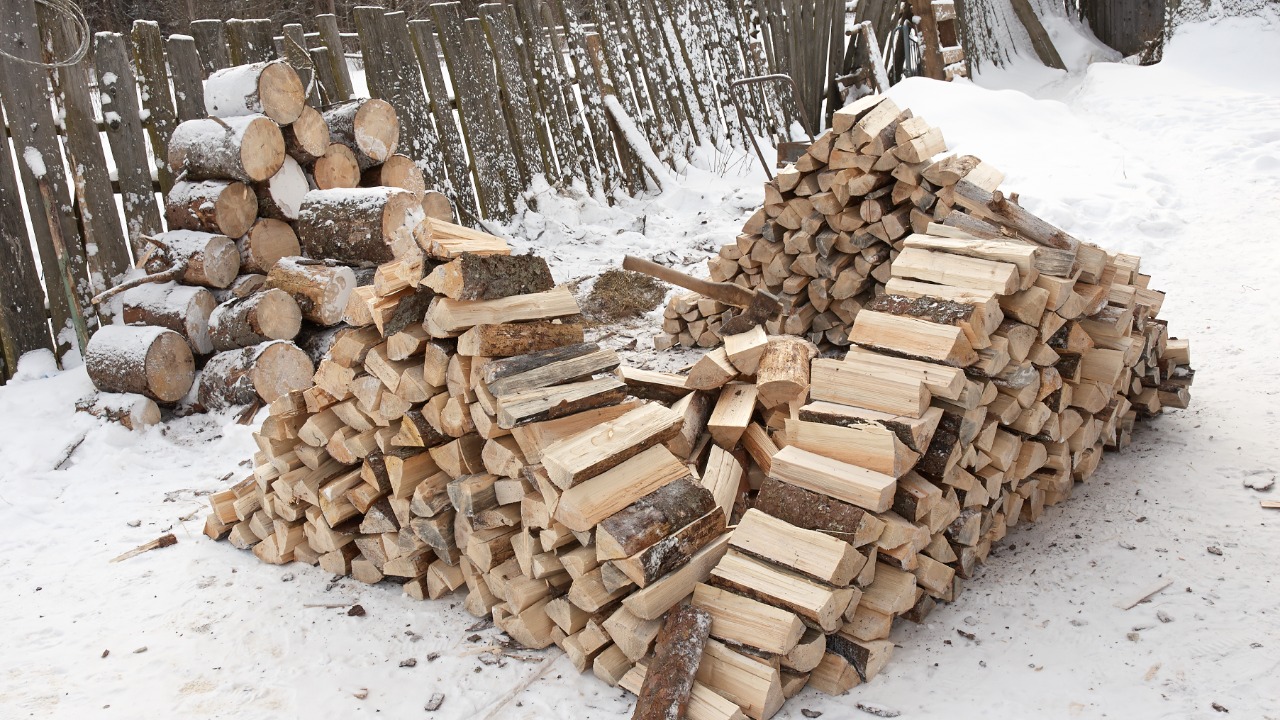
While it might seem logical to store firewood in a garage, doing so can introduce pests like termites and ants into your home. Firewood can also trap moisture, leading to mold growth and unpleasant odors.
It’s best to store firewood outside, off the ground, and covered to protect it from the elements. Ensure it’s stored away from your home to prevent any potential pest infestations.
Musical Instruments

Musical instruments are delicate and require specific environmental conditions to maintain their sound quality and structure. Garages lack the necessary climate control, which can cause wood to warp and strings to snap.
For optimal preservation, store instruments in a temperature and humidity-controlled environment. Regular maintenance and cleaning can also help extend the life of your instruments, ensuring they remain in excellent condition for years to come.
Artwork and Antiques
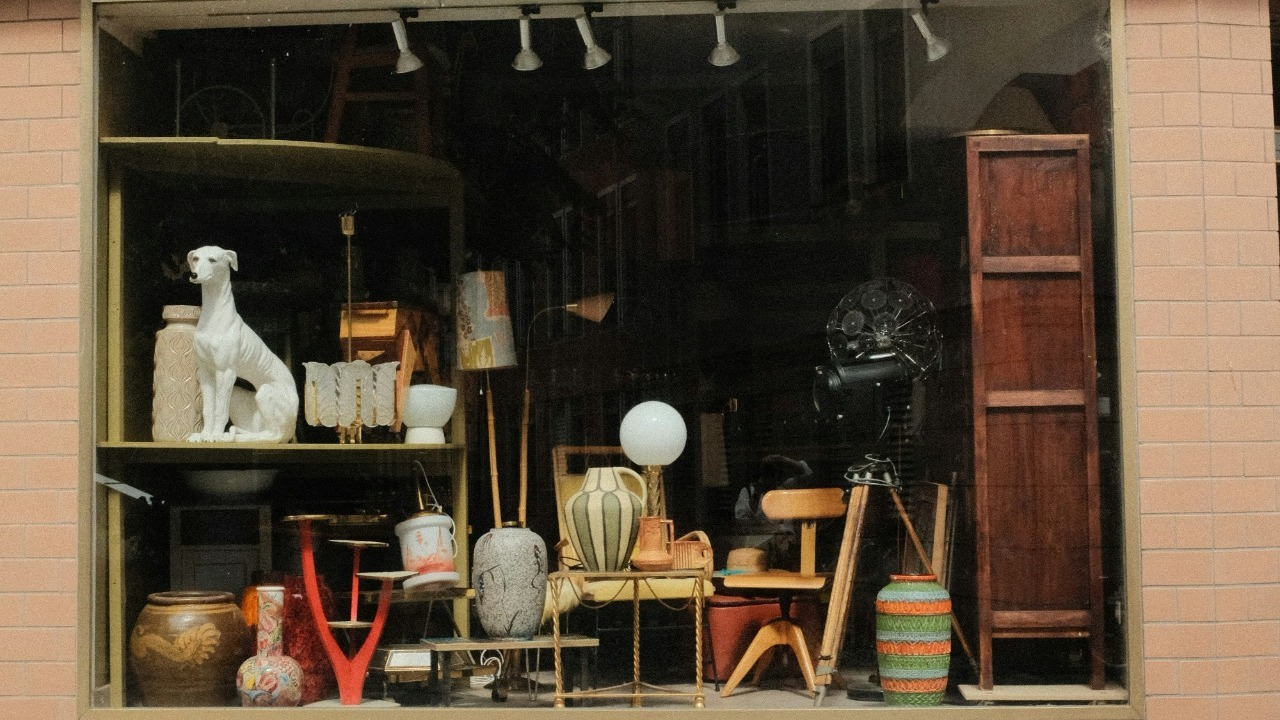
Artwork and antiques are particularly vulnerable to damage from heat, moisture, and pests. Storing these valuable items in a garage can lead to irreparable damage, reducing their value and aesthetic appeal.
To protect your investments, store artwork and antiques in a climate-controlled room where temperature and humidity levels are stable. You might also consider professional storage solutions for particularly valuable pieces. For more storage ideas, visit this article.

Cole Whitaker focuses on the fundamentals of money management, helping readers make smarter decisions around income, spending, saving, and long-term financial stability. His writing emphasizes clarity, discipline, and practical systems that work in real life. At The Daily Overview, Cole breaks down personal finance topics into straightforward guidance readers can apply immediately.
