
Bank fees can be a source of frustration, but there are practical ways to avoid them. By being proactive and informed, you can save money and keep your finances in check. Here are nine simple strategies to minimize or even eliminate bank fees from your financial life.
Maintain a Minimum Balance

One of the easiest ways to avoid bank fees is to maintain a minimum balance in your account. Many banks, like Chase and Bank of America, waive monthly maintenance fees if you keep a certain amount deposited. Check with your bank to see what the threshold is and make a plan to consistently stay above it. This not only helps you avoid fees but also serves as a buffer for unexpected expenses.
However, it’s essential to know what counts toward this minimum balance. While direct deposits and linked accounts may contribute, some banks might not count pending transactions. Make sure to understand the fine print of your bank’s policy to avoid any surprises.
Use In-Network ATMs

ATM fees can add up quickly if you’re using machines outside your bank’s network. Stick to in-network ATMs to avoid these charges. Most banks offer apps or online tools to locate the nearest fee-free ATM. Consider planning your cash withdrawals so you only use these machines when necessary.
If you often find yourself needing cash on the go, some banks, like Capital One and Allpoint, offer extensive networks of fee-free ATMs. Switching to a bank with a more convenient network may be worth considering if you frequently face ATM fees.
Opt for Direct Deposit

Direct deposit isn’t just convenient; it’s also a way to avoid bank fees. Many banks will waive monthly fees if you have a regular direct deposit, such as your paycheck. This steady flow of funds can also help you maintain that minimum balance easily.
Not only does direct deposit help with fees, but it can also accelerate your access to funds. Some banks, including Wells Fargo and Fifth Third Bank, offer early access to direct deposits, giving you quicker access to your hard-earned money.
Set Up Account Alerts

Account alerts can be a powerful tool in avoiding bank fees. By setting up notifications for low balances, large transactions, or payment due dates, you can stay on top of your account activity and avoid overdrafts or late fees. Most banks offer customizable alerts via email or text.
For example, Bank of America and Wells Fargo provide a variety of alert options that can be tailored to your needs. These alerts can serve as a helpful reminder to monitor your account and make any necessary adjustments in real-time.
Avoid Overdraft Protection

While overdraft protection might sound helpful, it often leads to more fees. Instead of opting in, consider declining this service to avoid charges for covering insufficient funds. This can prompt you to monitor your account balance more closely.
Some banks, like Ally and Discover, offer free overdraft transfers from linked accounts, providing a cushion without extra fees. Review your bank’s overdraft policy and explore alternative options that don’t involve costly penalties.
Go Paperless
Switching to paperless statements is an easy way to avoid unnecessary fees. Many banks charge for paper statements, but by opting for electronic versions, you can eliminate this cost. Going paperless also helps you stay organized and reduces clutter.
Most banks, such as Citibank and HSBC, provide incentives for going paperless, like reducing the monthly fee or offering enhanced digital tools. Review your bank’s options to make the switch and save on fees.
Consider Online Banks
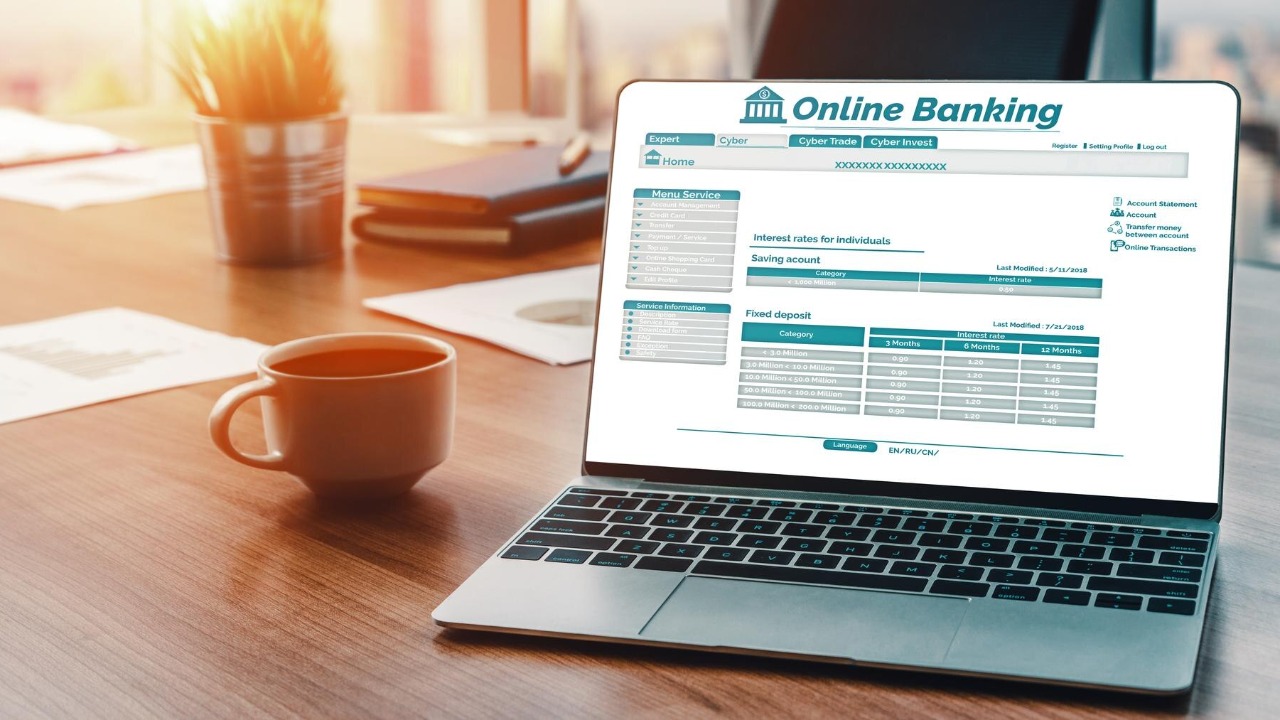
Online banks often have fewer fees than traditional banks. Institutions like Ally, Chime, and Marcus by Goldman Sachs offer no monthly maintenance fees, free ATM access, and competitive interest rates. If you rely heavily on digital banking, switching to an online bank could be a cost-effective choice.
These banks typically offer straightforward fee structures and lower overhead costs, passing those savings on to you. Read reviews and compare your options to find an online bank that fits your financial lifestyle.
Regularly Review Your Account
Regularly reviewing your account statements can help you spot unnecessary fees and unauthorized transactions. By catching these issues early, you can address them promptly and avoid future charges. Make it a monthly habit to go over your statements, either online or through your bank’s mobile app.
If you notice any unfamiliar fees, contact your bank to discuss them. Many financial institutions are willing to waive fees for loyal customers who promptly report discrepancies.
Negotiate with Your Bank

Don’t underestimate the power of negotiation when it comes to avoiding bank fees. If you’ve been a long-time customer or have a good relationship with your bank, they might be willing to waive certain fees. Banks like Wells Fargo and Chase have been known to accommodate requests for fee waivers.
Prepare yourself with information on your account history and be clear about what you’re asking for. If you’re firm yet polite, you may find your bank surprisingly receptive to waiving fees or adjusting terms to better suit your needs. For more tips on how to negotiate, check out this guide.

Silas Redman writes about the structure of modern banking, financial regulations, and the rules that govern money movement. His work examines how institutions, policies, and compliance frameworks affect individuals and businesses alike. At The Daily Overview, Silas aims to help readers better understand the systems operating behind everyday financial decisions.

