
As we approach late summer, businesses are voicing concerns about potential price increases. Several factors are at play, each contributing to the complex web of economic challenges. From supply chain disruptions to inflationary pressures, these issues impact everything from daily consumer goods to long-term investments. Understanding these dynamics is crucial for both businesses and consumers as they navigate the evolving economic landscape.
Supply Chain Disruptions
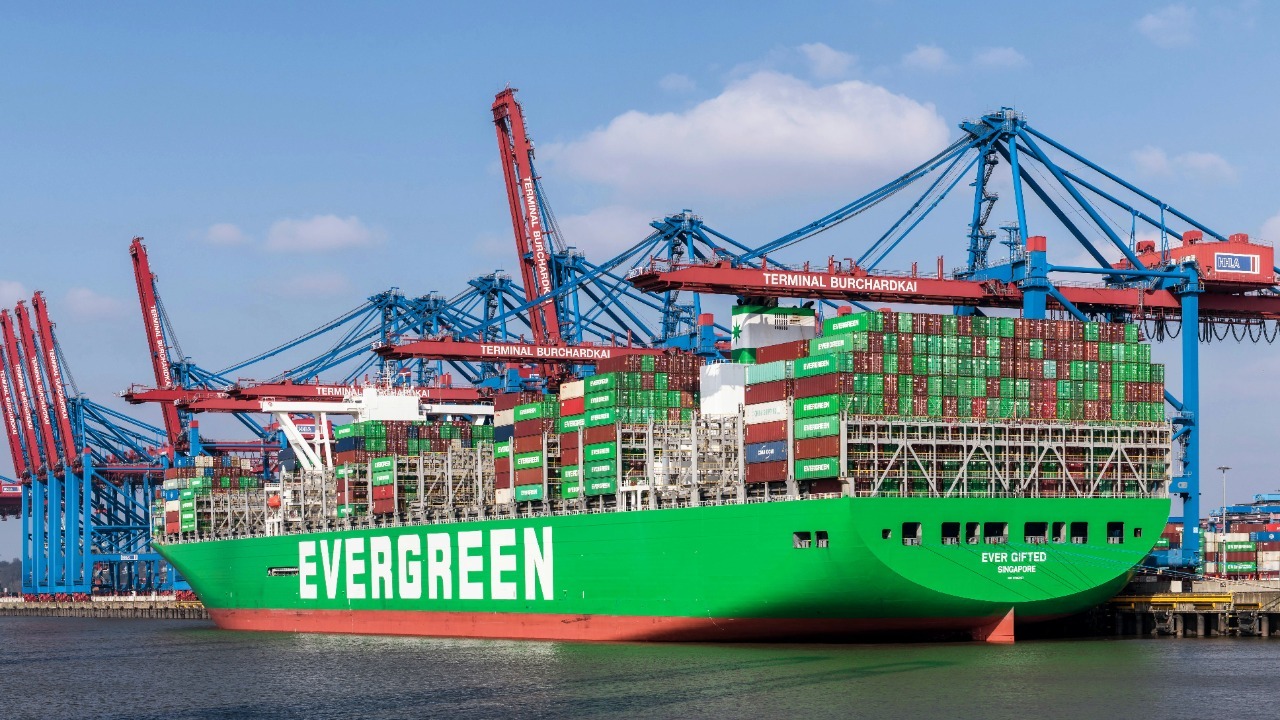
Global supply chains have been under significant strain in recent years. The lingering effects of the COVID-19 pandemic, combined with unexpected events like the Suez Canal blockage, have caused delays and increased costs. Businesses face difficulty sourcing components and materials, which can lead to increased prices for consumers. For instance, the automotive industry has experienced shortages of semiconductor chips, slowing down production and driving up car prices.
Additionally, the ongoing trade tensions between major economies contribute to supply chain unpredictability. Tariffs and trade restrictions can lead to increased costs of imported goods, which businesses often pass on to consumers. Read more about the impact of trade wars on inflation.
Rising Labor Costs

With unemployment rates dropping and demand for skilled workers increasing, businesses are facing higher labor costs. Companies are raising wages to attract and retain talent, which may lead to increased product prices. In sectors like retail and hospitality, labor costs can account for a significant portion of expenses, compelling businesses to adjust their pricing strategies.
The push for higher minimum wages in various regions also contributes to rising labor costs. While this benefits workers, businesses must balance the increased expenses by optimizing operations or adjusting prices. For example, Amazon and Walmart have both announced wage increases for their employees, reflecting this trend.
Increased Demand for Goods

The post-pandemic economic recovery has led to a surge in demand for goods, especially in sectors like tech and home improvement. As consumers continue to spend more on electronics, home appliances, and furnishings, businesses may find it challenging to keep up with demand, resulting in price hikes.
Moreover, seasonal demand fluctuations, such as back-to-school shopping and holiday seasons, can further strain supply chains and inventory levels. This increased demand is a key factor in potential price increases, particularly for popular products like laptops and smartphones.
Energy Price Volatility
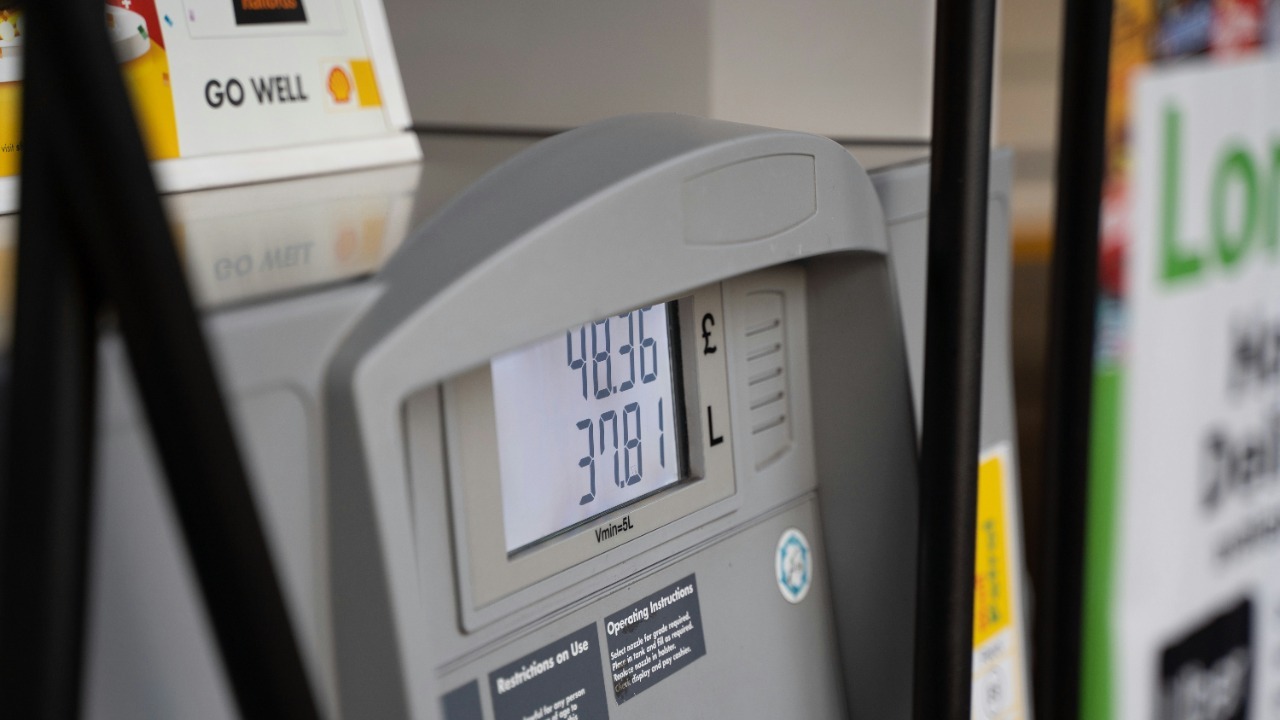
Energy prices have been volatile in recent months, impacting production and transportation costs. Fluctuations in oil and gas prices can have a ripple effect across various industries, leading to increased costs for businesses and, ultimately, consumers.
For example, rising fuel prices can increase the cost of shipping and logistics, which affects everything from grocery prices to online shopping delivery fees. As energy markets remain unpredictable, businesses must navigate these challenges carefully to maintain profitability without alienating customers.
Geopolitical Tensions

Geopolitical tensions, such as conflicts and trade disputes, can disrupt global markets and contribute to price instability. Sanctions, tariffs, and trade barriers can increase the cost of goods and raw materials, affecting industries dependent on international trade.
For instance, the ongoing tensions between the U.S. and China have led to increased tariffs on various products, impacting consumer electronics and apparel. Businesses must navigate these geopolitical challenges while trying to maintain competitive pricing strategies. Learn more about the impact of geopolitical tensions on trade.
Currency Fluctuations
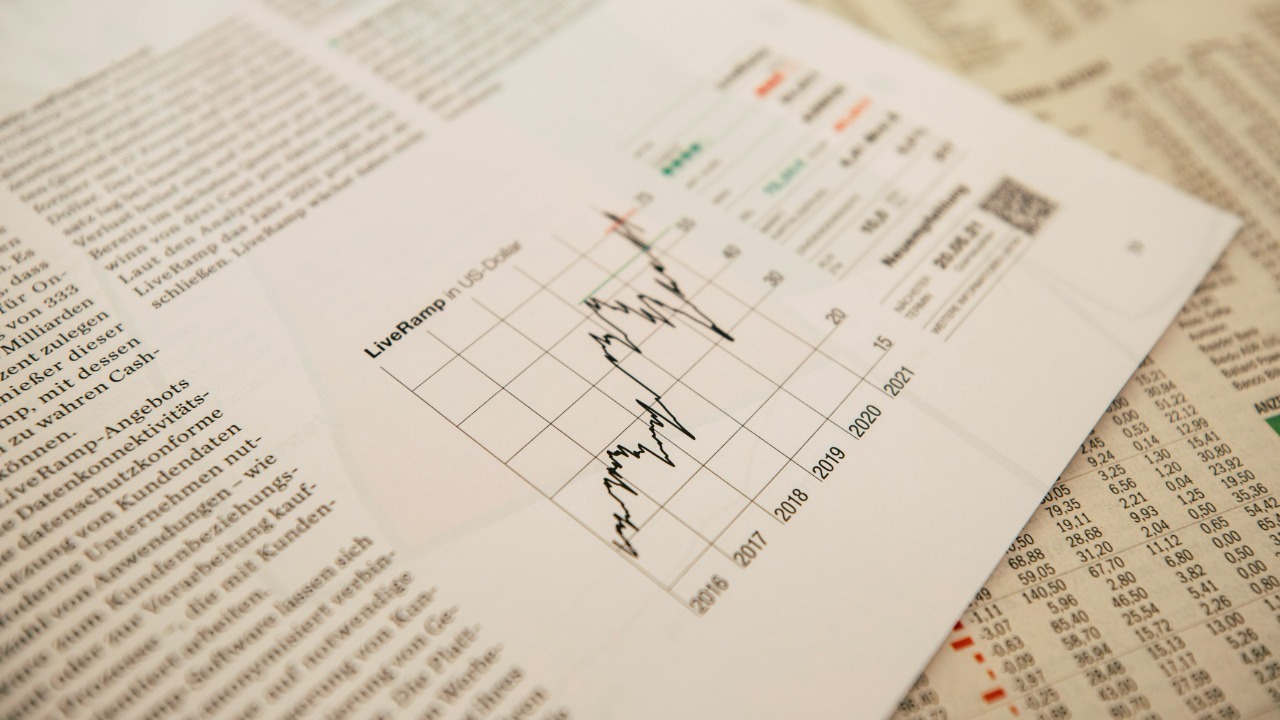
Currency fluctuations can have a significant impact on international trade and pricing strategies. When the value of a currency changes, it affects the cost of importing and exporting goods, which can lead to price adjustments.
For example, a stronger U.S. dollar can make imports cheaper, but it can also make U.S.-made products more expensive for foreign buyers. Businesses engaged in international trade must consider these fluctuations when setting prices, as they directly impact profit margins and competitiveness.
Regulatory Changes

New regulations can lead to increased compliance costs for businesses, which may be passed on to consumers in the form of higher prices. Changes in environmental policies, health and safety standards, and financial regulations can all contribute to these additional expenses.
For instance, stricter emissions standards in the automotive industry require manufacturers to invest in new technologies, potentially increasing vehicle prices. Similarly, changes in data protection regulations may lead to higher operational costs for tech companies, affecting service pricing.
Shortage of Raw Materials

A shortage of raw materials can significantly impact production costs and lead to price increases. Industries reliant on specific resources, such as construction and electronics, may face particular challenges if shortages persist.
For example, the scarcity of materials like lumber and copper has led to increased construction costs, affecting housing prices and renovation expenses. Businesses must find ways to manage these shortages while maintaining profitability and meeting consumer demand.
Transportation Bottlenecks

Transportation bottlenecks can disrupt supply chains and lead to increased costs for businesses. Issues such as port congestion, trucking shortages, and rail disruptions can delay shipments and increase logistical expenses.
These bottlenecks can impact various industries, from retail to manufacturing, leading to higher prices for consumers. For instance, the ongoing trucking shortage in the U.S. has increased shipping costs, affecting everything from groceries to e-commerce deliveries.
Impact of Climate Events
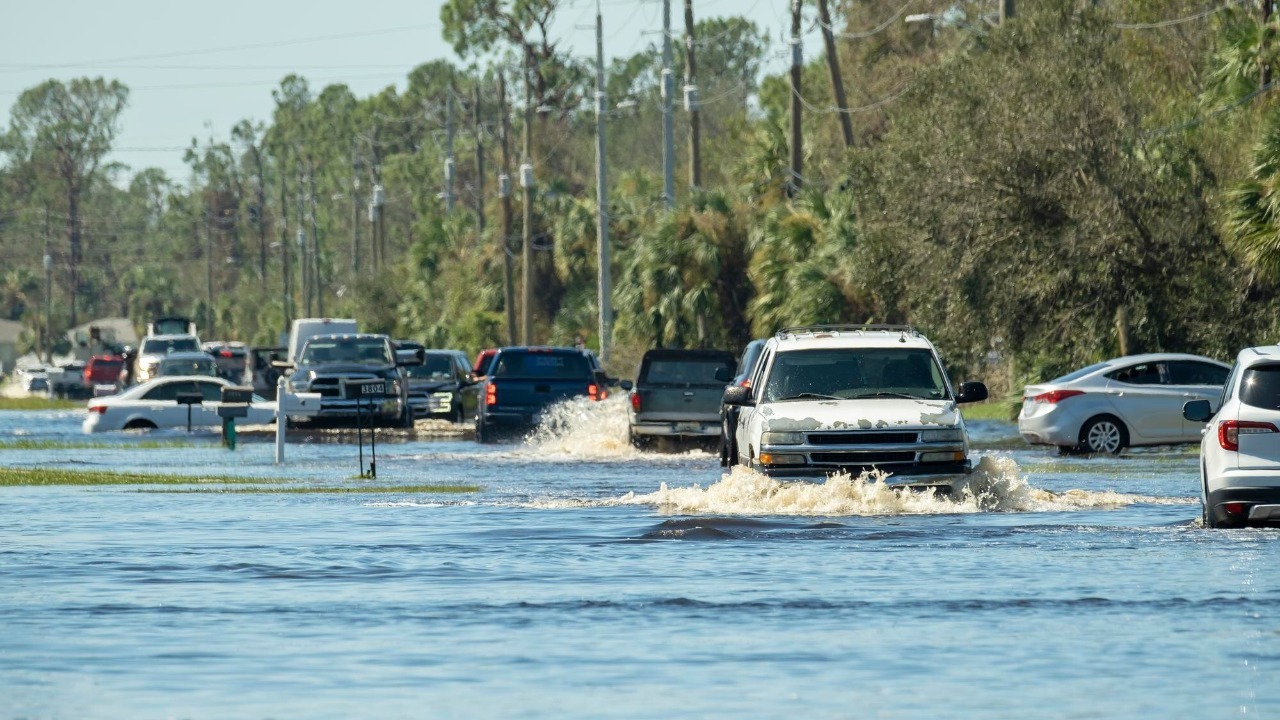
Climate events, such as hurricanes, wildfires, and floods, can disrupt supply chains and lead to increased prices. These events can damage infrastructure, delay shipments, and reduce the availability of raw materials.
Businesses in affected regions must navigate these challenges while maintaining operations and minimizing cost increases. For instance, natural disasters in agricultural regions can impact food prices, affecting everything from produce to meat products. Explore how climate events are impacting consumer prices.
Shifts in Consumer Behavior

Changes in consumer behavior can lead to price adjustments as businesses adapt to new demands. The rise of e-commerce, for example, has shifted consumer expectations for fast delivery and competitive pricing.
As businesses invest in technology and logistics to meet these expectations, they may face increased costs that impact pricing strategies. Additionally, shifts in consumer preferences toward sustainable and ethical products can lead to higher production costs, which are often reflected in retail prices.
Inflationary Pressures

Inflationary pressures are a significant concern for businesses and consumers alike. As the cost of goods and services rises, businesses must adjust their pricing strategies to maintain profitability.
Central banks, like the Federal Reserve, monitor inflation rates and may adjust interest rates to control it. However, these measures can take time to impact the economy fully. Businesses must navigate these inflationary pressures carefully to balance costs and consumer demand. Find out more about the latest inflation statistics and trends.

Grant Mercer covers market dynamics, business trends, and the economic forces driving growth across industries. His analysis connects macro movements with real-world implications for investors, entrepreneurs, and professionals. Through his work at The Daily Overview, Grant helps readers understand how markets function and where opportunities may emerge.

