
Frugality is more than a money-saving tactic; it’s a lifestyle choice that many adopt to achieve financial freedom and reduce unnecessary spending. Last year, some savvy consumers decided to cut back on certain expenses that were draining their wallets. Here’s a look at the 12 things frugal people stopped buying, and why you might consider doing the same.
Generic Coffee Shop Beverages
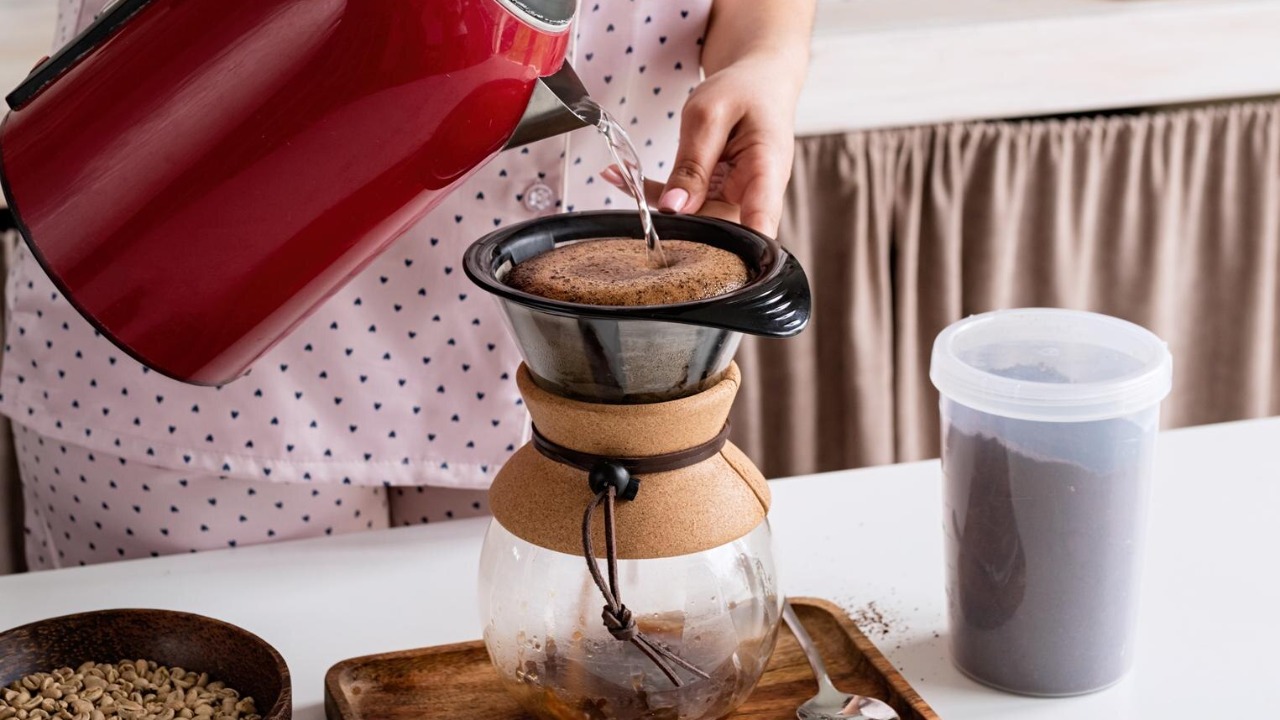
Many frugal individuals have ditched their daily coffee shop visits in favor of brewing their own coffee at home. The cost of a simple latte from popular chains can add up significantly over time, prompting the switch to home-brewed coffee. Investing in a quality coffee maker or even a French press can save hundreds of dollars annually, not to mention the satisfaction of crafting the perfect cup tailored to personal taste.
For those who still crave the coffee shop experience, trying out a local café for its unique offerings or supporting a small business occasionally can be a more financially sensible choice. Alternatively, grabbing whole beans from a favorite coffee shop and recreating the experience at home can be both cost-effective and enjoyable.
Cable TV Subscriptions
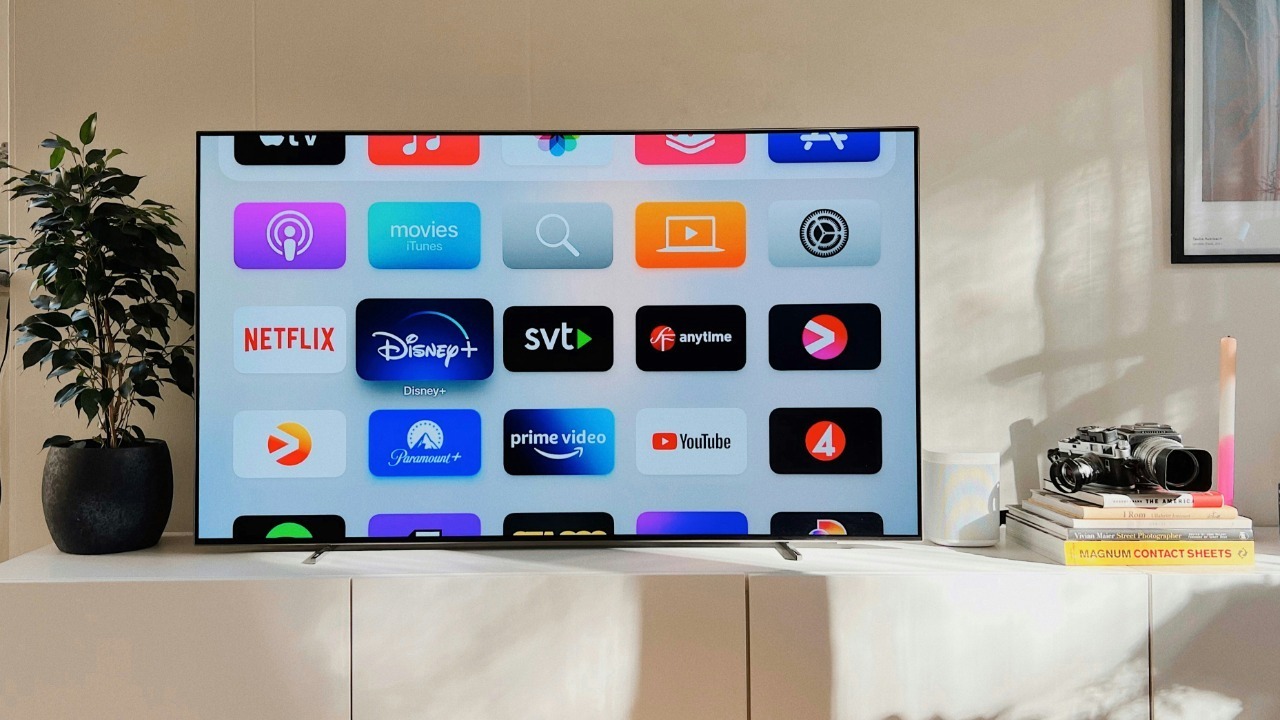
With the rise of streaming platforms like Netflix, Hulu, and Disney+, many consumers have decided that traditional cable subscriptions are no longer worth the hefty monthly fees. The ability to choose what to watch and when to watch it, often without commercials, has made cutting the cable cord an attractive option for many.
Switching to streaming services not only saves money but also offers a more tailored viewing experience. Many frugal individuals opt for a combination of services to meet their entertainment needs, often spending a fraction of what they used to on cable.
Bottled Water

Purchasing bottled water is an expense that adds up quickly, especially when considering both its financial and environmental costs. Frugal consumers have increasingly turned to reusable water bottles and filtration systems as a sustainable and economical alternative. Not only does this reduce plastic waste, but it also provides unlimited access to clean water without the recurring expense.
Many have found that investing in a high-quality water filter can offer the same, if not better, quality than bottled water. This shift not only benefits the wallet but also contributes positively to the environment.
Disposable Razors
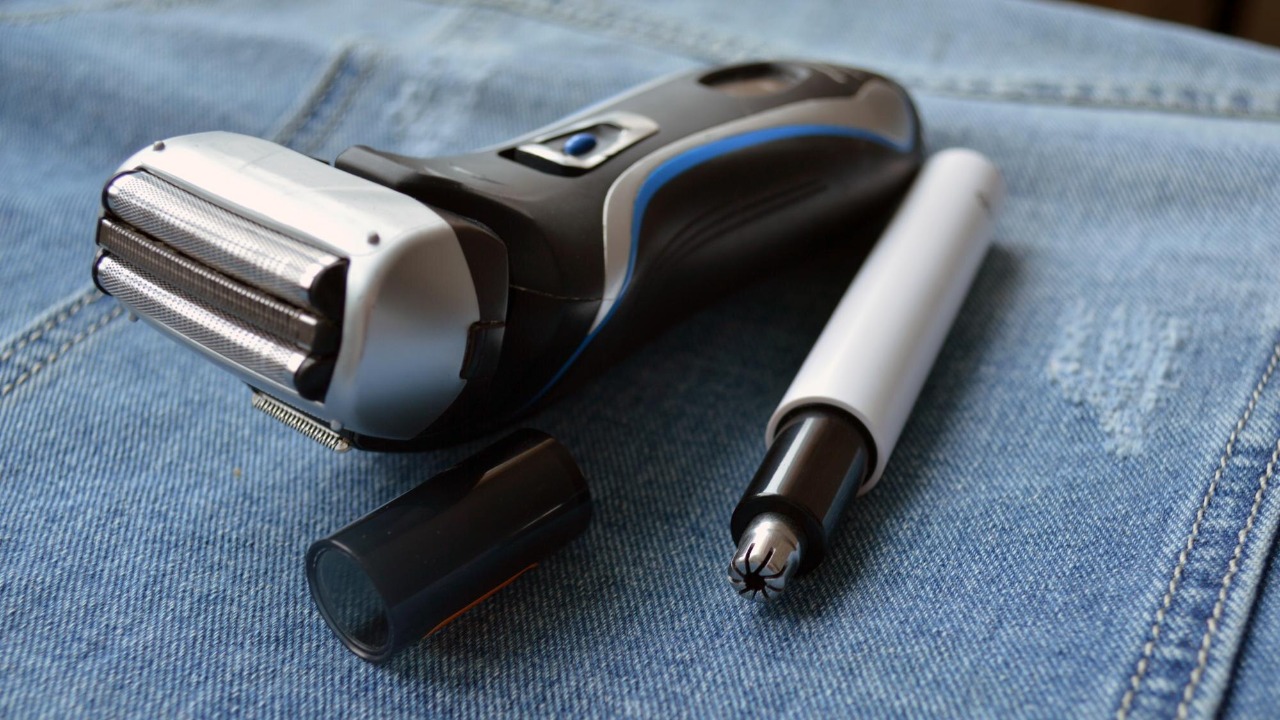
Switching from disposable razors to more sustainable options like safety razors or electric shavers is a trend among frugal individuals. Though the initial investment may be higher, the long-term savings are substantial. Disposable razors often need frequent replacement, whereas alternatives last much longer and provide a better shave.
Many have found that making this switch not only saves money but also reduces the environmental impact of constantly throwing away single-use products. It’s a win-win situation for both the budget and the planet.
Fast Fashion Clothing
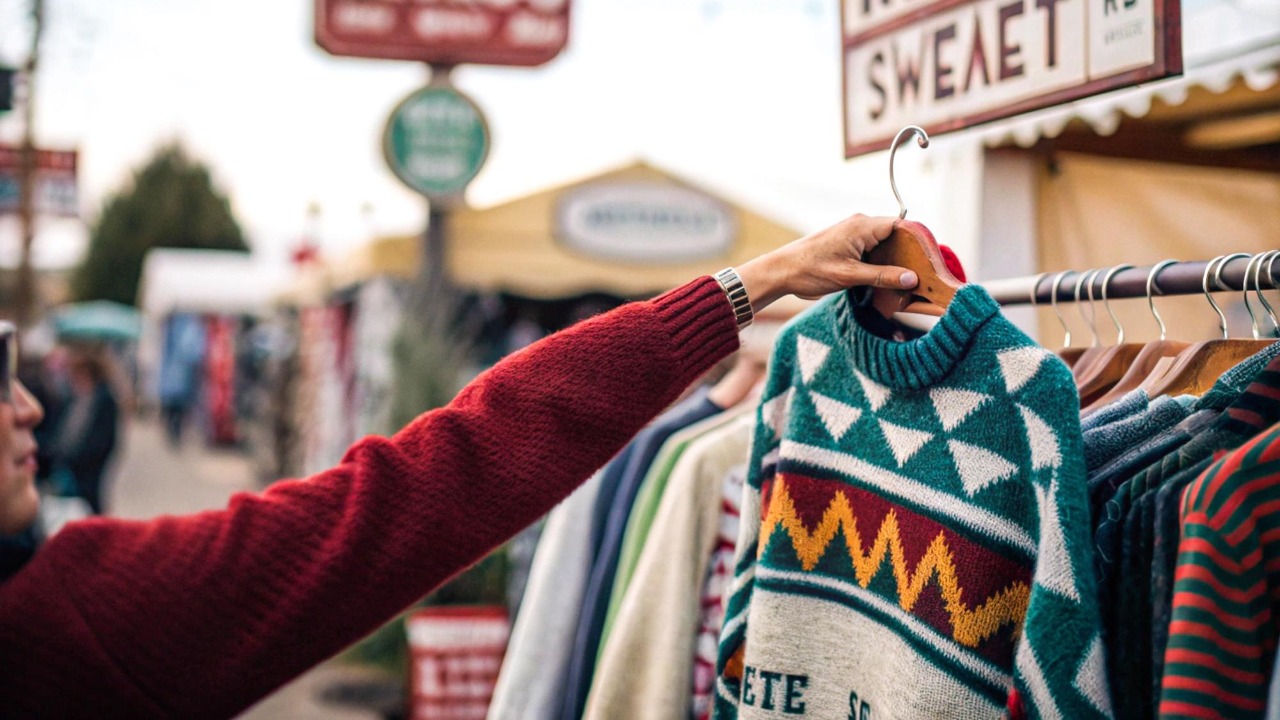
The allure of fast fashion is strong, but many have started to recognize its drawbacks, both financially and ethically. Frugal shoppers are increasingly turning to second-hand stores, online marketplaces, and clothing swaps to refresh their wardrobes without breaking the bank. This approach not only saves money but also promotes sustainability.
Investing in classic, versatile pieces that stand the test of time can also reduce the need for frequent clothing purchases. Quality over quantity is the mantra many frugal consumers have embraced in recent years.
Pre-Packaged Snacks
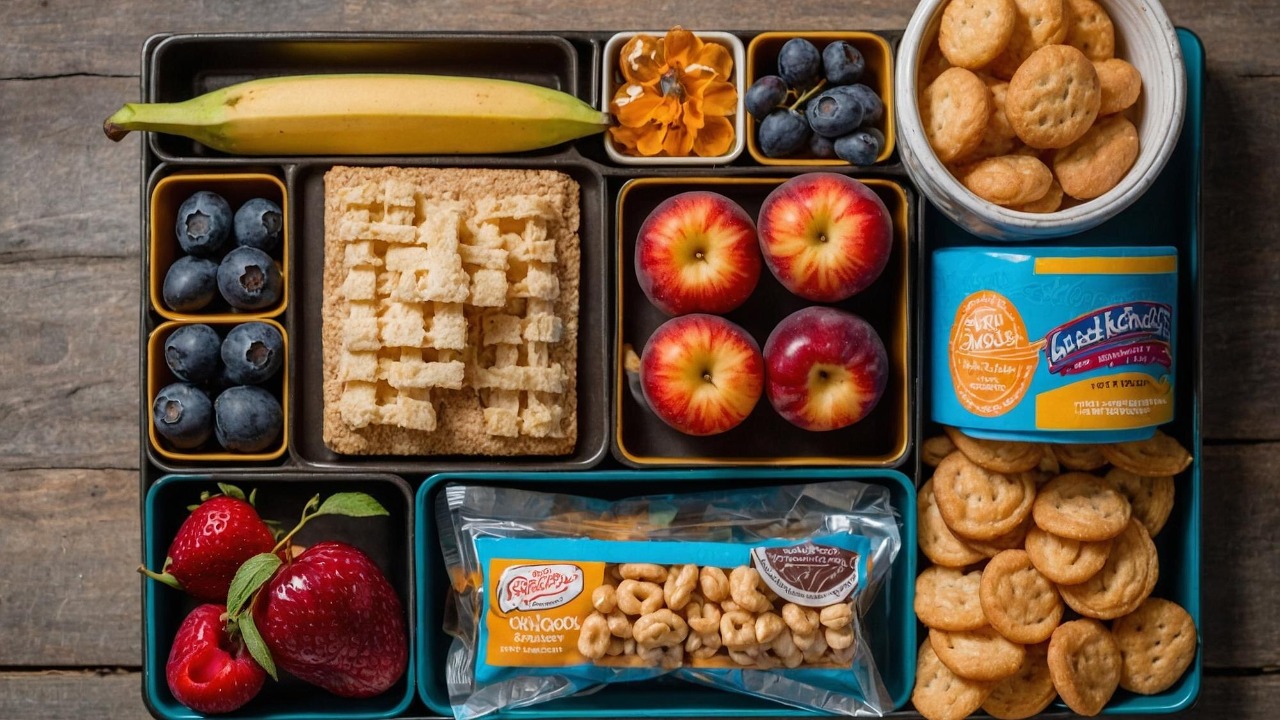
Pre-packaged snacks are convenient but often come with a hefty price tag and unnecessary packaging. Many have opted to buy ingredients in bulk and prepare their snacks at home, which is often healthier and more economical. Making snacks like granola bars or trail mix from scratch can be a rewarding and cost-effective activity.
This shift not only saves money but also allows for customization, ensuring that dietary preferences and restrictions are met without compromise.
Monthly Gym Memberships

With the vast array of online workout resources available, many have found that they can stay fit without the need for an expensive gym membership. Platforms like YouTube and apps like Peloton offer a wide range of classes that can be done from the comfort of home. Investing in a few pieces of home workout equipment can provide a comprehensive fitness routine without the recurring costs.
The flexibility and convenience of home workouts have become increasingly appealing, allowing individuals to exercise on their own schedule without the commute.
New Release Hardcover Books
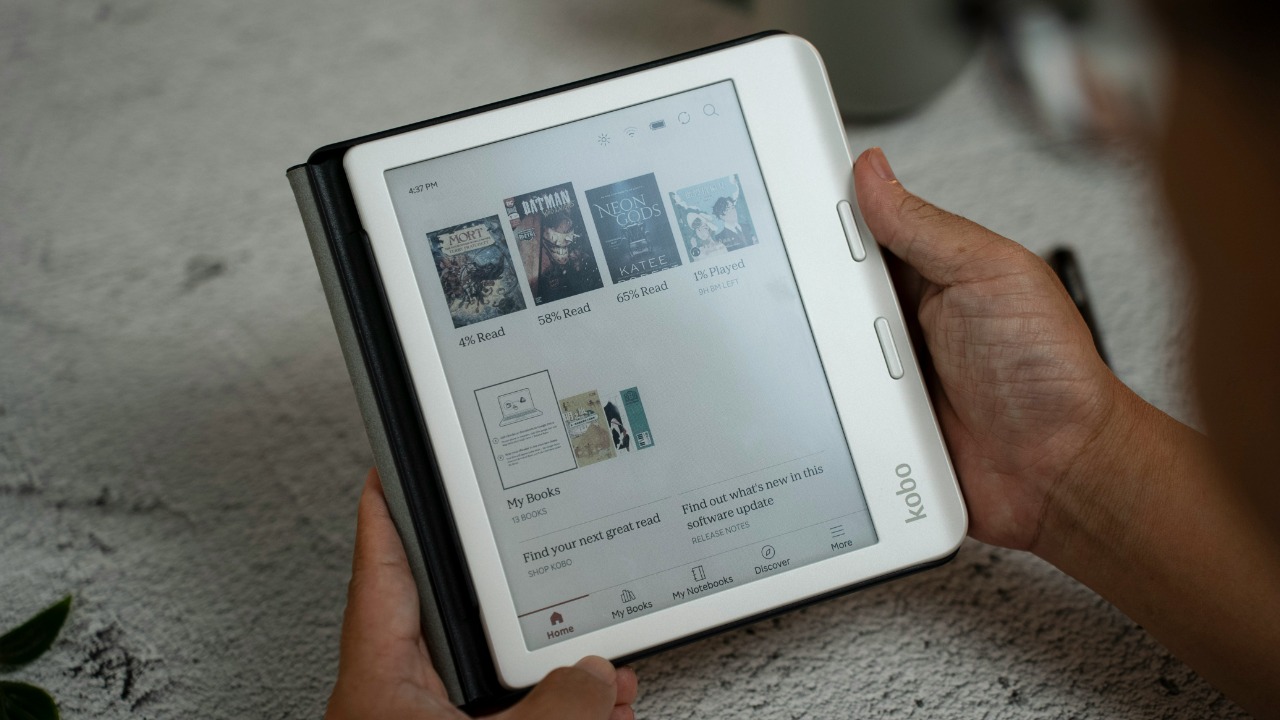
While there’s something special about holding a new book, the cost of purchasing hardcovers can add up quickly. Many frugal readers have turned to library memberships, e-books, or used bookstores to satisfy their reading habits. The convenience of borrowing books online through platforms like Libby or OverDrive has made it easier than ever to access a wide range of titles.
This approach not only saves money but also supports a more sustainable way of consuming literature, reducing the demand for new print runs.
Paper Towels
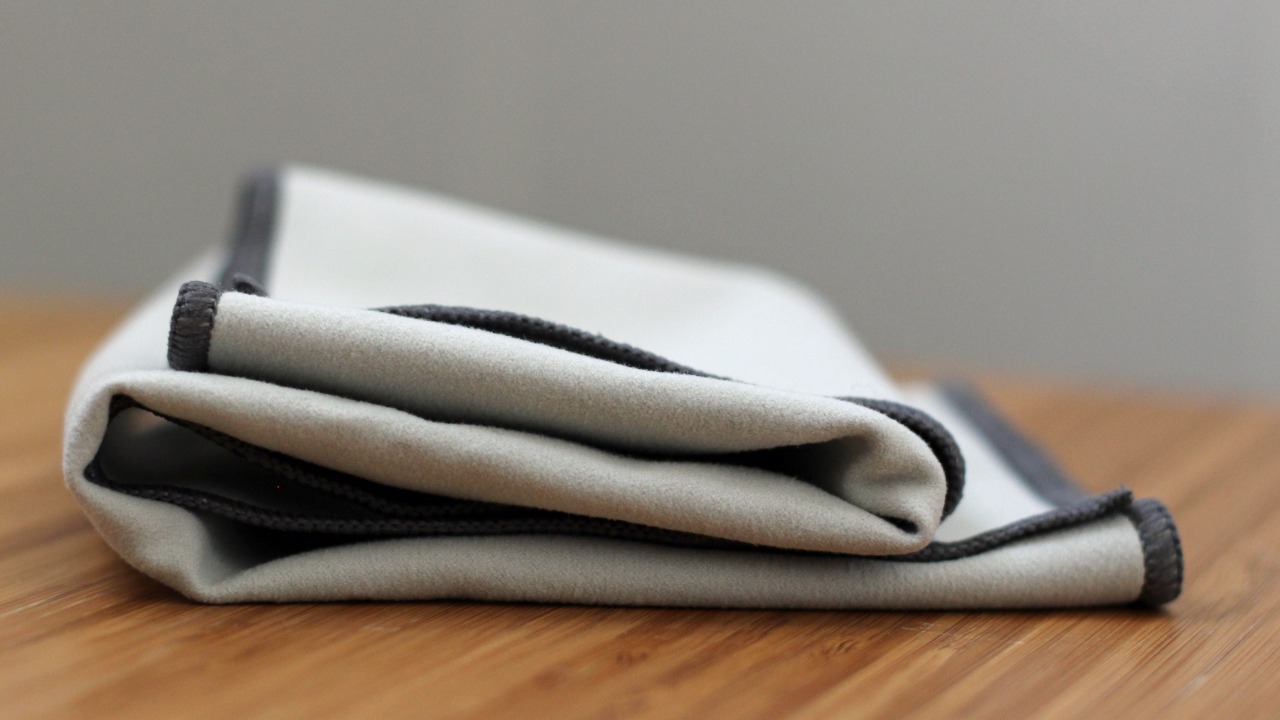
Using paper towels for every spill and mess can be a costly habit. Frugal individuals have adopted more sustainable alternatives like microfiber cloths or reusable towels, which can be washed and reused multiple times. This change not only reduces waste but also saves money in the long run.
Many have found that by replacing paper towels with reusable options, they can significantly reduce household waste and save on regular grocery expenses.
Expensive Cleaning Products
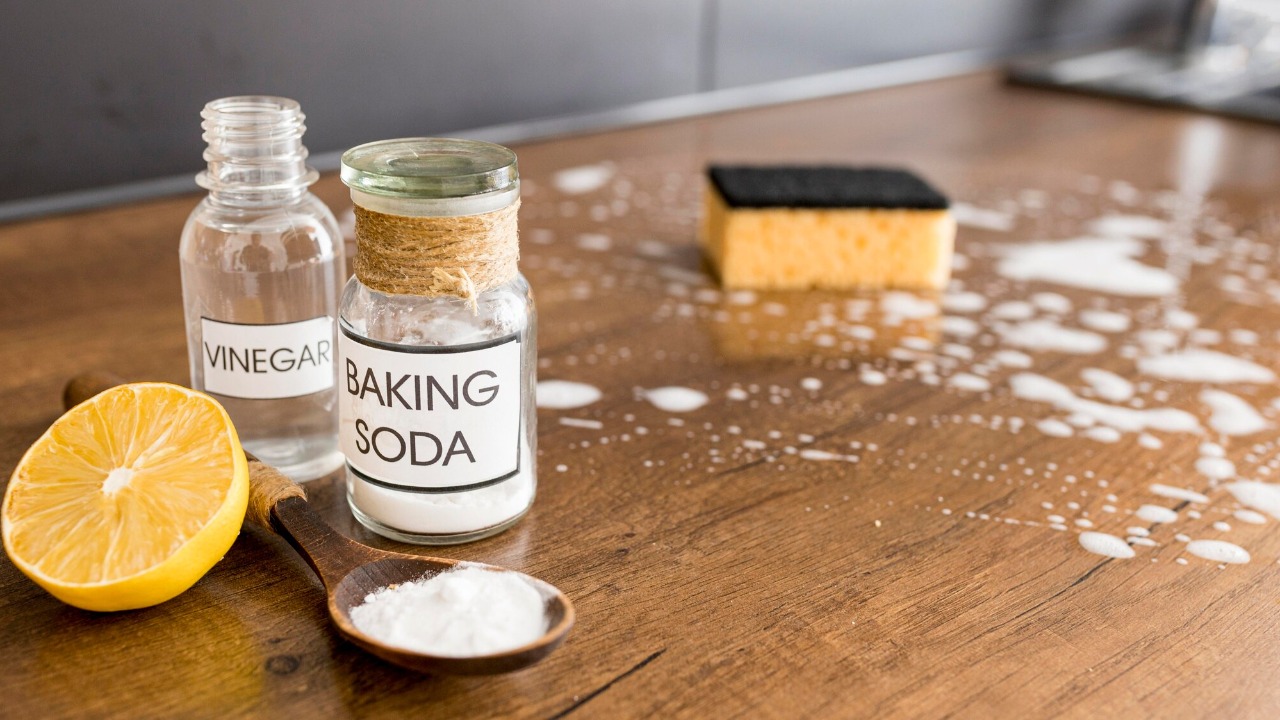
The cleaning aisle is filled with products promising miraculous results, but they often come with a high price tag. Many have discovered that simple, affordable ingredients like vinegar and baking soda can be just as effective. Making homemade cleaning solutions not only saves money but also reduces exposure to harsh chemicals.
Frugal individuals are increasingly embracing DIY cleaning products, finding them to be both budget-friendly and environmentally conscious.
Processed Foods

Processed and convenience foods might save time, but they often come at a financial and nutritional cost. Frugal individuals are cooking from scratch more frequently, finding that it leads to healthier meals and a reduced grocery bill. By planning meals and buying whole ingredients, many are cutting down on unnecessary expenses.
Cooking at home allows for greater control over ingredients, leading to healthier eating habits and cost savings over time.
Branded Household Items

Many frugal people have realized that store-brand or generic products often offer the same quality as their branded counterparts but at a fraction of the cost. Items like cleaning supplies, pantry staples, and toiletries can be significantly cheaper when opting for generic versions.
This switch not only saves money but also encourages consumers to focus on quality and functionality rather than marketing and packaging. It’s a simple yet effective way to reduce household expenses without sacrificing quality.
If you’re curious to learn more about what frugal people are cutting from their budgets, check out this article for further insights.

Cole Whitaker focuses on the fundamentals of money management, helping readers make smarter decisions around income, spending, saving, and long-term financial stability. His writing emphasizes clarity, discipline, and practical systems that work in real life. At The Daily Overview, Cole breaks down personal finance topics into straightforward guidance readers can apply immediately.
