
Many baby boomer habits, honed over decades, continue to be effective in saving money, even in today’s fast-paced world. These practices reveal an enduring wisdom that can be valuable for anyone looking to cut costs and stretch their dollars further. Let’s dive into some of these habits that have stood the test of time and continue to help boomers save thousands.
1. Coupon Clipping
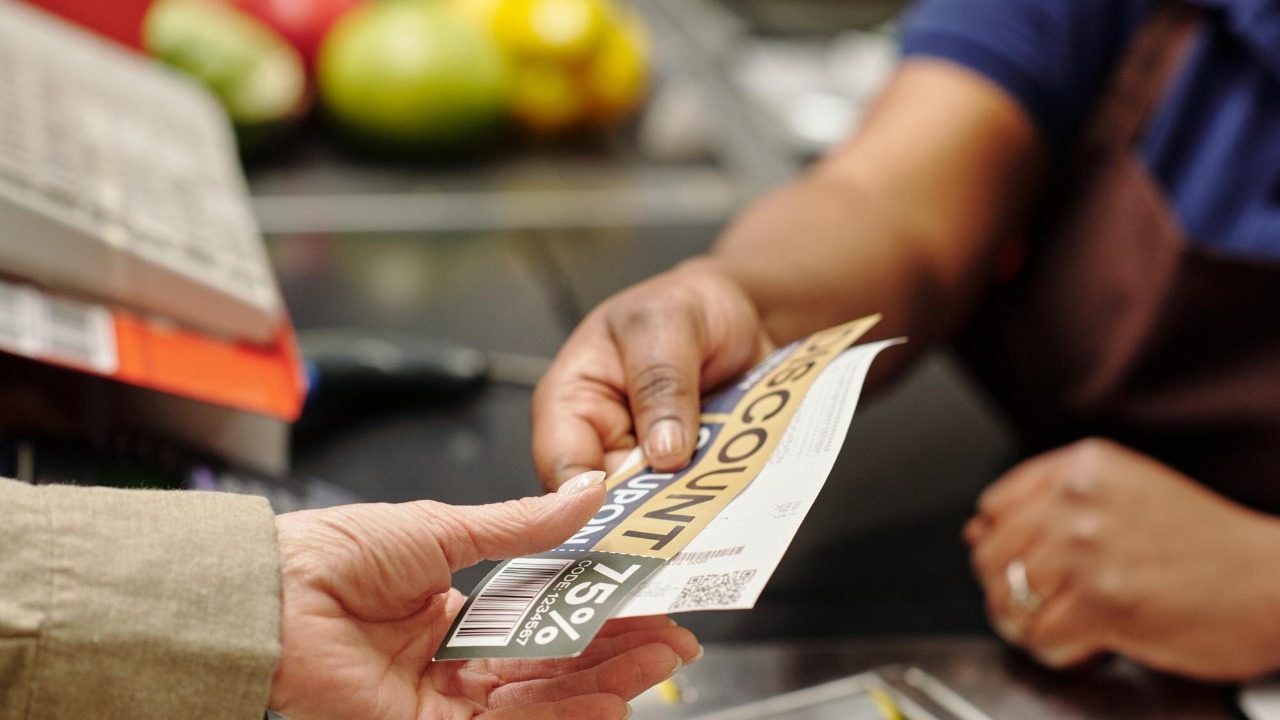
Clipping coupons is a habit that many boomers still swear by. While it might seem old-fashioned, using coupons can lead to significant savings over time. Whether they’re cutting out paper coupons from the Sunday newspaper or using digital apps like RetailMeNot, the savings add up. For instance, a 50-cent coupon might not seem like much, but if applied consistently, it can lead to hundreds of dollars saved annually on groceries and household items.
In an era where digital options abound, boomers often combine traditional coupon clipping with modern technology. Many use apps to stack coupons, ensuring they get the maximum discount possible. This dual approach highlights a resourcefulness that balances tradition with innovation, ultimately leading to substantial savings.
2. Home-Cooked Meals

Dining out regularly can quickly drain your budget. Boomers often prioritize home-cooked meals, not just for health reasons, but also because it’s much more economical. Preparing meals at home allows for greater control over ingredients and portion sizes, reducing waste and costs. For example, a homemade lasagna costs a fraction of its restaurant counterpart, and leftovers can be repurposed for additional meals.
Moreover, cooking at home fosters creativity and can be a relaxing pastime. Many boomers grew up in households where cooking was a shared family activity, a tradition they continue today. By utilizing seasonal ingredients and planning meals around sales, they maximize their budget without sacrificing flavor or variety.
3. DIY Home Repairs

Another money-saving habit embraced by boomers is taking on do-it-yourself home repairs. By handling minor fixes themselves, they avoid costly service fees. Whether it’s painting a room, fixing a leaky faucet, or patching drywall, the savings can be substantial. Online resources and video tutorials make it easier than ever to learn new skills and tackle projects independently.
For larger projects, boomers might enlist the help of friends or family, turning repair days into social events. This not only cuts costs but also strengthens relationships. Additionally, by investing in quality tools over time, they ensure they are well-equipped to handle a variety of tasks, further enhancing their ability to save.
4. Gardening for Produce

Growing your own vegetables is a rewarding way to cut grocery costs. Boomers often maintain gardens that yield fresh produce throughout the growing season. Even with limited space, container gardening can be a viable option. Tomatoes, herbs, and greens are popular choices due to their relatively easy maintenance and high yield.
Aside from saving money, gardening provides a host of benefits, including physical exercise and mental relaxation. It connects people with nature and offers a direct way to enjoy the fruits of one’s labor—quite literally. Plus, homegrown vegetables often taste superior to store-bought ones, making meals all the more enjoyable.
5. Hand-Me-Downs

The concept of hand-me-downs is a practical approach many boomers continue to practice. Passing on clothing and other items within families or communities reduces the need to purchase new items. Kids’ clothing, especially, is often handed down as children outgrow clothes quickly. This practice not only saves money but also promotes sustainability by reducing waste.
Moreover, hand-me-downs can extend beyond clothing. Tools, furniture, and even electronics can be shared among family members. By valuing durability and quality in their purchases, boomers ensure that these items can withstand multiple cycles of use, making the most of every dollar spent.
6. Using Public Libraries
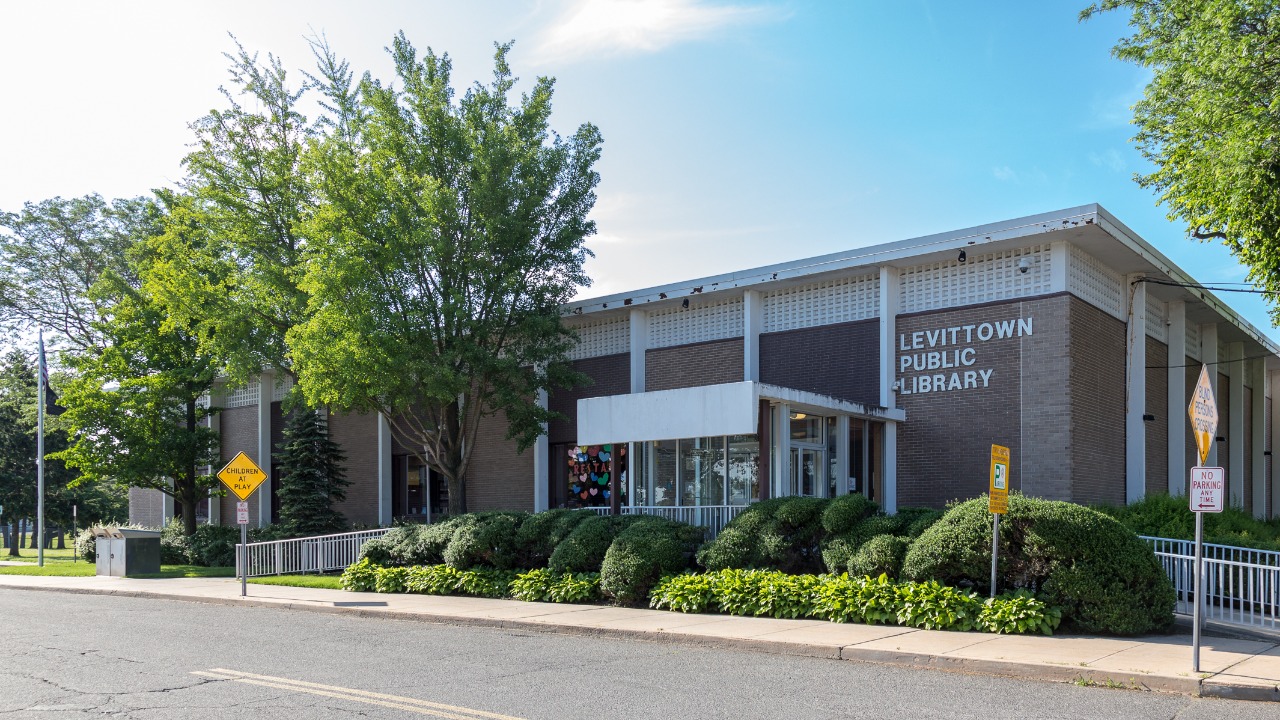
Public libraries are a treasure trove of resources that boomers frequently utilize. Beyond just borrowing books, libraries offer free access to movies, music, and even digital resources like e-books and audiobooks. Many libraries also provide community events, workshops, and classes, offering entertainment and education at no cost.
This habit fosters a love for lifelong learning while keeping costs down. Libraries also offer a quiet, comfortable space for reading or working, making them a valuable community resource. By leveraging these services, boomers continue to enrich their lives without affecting their finances.
7. Bargain Hunting at Thrift Stores
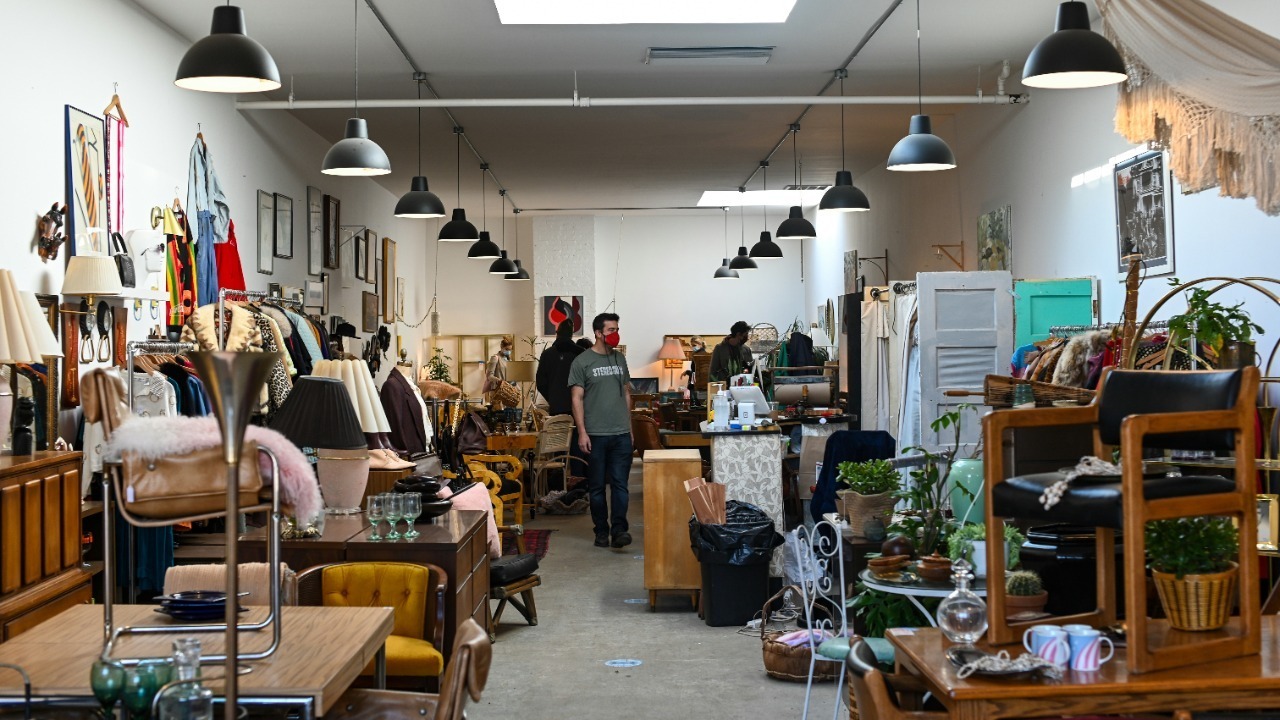
Thrift stores provide an excellent opportunity to find quality items at a fraction of retail prices. Boomers are adept at spotting deals on clothing, furniture, and home goods in these stores. With a little patience and a keen eye, it’s possible to find unique, high-quality items that fit their needs and style.
Shopping secondhand is not only budget-friendly but also environmentally conscious. It reduces demand for new products, cutting down on resource consumption and waste. For boomers, thrift shopping is both a practical money-saving strategy and a chance to enjoy the thrill of the hunt.
8. Canning and Preserving Food
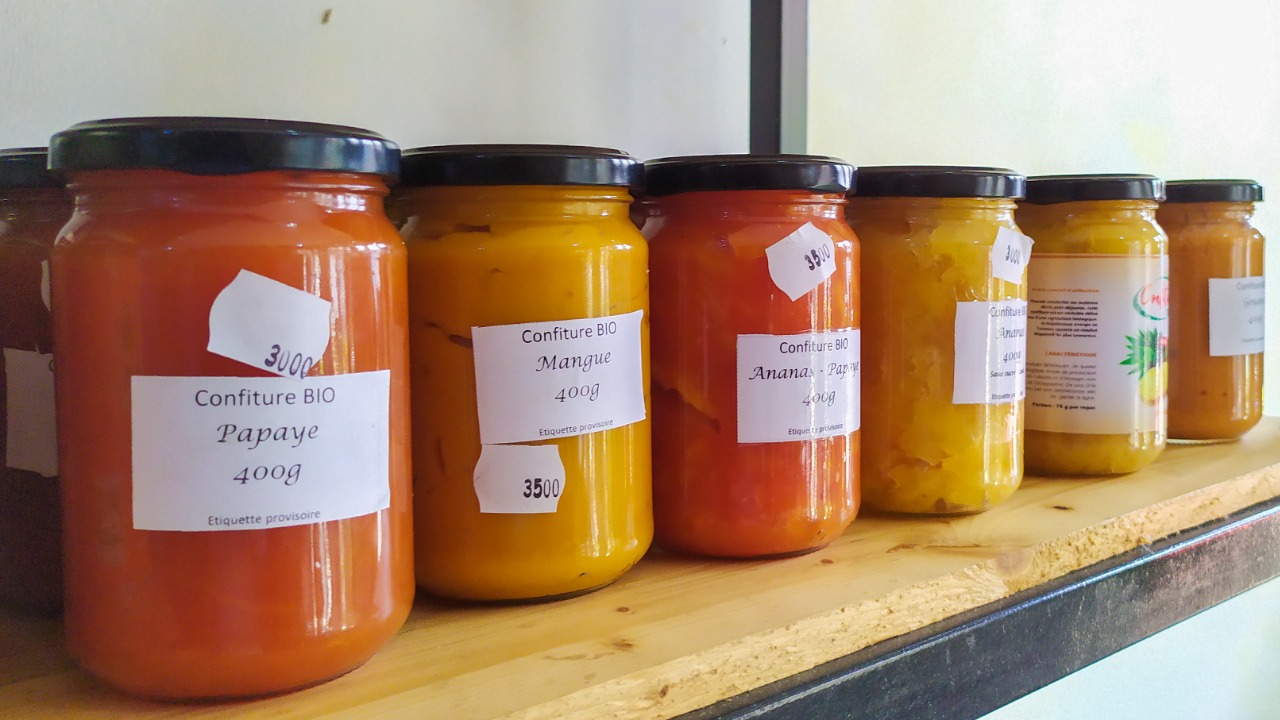
Canning and preserving food is a skill that many boomers have perfected, allowing them to enjoy seasonal produce year-round. By transforming fresh fruits and vegetables into jams, jellies, pickles, or sauces, they extend the life of their garden harvests and reduce food waste. This practice also ensures that they have access to wholesome, homemade products.
The initial investment in jars and equipment quickly pays off as preserved foods can last for months or even years. Sharing homemade preserves with friends and family can also be a delightful way to connect and share the bounty.
9. Car Maintenance at Home
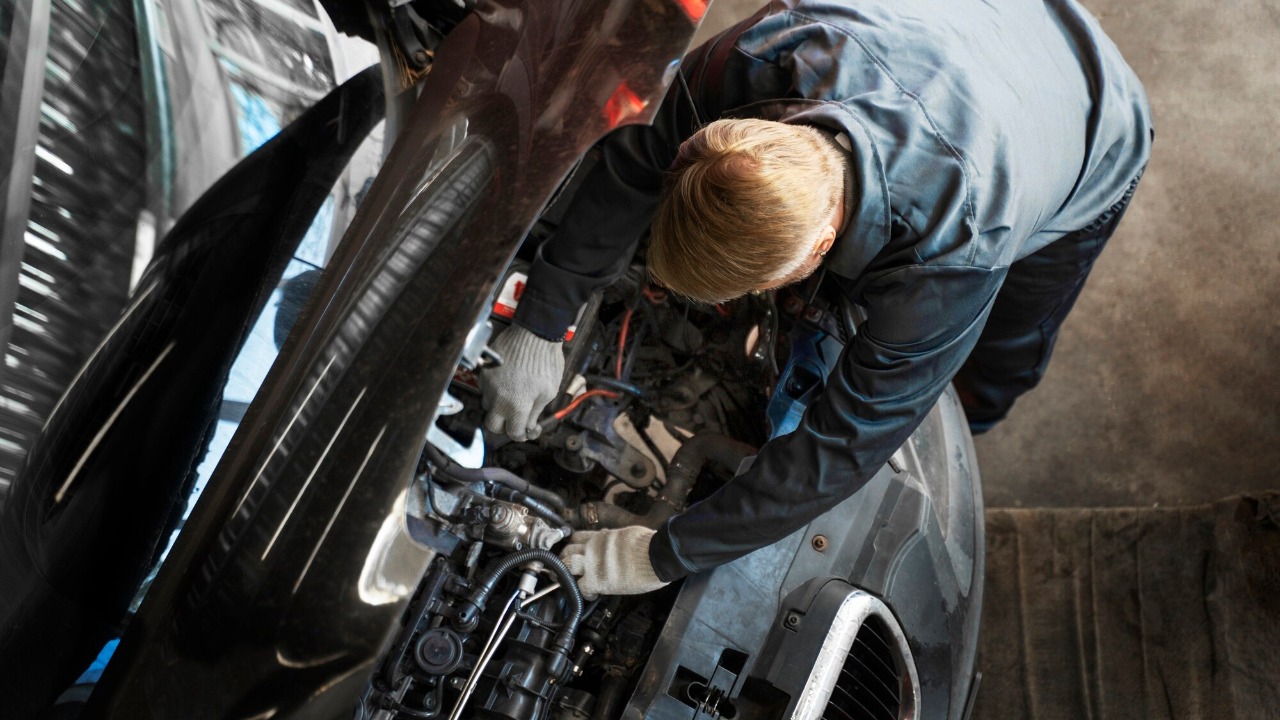
Basic car maintenance, such as oil changes or replacing filters, is another area where boomers save money. By learning to perform these tasks themselves, they avoid labor fees and often find it satisfying to keep their vehicles running smoothly. With the help of online tutorials and manuals, even those with limited mechanical skills can tackle these jobs successfully.
Performing routine maintenance at home not only saves money but can also help extend the lifespan of a vehicle. For older cars, like a 2005 Honda Civic or a 1999 Toyota Camry, regular upkeep is crucial in preventing costly repairs down the road. Boomers know that a little effort today can prevent major expenses tomorrow.
10. Cash-Only Budgeting

Using a cash-only budgeting system is a time-tested strategy that helps many boomers manage their finances effectively. By paying with cash, they are more aware of their spending, which helps them stick to a budget. This method also helps avoid the temptation of overspending, which is often easier with credit cards.
Envelope budgeting is a common approach where cash is divided into categories such as groceries, entertainment, and dining out. Once the cash is gone, no more spending in that category occurs until the next budget period. This disciplined approach ensures that they live within their means.
11. Mending and Sewing Clothes

Instead of discarding worn or damaged clothing, many boomers opt to mend and sew. Patching holes, replacing buttons, or even altering garments can extend the life of their wardrobe significantly. This skill not only saves money but also allows for personalization and creativity in their clothing choices.
For those who enjoy sewing, it can be a rewarding hobby that results in unique, custom garments. Whether it’s making a new dress from scratch or turning an old pair of jeans into shorts, sewing offers endless possibilities for those willing to learn.
12. Energy Conservation Practices
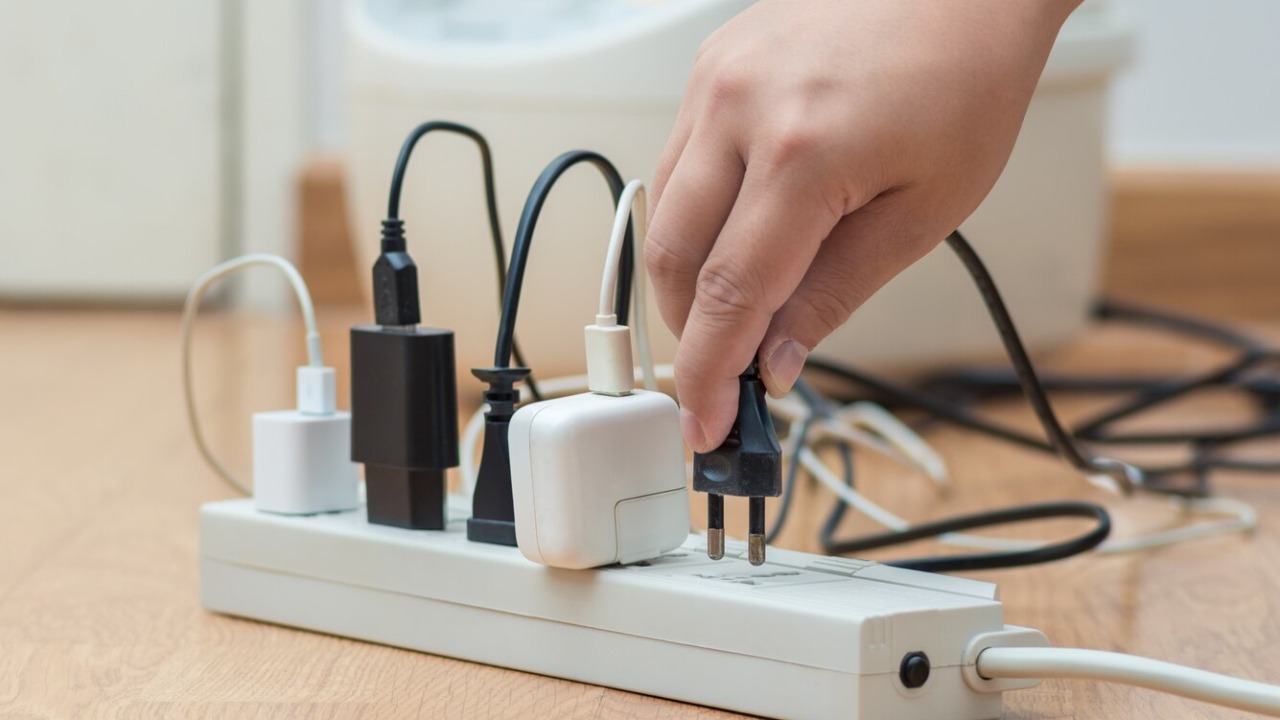
Boomers often adopt energy conservation practices that reduce utility bills and environmental impact. Simple actions like turning off lights when leaving a room, unplugging electronics, or using energy-efficient appliances can lead to significant savings. Many also invest in programmable thermostats to optimize heating and cooling schedules.
By actively monitoring their energy usage, boomers keep costs low while contributing to a more sustainable future. Insulating homes, sealing windows, and using LED bulbs are additional measures that further enhance their efforts to conserve energy.
13. Shopping in Bulk
Buying in bulk is another savvy strategy that boomers use to save money. Items like toilet paper, non-perishable foods, and household supplies often come at a lower per-unit cost when purchased in larger quantities. Memberships to warehouse clubs like Costco or Sam’s Club can be worth the investment for the savings they provide.
Shopping in bulk also reduces the frequency of shopping trips, saving time and fuel. By planning purchases and storage space wisely, boomers ensure they make the most of their bulk buys without waste.
14. Avoiding Subscription Services
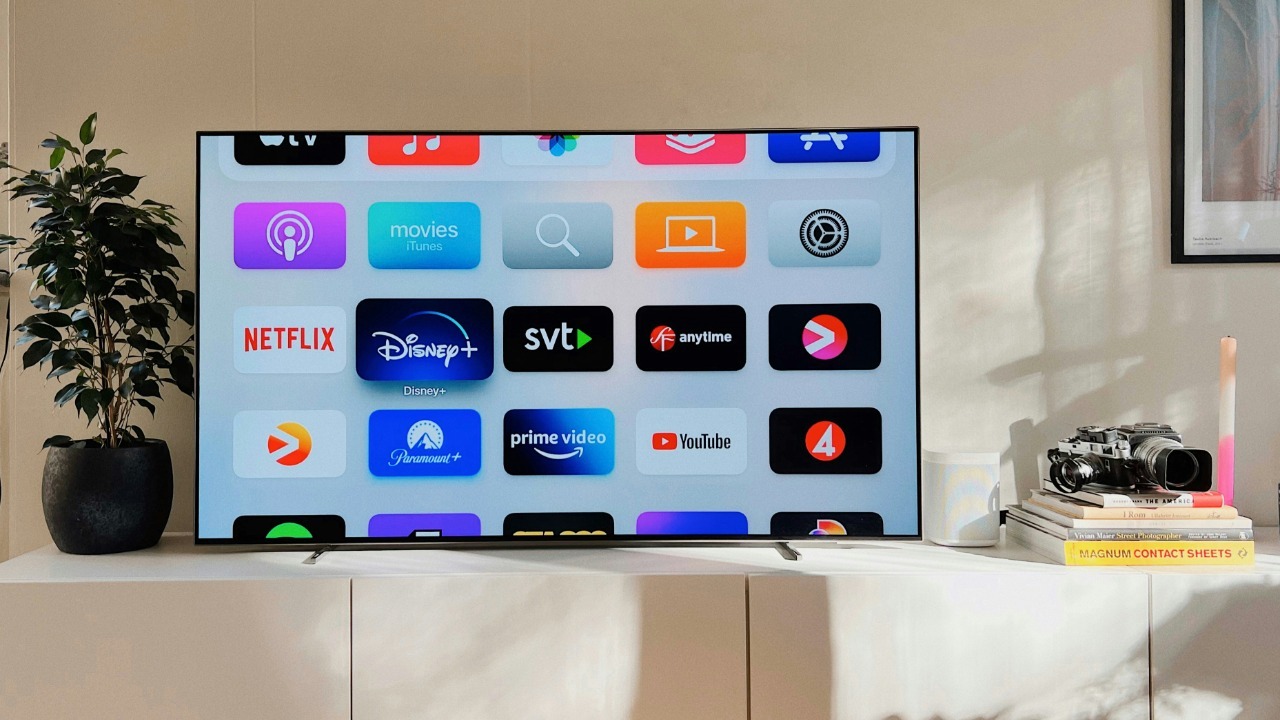
Many boomers choose to avoid subscription services that can quickly add up, such as streaming platforms, meal kits, or subscription boxes. By limiting these recurring expenses, they maintain greater control over their budgets. Instead, they often rely on free or one-time purchase options for entertainment and media.
This approach not only saves money but also encourages them to be selective about the services they truly value. By critically evaluating recurring expenses, boomers ensure that their spending aligns with their priorities and financial goals.

Cole Whitaker focuses on the fundamentals of money management, helping readers make smarter decisions around income, spending, saving, and long-term financial stability. His writing emphasizes clarity, discipline, and practical systems that work in real life. At The Daily Overview, Cole breaks down personal finance topics into straightforward guidance readers can apply immediately.