Homeowners Associations (HOAs) can be beneficial for maintaining community standards, but they can also lead to unexpected financial burdens if you’re not careful. Understanding the intricacies of your HOA’s financial practices and requirements can help you avoid falling into common money traps. Here are some practical tips to help you navigate and manage your HOA-related finances effectively.
Understand Your HOA Fees
Knowing what your monthly HOA fees cover is crucial. These fees typically include maintenance for common areas, landscaping, and possibly even utilities. However, they can vary widely depending on the amenities and services your HOA provides. For instance, a community with a pool, gym, or 24-hour security will likely have higher fees. Take the time to request a breakdown of these charges so you can see exactly where your money is going and identify any potential areas of concern.
Being aware of what is included in the fee can help you avoid unnecessary expenses. For example, if your HOA fee covers lawn maintenance, you won’t need to hire a separate service. Understanding these details not only helps in budgeting but also in ensuring you’re not paying for services twice. For more on avoiding financial pitfalls, check out this article on common money mistakes.
Review the HOA Budget Annually

Make it a habit to review your HOA’s budget annually. This document should be available to all residents and provides insight into the community’s financial health. Look for any unusual expenses or significant changes from the previous year. This might include new maintenance projects or increased administrative costs. Understanding these changes can help you anticipate any potential increases in your fees.
An annual review can also highlight areas where the HOA could improve efficiency. If you notice consistent overspending in certain categories, bring it up at the next meeting. This proactive approach not only helps you but benefits the entire community by promoting financial transparency and accountability.
Attend HOA Meetings Regularly

Regular attendance at HOA meetings is an excellent way to stay informed and involved in your community’s financial decisions. These meetings are where budgets are discussed, and decisions about spending are made. By attending, you can voice your concerns and vote on important issues that might impact your fees or community services.
Participation also allows you to network with other homeowners and form committees to address common concerns. If you can’t attend a meeting in person, see if your HOA provides minutes or video recordings. For more on navigating community associations, this resource offers valuable insights.
Know the Reserve Fund Requirements

Reserve funds are essential for covering unexpected repairs or large-scale projects. Your HOA should have a strategy for maintaining a healthy reserve fund. Familiarize yourself with the requirements and guidelines set by your HOA. A well-funded reserve can prevent the need for special assessments, which can be a financial strain on homeowners.
If your HOA’s reserve fund seems insufficient, it might be a red flag. Propose a review or audit to ensure the fund is managed properly. This proactive step can help avoid sudden, large expenses that catch homeowners off guard.
Stay Informed About Special Assessments
Special assessments are additional fees charged to cover unforeseen expenses, like major repairs or legal fees. They can be a significant financial burden if you’re unprepared. Stay informed about potential assessments by keeping track of ongoing and upcoming projects.
Ask your HOA board about any anticipated assessments and their justifications. Ensure that there is a clear and transparent process for introducing and approving special assessments. This vigilance can help you budget accordingly and avoid unpleasant surprises.
Get Clarity on HOA Rules and Penalties

Understanding the rules and penalties imposed by your HOA can save you money in the long run. Many HOAs have fines for violations ranging from improper trash disposal to unauthorized exterior modifications. Familiarize yourself with these regulations to avoid unnecessary fines.
If any rules seem unreasonable, you can propose revisions during meetings. Communicating with your board about rule changes or penalty disputes can often lead to more amicable solutions.
Evaluate the HOA’s Insurance Policies

Review your HOA’s insurance policies to understand what is covered and what isn’t. This knowledge can prevent overlapping coverage and unnecessary personal insurance expenses. Make sure the policy covers common areas and adequate liability protection.
You might also want to check if the HOA’s insurance is sufficient for your personal needs. If there are gaps, consider supplementary coverage. Being under-informed about insurance can lead to unnecessary costs or liabilities in case of an incident.
Be Aware of Maintenance Responsibilities

Clarify what maintenance responsibilities fall on you and what the HOA covers. Misunderstanding these responsibilities can lead to unexpected expenses. For instance, while exterior painting might be the HOA’s duty, you may be responsible for window repairs.
Check your HOA’s guidelines and familiarize yourself with these distinctions. This understanding can save you from paying out of pocket for repairs that the HOA should cover, or vice versa.
Investigate the HOA’s Financial Health

Before buying a property in an HOA-managed community, investigate its financial health. Ask for recent financial statements and budget reports. A community with a strong financial standing is less likely to impose sudden fee hikes or assessments.
Be wary of HOAs with high delinquency rates or legal issues, as these can indicate financial instability. A stable financial background ensures you won’t face unexpected charges. For more on avoiding becoming “house poor,” watch this informative video.
Avoid Late Payment Penalties
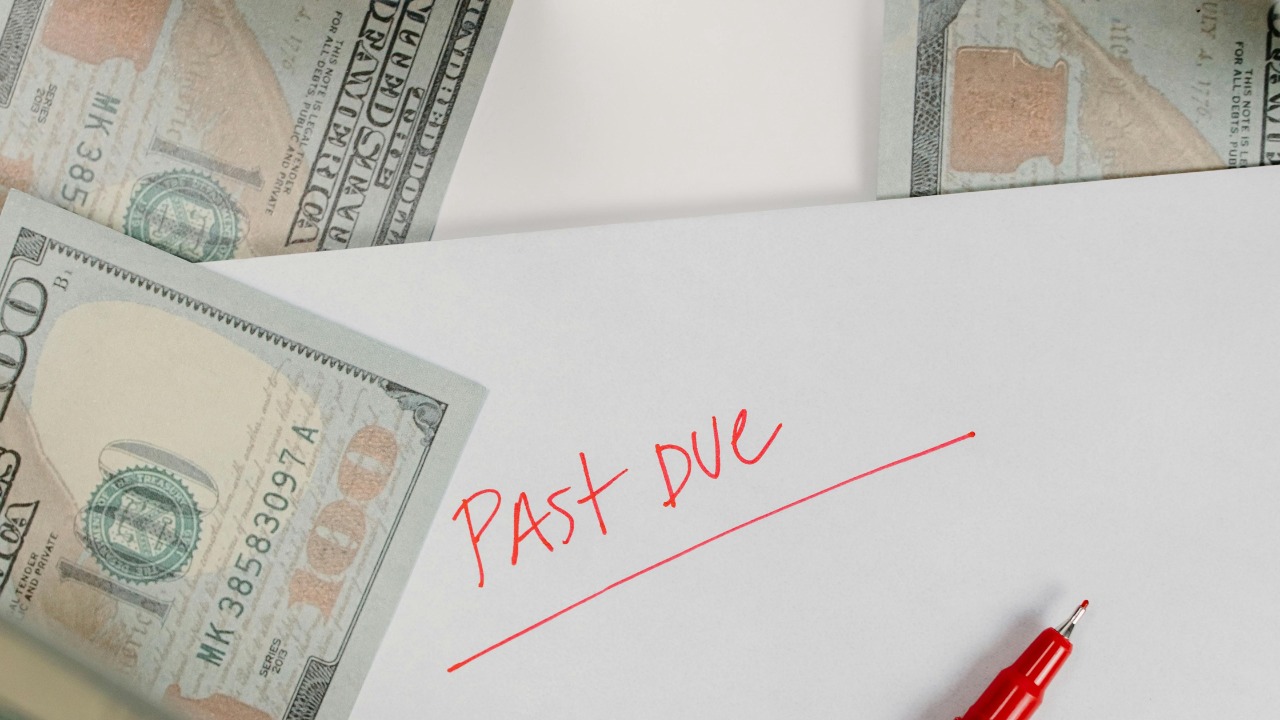
HOAs often impose hefty penalties for late payments. Set up reminders or automate your payments to avoid these fees. Consistent on-time payments not only save you money but also maintain a good standing with the HOA.
If you struggle with payments, discuss options with your HOA board. Many associations offer grace periods or payment plans if you communicate openly about your situation.
Understand the Process for Dispute Resolutions

Conflicts with the HOA can sometimes arise, making it essential to understand the dispute resolution process. Familiarize yourself with the steps involved, whether it’s mediation, arbitration, or litigation. Knowing these can save you time, stress, and money.
Proactively addressing disputes can prevent escalation and additional costs. Discussing issues early with the board often leads to more amicable solutions without the need for legal intervention.
Seek Legal Advice When Necessary

Sometimes, understanding your rights and obligations as a homeowner in an HOA community requires professional advice. Consulting with a legal expert can offer clarity on complex matters, such as rule enforcement or assessment challenges.
While legal advice may seem like an extra expense, it can save you from costly mistakes or disputes. Always consult a professional when in doubt about your HOA’s regulations or financial practices. For a guide to avoiding financial pitfalls in homeownership, read this guide.

Elias Broderick specializes in residential and commercial real estate, with a focus on market cycles, property fundamentals, and investment strategy. His writing translates complex housing and development trends into clear insights for both new and experienced investors. At The Daily Overview, Elias explores how real estate fits into long-term wealth planning.

