For many baby boomers, the dream garage is still filled with chrome bumpers, big-block V8s and long-hood coupes that defined their coming-of-age years. Those cars are more than nostalgia pieces, they are rolling symbols of postwar prosperity and the American dream of freedom on four wheels. By looking at 13 of the most coveted boomer dream cars, I can show how they still shape tastes, spending and even today’s car culture.
1) Pontiac GTO
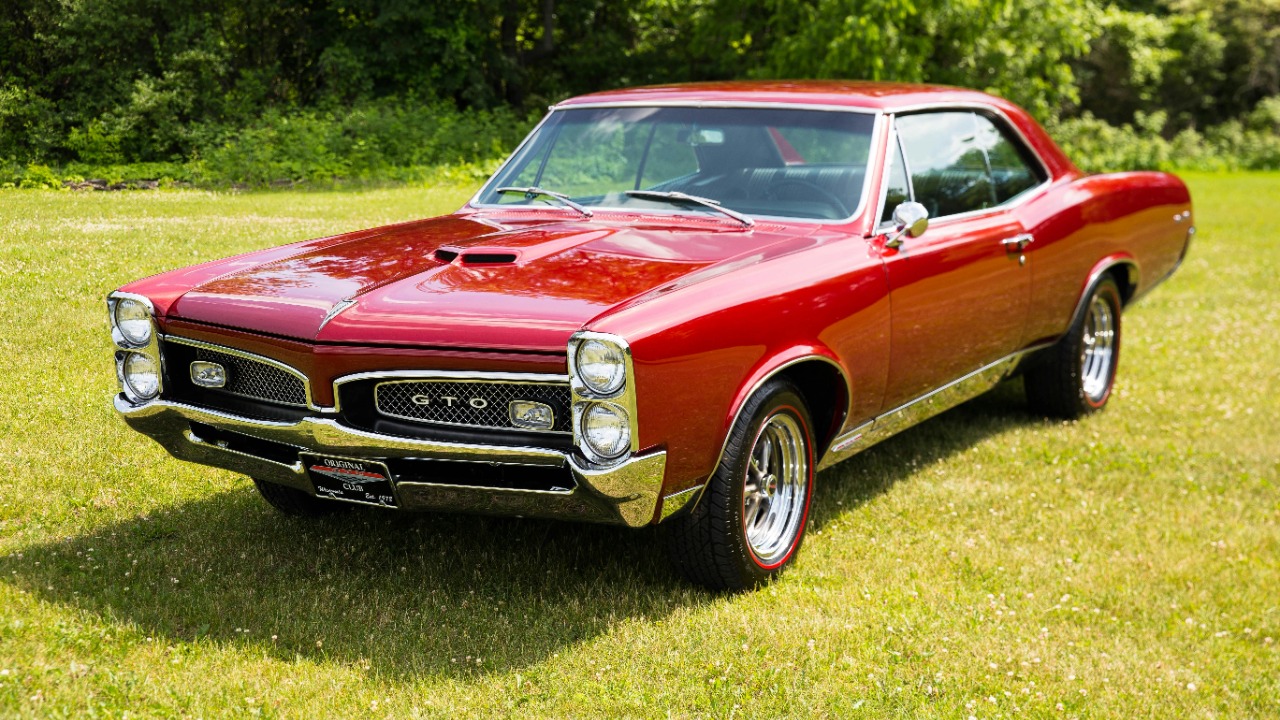
The Pontiac GTO is the archetypal boomer dream car, often credited with turning mid‑size coupes into full‑blown muscle machines. In reporting on boomers and dream cars, Other describes how an “immaculately restored Pontiac GTO” still represents the ultimate reward for people who watched these cars glide through their youth. That enduring pull keeps values high and sustains a restoration industry built around original parts, concours events and specialist shops.
The GTO still matters because it anchors the entire muscle‑car market. Auction results and enthusiast demand often use GTO prices as a benchmark for similar 1960s performance models. For boomers, owning one is a way to reclaim a specific moment when horsepower, cheap gas and open highways felt limitless. For younger collectors, the car offers a tangible link to that era’s design language and mechanical simplicity, which contrasts sharply with today’s electronics‑heavy performance cars.
2) Ford Mustang (first generation)
The first‑generation Ford Mustang, especially the 1964½ to 1968 models, is another pillar of boomer aspiration. Lists of iconic cars that defined the boomer generation consistently place early Mustangs near the top, citing their mix of affordability and style. That combination let teenagers dream realistically about owning one, even if they had to settle for a six‑cylinder version. Today, the car’s long hood, short deck and endless aftermarket support keep it relevant in both stock and restomod form.
The Mustang still matters because it created the template for the “pony car,” a segment that continues to influence modern coupes. Automakers study the original Mustang’s formula when they try to balance mass appeal with emotional design. For boomers, restoring or daily‑driving a classic Mustang is a way to participate in a living tradition, while younger drivers see it as an accessible entry point into vintage performance without the six‑figure price tags of rarer exotics.
3) Chevrolet Corvette (C3)
The third‑generation Chevrolet Corvette, built from 1968 into the early 1980s, is the fiberglass fantasy many boomers pinned to bedroom walls. Coverage of dream cars of the boomer generation highlights the Corvette as a recurring aspirational purchase once kids are out of the house and retirement savings feel secure. The C3’s sweeping fenders and T‑top roof panels still signal a certain kind of freedom, even if later emissions rules dulled the performance compared with earlier models.
The C3 matters today because it bridges classic styling with semi‑modern drivability. Parts availability and relatively simple small‑block V8s make it feasible for hobbyists to keep these cars on the road. At the same time, the Corvette nameplate has evolved into a world‑class sports car, and owning a C3 lets boomers participate in that lineage. The car’s presence at local shows and track‑day events keeps intergenerational conversations about performance and design alive.
4) Chevrolet Camaro (first generation)
The first‑generation Chevrolet Camaro, launched for 1967, gave boomers a direct rival to the Mustang and quickly earned its own loyal following. Enthusiast rundowns of legendary cars every boomer remembers point to early Camaros as both fun to drive and deeply tied to high‑school parking‑lot culture. SS and Z/28 variants, with their stripes and cowl‑induction hoods, became shorthand for serious street performance.
The Camaro still matters because it represents the competitive spirit that pushed Detroit to build ever quicker, more focused pony cars. That rivalry continues to shape modern performance benchmarks and marketing. For boomers, a first‑gen Camaro is a rolling memory of drag strips and weekend cruises. For younger enthusiasts, it offers a platform that can be tuned for autocross, drag racing or pro‑touring builds, proving that a 1960s silhouette can still dominate modern events.
5) Volkswagen Beetle
The Volkswagen Beetle occupies a different corner of the boomer dream‑car spectrum, tied less to raw speed and more to counterculture identity. Retrospectives on boomer‑era cars and retirement dreams often mention the Beetle as the affordable import that college students and young families embraced. Its air‑cooled engine, simple mechanics and friendly shape made it a common sight on campuses and at music festivals, embedding it in the visual history of the 1960s and 1970s.
The Beetle still matters because it shows how design and cultural context can outweigh performance specs. Restored examples and tastefully modified “Cal‑look” Beetles attract attention at shows precisely because they evoke peace signs and road trips rather than quarter‑mile times. For boomers, owning one can be a quiet statement about values and lifestyle. For urban drivers today, the compact size and mechanical simplicity remain practical, especially as a hobby car that invites DIY maintenance.
6) Chevrolet Chevelle SS
The Chevrolet Chevelle SS, particularly the 396 and 454 models, is another cornerstone of boomer muscle‑car dreams. Analyses of cars that defined the American dream for boomers highlight big‑block Chevelles as symbols of blue‑collar prosperity, where a factory worker could afford a family sedan that doubled as a drag‑strip terror. The car’s squared‑off lines and cowl‑induction hoods still project a no‑nonsense attitude.
The Chevelle SS matters today because it captures a moment when mainstream cars delivered race‑level power without exotic pricing. That formula influences modern performance sedans and “sleepers” that hide serious capability under conservative sheet metal. For collectors, Chevelles offer a blend of practicality and investment potential, since they can carry passengers comfortably while appreciating in value. Their presence at auctions and cruise nights keeps the big‑block legend in constant circulation.
7) Dodge Charger (late 1960s)
The late‑1960s Dodge Charger, especially the 1968 to 1970 models, gave boomers one of the most dramatic fastback profiles of the era. Coverage of the internet’s most popular dream cars frequently cites the Charger’s enduring online fan base, fueled by movie appearances and high‑profile restomods. Hidden headlights, full‑width grilles and muscular rear haunches make it instantly recognizable, even to people who were not alive when it was new.
The Charger still matters because it shows how media exposure can cement a car’s mythos across generations. Boomers who watched it on television now share those shows and films with their children and grandchildren, keeping demand for surviving cars strong. Modern Chargers borrow styling cues from the original, proving that a 1960s design can still guide 21st‑century product planning and help sell family sedans and performance variants alike.
8) Plymouth Road Runner
The Plymouth Road Runner distilled the muscle‑car idea into a budget‑friendly package that many boomers actually bought new. Lists of top boomer dream cars often single out the Road Runner’s cartoon badging and “beep‑beep” horn as proof that performance could be playful. Underneath the jokes sat serious hardware, including big‑block V8s and stripped‑down interiors that prioritized speed over luxury.
The Road Runner still matters because it illustrates how branding and humor can broaden the appeal of high‑performance cars. Automakers studying youth marketing continue to reference its success in making speed approachable rather than intimidating. For boomers, owning a Road Runner is a reminder of a time when manufacturers openly courted young buyers with irreverent advertising. For today’s enthusiasts, the car’s relative rarity and distinctive personality make it a standout at any gathering.
9) Pontiac Firebird Trans Am
The Pontiac Firebird Trans Am became a boomer icon through its combination of shaker scoops, screaming‑chicken hood decals and movie stardom. Enthusiast breakdowns of classic Trans Am appeal emphasize how its black‑and‑gold special editions turned a mid‑size coupe into a cultural phenomenon. Even lower‑powered late‑1970s models looked fast standing still, which mattered in an era of tightening emissions rules and rising fuel prices.
The Trans Am still matters because it shows how styling and attitude can sustain a performance image even when regulations cut horsepower. Modern special‑edition cars, from appearance packages to limited‑run trims, follow the Trans Am playbook of using graphics and unique details to command higher prices. For boomers, the car is a direct link to road‑trip movies and outlaw‑hero narratives. Younger fans often discover it through those same films, keeping demand for clean examples strong.
10) Mercedes‑Benz SL (R107)
The Mercedes‑Benz SL of the R107 generation, sold through the 1970s and 1980s, represented a different kind of boomer dream, one built on European luxury and long‑distance comfort. Analyses of commuting and lifestyle shifts note how higher‑income professionals gravitated toward premium imports as their careers advanced. The SL’s removable hardtop, V8 power and bank‑vault build quality made it a status symbol in suburban driveways and corporate parking lots.
The R107 still matters because it set expectations for what a personal luxury roadster should feel like, influencing later convertibles from multiple brands. For boomers, owning one can mark a transition from purely performance‑driven choices to comfort and refinement without abandoning driving pleasure. As these cars age into classic status, they attract enthusiasts who appreciate analog engineering paired with real‑world usability, reinforcing the idea that dream cars can be both aspirational and practical.
11) Porsche 911 (air‑cooled)
The air‑cooled Porsche 911, particularly 1970s and 1980s models, became the attainable exotic for boomers who wanted European performance without the fragility of some Italian rivals. Coverage of legendary driver’s cars often highlights the 911’s rear‑engine layout and communicative steering as reasons it remains engaging decades later. Its compact footprint and practical 2+2 layout also made it easier to justify as a daily driver.
The 911 still matters because it demonstrates how continuous evolution can preserve a car’s core character while improving performance and safety. Modern 911s trace their identity directly to these air‑cooled ancestors, and values for classic examples have surged as collectors recognize that continuity. For boomers, an older 911 offers both nostalgia and a driving experience that still feels sharp today. For younger drivers, it serves as a benchmark for what a sports car should communicate through the steering wheel and chassis.
12) Cadillac Eldorado (1960s–1970s)
The Cadillac Eldorado of the late 1960s and 1970s embodied full‑size American luxury for boomers who equated success with length, chrome and plush interiors. Analyses of retirement‑age car buying point out that some boomers return to big coupes and convertibles as comfort‑focused dream purchases. The Eldorado’s front‑wheel‑drive layout, massive hoods and velour‑lined cabins turned long highway trips into floating experiences, reinforcing Cadillac’s image as a pinnacle brand.
The Eldorado still matters because it represents a design language and comfort philosophy that has largely disappeared in the age of crossovers. For boomers, owning one can be a way to reclaim the feeling of cross‑country vacations and formal nights out. For today’s designers and historians, the car offers a case study in how luxury expectations shift over time, from sheer size and softness toward technology and efficiency.
13) Chevrolet Bel Air (1955–1957)
The 1955 to 1957 Chevrolet Bel Air, often called the “Tri‑Five,” sits at the leading edge of boomer memory, representing the cars they saw their parents drive. Social‑media clips such as nostalgic Bel Air walk‑arounds show how strongly these fins and two‑tone paint schemes still resonate. For many boomers, the Bel Air is the visual shorthand for the postwar boom, drive‑in diners and the first wave of interstate travel.
The Bel Air still matters because it anchors the classic‑car hobby, from local cruise‑ins to national shows. Its popularity supports a vast aftermarket of reproduction parts, which in turn lowers the barrier to entry for new enthusiasts. For boomers, restoring a Bel Air can be a family project that passes skills and stories to younger generations. That intergenerational appeal ensures the car remains a touchstone for how Americans remember the early years of mass car ownership.
More From TheDailyOverview
- Dave Ramsey warns to stop 401(k) contributions
- 11 night jobs you can do from home (not exciting but steady)
- Small U.S. cities ready to boom next
- 19 things boomers should never sell no matter what

Cole Whitaker focuses on the fundamentals of money management, helping readers make smarter decisions around income, spending, saving, and long-term financial stability. His writing emphasizes clarity, discipline, and practical systems that work in real life. At The Daily Overview, Cole breaks down personal finance topics into straightforward guidance readers can apply immediately.
