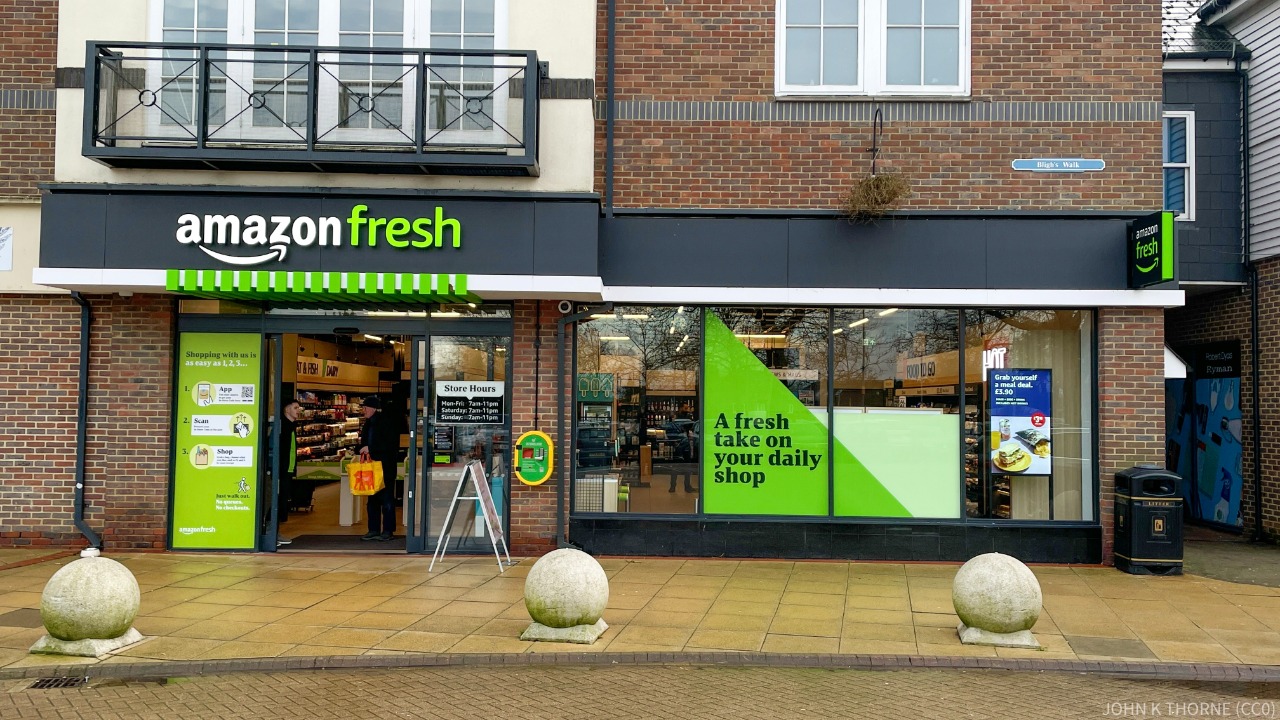
Amazon is quietly trimming its physical grocery footprint again, closing more Amazon Fresh locations in November as it reworks a strategy that once promised a sweeping bricks-and-mortar presence. The latest round of cuts signals that the company is still searching for a profitable formula for selling food in person, even as it doubles down on delivery and its broader retail ecosystem.
Rather than a one-off retrenchment, the November closures extend a pattern of store pauses, write-downs, and format experiments that has unfolded over several years. I see the new cuts as part of a deliberate reset, with Amazon testing where its grocery brand truly fits alongside Whole Foods, third‑party sellers, and its Prime membership machine.
Amazon Fresh’s latest November pullback
The newest wave of Amazon Fresh shutdowns in November fits a clear pattern of the company pruning underperforming or strategically awkward locations instead of racing to open more doors. After earlier rounds of closures and a pause on new openings, the company has again opted to shrink its store base, signaling that the original blueprint for a dense Fresh network is no longer the guiding plan. The November exits follow previous decisions to halt some leases, write down parts of the grocery portfolio, and re-evaluate where physical stores actually help Amazon win repeat food shoppers, a shift that has been documented across multiple grocery updates and store reviews.
What stands out to me is that Amazon is not framing these moves as a retreat from food, but as a reset of how and where it sells it. Earlier this year, executives tied previous closures to a broader review of the Fresh format and hinted that only locations that met specific performance and customer-experience thresholds would survive. The November cuts extend that logic, trimming stores that did not meet those benchmarks while the company continues to invest in delivery, pickup, and technology-heavy formats that promise better margins. That approach is consistent with earlier disclosures about impairment charges and a more cautious pipeline for new Fresh sites.
Why Amazon is still reworking its grocery playbook
The continued closures underline how difficult it has been for Amazon to crack the low-margin grocery business with a new brand instead of simply leaning on Whole Foods. Fresh was supposed to give Amazon a mainstream, tech-forward supermarket that could scale quickly, but the company has repeatedly acknowledged that the economics have not matched its ambitions. In earlier earnings commentary, leaders pointed to the need to refine the in-store experience, adjust assortments, and better integrate Fresh with Prime and online ordering, a theme that helps explain why some stores are now being shuttered while others are remodeled or left in limbo, as reflected in prior opening pauses and format changes.
I read the November cuts as a sign that Amazon is prioritizing strategic fit over raw store count. Rather than chasing the footprint of chains like Kroger or Walmart, the company appears more interested in locations that can serve as omnichannel hubs, supporting same‑day delivery, returns, and pickup for a wide range of products, not just groceries. Earlier reporting on Amazon’s grocery strategy has highlighted experiments with different layouts, checkout technologies, and price points, and the latest closures suggest that only the combinations that drive both traffic and profitability will survive. That is consistent with previous disclosures about testing multiple Fresh concepts and walking away from those that did not meet internal targets, as seen in earlier revamp efforts.
Impact on shoppers and local retail rivals
For shoppers in neighborhoods losing a Fresh store, the November shutdowns mean fewer options for Amazon-branded in‑person grocery trips, but not necessarily less access to the company’s food offerings overall. Customers can still order through Amazon’s website and app, and in some markets they can pivot to Whole Foods or partner delivery services that fulfill from other chains. Earlier coverage of prior closures showed that Amazon often maintained delivery coverage even after locking the doors on a physical Fresh site, leaning on its logistics network and remaining stores to keep serving those ZIP codes, a pattern that appears to be continuing according to recent store network updates.
Local competitors, however, may feel the effects more directly. When Amazon exits a neighborhood, incumbents like regional grocers and discount chains can reclaim share that might have been at risk when Fresh first arrived. Earlier analyses of Amazon’s grocery push noted that rival supermarkets often responded to new Fresh openings with sharper promotions and investments in their own digital ordering tools. With some of those Fresh locations now gone, I expect those same rivals to recalibrate, focusing less on head‑to‑head price wars with Amazon and more on loyalty programs, private‑label ranges, and in‑store services that differentiate them from both Fresh and Whole Foods, a dynamic that has been tracked in prior market reaction reports.
What the cuts reveal about Amazon’s broader retail strategy
The latest Fresh closures also fit into a wider pattern of Amazon trimming or reshaping physical experiments that do not scale as planned. Over the past few years, the company has wound down some bookstore and 4‑star locations, rethought its cashierless formats, and concentrated capital on logistics, advertising, and cloud computing. The November grocery pullback looks like another example of that discipline, with Amazon choosing to absorb near‑term write‑downs and lease exits rather than prop up stores that do not advance its long‑term retail model, a stance that echoes earlier impairment disclosures and capital allocation shifts.
I see a clear throughline: Amazon wants physical locations that amplify its digital strengths instead of operating as standalone supermarkets. That means stores that double as mini‑fulfillment centers, pickup points, and marketing showcases for Prime, Alexa, and its private brands. Earlier reporting on Fresh remodels and technology pilots described efforts to weave in smarter shelf analytics, streamlined online pickup, and tighter integration with the main Amazon app. The November cuts suggest that only stores capable of supporting that kind of multiuse role will remain in the portfolio, while others are quietly retired, a trend that aligns with prior revamp plans and store experiments.
What to watch next for Amazon Fresh
The key question now is whether Amazon can translate this leaner Fresh footprint into a clearer, more durable grocery identity. The company has signaled that it is not abandoning the brand, but rather concentrating on markets and formats where it sees the strongest traction. I will be watching for signs that the remaining stores are getting heavier investment in technology, assortment, and local marketing, which would indicate that Amazon is moving from experimentation to a more settled template. Earlier hints about refreshed layouts, expanded private‑label ranges, and deeper Prime integration at select Fresh sites point in that direction, as noted in prior store revamp coverage.
For now, the November closures reinforce that Amazon is still in test‑and‑learn mode in physical grocery, even as it continues to grow its online food sales and Whole Foods footprint. If the company can prove that a smaller, more focused Fresh network can drive profitable omnichannel behavior, the brand may yet become a core pillar of its retail strategy rather than a costly side experiment. If not, the latest cuts could foreshadow deeper changes to how Amazon approaches supermarkets altogether, a possibility that earlier network reductions and strategy reviews have already started to surface.
More From TheDailyOverview
- Dave Ramsey warns to stop 401(k) contributions
- 11 night jobs you can do from home (not exciting but steady)
- Small U.S. cities ready to boom next
- 19 things boomers should never sell no matter what

Grant Mercer covers market dynamics, business trends, and the economic forces driving growth across industries. His analysis connects macro movements with real-world implications for investors, entrepreneurs, and professionals. Through his work at The Daily Overview, Grant helps readers understand how markets function and where opportunities may emerge.