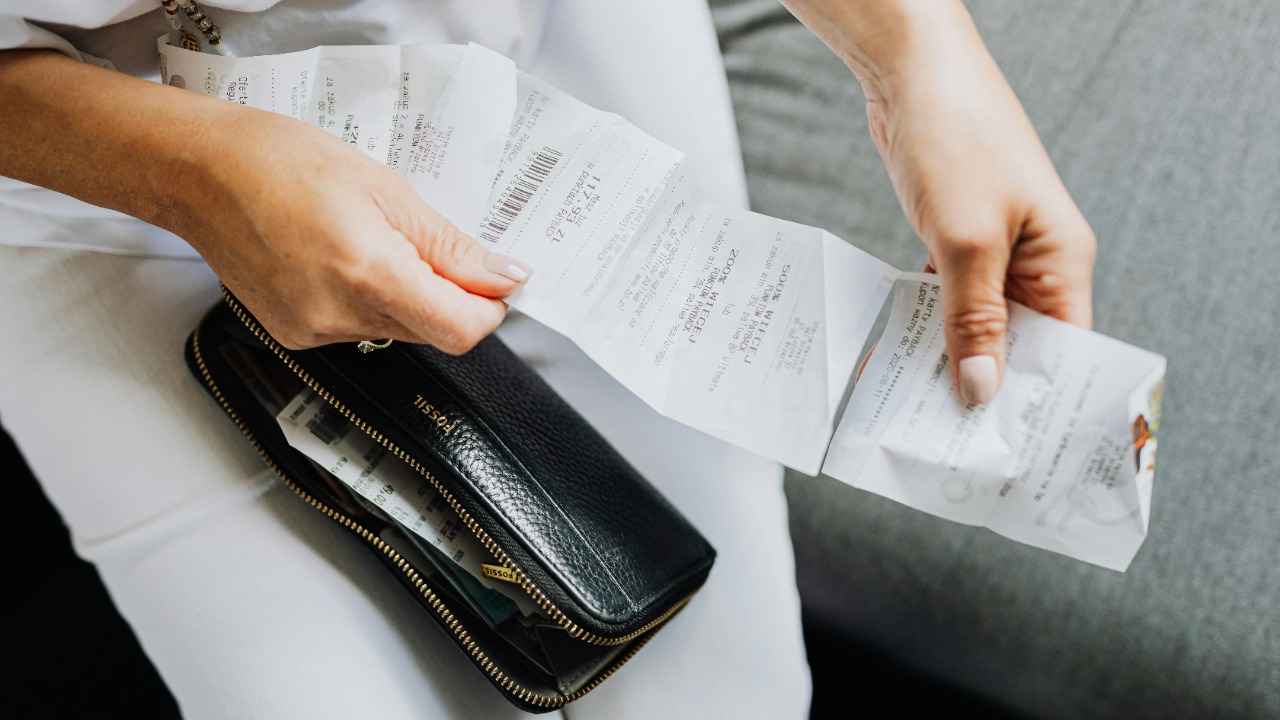
In today’s world, where every penny counts, it’s crucial to be aware of habits that can quietly drain your finances. Water usage is a significant area where small, everyday actions can lead to substantial costs over time. From leaving the faucet running to ignoring leaks, these habits not only waste water but also inflate your bills. Understanding these costly behaviors can help you make informed decisions to protect your financial future.
Running the Faucet While Brushing Your Teeth
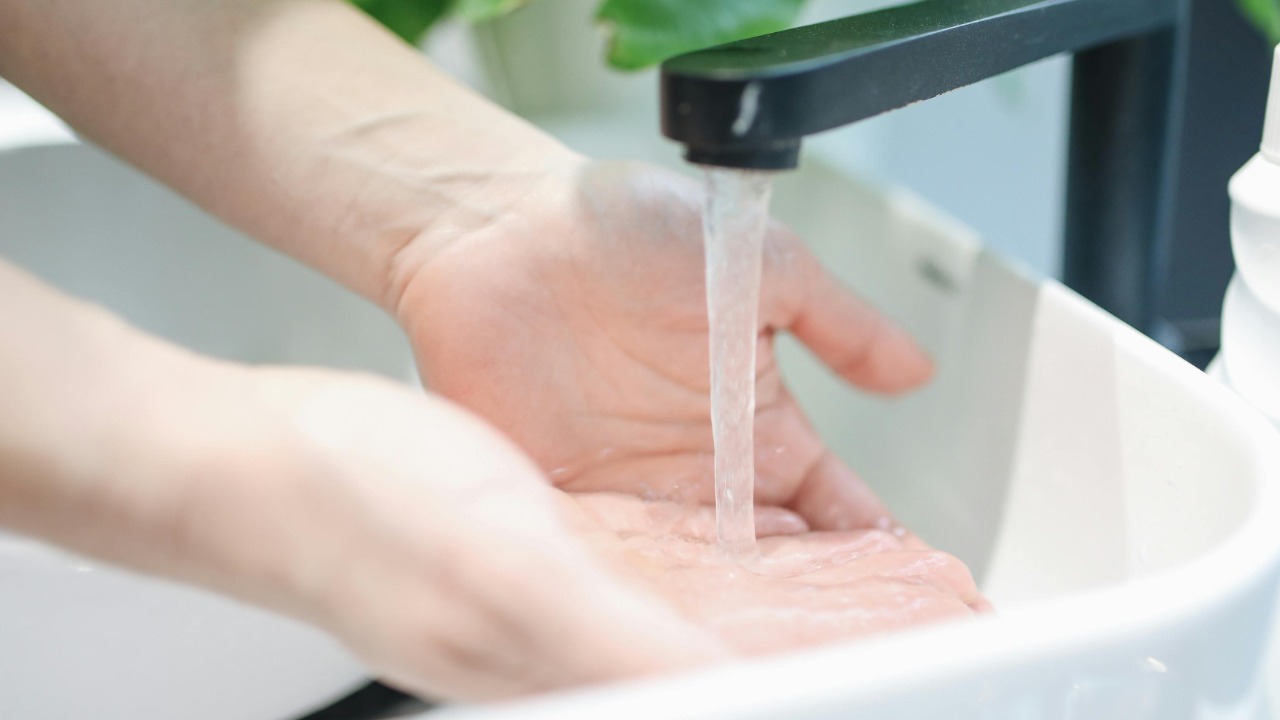
Leaving the faucet running while brushing your teeth can waste up to 4 gallons of water per minute. This seemingly harmless habit can add hundreds of dollars to your annual water bill. By simply turning off the tap while brushing, you can conserve water and save money. This small change can have a significant impact on your budget over time, reducing unnecessary expenses and contributing to a more sustainable lifestyle. Learn more about water-saving tips.
Taking Excessively Long Showers
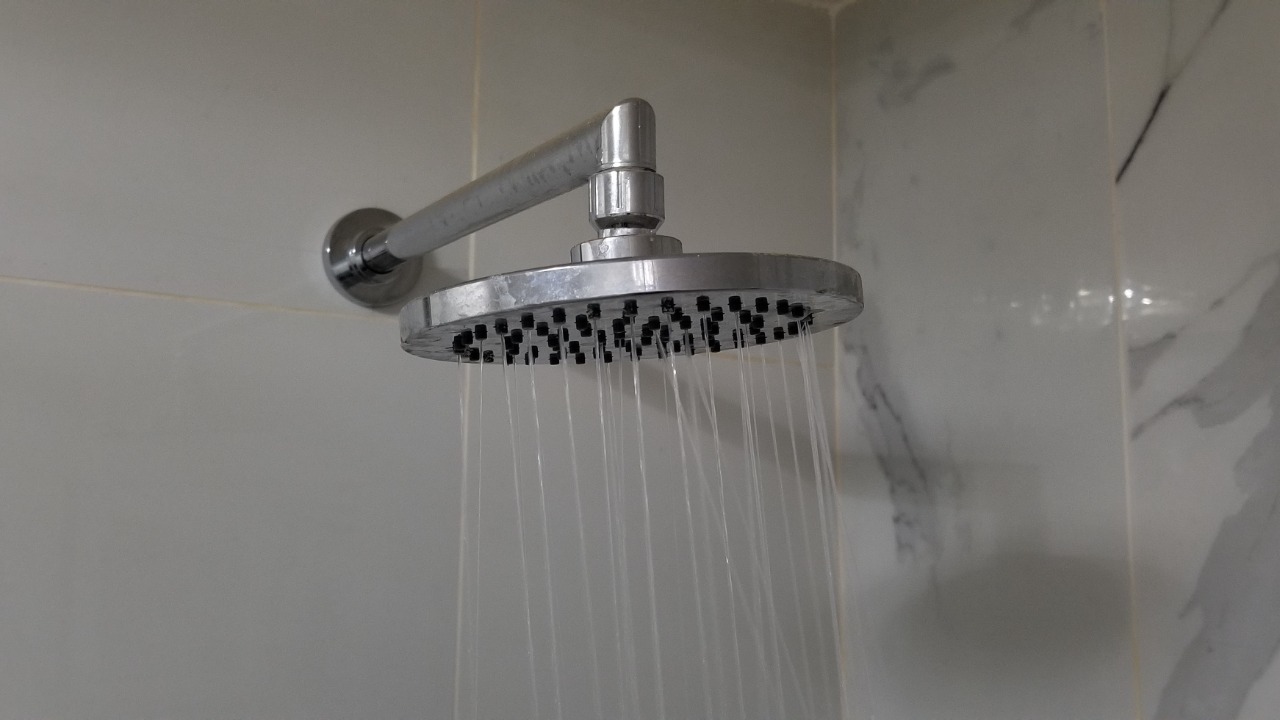
Showers that exceed 5-10 minutes can consume 20-25 gallons of water each time. This habit can quickly add up, leading to thousands of dollars in water costs over a lifetime. By shortening your showers, you can significantly reduce your water usage and lower your utility bills. This simple adjustment not only benefits your wallet but also helps conserve a precious natural resource.
Operating the Dishwasher Half-Empty
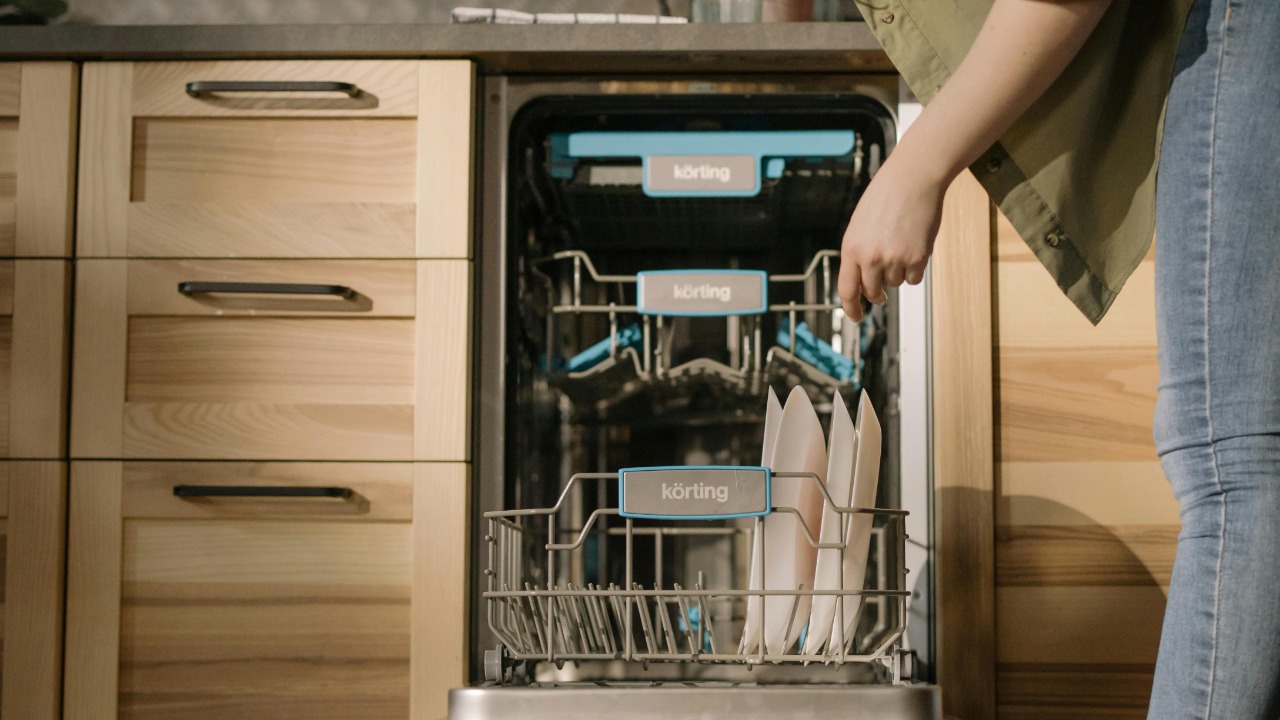
Running the dishwasher when it’s not fully loaded increases water usage by 30% per cycle. This practice turns a convenient household appliance into a stealthy budget drainer. Ensuring that your dishwasher is full before running it can help you save water and reduce your utility bills. This habit change is an easy way to manage household expenses more effectively.
Overlooking Dripping Faucets
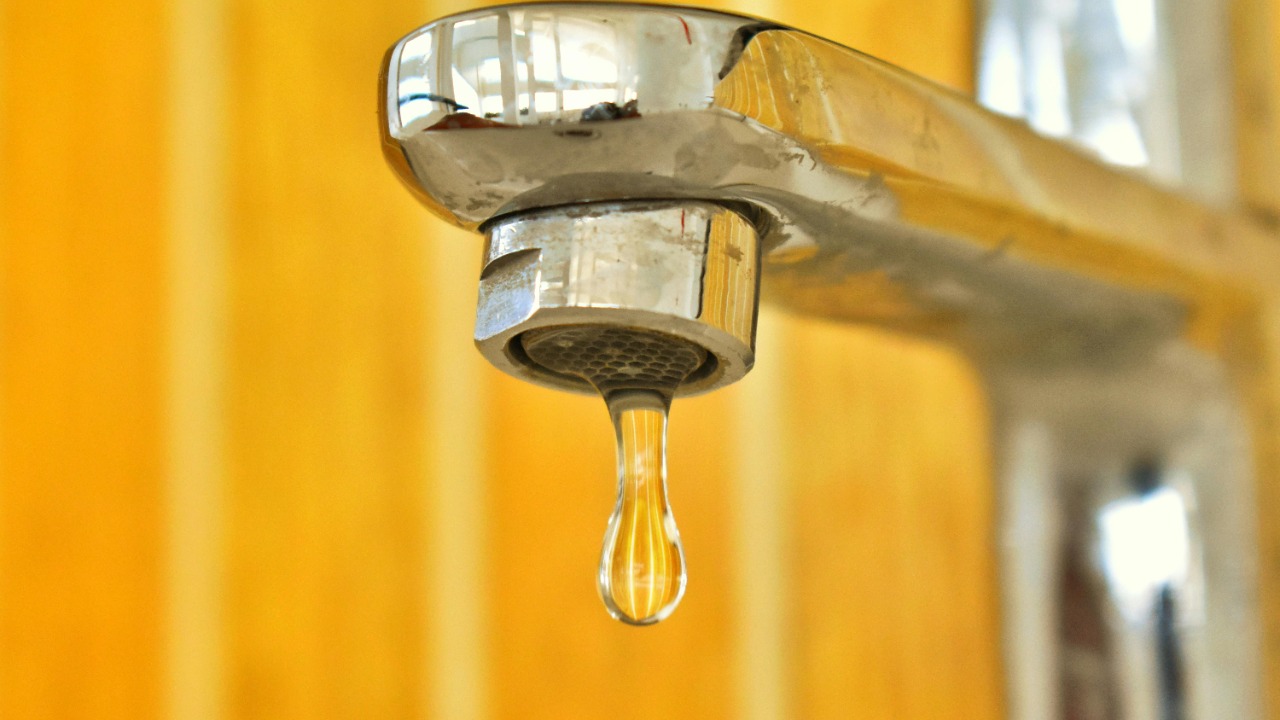
A single dripping faucet can waste over 3,000 gallons of water annually, leading to increased utility costs. Ignoring these leaks can erode your future savings through unchecked utility hikes. Regularly checking and repairing faucets can prevent this waste, helping you maintain a more efficient and cost-effective home.
Neglecting Silent Toilet Leaks
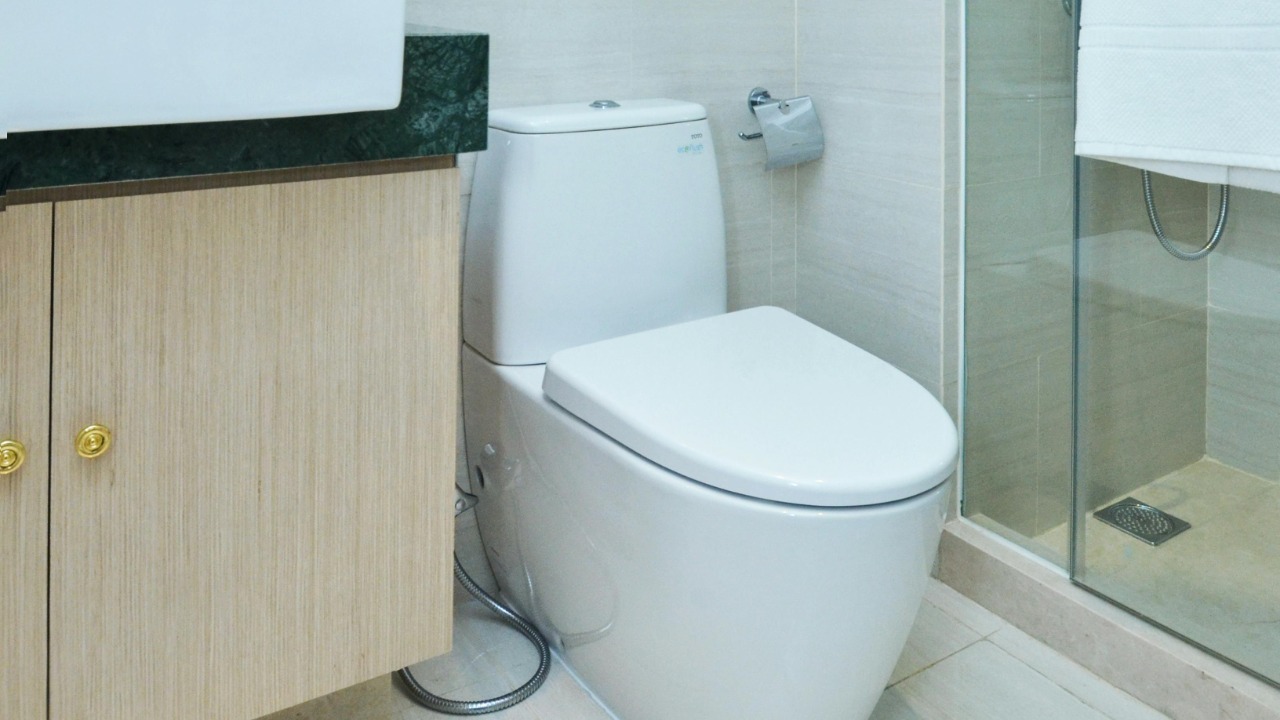
Unseen leaks in toilets can waste 200 gallons of water daily, inflating your bills and diverting funds from more important financial goals. These leaks often go unnoticed, silently draining your resources. Regular maintenance and prompt repairs can prevent these leaks, ensuring that your water usage remains efficient and cost-effective.
Over-Relying on the Garbage Disposal
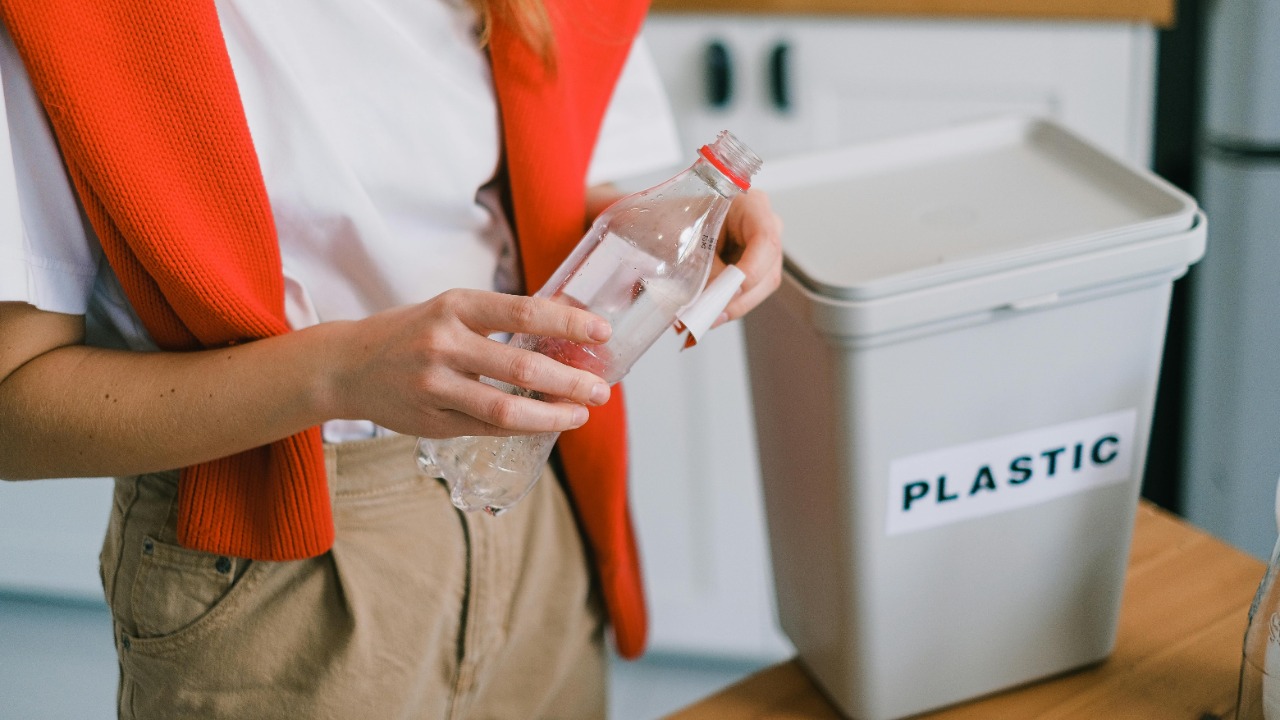
Frequent use of the garbage disposal requires extra rinsing water, accumulating unnecessary expenses over time. By composting instead of using the disposal, you can reduce water usage and save money. This eco-friendly alternative not only benefits your budget but also contributes to a more sustainable environment.
Watering the Lawn Midday
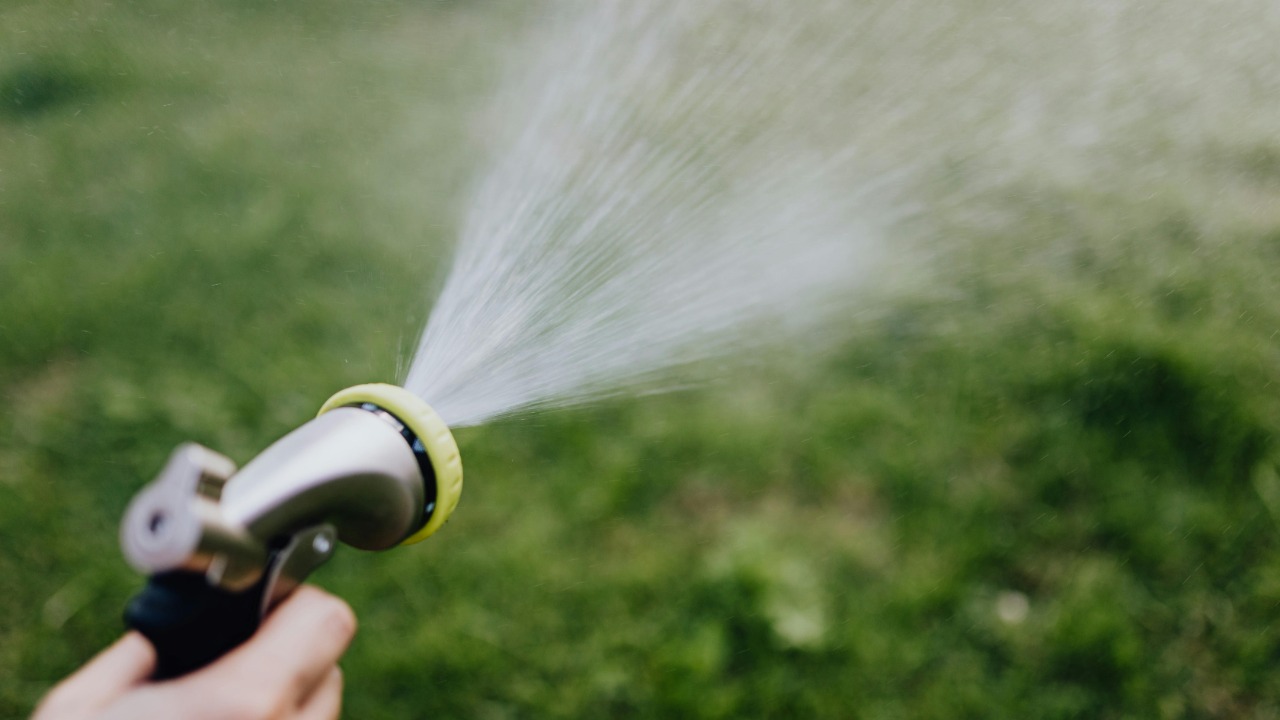
Watering your lawn during the hottest part of the day leads to 50% evaporation loss. This practice wastes resources and money that could be better spent elsewhere. Watering your lawn in the early morning or late evening can minimize evaporation, helping you conserve water and reduce your utility bills.
Mismanaging Washing Machine Loads
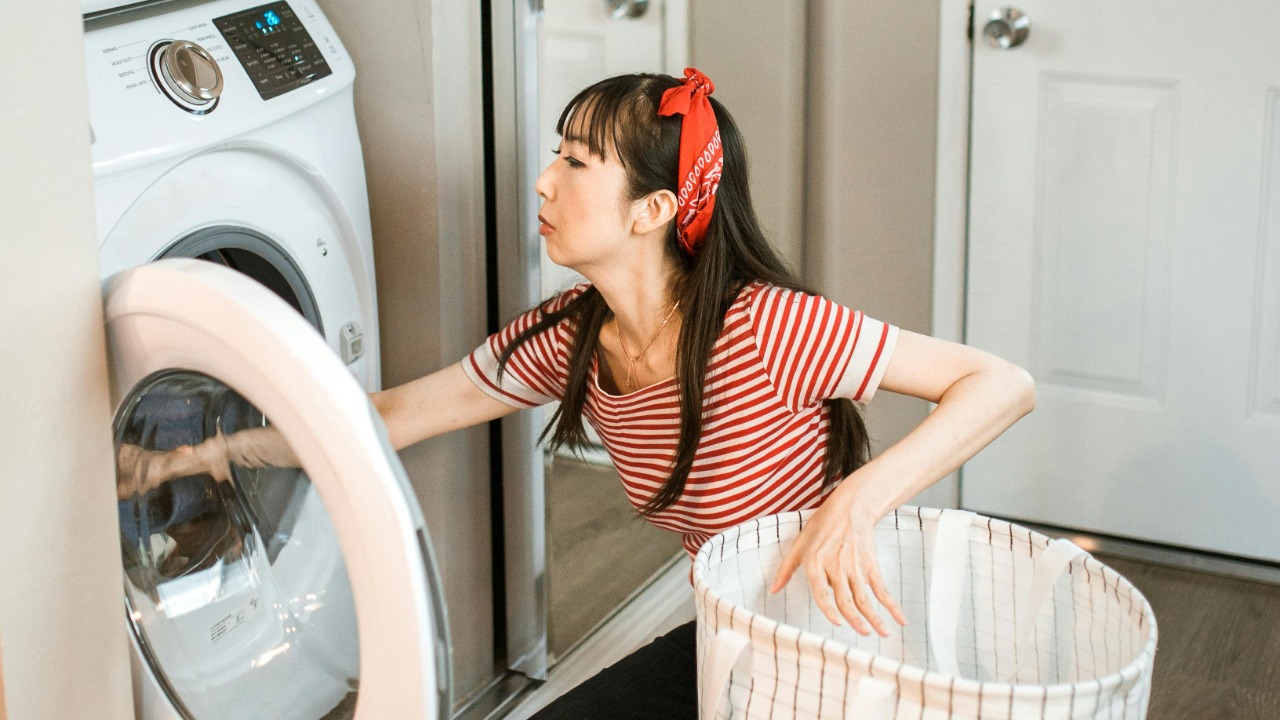
Washing clothes in large loads without matching water levels wastes 15-20 gallons per load. This habit steadily chips away at household wealth. By adjusting the water level to match the load size, you can save water and reduce your utility costs. This simple change can make a significant difference in your household budget.
Skipping Low-Flow Showerhead Upgrades
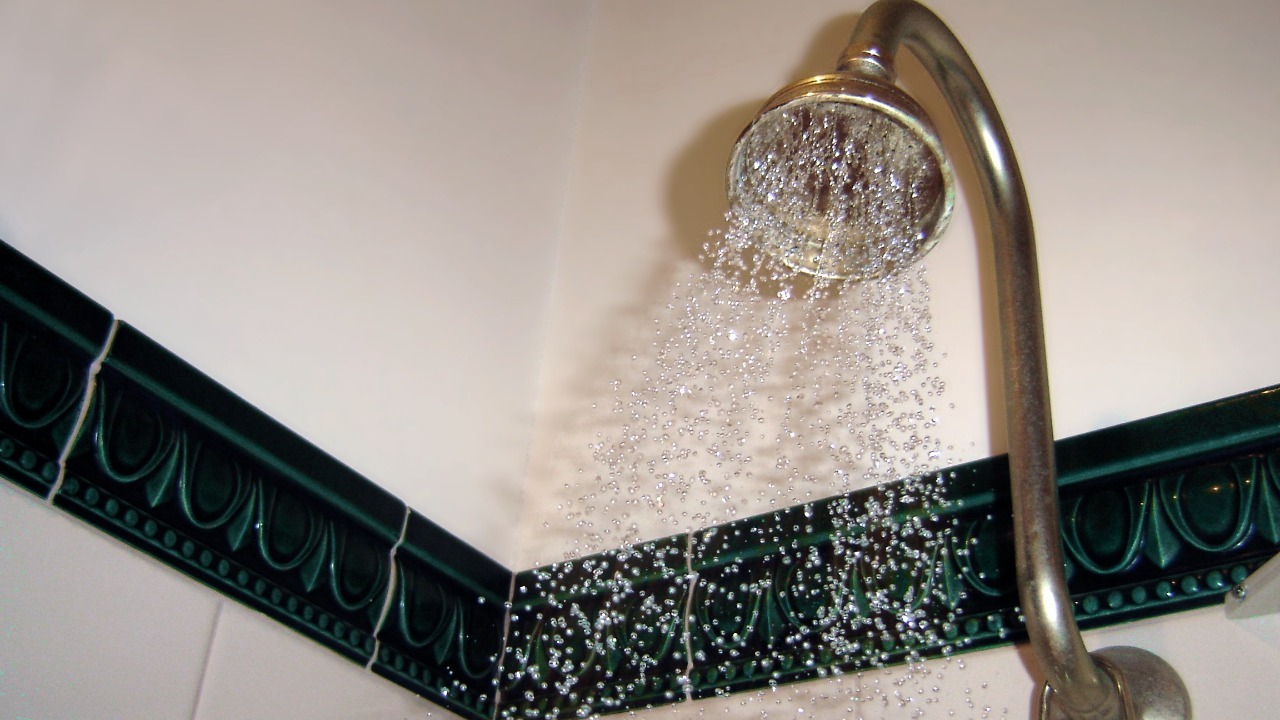
Failing to install low-flow showerheads can result in excess water usage, as standard showerheads use more water without saving 2.5 gallons per minute. Upgrading to low-flow options can lead to sustained savings on your utility bills. This investment not only pays off financially but also supports water conservation efforts.
Hose-Running Car Washes at Home
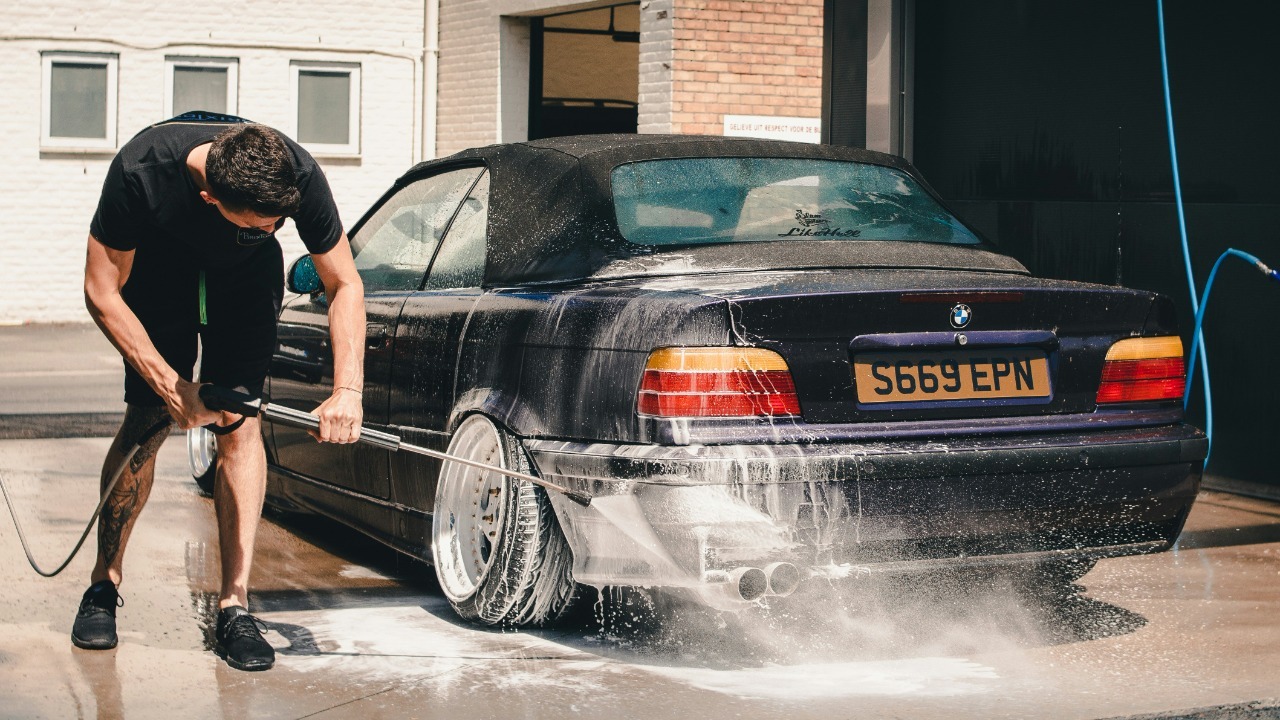
Leaving hoses running while washing cars uses 10-20 gallons per minute, turning routine maintenance into a costly habit. By using a bucket and sponge instead, you can significantly reduce water usage and save money. This approach is both budget-friendly and environmentally responsible.
Excess Indoor Plant Watering

Overwatering houseplants or indoor areas contributes to hidden humidity and mold-related costs. This practice can subtly erode your financial stability. By monitoring and adjusting your watering habits, you can prevent these issues and maintain a healthier indoor environment.
Ignoring Washing Machine Hose Leaks
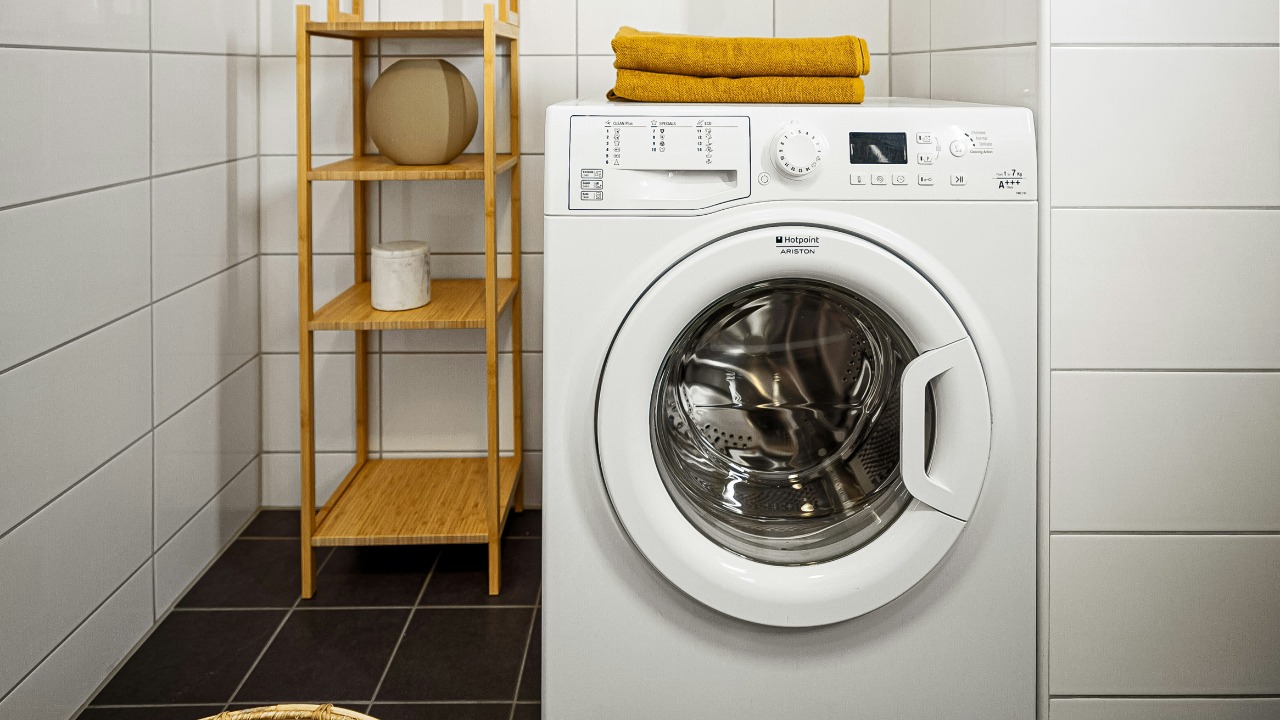
Leaks in washing machine hoses can drip 500 gallons monthly, accumulating into significant long-term monetary loss. Regularly inspecting and repairing these hoses can prevent this waste, helping you save money and maintain an efficient household.
Wasting Water to “Warm It Up”
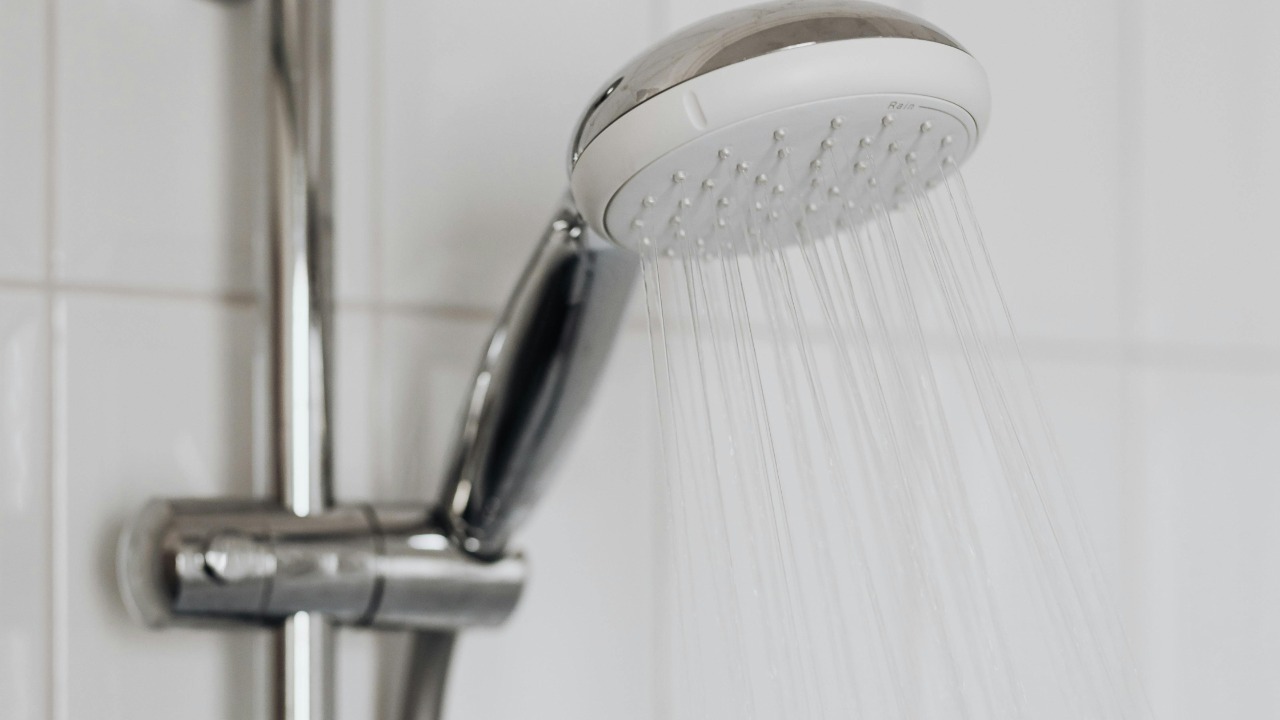
Running hot water down the drain to “warm it up” before use wastes 1-2 gallons each time. This habit multiplies into daily drains on your budget and future goals. By capturing the initial cold water for other uses, you can reduce waste and save money.
Dismissing Unexplained Bill Spikes
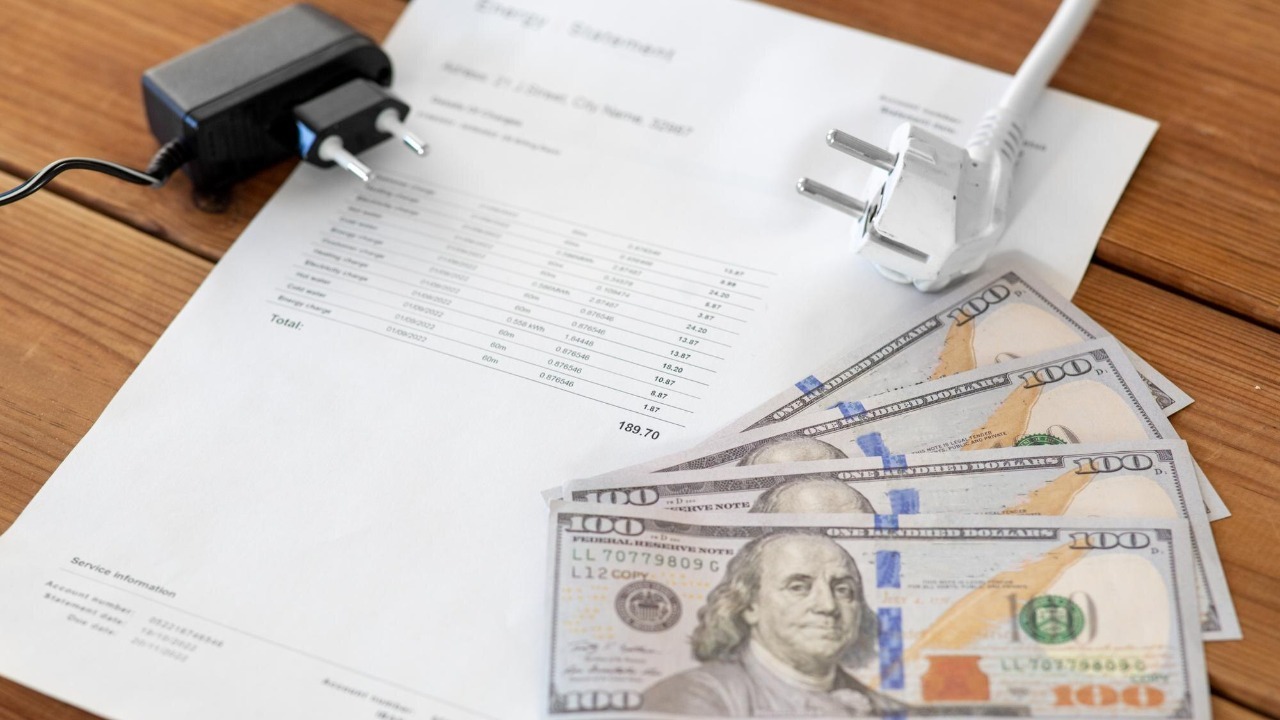
Ignoring seasonal fluctuations in water bills without checking for undetected leaks allows waste to quietly sabotage financial planning. By monitoring your bills and investigating any sudden increases, you can identify and address leaks promptly, ensuring that your water usage remains efficient and cost-effective.

Cole Whitaker focuses on the fundamentals of money management, helping readers make smarter decisions around income, spending, saving, and long-term financial stability. His writing emphasizes clarity, discipline, and practical systems that work in real life. At The Daily Overview, Cole breaks down personal finance topics into straightforward guidance readers can apply immediately.
