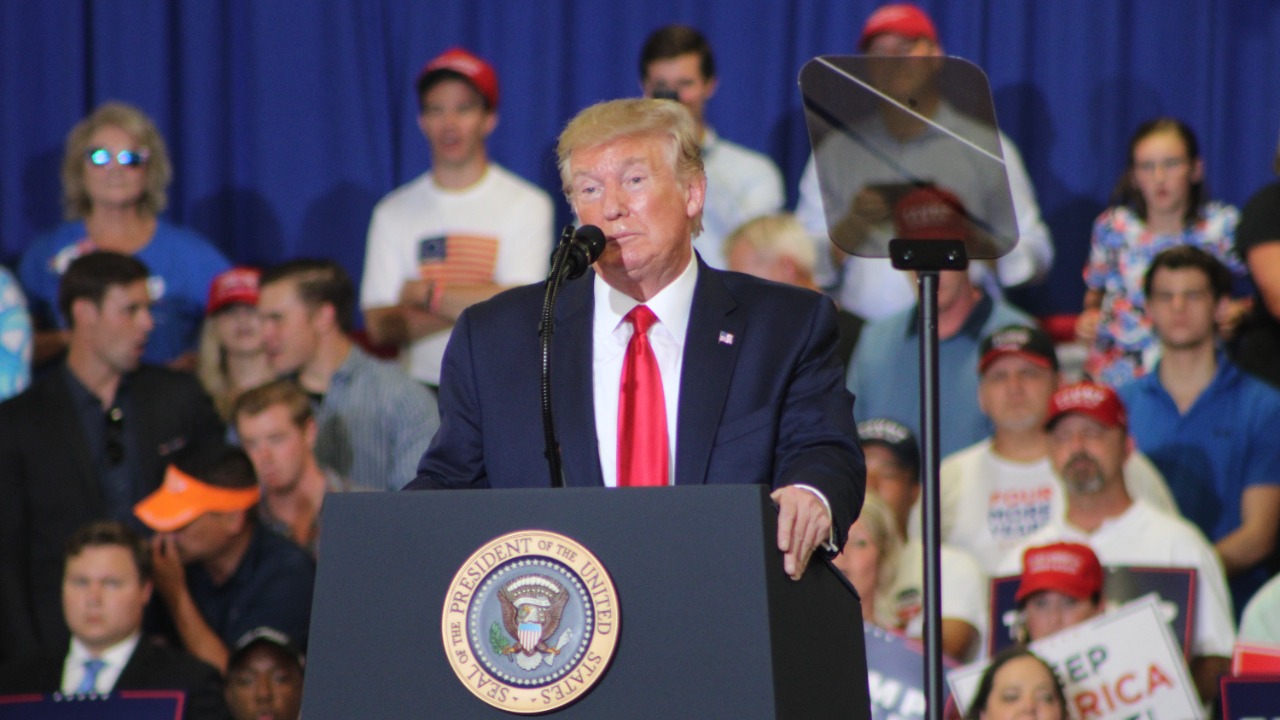
The latest U.S. jobs report has sparked a wave of controversy, with President Donald Trump alleging that the figures are “rigged.” As job growth falters, economic analysts suggest that this downturn might lead to a decrease in interest rates, presenting a complex economic picture.
The Controversy Over Jobs Data

The release of the recent jobs report has reignited debates about the integrity of economic data, with Donald Trump leading the charge in questioning the validity of the numbers. Trump’s claims that the job statistics are “rigged” have found an audience among his supporters, prompting discussions about the transparency and accuracy of economic reports. His statements suggest a deliberate manipulation of data, a charge that complicates public trust in official statistics.
This is not the first time jobs data has been under scrutiny. For instance, during the 2016 election cycle, Trump frequently challenged the authenticity of economic figures released by the government, calling them “phony” and “fake.” These allegations often gain traction during politically charged periods, underpinning a historical pattern where economic data becomes a focal point of partisan debate. Such controversies are not exclusive to the United States; similar disputes have occurred globally, reflecting the universal challenge of maintaining confidence in official statistics.
Economists and analysts, however, largely dismiss claims of rigging as unfounded. Several experts argue that while economic data can be subject to errors or revisions, the allegation of deliberate manipulation lacks substantial evidence. According to a comprehensive analysis, the methodologies used by agencies like the Bureau of Labor Statistics are transparent and subject to rigorous checks. Thus, while political narratives may suggest otherwise, the integrity of the data remains intact.
Understanding the Current Jobs Slump

The latest jobs report paints a sobering picture of the U.S. labor market, indicating a marked slowdown in job growth. Key metrics such as the unemployment rate and job creation numbers reveal a trend that’s concerning to both policymakers and the public. The report shows fewer jobs added than expected, with sectors like retail and manufacturing experiencing significant declines. This slump suggests that economic recovery may be losing steam, raising alarms about the broader economic landscape.
Several factors contribute to the current downturn in job statistics. Economically, lingering supply chain issues and rising commodity prices have disrupted business operations, leading to layoffs and hiring freezes. Politically, uncertainty surrounding fiscal policies and government spending has created an environment of caution among employers. Additionally, technological advancements and shifts in consumer behavior are reshaping the demand for labor, further complicating the job market dynamics.
The impact of the job slump is felt across various sectors, influencing both workers and businesses. Employees face increased job insecurity and stagnating wages, while employers grapple with finding the right talent amidst a changing economic environment. The situation underscores the need for adaptable economic strategies to address these challenges and support both workforce and business needs.
Potential Economic Implications
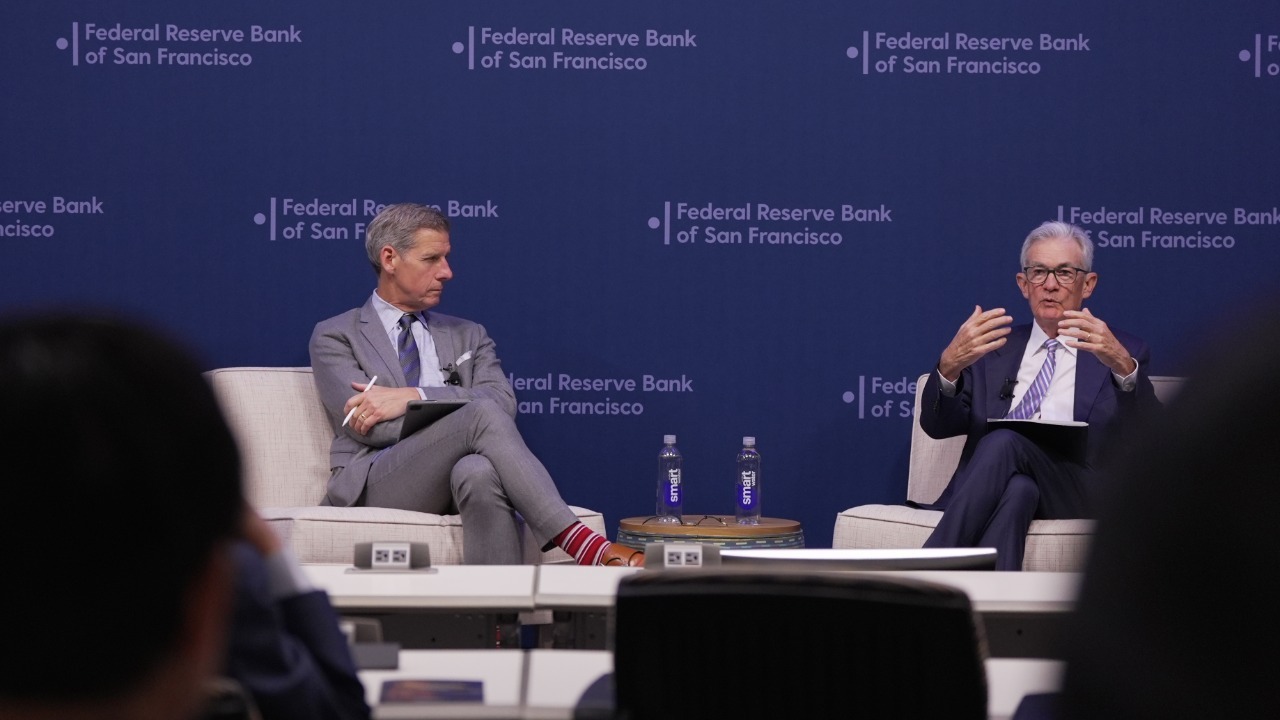
The jobs slump has significant implications for interest rates and monetary policy. Historically, periods of weak job growth have prompted the Federal Reserve to consider lowering interest rates to stimulate economic activity. Lower rates could encourage borrowing and investment, providing a much-needed boost to the economy. However, this approach must be balanced with the risk of rising inflation, which could undermine economic stability if left unchecked.
Inflation concerns remain a critical issue, especially as the economy struggles to find its footing. The challenge lies in fostering growth without triggering significant price increases. Policymakers face the delicate task of managing these competing priorities, ensuring that monetary policies effectively support economic recovery while maintaining price stability. The outcome of these efforts will significantly influence the nation’s long-term economic outlook.
Looking ahead, the trajectory of the U.S. economy will depend on how well it navigates these challenges. If current trends persist, the nation may face prolonged economic uncertainty, affecting everything from consumer confidence to global market perceptions. The situation calls for strategic interventions and coordinated policy efforts to foster a sustainable economic recovery.
Political Ramifications of the Jobs Report
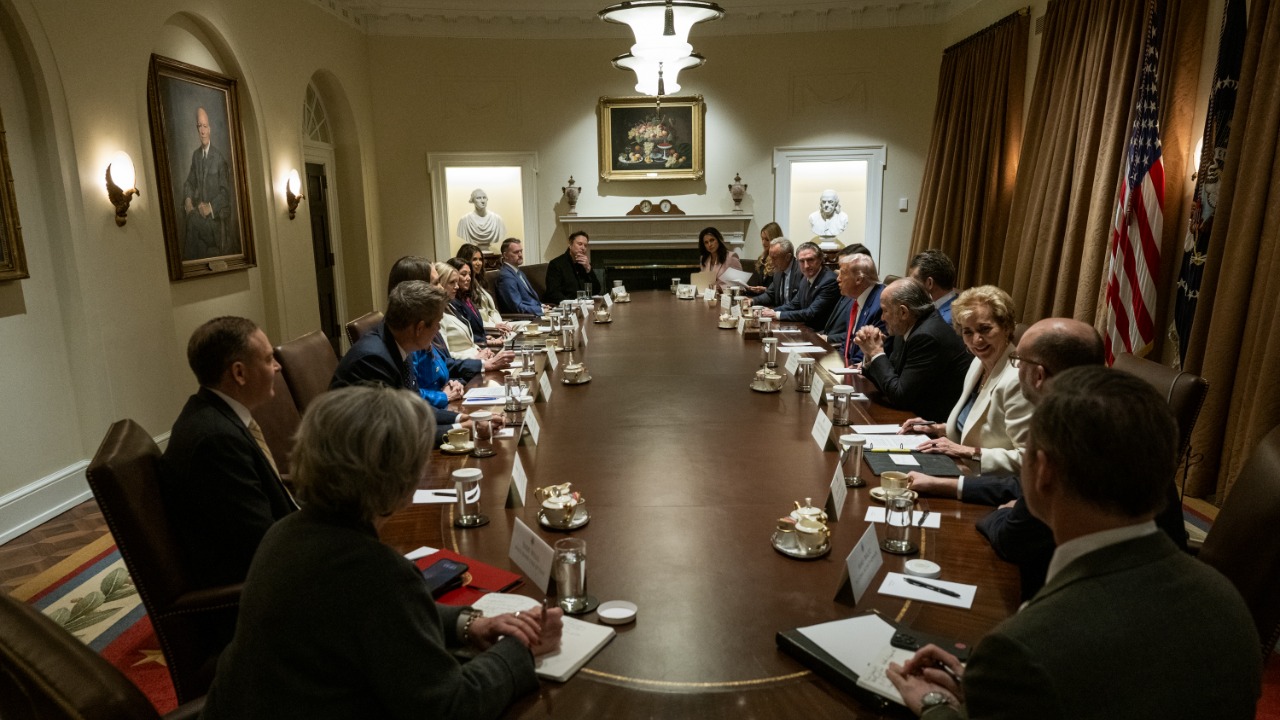
The political landscape is deeply intertwined with the current economic situation, and the jobs report has elicited varied responses from different parties. Democrats and Republicans alike are keenly aware of the report’s implications, each crafting narratives that support their respective agendas. While Democrats may highlight the need for continued government intervention to stabilize the economy, Republicans might focus on deregulation and tax incentives as solutions to spur job growth.
The economic performance reflected in the jobs report could significantly impact upcoming elections. Voter sentiment is often influenced by their economic well-being, and the perception of economic mismanagement could sway election outcomes. As parties gear up for election campaigns, the state of the economy will undoubtedly play a central role in shaping political strategies and voter outreach efforts.
Potential policy proposals to address the jobs slump are emerging from both sides of the political aisle. Democrats may push for increased stimulus spending and infrastructure investments to create jobs, while Republicans could advocate for policies that reduce regulatory burdens on businesses. These differing approaches highlight the ideological divides in how best to achieve economic recovery and stability.
Global Perspective on U.S. Economic Trends
The response to U.S. economic trends extends beyond its borders, with international markets and governments closely monitoring developments. Global investors react to U.S. jobs data, influencing stock markets and investment decisions worldwide. The strength or weakness of the U.S. economy has ripple effects, impacting global economic stability and growth prospects.
Comparatively, the U.S. is not alone in facing economic challenges. Many major economies are grappling with similar issues, including labor market disruptions and inflationary pressures. This comparative analysis underscores the interconnectedness of the global economy and the shared challenges that countries face in fostering economic recovery.
Trade and economic diplomacy also play a crucial role in how the U.S. navigates its economic performance on the international stage. As the nation addresses its internal challenges, it must also engage in economic diplomacy to strengthen trade agreements and foster international cooperation. The outcome of these efforts will shape not only the U.S. economy but also its relationships with key global partners.

Alex is the strategic mind behind The Daily Overview, guiding its mission to uncover the forces shaping modern wealth. With a background in market analysis and a track record of building digital-first businesses, he leads the publication with a focus on clarity, depth, and forward-looking insight. Alex oversees editorial direction, growth strategy, and the development of new content verticals that help readers identify opportunity in an ever-evolving financial landscape. His leadership emphasizes disciplined thinking, high standards, and a commitment to making sophisticated financial ideas accessible to a broad audience.
