
Strengthening your finances doesn’t always require drastic changes. Sometimes, small tweaks can make a significant impact on your financial health. Whether it’s optimizing your savings, managing expenses, or making the most of your existing resources, these adjustments can pave the way for a more secure financial future. Here are 14 practical tweaks that can help bolster your financial standing.
Revisit Your Health Savings Account (HSA)

Health Savings Accounts (HSAs) offer a tax-advantaged way to save for medical expenses. Recent tweaks in tax legislation have made these accounts even more beneficial. According to a report, these changes can enhance the flexibility and growth potential of your HSA. By maximizing contributions to your HSA, you can reduce taxable income and build a reserve for future healthcare costs, making it a smart move for long-term financial health.
Optimize Your Old Devices

Before discarding your old devices, consider giving them a second life. With a few tweaks, these devices can be repurposed for various tasks, saving you the cost of new gadgets. As highlighted by CNET, simple adjustments can improve performance and functionality. This approach not only saves money but also reduces electronic waste, aligning with sustainable financial practices.
Automate Your Savings

Automating savings is a straightforward yet effective way to ensure consistent contributions to your savings account. By setting up automatic transfers from your checking to your savings account, you can effortlessly build your savings without the temptation to spend. This method helps in creating a disciplined savings habit, ensuring that you are consistently working towards your financial goals.
Review and Reduce Subscriptions

Monthly subscriptions can quietly drain your finances if left unchecked. Regularly reviewing your subscriptions and canceling those that are no longer needed can free up funds for more important financial goals. This simple action can lead to significant savings over time, allowing you to allocate resources more effectively.
Negotiate Bills and Rates

Many people overlook the potential savings from negotiating bills and interest rates. Whether it’s your cable bill, insurance premiums, or credit card interest rates, a simple phone call can often result in reduced costs. By taking the initiative to negotiate, you can lower your monthly expenses and improve your overall financial situation.
Utilize Cashback and Rewards Programs

Cashback and rewards programs offer an easy way to earn money back on purchases you already make. By strategically using credit cards with cashback options or signing up for rewards programs, you can accumulate savings over time. This approach not only enhances your purchasing power but also provides a financial cushion for future expenses.
Set Clear Financial Goals

Having clear financial goals provides direction and motivation for your financial journey. Whether it’s saving for a vacation, a new car, or retirement, setting specific and achievable goals can help you stay focused and disciplined. By regularly reviewing and adjusting these goals, you can ensure that your financial strategy remains aligned with your life aspirations.
Create a Budget and Stick to It
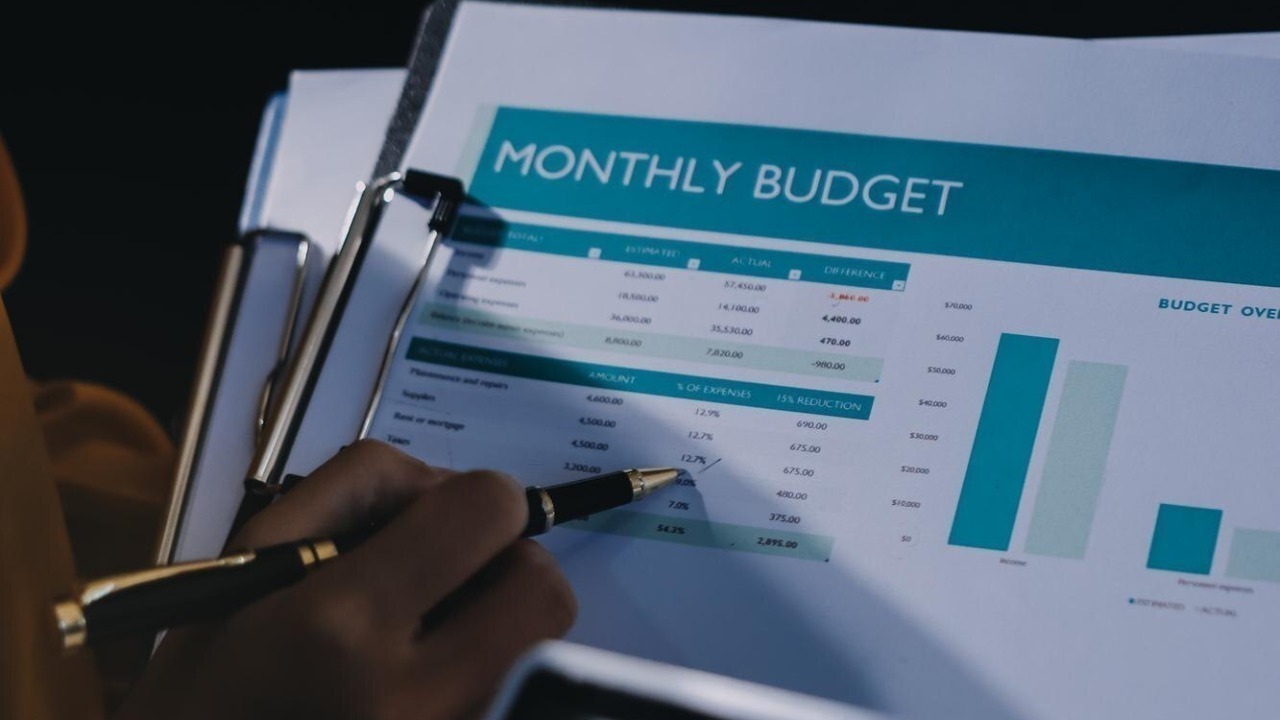
Budgeting is a fundamental aspect of financial management. By creating a detailed budget, you can track your income and expenses, identify areas for improvement, and make informed financial decisions. Sticking to a budget requires discipline, but it is essential for maintaining control over your finances and achieving long-term stability.
Invest in Financial Education

Investing in your financial education can yield significant returns. By understanding financial concepts and strategies, you can make more informed decisions and avoid common pitfalls. Whether it’s through books, courses, or seminars, expanding your financial knowledge empowers you to take control of your financial future.
Build an Emergency Fund
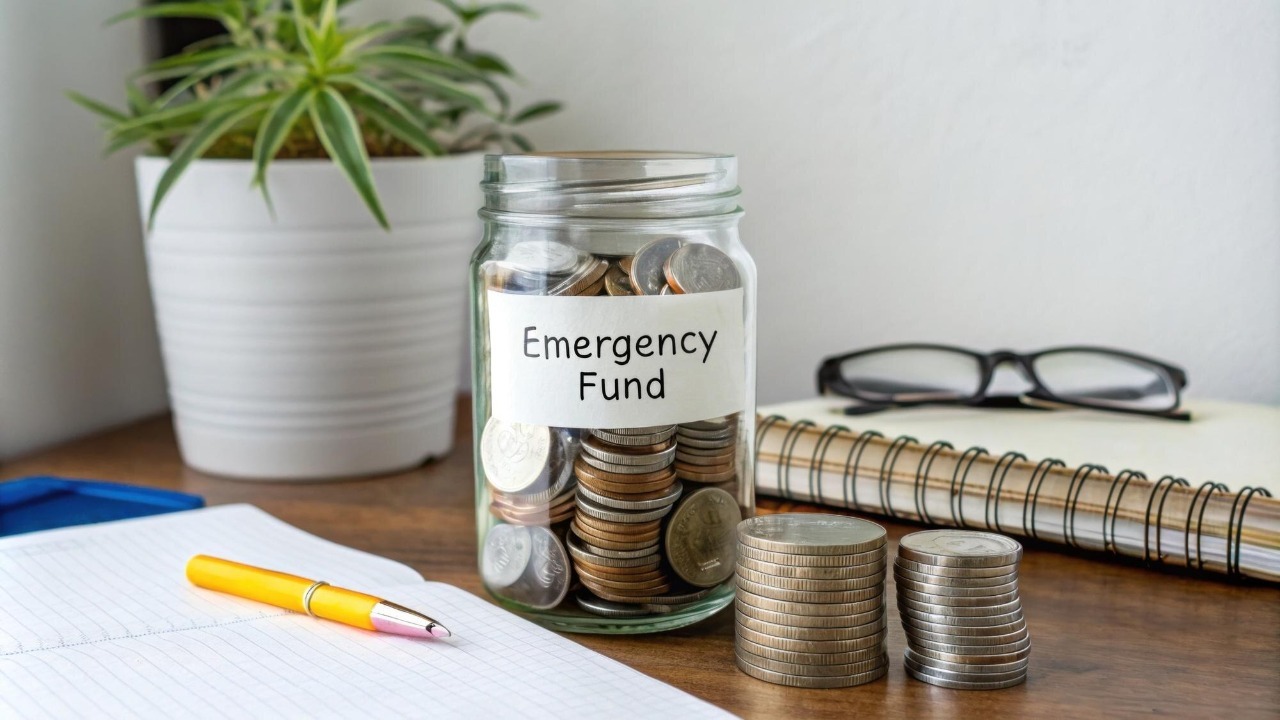
An emergency fund acts as a financial safety net, providing peace of mind in case of unexpected expenses. By setting aside a portion of your income each month, you can gradually build a fund that covers three to six months of living expenses. This fund can prevent financial stress and help you navigate unforeseen challenges without resorting to debt.
Review Insurance Coverage

Regularly reviewing your insurance coverage ensures that you are adequately protected without overpaying for unnecessary coverage. By comparing policies and adjusting coverage as needed, you can optimize your insurance expenses and ensure that you are only paying for what you truly need.
Take Advantage of Employer Benefits

Many employers offer benefits that can enhance your financial well-being, such as retirement plans, health insurance, and wellness programs. By fully understanding and utilizing these benefits, you can maximize your compensation package and improve your financial security.
Plan for Retirement Early
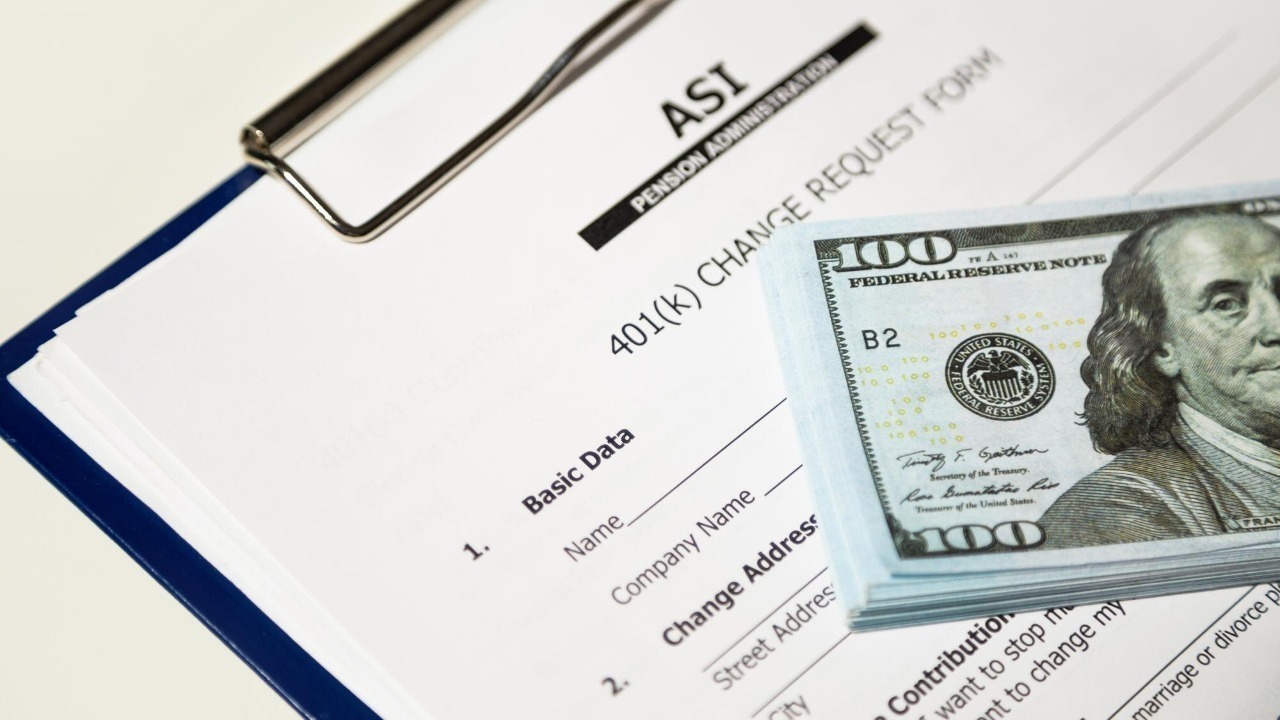
Planning for retirement early allows you to take advantage of compound interest and build a substantial nest egg over time. By contributing regularly to retirement accounts such as 401(k)s or IRAs, you can ensure a comfortable retirement and reduce financial stress in your later years.
Track Your Financial Progress

Regularly tracking your financial progress helps you stay on course and make necessary adjustments to your strategy. By reviewing your financial statements, monitoring your net worth, and assessing your goals, you can maintain a clear picture of your financial health and make informed decisions to enhance your financial future.

Cole Whitaker focuses on the fundamentals of money management, helping readers make smarter decisions around income, spending, saving, and long-term financial stability. His writing emphasizes clarity, discipline, and practical systems that work in real life. At The Daily Overview, Cole breaks down personal finance topics into straightforward guidance readers can apply immediately.

