Amazon’s return policy is famously generous, but a surprising number of everyday purchases are final once you click “Place your order.” Knowing which products are truly non-returnable can save you money, frustration, and a lot of time with customer service. Here are 14 common items you cannot send back, even if you change your mind.
1) Gift Cards
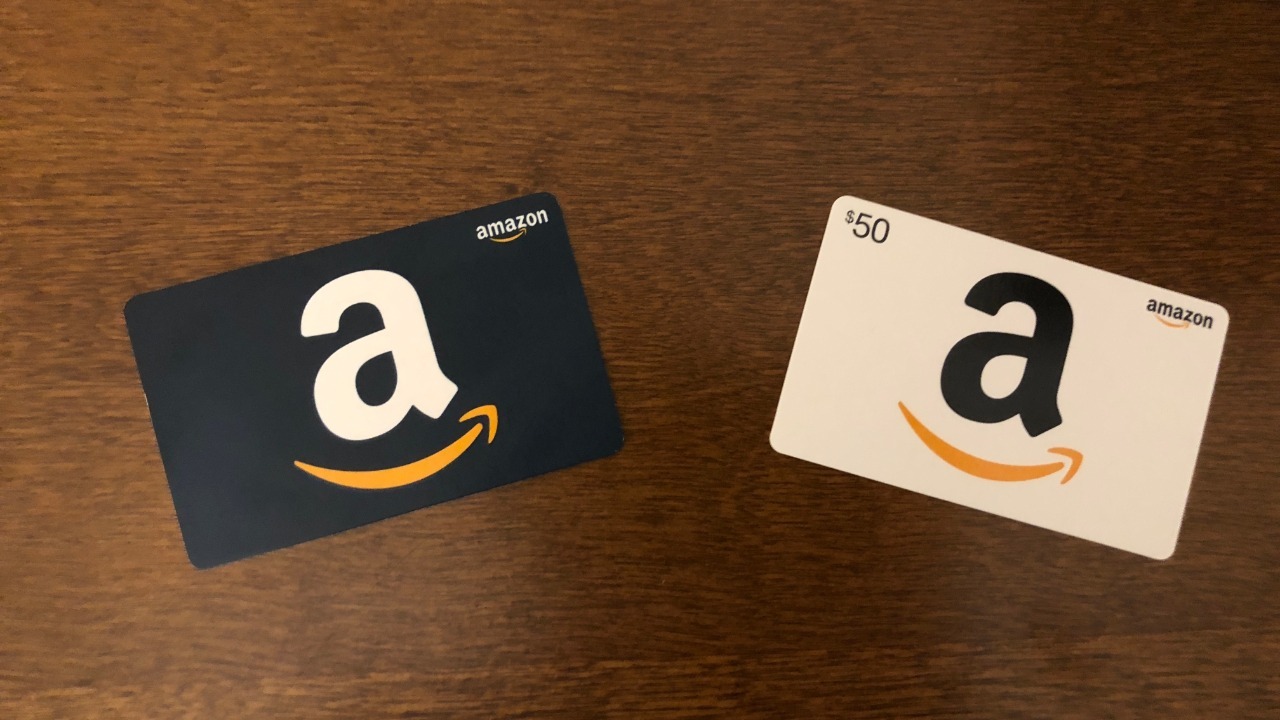
Gift cards are among the clearest examples of things you cannot send back once purchased. Reporting on non-returnable Amazon purchases notes that gift cards are explicitly excluded from standard returns, whether they are physical cards or digital claim codes. That means a mistyped email address or an unwanted brand usually becomes an expensive lesson rather than a reversible mistake.
The stakes are higher around holidays, when people often stock up on multipacks for teachers, coworkers, or extended family. Because these cards function like cash, Amazon treats them as final once issued, so I always double check recipient details and denominations before paying. If you are unsure what someone wants, a more flexible payment option may be safer.
2) Digital Downloads
Digital downloads, including e-books, movies, and music, are another category where returns are tightly restricted. Coverage of Amazon’s non-returnable list explains that once you access or stream this kind of digital content, you generally lose the right to send it back. The logic is simple, once you have consumed the file, there is no practical way to “return” it.
For shoppers, that means impulse buys during late-night browsing can quickly add up. It is worth previewing samples, reading reviews, and confirming device compatibility before purchasing a Kindle book or UHD movie. Because these items are often inexpensive individually, people underestimate how permanent the charges are when they stack across an entire library.
3) Perishable Groceries
Perishable groceries, from fresh produce to refrigerated snacks, sit firmly on the no-return list. Guides warning about Amazon’s strict rules point out that fresh foods and other perishables cannot be shipped back because of spoilage and contamination risks. Once those items leave controlled storage, Amazon cannot safely restock or resell them.
Instead of returns, customers typically receive refunds or replacements if something arrives damaged, thawed, or close to expiration. That policy protects food safety but also means you should order realistic quantities and check delivery windows carefully. For anyone relying on grocery deliveries, understanding that you cannot “undo” a bulk order is crucial for both your budget and your fridge space.
4) Hazardous Materials
Hazardous materials, including flammable liquids, gases, and certain chemicals, are another category Amazon will not accept back. Consumer explainers on non-returnable products emphasize that Hazardous items pose shipping and storage risks that make reverse logistics impractical. Once these products leave Amazon’s facilities, they are treated as final sales.
That has real implications for DIYers and home mechanics who order solvents, fuel canisters, or industrial cleaners online. If the product is the wrong size or strength, you are often stuck with it or must dispose of it under local rules. Checking safety data sheets and usage instructions before ordering can prevent expensive, potentially dangerous mistakes.
5) Personalized Items
Personalized items, such as custom engraved jewelry or monogrammed accessories, are typically non-returnable unless they arrive damaged. Coverage of Amazon’s policies notes that these customized products are made to order and cannot be resold to another customer. Once your name, date, or logo is printed, the item is effectively unique to you.
That makes accuracy critical, from spelling to sizing. A typo in a graduation date or a mis-measured bracelet can turn a thoughtful gift into a costly error. I always recommend reviewing seller proofs, checking character limits, and confirming return terms on the product page before approving any personalization, especially for big-ticket items like wedding decor or corporate awards.
6) Underwear and Hygiene Products
Underwear and hygiene products are often excluded from returns for health and sanitation reasons. Buyer-beware rundowns of Amazon’s rules highlight that many forms of Pharmacy and intimate items, once opened, cannot go back into circulation. That includes certain undergarments, incontinence supplies, and personal care devices that come into direct contact with skin.
For shoppers, this means sizing and product research matter more than usual. Ordering multiple sizes of underwear or trying unfamiliar menstrual products can be risky if you cannot send the extras back. Checking detailed size charts, reading user reviews, and starting with smaller quantities can reduce the chance of being stuck with unusable items.
7) Final Sale Electronics
Final sale electronics, especially heavily discounted or refurbished gadgets, may be marked as non-returnable at checkout. Consumer warnings about Amazon’s policies describe how some Amazon deals come with “no returns” language in the fine print, even when other electronics enjoy generous windows. Once you accept those terms, customer service has limited flexibility.
This is particularly relevant for big-ticket items like 4K TVs, gaming laptops, or smart home hubs. A rock-bottom price can be tempting, but if the device arrives with quirks you dislike, you may have no recourse beyond warranty repair. I always scan the product page and order summary for any mention of final sale before committing to a major tech purchase.
8) Used Cosmetics
Used or opened cosmetics are another category that rarely qualifies for returns. Policy explainers on Amazon’s non-returnable list note that once opened beauty items have been swatched or applied, they cannot safely be resold. Concerns about contamination and tampering drive this strict stance, especially for products used near eyes or lips.
That reality makes shade-matching and ingredient checks essential before you buy. Ordering foundation, mascara, or skincare from unfamiliar brands can be risky if you have sensitive skin or allergies. I suggest using brand shade finders, reading ingredient lists closely, and starting with travel sizes when possible, since you may not be able to send a disappointing product back.
9) Airline Tickets
Airline tickets purchased through Amazon-affiliated services are typically non-returnable, even if your plans change. Lists of unreturnable Amazon products explain that Gift-style travel vouchers and flight bookings are governed by carrier rules, not Amazon’s usual return window. Once a ticket is issued, refunds or changes depend on the airline’s fare class and penalties.
For travelers, that means flexibility often costs extra. Basic economy fares may be cheaper upfront but can be extremely restrictive if you need to cancel. Before locking in a trip, I recommend comparing fare rules, considering travel insurance, and confirming whether credits or date changes are allowed, especially for complex itineraries or international routes.
10) Event Tickets
Event tickets for concerts, sports, and theater sold through Amazon partners are also generally non-returnable. Buyer-focused coverage of Amazon’s policies notes that things not cheaper elsewhere sometimes include these passes, which are governed by venue and promoter rules rather than Amazon’s. Once a barcode is issued, it can be copied or transferred, making traditional returns unworkable.
The stakes are high when schedules shift or performers cancel. While some events offer refunds or credits, others only allow resale through approved marketplaces, often with fees. Shoppers should verify date, time, and seating details carefully and understand that a change in personal plans rarely qualifies as a reason to send tickets back.
11) Licensed Software
Licensed software that has been activated or installed is another item you usually cannot return. Consumer explainers on unreturnable Amazon purchases describe how activated programs lose eligibility once a license key is redeemed, because there is no way to “un-use” the code. Digital rights management systems treat that key as consumed permanently.
That makes it crucial to confirm system requirements and compatibility before buying. If a program will not run on your version of Windows or macOS, you may be stuck with an unusable license. I suggest downloading trial versions when available, checking hardware specs, and verifying whether you are purchasing a subscription or a one-time perpetual license.
12) Custom Furniture
Custom furniture ordered through Amazon, from made-to-measure sofas to bespoke shelving, is often non-returnable except in cases of damage or manufacturing defects. Policy rundowns explain that bespoke home goods cannot be easily resold, since they are built to a buyer’s specific dimensions, fabrics, or finishes. Once produced, they represent a sunk cost for the seller.
For homeowners and renters, that raises the stakes on every measurement and design choice. A sectional that does not fit through a doorway or overwhelms a studio apartment can be an expensive mistake. I always recommend taping out dimensions on the floor, checking building delivery rules, and saving all correspondence about customization in case there is a dispute over what was ordered.
13) Live Plants and Seeds
Live plants and seeds purchased on Amazon usually cannot be returned, largely because they are perishable and easily damaged in transit. Coverage of non-returnable items notes that perishable botanicals are excluded from standard returns, even when they arrive looking a bit stressed. Instead, sellers may offer partial refunds or replacements at their discretion.
Gardeners need to factor in climate, shipping distance, and planting season before ordering. A tropical houseplant shipped in winter or seeds sent too late for your growing zone may struggle, and you likely cannot send them back. Checking seller ratings, reading care instructions, and timing orders around local weather can improve your odds of success.
14) Alcohol Beverages
Alcoholic beverages ordered through Amazon’s delivery and marketplace partners are typically non-returnable because of state regulations and handling rules. Buyer-beware lists of Amazon purchases explain that packaged liquor often falls under local laws that restrict returns once bottles leave licensed premises. Age verification and tamper concerns add another layer of complexity.
For consumers, that means a mistaken vintage, incorrect varietal, or underwhelming flavor profile is usually yours to keep. Before ordering cases of wine or craft spirits, it is wise to sample smaller quantities or read detailed tasting notes. Understanding that alcohol purchases are effectively final can help you avoid costly misfires for weddings, holidays, or large parties.
More From TheDailyOverview
- Dave Ramsey warns to stop 401(k) contributions
- 11 night jobs you can do from home (not exciting but steady)
- Small U.S. cities ready to boom next
- 19 things boomers should never sell no matter what

Cole Whitaker focuses on the fundamentals of money management, helping readers make smarter decisions around income, spending, saving, and long-term financial stability. His writing emphasizes clarity, discipline, and practical systems that work in real life. At The Daily Overview, Cole breaks down personal finance topics into straightforward guidance readers can apply immediately.
