Harley-Davidson is preparing significant workforce reductions as part of a broad operational reset under CEO Artie Starrs, who took the helm just months ago amid falling sales, mounting losses, and activist pressure on the company’s board. The cuts come as the iconic motorcycle maker reported its core division slipped into the red for fiscal year 2025, and as its 2026 outlook offers little guarantee of a quick recovery. What Starrs frames as a necessary reset carries real risk: slashing costs aggressively while the company’s retail pipeline is already shrinking could strain dealer relationships and erode the brand loyalty that has long been Harley’s strongest asset.
A Year of Steep Declines
The financial picture that greeted Starrs when he officially became President and CEO on October 1, 2025, was bleak and getting worse. According to the company’s own fourth-quarter disclosure, global retail motorcycle sales for FY2025 totaled 132,535 units, down 12% year-over-year, while shipments fell even harder to 124,477 units, a 16% decline. The gap between retail sales and shipments suggests dealers were already sitting on excess inventory heading into the year, and the company chose to pull back production rather than flood the channel further. Those numbers also underscore how quickly Harley’s recent product and pricing strategy ran into macroeconomic headwinds and waning demand in key markets.
The bottom line reflected that contraction. Harley-Davidson’s motorcycle segment, known internally as HDMC, posted a $29 million operating loss for the full year, according to the same set of investor materials. For 2026, the company projected HDMC operating income ranging from a $40 million loss to a $10 million profit, a range so wide it essentially acknowledges management cannot yet predict whether the turnaround will gain traction this year. Starrs himself told investors that “the choppiness and volatility in global retail results is a continuation of what we have observed since mid-2024,” according to Reuters reporting, while also cautioning that near-term margins would remain under pressure as the turnaround strategy is finalized. That combination of soft demand, shrinking volumes and uncertain profitability is the backdrop for the painful decisions now unfolding.
Layoffs and the Return-to-Office Push
The headcount reductions that Harley is now signaling represent the sharpest edge of Starrs’ reset. According to the Milwaukee Business Journal, the company plans workforce cuts as part of its broader restructuring, and the United Steelworkers union, which represents several hundred employees at the Menomonee Falls facility, is seeking specifics on the scope and timing. The company has not publicly disclosed exact figures for how many positions will be eliminated, leaving workers and union representatives to press for answers. That ambiguity itself is telling: it suggests either that final decisions have not been made or that Harley wants flexibility to cut deeper depending on how 2026 demand materializes. For a manufacturer whose brand is closely tied to blue-collar identity and Midwestern roots, the optics of job losses will be closely watched.
Workforce changes extend beyond layoffs. Under Starrs, Harley-Davidson is reactivating its West Side headquarters in Milwaukee and has implemented a return-to-office policy requiring employees to work on-site three days per week starting in March, with that requirement increasing to four days per week in September, according to a company spokesperson cited by Urban Milwaukee. The move signals a cultural shift as much as a logistical one. Starrs appears to be betting that physical proximity will accelerate decision-making during a period when the company cannot afford slow execution. But for employees who relocated or restructured their lives around remote work during the pandemic era, the mandate adds personal disruption on top of job insecurity. How those knowledge workers respond (by recommitting, disengaging, or leaving) will shape the company’s ability to execute on product, marketing and dealer support plans that are central to any recovery.
Boardroom Turmoil Before the Reset
The leadership transition that brought Starrs to the top was not smooth. His predecessor, Jochen Zeitz, remained in a transition role through February 2026, and the board simultaneously installed Troy Alstead as Chairman, according to the company’s CEO appointment announcement on harley-davidson.com. But the board itself had been under sustained attack. Director Jared Dourdeville resigned in a letter dated April 5, 2025, as documented in a Form 8-K filed with the SEC, in which he cited disagreements over governance and oversight. That departure came just days before activist investor H Partners launched a withhold campaign targeting three directors it described as entrenched, filing preliminary proxy materials ahead of the 2025 annual meeting, according to the firm’s own Business Wire release. The rare public challenge to individual directors underscored how shareholder patience had frayed.
H Partners’ central argument was that the prior board had failed on succession planning and allowed operational performance to deteriorate for too long. Whether or not the activist’s campaign directly forced the CEO change, the timeline suggests that Starrs’ arrival and Alstead’s elevation were at least partly responsive to that pressure. By the time Starrs officially assumed the CEO role, Harley’s governance structure had been reshuffled, but expectations had risen as well: investors who backed the board through the proxy fight are now looking for tangible signs that the new leadership can reverse years of uneven execution. That places additional scrutiny on every major decision, from capital allocation and product strategy to the current restructuring and headcount reductions.
Strategic Bets on Brand, Electric and Events
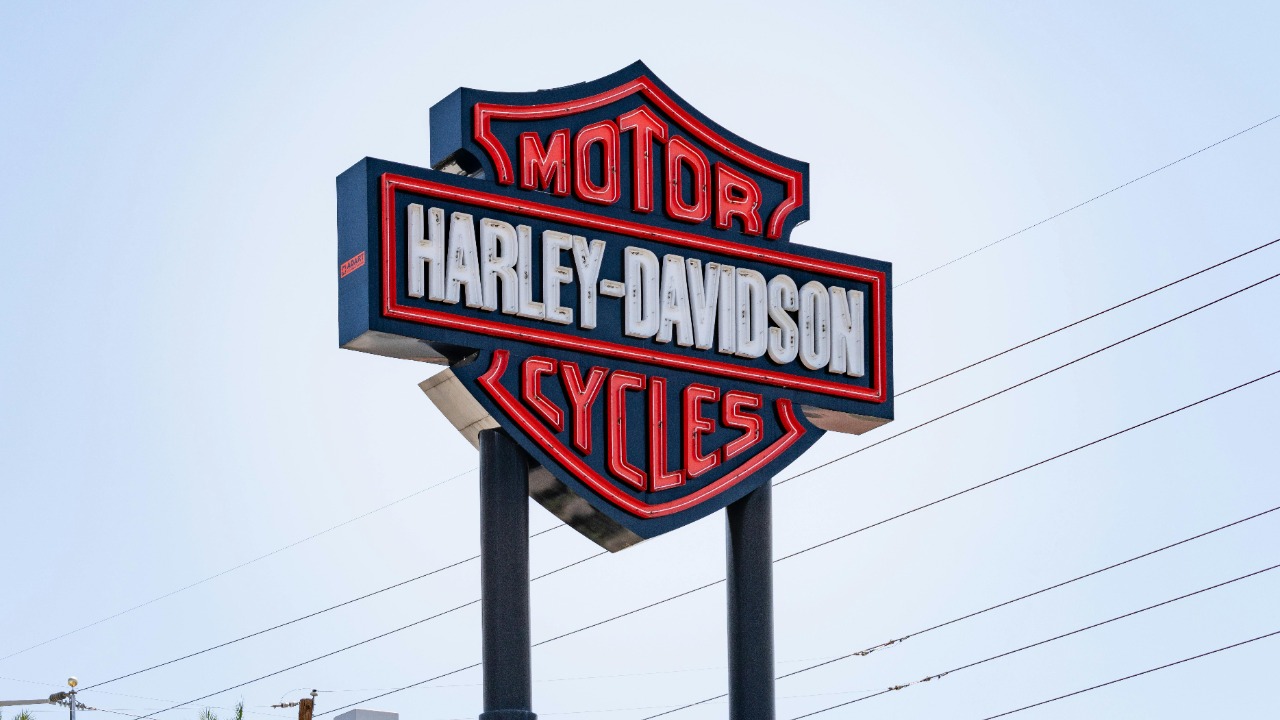
Even as Harley cuts costs, management is trying to signal that the company is not simply shrinking its way to stability. The company continues to emphasize the strength of its core brand, leaning on its distinctive bar-and-shield logo and heritage as a differentiator in a crowded motorcycle market. That branding is central not only to selling heavyweight cruisers and touring bikes, but also to apparel, accessories and licensing, which have historically generated higher-margin revenue. The risk is that aggressive restructuring could undermine the authenticity and community that make the brand valuable in the first place, particularly if dealer support or rider events are scaled back too sharply in the name of efficiency.
At the same time, Harley is still navigating how fast to push into new segments. Its electric motorcycle initiative, anchored by the separate LiveWire business and its consumer-facing site at livewire.com, remains a long-term bet rather than a near-term profit engine. Electric adoption in the heavyweight segment has been slower than some early projections, and Harley has already adjusted its approach by separating the LiveWire brand while maintaining strategic ties. For now, that means Starrs must balance investment in future-facing products with the imperative to stabilize the legacy HDMC business that is currently underperforming. Cutting too deeply into engineering or marketing budgets could leave Harley flat-footed just as younger riders and global markets begin to shift more decisively toward lower-emission options.
The Stakes for Dealers, Riders and Investors
For Harley’s independent dealer network, the reset is a source of both anxiety and cautious hope. Dealers have already endured lower shipments as the company worked down inventory and responded to soft demand. The 2025 figures show that shipments lagged retail sales, a dynamic that can help clean up dealer lots but also risks lost sales if popular models become scarce. Starrs has pointed investors to ongoing work on product cadence and retail activation, and upcoming briefings listed on the investor events calendar will give dealers and shareholders another window into how that strategy is evolving. If Harley can better align production with actual demand and refresh key models without overextending, dealers could ultimately benefit from healthier margins and more predictable product flows.
For riders and investors, the next 12 to 18 months will test whether Harley-Davidson can execute a delicate balancing act: reducing structural costs and modernizing its organization without hollowing out the community and culture that make the brand distinct. The company’s leadership turmoil, activist pressure, and now the looming layoffs all point to an enterprise under intense strain, but they also reflect a willingness to confront problems that had been building for years. If Starrs and his team can translate that urgency into coherent product, channel and workforce strategies, Harley may yet emerge leaner but still recognizably itself. If they cannot, the current reset could mark the beginning of a more profound erosion in one of American manufacturing’s most storied names, with consequences that will ripple from factory floors and engineering labs to dealerships and riding clubs around the world.
More From The Daily Overview
*This article was researched with the help of AI, with human editors creating the final content.

Grant Mercer covers market dynamics, business trends, and the economic forces driving growth across industries. His analysis connects macro movements with real-world implications for investors, entrepreneurs, and professionals. Through his work at The Daily Overview, Grant helps readers understand how markets function and where opportunities may emerge.