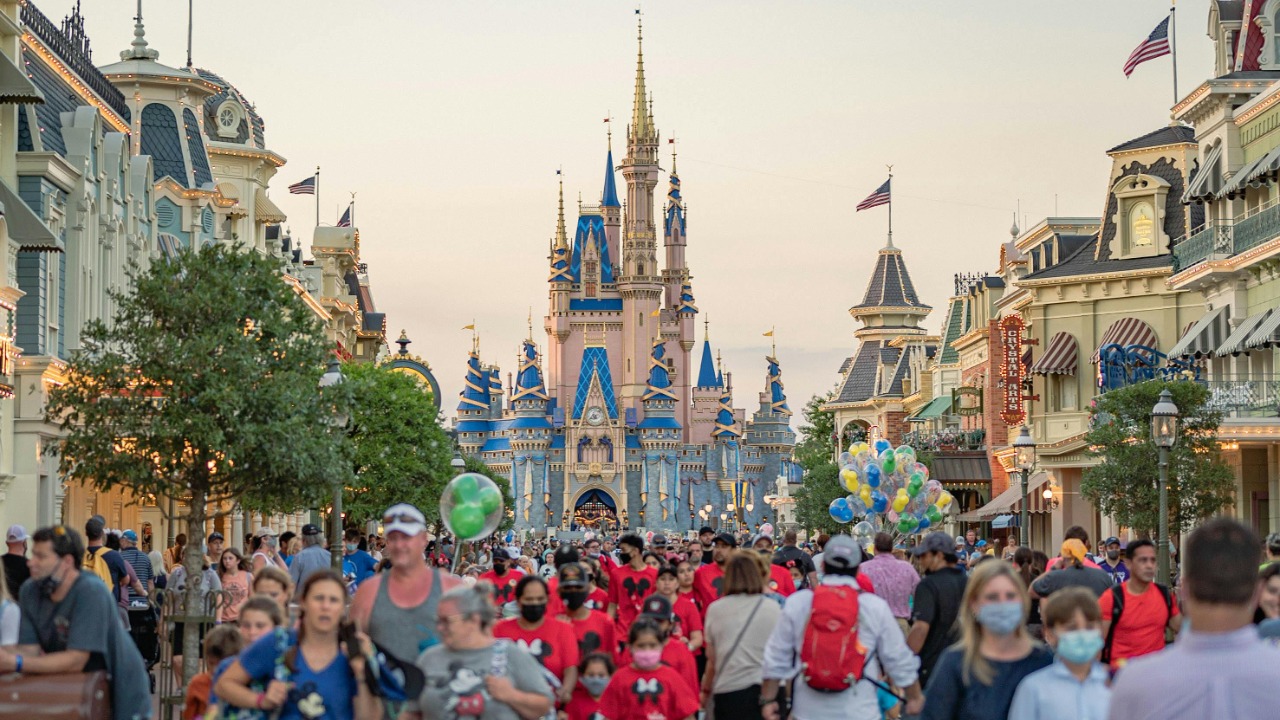
Solo trips to Walt Disney World can be surprisingly affordable if I plan with precision. By timing my visit carefully, choosing the right lodging, and tailoring my spending to one person instead of a group, I can stretch my budget without sacrificing magic. These 15 tips focus on concrete, research-backed strategies that help solo travelers cut costs while still enjoying a full Disney World experience.
1) Time your visit for lower prices and lighter crowds
Timing my Disney World trip is one of the most powerful ways to save money as a solo traveler. Expert guidance on the best and worst times to visit highlights that certain weeks see higher prices and heavier crowds, while off-peak periods often bring lower hotel rates and more manageable lines. When I avoid major holidays and school breaks, I am less likely to pay surge pricing on rooms and flights, and I can often skip costly add-ons because standby waits are shorter.
For a solo traveler, those quieter windows also reduce the pressure to buy extras like paid line-skipping or expensive dining packages. I can move more efficiently through the parks, adjust my plans on the fly, and maximize every ticketed day. The broader trend is clear: aligning my trip with historically calmer seasons helps keep overall costs down while improving the quality of my time in the parks.
2) Target the biggest discounts at on-site resorts
Choosing where to stay is a major budget decision, and I look closely at which Disney resorts historically receive the deepest discounts. Detailed breakdowns of which hotels get the biggest markdowns show that some properties are consistently discounted more than others during promotions. By focusing my search on those resorts, I increase my chances of stacking seasonal offers, room-only deals, or package savings. As a solo traveler, I do not need a large room, so I can prioritize the most heavily discounted categories instead of paying for extra space.
These patterns matter because Disney’s pricing is dynamic and often tied to demand at specific hotels. If I am flexible about theming and location, I can trade a “dream” resort for one that quietly receives larger percentage discounts. Over several nights, that difference can free up hundreds of dollars for food, souvenirs, or an extra park day, which has a direct impact on how much value I get from my solo trip.
3) Apply solo travel planning habits to Disney logistics
Solo travel research emphasizes that independent travelers benefit from flexible itineraries and careful risk management. Guidance on the best countries for solo travelers highlights how planning around safety, transportation, and cultural fit can make or break a trip. I use that same mindset at Disney World by mapping out transportation options, understanding park layouts, and building a realistic schedule that matches my pace. Because I am alone, I can pivot quickly if a ride goes down or a storm rolls in, which helps me avoid wasting money on unused reservations.
Those solo-focused habits also encourage me to keep key documents, payment methods, and backup plans organized. If a bus is delayed or a mobile order window slips, I am not splitting costs with anyone else, so every misstep hits my own wallet. Treating Disney like any other solo destination, where preparation and situational awareness matter, helps me protect both my budget and my sense of control throughout the trip.
4) Choose value-friendly lodging that fits one person
Value-focused lodging is especially effective when I travel alone, because I am not dividing the nightly rate among multiple people. Instead of paying for a large suite or premium view, I can prioritize the cheapest room category that still meets my comfort threshold. I look for standard rooms at value resorts, discounted moderate hotels, or off-site properties that include reliable transportation. Since I am not coordinating with a group, I can accept a smaller bed, a longer bus ride, or a simpler pool area if it significantly lowers the nightly cost.
The stakes are higher for solo travelers because every fixed cost, from resort fees to rideshares, is carried by one person. By trimming lodging expenses, I create room in my budget for experiences that matter more to me, such as an extra park ticket or a special meal. Over a four or five night stay, even a modest nightly savings can translate into a meaningful upgrade elsewhere in my itinerary.
5) Use off-peak flight strategies tailored to solo travelers
Flying solo to Disney World gives me flexibility that families often lack, and I use that to chase lower fares. I can depart midweek, accept early morning or late-night flights, and connect through less popular hubs if the price difference is significant. Because I am not juggling school schedules or multiple travelers’ preferences, I can focus purely on cost and reliability. I also monitor fare trends and set alerts so I can book when prices dip, rather than locking in dates far in advance without comparison.
These strategies matter because airfare can rival or exceed my park ticket costs, especially if I am traveling from farther away. When I keep my flight budget under control, I avoid the trap of cutting back on in-park experiences to compensate. For solo travelers, the ability to be flexible with dates and times is a structural advantage that can directly reduce the total cost of a Disney World vacation.
6) Build a park ticket plan that matches your pace
Park tickets are one of the largest line items in any Disney budget, so I tailor my ticket type to how I actually tour as a solo traveler. Instead of defaulting to park hopper options, I evaluate whether I will realistically visit multiple parks in a single day. If I prefer to focus deeply on one park at a time, a base ticket can be more cost effective. I also consider whether shorter trips with fewer park days, paired with rest or resort days, might deliver better value than a longer stretch of partially used tickets.
Aligning my ticket choices with my personal touring style prevents me from paying for flexibility I will not use. As a solo guest, I can move quickly and cover a lot of ground, but I also have the freedom to slow down without worrying about anyone else’s must-do list. That balance helps me avoid overspending on ticket upgrades while still feeling that I have enough time to experience the attractions that matter most to me.
7) Leverage single-rider lines and efficient touring
Single-rider lines are a built-in advantage for solo travelers, and using them strategically can save both time and money. When I can experience headliner attractions with shorter waits, I am less likely to feel pressure to buy paid line-skipping options. I pair single-rider access with early starts, late evenings, and smart route planning so I can accomplish more in each park day. That efficiency means I may need fewer total park days, which directly reduces ticket and lodging costs.
The broader implication is that Disney’s operational design can favor solo guests who are willing to be flexible about seating arrangements. I might not ride next to my own party, but I gain back hours that families often spend in standby queues. Those reclaimed hours can be redirected to free entertainment, resort exploration, or simply resting, all of which improve the value I get from each day without adding to my expenses.
8) Optimize food spending with mobile ordering and sharing
Food costs add up quickly at Disney World, so I approach meals with a solo-friendly strategy. Mobile ordering lets me see prices clearly, compare portion sizes, and avoid impulse purchases made while standing in line. I often choose quick-service locations where portions are large enough to stretch into two smaller meals, or I focus on snacks that are filling but reasonably priced. Because I am alone, I can eat at off-peak times, which makes it easier to find seating and avoid the stress that can lead to rushed, expensive choices.
Managing food this way matters because dining is one of the most flexible parts of my budget. I can decide day by day whether to splurge on a table-service meal or stick to lower-cost options. By tracking my spending in real time and adjusting as needed, I keep my overall food budget in check without feeling deprived, and I maintain control over one of the biggest variable costs of the trip.
9) Use solo-friendly packing to avoid unnecessary purchases
Packing thoughtfully helps me avoid buying overpriced essentials in the parks. As a solo traveler, I am the only one responsible for remembering items like sunscreen, ponchos, portable chargers, and refillable water bottles. I keep my packing list lean but strategic, focusing on items that would be expensive or inconvenient to replace on-site. A compact day bag with weather gear, basic first aid, and tech accessories can prevent last-minute purchases that chip away at my budget.
The stakes are higher when I am alone because there is no one else to lend a spare charger or extra hat. If I forget something, I either go without or pay premium resort or park prices. By treating my packing list as part of my financial planning, I reduce the risk of unplanned spending and keep my daily costs more predictable, which is especially important when I am managing a solo budget.
10) Prioritize free and low-cost entertainment outside the parks
Disney World offers a surprising amount of free or low-cost entertainment beyond the ticketed parks, and I lean on these options to stretch my budget. Resort hopping, exploring themed lobbies, and watching nighttime shows from public viewing areas can fill an evening without additional admission. I can visit shopping and dining districts, browse live entertainment, or enjoy resort recreation that is open to day guests. As a solo traveler, I can wander at my own pace and focus on details that interest me, without paying for another park day.
These alternatives matter because they give me breathing room in my schedule and my budget. Instead of feeling compelled to buy the most expensive experiences every day, I can mix in no-cost activities that still feel distinctly “Disney.” Over the course of a trip, that balance helps prevent burnout and keeps my spending aligned with what I actually value, rather than what I feel pressured to purchase.
11) Take advantage of flexible transportation choices
Transportation is another area where solo travelers can save by staying flexible. I weigh the cost of rental cars, rideshares, and complimentary resort transportation against my actual plans. If I stay at a hotel with reliable buses, boats, or other transit, I may not need a car at all, which eliminates parking fees and fuel costs. When I do use rideshare services, I can choose off-peak times or shared options if they are available and safe, since I am not coordinating with a group’s schedule.
These decisions have broader budget implications because transportation costs can quietly accumulate over several days. By minimizing paid rides and planning my park days to reduce backtracking, I keep those expenses under control. For solo travelers, the ability to adapt quickly to transit delays or route changes is a practical advantage that can prevent small logistical issues from turning into costly problems.
12) Set a strict souvenir budget and shop with intention
Souvenirs are an easy place for spending to spiral, especially when I am caught up in the atmosphere. I protect my budget by setting a firm souvenir limit before I arrive and tracking purchases as I go. Instead of buying multiple small items on impulse, I identify one or two meaningful pieces I truly want, such as a specific pin, artwork, or wearable item. I also compare prices between park shops and resort or outlet locations when possible, since similar merchandise can vary in cost.
For a solo traveler, souvenirs are purely personal, so it is easier to separate genuine keepsakes from momentary temptations. By treating merchandise as a planned expense rather than an afterthought, I avoid the regret that comes from overspending on items that lose their appeal once I am home. This discipline keeps my overall trip cost aligned with my original budget and ensures that what I bring back actually reflects my experience.
13) Use technology to monitor spending in real time
Digital tools make it easier for me to track every dollar I spend at Disney World. I use banking apps, budgeting software, or simple notes on my phone to log purchases throughout the day. Because I am traveling alone, I do not have to reconcile multiple people’s spending, which simplifies the process. I can categorize expenses into lodging, food, transportation, and extras, then adjust my behavior if one category starts to exceed its target.
This real-time awareness is crucial because small, repeated charges can quickly erode my budget. When I see the numbers clearly, I am more likely to skip an unnecessary snack or delay a nonessential purchase. Over the course of a multi-day trip, that awareness can be the difference between staying within my planned spending and returning home with unexpected credit card balances tied to a vacation that was supposed to be fun, not financially stressful.
14) Plan rest time to avoid burnout and costly impulse buys
Building rest into my schedule is a budget strategy as much as a wellness choice. When I push myself too hard, I am more likely to make expensive decisions for the sake of convenience, such as last-minute table-service meals or impulse rideshares back to the hotel. As a solo traveler, I can listen closely to my own energy levels and step away from the parks when I need a break. Midday rests at the resort or quiet time in shaded areas help me reset without spending extra money.
The broader trend in travel planning recognizes that burnout leads to poor financial decisions, and Disney World is no exception. By pacing myself, I maintain the mental clarity needed to stick to my budget and evaluate purchases thoughtfully. That approach ensures that my spending reflects deliberate choices rather than fatigue-driven reactions, which ultimately makes my solo trip more sustainable and enjoyable.
15) Treat your solo Disney trip like a long-term investment in travel skills
Approaching a solo Disney World vacation as a training ground for broader travel skills helps me justify careful budgeting. The same habits I practice here, such as researching off-peak timing, analyzing lodging discounts, and planning safe, efficient solo itineraries, apply to future trips around the world. By refining these skills in a familiar, well-structured destination, I build confidence that carries over to more complex journeys. Each decision I make to protect my budget at Disney strengthens my overall travel literacy.
In the long run, that mindset turns one vacation into a foundation for many. I learn how to balance spontaneity with financial discipline, how to read crowd and price patterns, and how to advocate for my own needs as a solo traveler. Those lessons reduce the risk of costly mistakes on future trips and help ensure that travel remains a sustainable part of my life rather than a source of ongoing financial strain.
More From TheDailyOverview
- Dave Ramsey says these two simple questions show whether you’re rich or poor
- Retired But Want To Work? Try These 18 Jobs for Seniors That Pay Weekly
- IRS raises capital gains thresholds for 2026 and what’s new
- 12 ways to make $5,000 fast that actually work

Cole Whitaker focuses on the fundamentals of money management, helping readers make smarter decisions around income, spending, saving, and long-term financial stability. His writing emphasizes clarity, discipline, and practical systems that work in real life. At The Daily Overview, Cole breaks down personal finance topics into straightforward guidance readers can apply immediately.