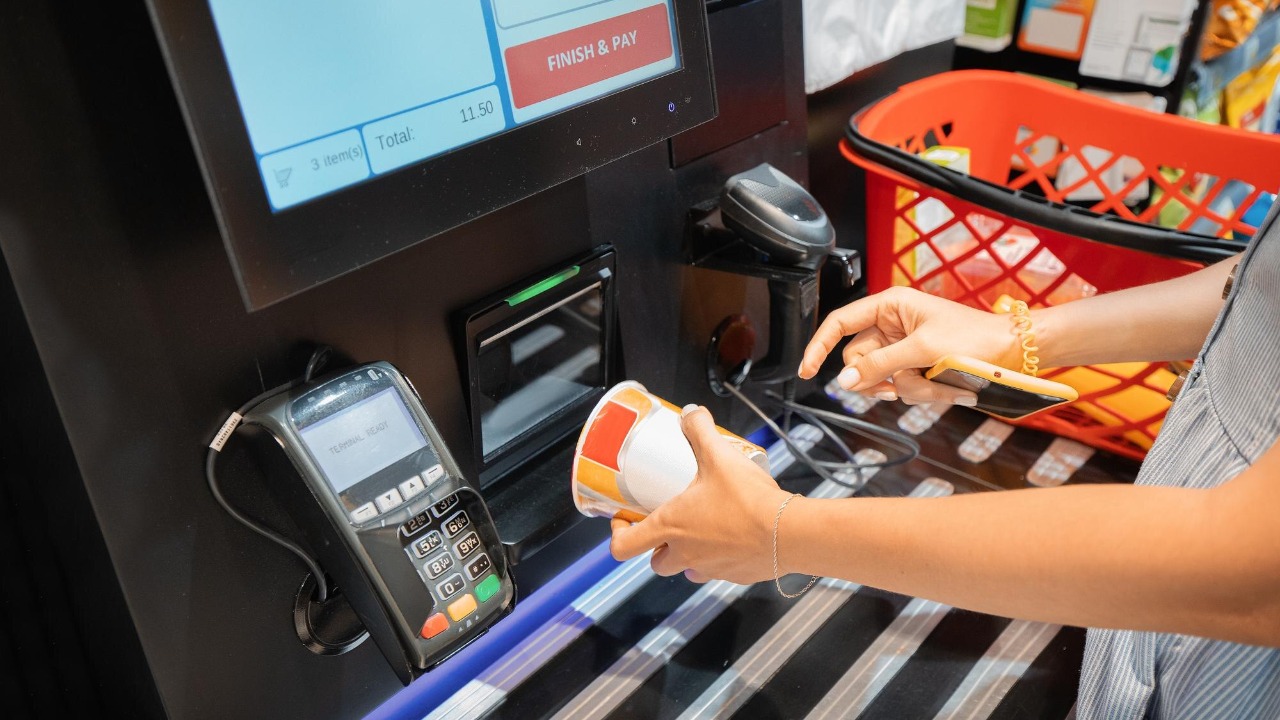
Self-checkout was sold as a frictionless shortcut, yet a growing body of data shows it is riddled with traps that most shoppers never see coming. From quiet “oops” moments that count as theft to design flaws that make honest people look suspicious, the system is quietly reshaping how Americans shop. I want to walk through 15 specific pitfalls, each grounded in recent reporting, that reveal how easily a quick scan-and-go trip can spiral into something far more complicated.
1) Overlooking How 15% of shoppers admit to stealing at self-checkout
Overlooking how 15% of shoppers admit to stealing at self-checkout is the first major pitfall. That figure captures not just hardened shoplifters but also people who shrug off missed scans, miskeyed produce codes, or “forgotten” items in the cart. When one in seven shoppers acknowledges crossing the line, it suggests that everyday slipups and rationalizations are far more common than many customers assume.
I see the danger in how easily people separate themselves from that 15 percent, insisting they are different while repeating the same behaviors. Small “accidents” add up to real losses, which in turn justify more cameras, audits, and price hikes. The pitfall is failing to recognize that casual corner-cutting at the kiosk is part of a measurable, documented pattern.
2) Ignoring That 69% of Self-Checkout Users Think It Makes Stealing Easier
Ignoring that 69% of self-checkout users think it makes stealing easier means missing how design itself invites trouble. When nearly seven in ten users say the format lowers the barrier to theft, they are pointing to structural weaknesses: limited staff oversight, confusing prompts, and the anonymity of scanning your own items. That perception alone is a warning sign that the system normalizes risky behavior.
From a shopper’s perspective, this pitfall shows up in subtle temptations, like realizing no one is watching the scale or noticing how easy it would be to skip a barcode. Even if most people resist, the sense that theft is simple can erode norms over time. Retailers then respond with more aggressive security, which affects every honest customer who just wants to get out of the store quickly.
3) Missing the Reality of 15% of Shoppers Admit to Purposely Doing So
Missing the reality that, in the same survey, 15% of shoppers admit to purposely doing so takes the problem a step further. This is not about confusion or clumsy scanning, it is about people openly acknowledging intentional theft at the kiosk. When a full 15 percent say they have deliberately taken items without paying, it undercuts the comforting assumption that most errors are innocent.
I find that this pitfall blindsides shoppers who assume everyone around them is playing by the same rules. In practice, it means you may be standing in line behind someone who is actively gaming the system, contributing to the losses that drive up prices and tighten security. The broader implication is that self-checkout has created a gray zone where deliberate theft can feel oddly normalized.
4) Downplaying Self-checkout theft causing problems for retailers
Downplaying that self-checkout theft causing problems for retailers is another blind spot. Reporting has documented how shrink tied to these kiosks is no longer a rounding error, it is a structural headache that forces companies to rethink staffing, store layouts, and even which locations stay open. The issue is not just the occasional stolen item, it is the cumulative impact of thousands of small losses.
For shoppers, the pitfall is assuming those problems stay behind the scenes. In reality, they show up as higher prices, locked cases, and fewer open lanes. When retailers see self-checkout as a driver of losses, they respond with policies that slow everyone down, from extra prompts on the screen to more frequent staff interventions that interrupt the “quick” experience customers were promised.
5) Resenting shoppers who despise receipt checks
Resenting shoppers who despise receipt checks can obscure why those checks exist in the first place. The same reporting that highlights theft problems also notes how many customers bristle at being stopped at the exit, especially after doing all the scanning work themselves. That resentment is understandable, but it often ignores the link between rising shrink and more aggressive verification.
I see a feedback loop here. As more people complain about being treated like suspects, staff feel pressure from both sides, trying to enforce policies without alienating regulars. The pitfall is assuming receipt checks are just corporate paranoia, rather than a direct response to documented self-checkout abuse. That misunderstanding fuels confrontations at the door and deepens the sense that the system is broken for everyone.
6) Neglecting Self-checkout systems: What to know before implementing
Neglecting the lessons in self-checkout systems: what to know before implementing leaves both retailers and shoppers exposed to avoidable headaches. That guidance emphasizes how critical it is to calibrate scanners, scales, and software so they recognize items accurately and flag genuine anomalies instead of constant false alarms. When those implementation details are skipped, customers end up wrestling with misreads and repeated “unexpected item” errors.
From the shopper side, the pitfall is walking into a store that treated self-checkout as plug-and-play. Poorly tuned systems slow lines, trigger unnecessary staff interventions, and increase the odds that an honest mistake looks like theft. I find that many customers blame themselves for these glitches, when the underlying problem is often a rushed rollout that ignored basic technical best practices.
7) Failing to Use Target rolls out express self-checkout lanes to speed up service
Failing to use the fact that Target rolls out express self-checkout lanes to speed up service can cost shoppers real time. The company has carved out dedicated lanes for smaller baskets, aiming to keep quick trips from getting bogged down behind full carts. That shift acknowledges that self-checkout works best under specific conditions, not as a one-size-fits-all solution.
When customers ignore those express options and queue in standard lanes out of habit, they miss one of the few design tweaks that actually improves the experience. I see this as a subtle pitfall: assuming all kiosks are the same, even as retailers experiment with formats to reduce friction. Using the right lane for the right trip can mean fewer errors, less waiting, and fewer frustrated interactions with staff.
8) Dismissing Complaints Like ‘It Sucks, And I Hate It’
Dismissing complaints like ‘It Sucks, And I Hate It’ ignores a growing chorus of users who say self-checkout simply does not work as advertised. That blunt quote captures the exasperation of shoppers who encounter repeated freezes, mis-scans, and weight discrepancies that force them to flag down an employee anyway. When people reach the point of saying “It sucks, and I hate it,” they are not just nitpicking, they are describing systemic failure.
I view these complaints as an early warning system. When enough customers voice that level of frustration, it signals that the technology is not matching real-world conditions. The pitfall is brushing off those voices as technophobia, instead of recognizing them as evidence that the supposed convenience is, for many, a source of stress and embarrassment.
9) Underestimating It Seems America Has A Big Self-Checkout Problem
Underestimating that It Seems America Has A Big Self-Checkout Problem means treating each glitch or theft story as an isolated annoyance. The reporting that pairs that phrase with “It Sucks, And I Hate It” argues that these are not one-off anecdotes but symptoms of a national pattern. Technical flaws, theft, and customer resentment are converging into what looks like a structural crisis in how Americans pay for goods.
For individual shoppers, the pitfall is assuming the system will eventually smooth out on its own. Instead, the evidence points to a model that may be fundamentally misaligned with human behavior. That disconnect affects everything from staffing levels to store design, and it helps explain why some chains are now rethinking how heavily they rely on self-checkout at all.
10) Overlooking When Kroger told to ‘revisit policy’
Overlooking moments when Kroger told to ‘revisit policy’ hides how specific chains are being pushed to fix self-checkout pain points. In that case, customers flagged a policy tied to the kiosks that they felt was unfair or confusing, prompting calls for the company to change course. When shoppers are publicly urging a major grocer to “revisit” its rules, it signals that something in the process is not working on the ground.
I see a pitfall for customers who assume store policies are set in stone and not worth understanding. Missing those details can lead to surprise charges, blocked transactions, or awkward confrontations with staff. It also obscures the fact that vocal feedback can, and sometimes does, force retailers to adjust how their self-checkout systems operate.
11) Missing over checkout flaw that ‘could be easy to miss’
Missing a checkout flaw that ‘could be easy to miss’ is another quiet hazard. The same reporting that urged Kroger to revisit policy described a specific self-checkout issue subtle enough that many shoppers would not notice it in the rush of a grocery run. That kind of flaw, buried in the interface or the fine print, can lead to overcharges or misapplied discounts without any obvious red flag.
For shoppers, the pitfall is trusting the screen implicitly. When a flaw is “easy to miss,” it means you may walk out having paid more than you intended, or having triggered a security review without realizing it. I find that carefully watching totals, line items, and prompts is now a basic self-defense skill at the kiosk, even for people who consider themselves tech savvy.
12) Not Noticing Some big retailers reverse course
Not noticing that some big retailers reverse course keeps shoppers stuck in the assumption that self-checkout is the inevitable future. Recent reporting has highlighted major chains that once championed kiosks but are now pulling them out of certain stores or limiting their use. That reversal is a direct response to the theft, frustration, and technical issues documented elsewhere.
I think this shift matters because it shows that the model is not as cost-saving or customer-friendly as it first appeared. The pitfall is failing to see these reversals as a signal that the experiment is being recalibrated. For shoppers, that can mean sudden changes in store layouts, fewer available kiosks, and a renewed emphasis on staffed lanes that some had assumed were on the way out.
13) Ignoring Shifts Like and scale back their use of self-checkout
Ignoring shifts where retailers and scale back their use of self-checkout misses the practical consequences of those reversals. Scaling back can mean limiting kiosks to certain hours, capping the number of items allowed, or removing machines from high-theft locations altogether. Each of those moves is a tacit admission that the original rollout overestimated the benefits and underestimated the downsides.
For customers who built routines around scanning their own groceries, the pitfall is assuming those options will always be available. As companies scale back, lines may shift back to staffed registers, and the skills shoppers developed to navigate kiosks may suddenly matter less than knowing when to seek out a human cashier. It is a reminder that convenience features can be temporary, especially when they collide with hard financial realities.
14) Disregarding Is Self-Checkout Leading to Increased Retail Theft
Disregarding the question Is Self-Checkout Leading to Increased Retail Theft sidesteps one of the most contentious debates in modern retail. Industry discussions have zeroed in on whether kiosks are directly driving higher shrink, or simply making existing theft patterns more visible. Either way, the fact that this question is being asked so bluntly shows how central self-checkout has become to loss-prevention strategy.
I see a clear pitfall for shoppers who assume theft is a distant, abstract issue. When retailers link rising losses to self-checkout, they respond with more surveillance, stricter policies, and sometimes legal action against customers who insist they made an honest mistake. The stakes are no longer just a frustrating beep at the scanner, but the possibility of being swept into a system that treats ambiguity as intent.
15) Failing to Question and Why Do Some Americans Feel Justified in Stealing?
Failing to question and Why Do Some Americans Feel Justified in Stealing? overlooks the cultural attitudes that make these kiosks uniquely vulnerable. Industry commentators have asked why some shoppers feel morally comfortable taking items when a machine, rather than a person, is in front of them. Rationalizations range from frustration with corporate profits to a sense that minor theft is a fair trade for doing unpaid checkout labor.
I think this is the most uncomfortable pitfall, because it forces people to examine their own justifications. When enough Americans feel “justified” in skimming from self-checkout, the behavior stops looking like a fringe problem and starts to resemble a norm. That shift in mindset is what ultimately drives retailers to clamp down, scale back kiosks, or rethink the entire model of letting customers ring up their own goods.
More From TheDailyOverview
- Dave Ramsey says these two simple questions show whether you’re rich or poor
- Retired But Want To Work? Try These 18 Jobs for Seniors That Pay Weekly
- IRS raises capital gains thresholds for 2026 and what’s new
- 12 ways to make $5,000 fast that actually work

Cole Whitaker focuses on the fundamentals of money management, helping readers make smarter decisions around income, spending, saving, and long-term financial stability. His writing emphasizes clarity, discipline, and practical systems that work in real life. At The Daily Overview, Cole breaks down personal finance topics into straightforward guidance readers can apply immediately.