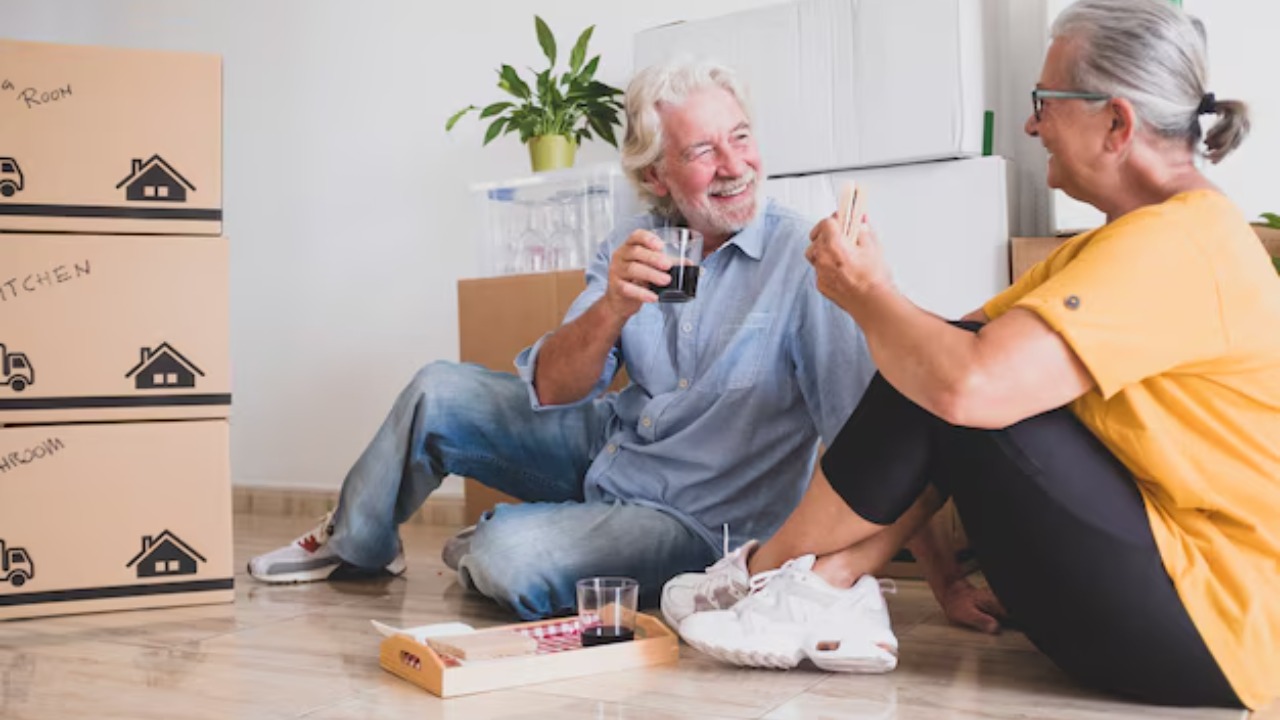
Retirement is a time for transformation and simplification, often leading to downsizing homes. However, many retirees realize too late that some items they held onto aren’t worth the space they occupy. Through years of experiences and stories, these are some of the top items retirees have regretted keeping.
1. Sentimental Furniture
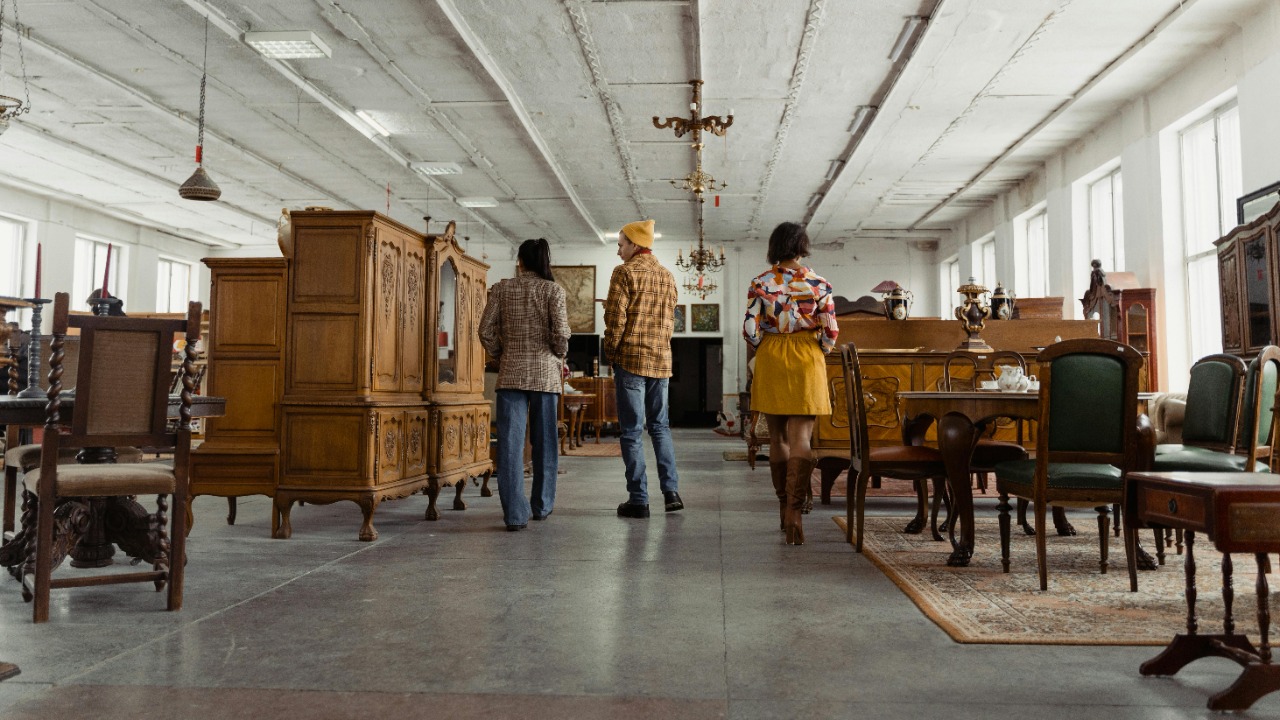
Sentimental furniture often holds memories, but as space becomes premium, these pieces can become burdensome. Whether it’s a large dining table or an old armchair, these items may not fit in a smaller living space. Despite their emotional significance, they might be better appreciated by passing them on to family members or friends. This way, they can continue to be cherished without becoming a spatial headache.
2. Outdated Electronics
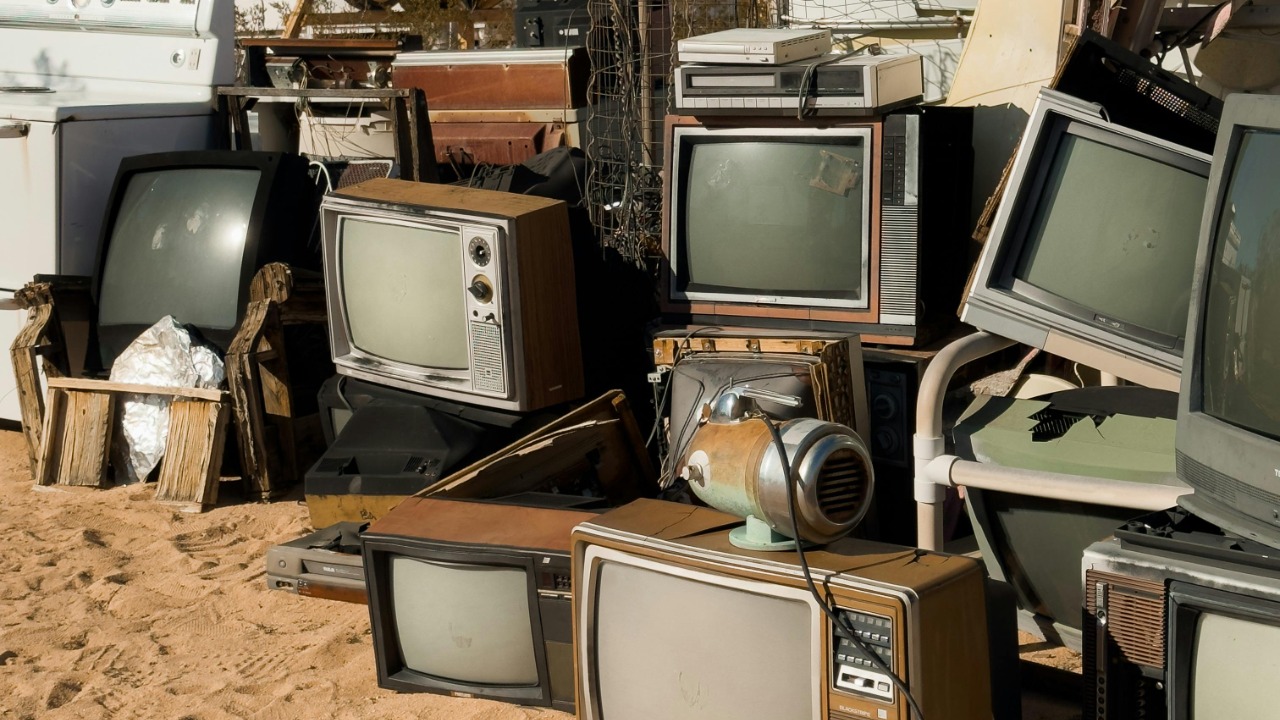
Old electronics, such as bulky TVs or outdated sound systems, often linger in homes long past their prime. Their size and inefficiency make them impractical for smaller spaces. As technology advances, consider donating or recycling these items. This not only frees up space but also ensures that you’re keeping up with more efficient and compact devices.
3. Unread Books
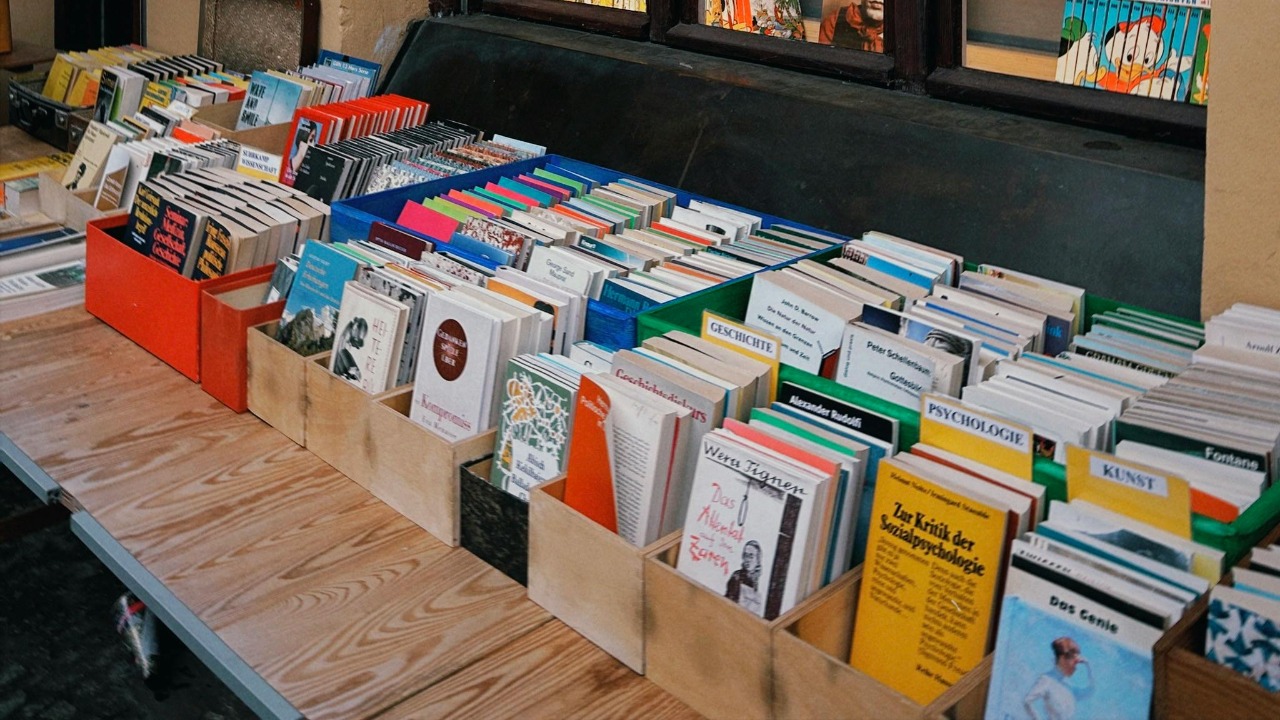
Books can accumulate quickly, taking up valuable space. If you haven’t read a book in years, it might be time to let it go. Libraries and digital platforms offer extensive collections, reducing the need to keep physical copies. This shift can help in managing space better while still enjoying your favorite reads.
4. Old Clothing
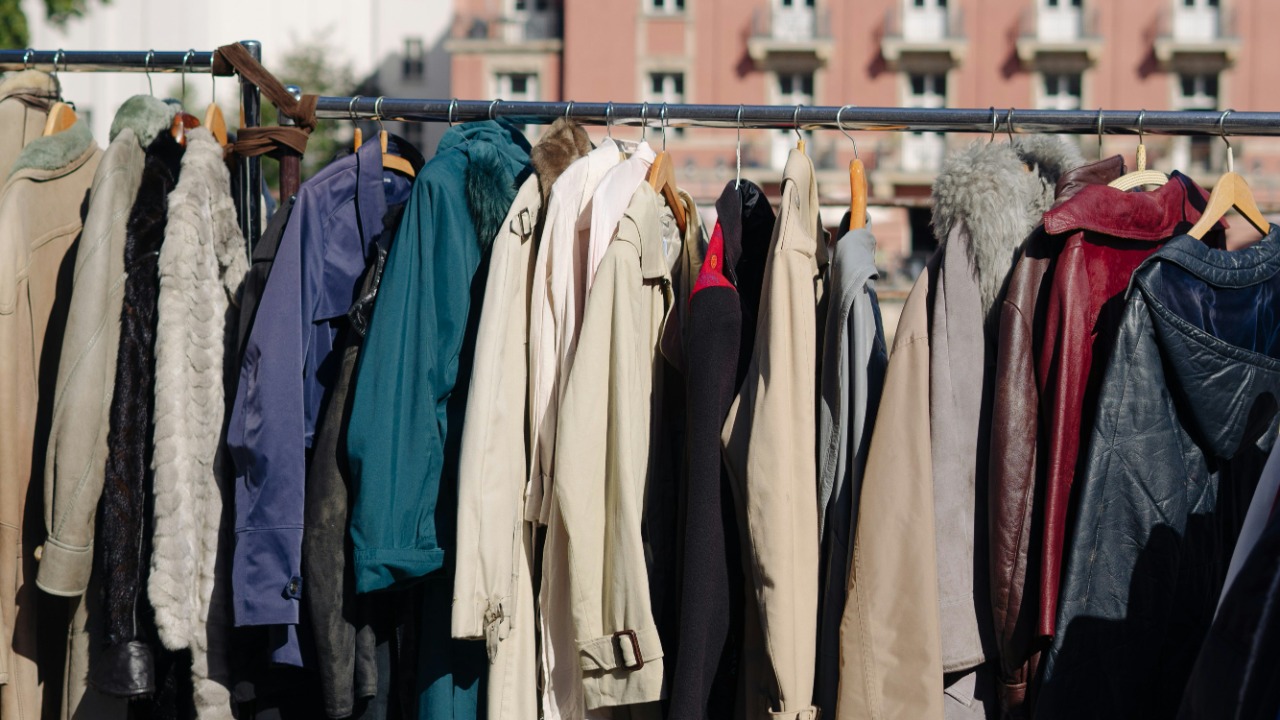
Clothing that hasn’t been worn in years often ends up occupying too much closet space. It’s crucial to assess which items are truly necessary for your current lifestyle. By donating or selling excess clothing, you make room for more versatile wardrobe choices that fit your retirement life better.
5. Kitchen Gadgets
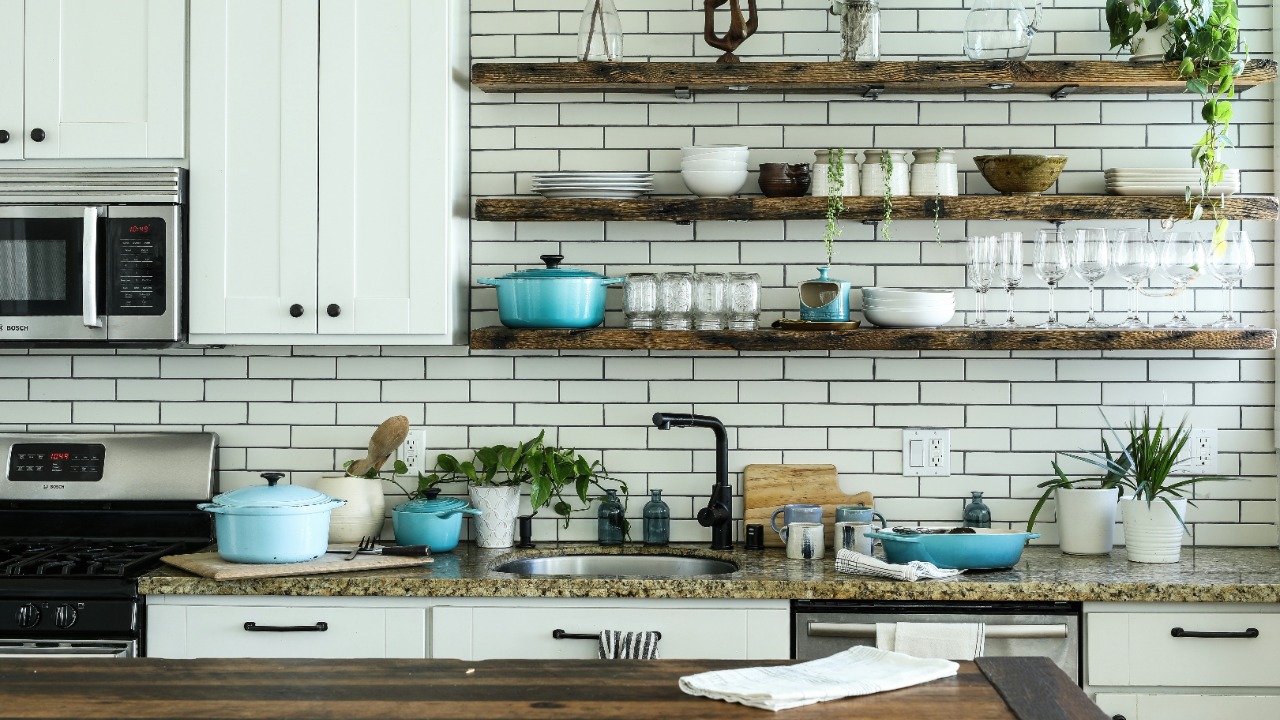
Kitchen gadgets accumulate over time, often resulting in cluttered drawers and cabinets. During downsizing, it’s the perfect opportunity to evaluate which gadgets you truly use. Letting go of seldom-used items can streamline your culinary space, making it easier to enjoy cooking in a more organized kitchen.
6. Unused Sporting Equipment
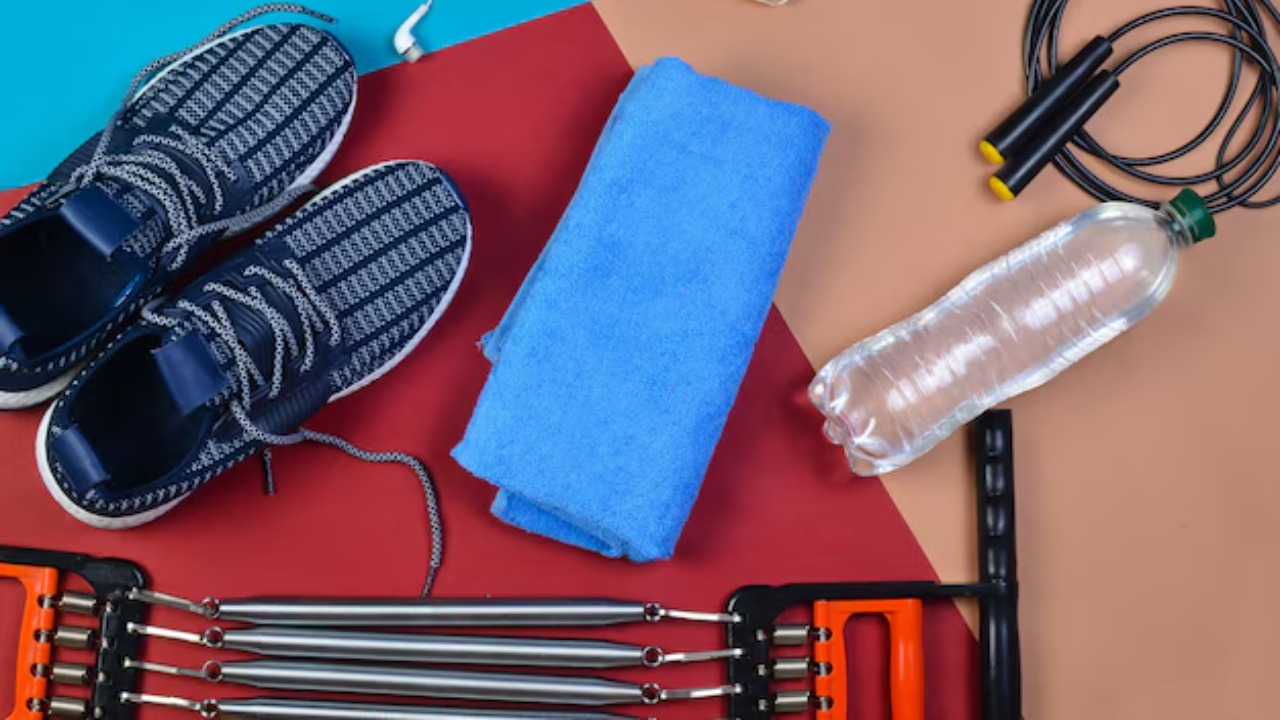
Sporting equipment can take up considerable space, especially if it’s no longer in use. If certain activities no longer fit your lifestyle, consider selling or donating the equipment. This not only frees up space but also allows someone else to benefit from these items, perhaps encouraging them to take up a new hobby.
7. Inherited Heirlooms
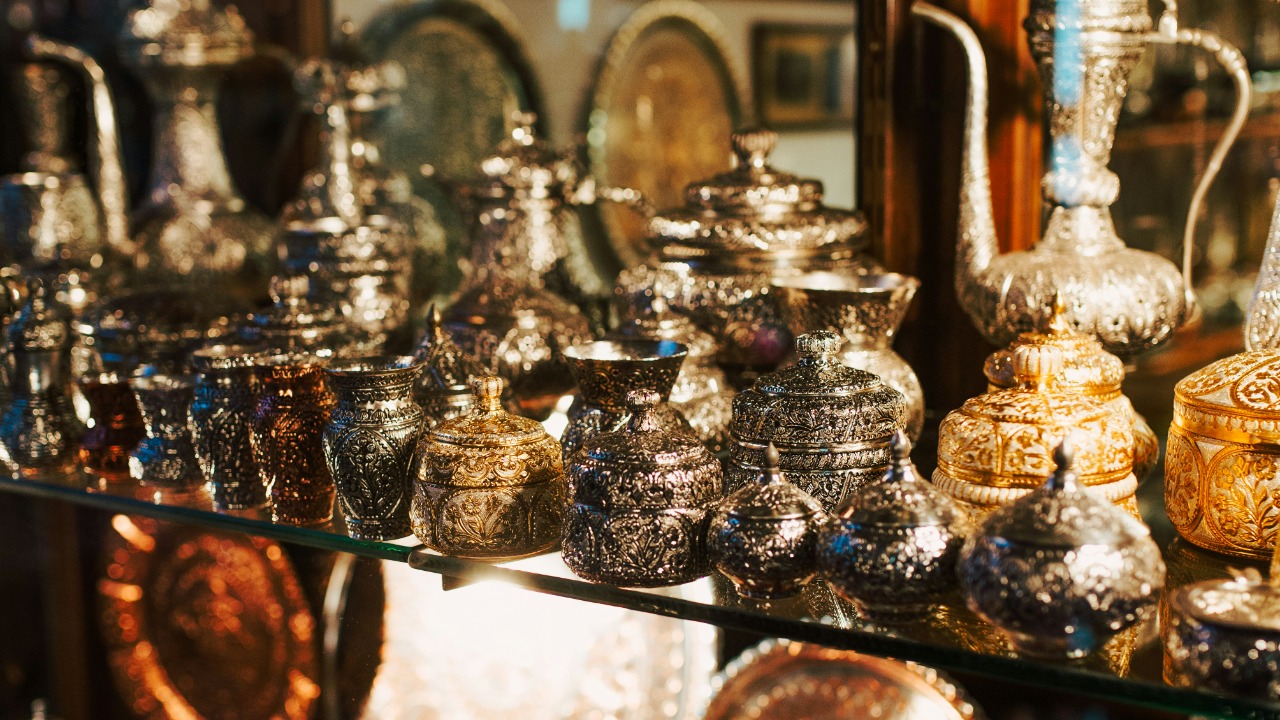
Inherited heirlooms often carry sentimental value, but they may not always match your current lifestyle or space. It’s important to assess which items hold the most significance and consider passing on others to family members who might appreciate them more, thus preserving the legacy without the clutter.
8. Duplicates of Kitchenware
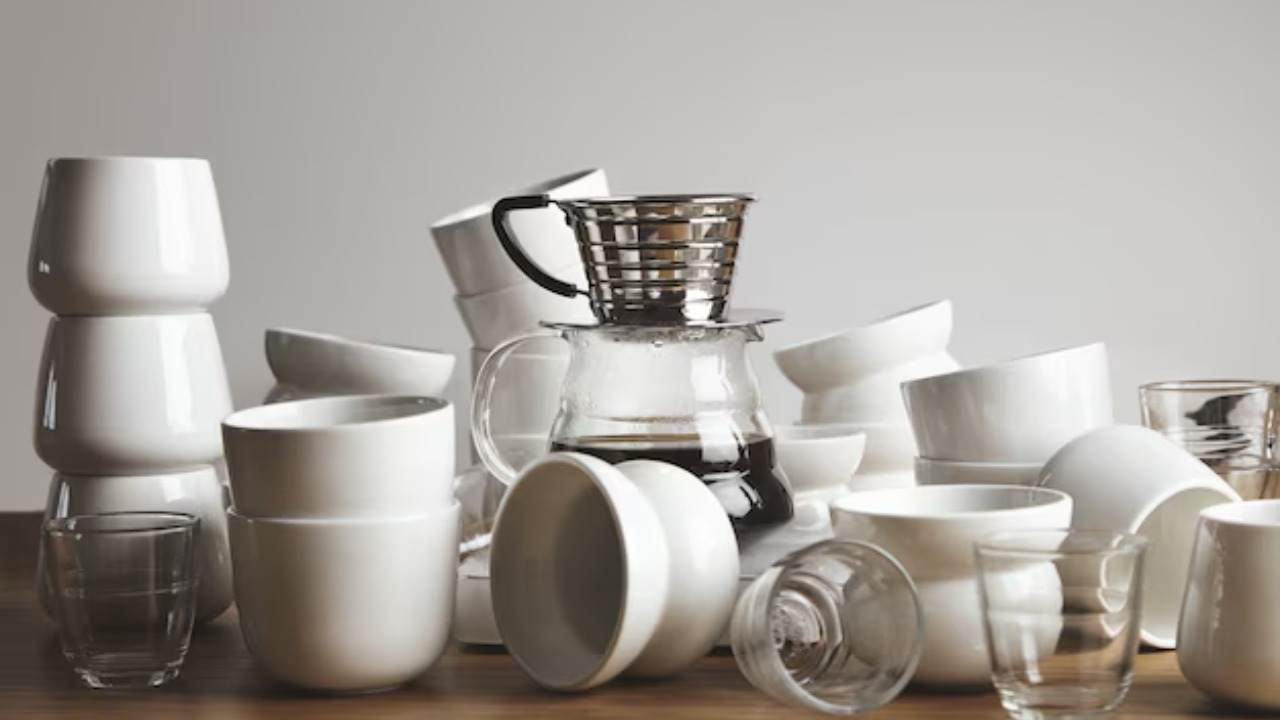
Having multiple sets of plates, utensils, or cookware can quickly lead to clutter. It’s beneficial to pare down to just the essentials, particularly when space is limited. This not only simplifies kitchen organization but also makes everyday tasks more manageable.
9. Unnecessary Paperwork
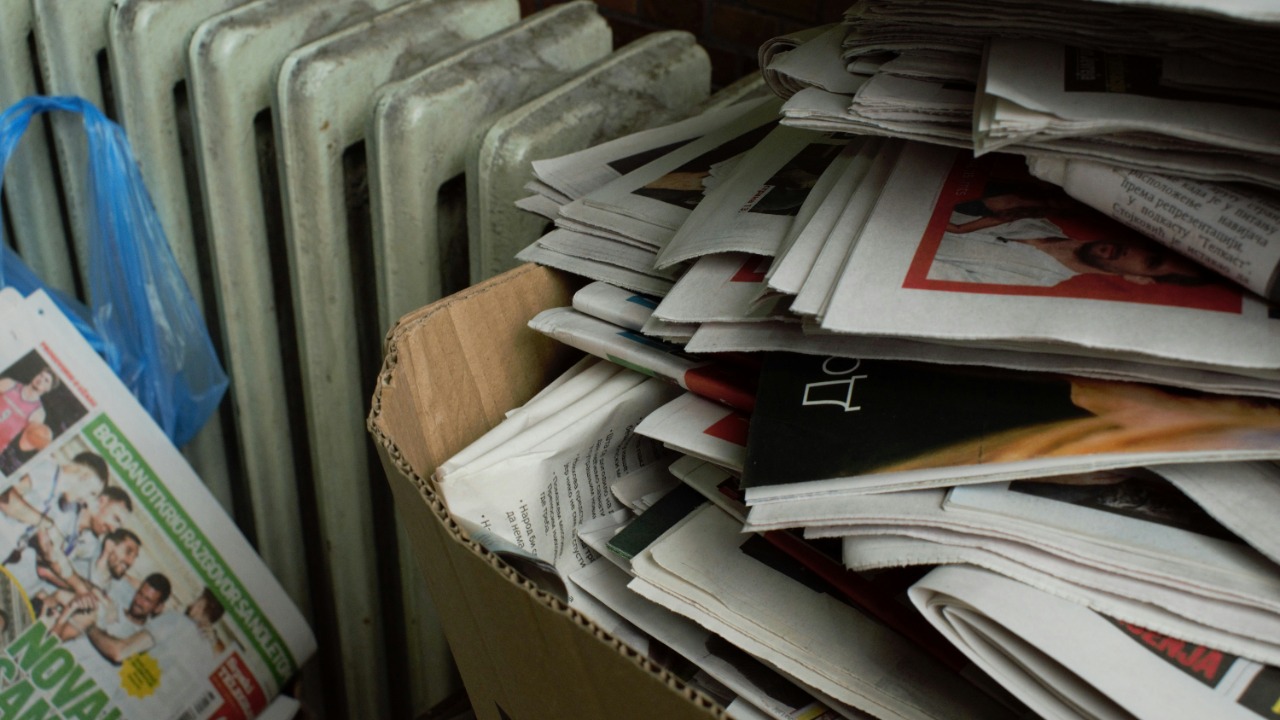
Years of accumulated paperwork can become overwhelming and take up significant storage space. Digital storage solutions are a modern alternative that helps in decluttering physical documents while ensuring that important information remains accessible when needed.
10. Expired Medications

Expired medications are not only a waste of space but can also be potentially hazardous. Regularly reviewing and discarding expired items ensures that your medication cabinet remains current and safe, reducing the risk of accidental consumption.
11. Bulk Craft Supplies
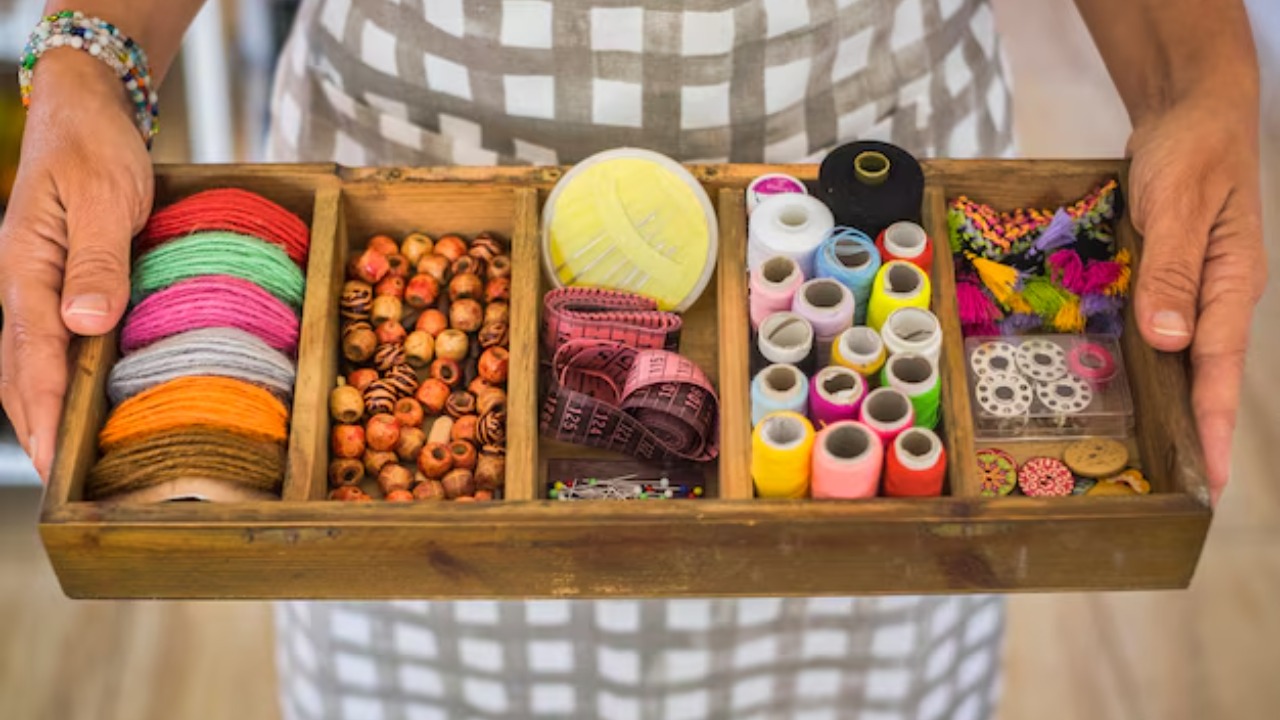
Craft supplies can accumulate rapidly, often leading to storage issues. If crafting is less frequent than it once was, consider donating or selling excess supplies. This clears up space while still allowing others to foster their creative pursuits.
12. Excessive Holiday Decorations
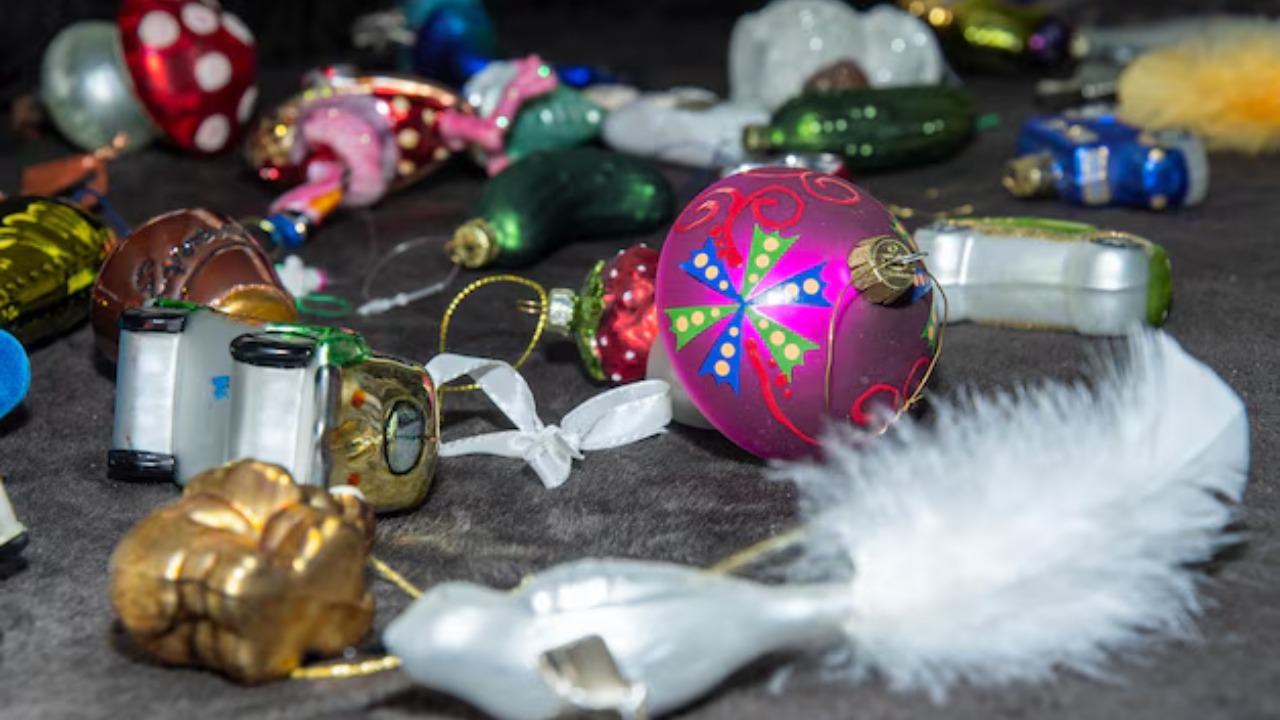
Holiday decorations can be fun but storing too many can overwhelm your space. By keeping only your most cherished items, you can still celebrate the season without dedicating excessive storage to decorations that are only used once a year.
13. Unwanted Gifts
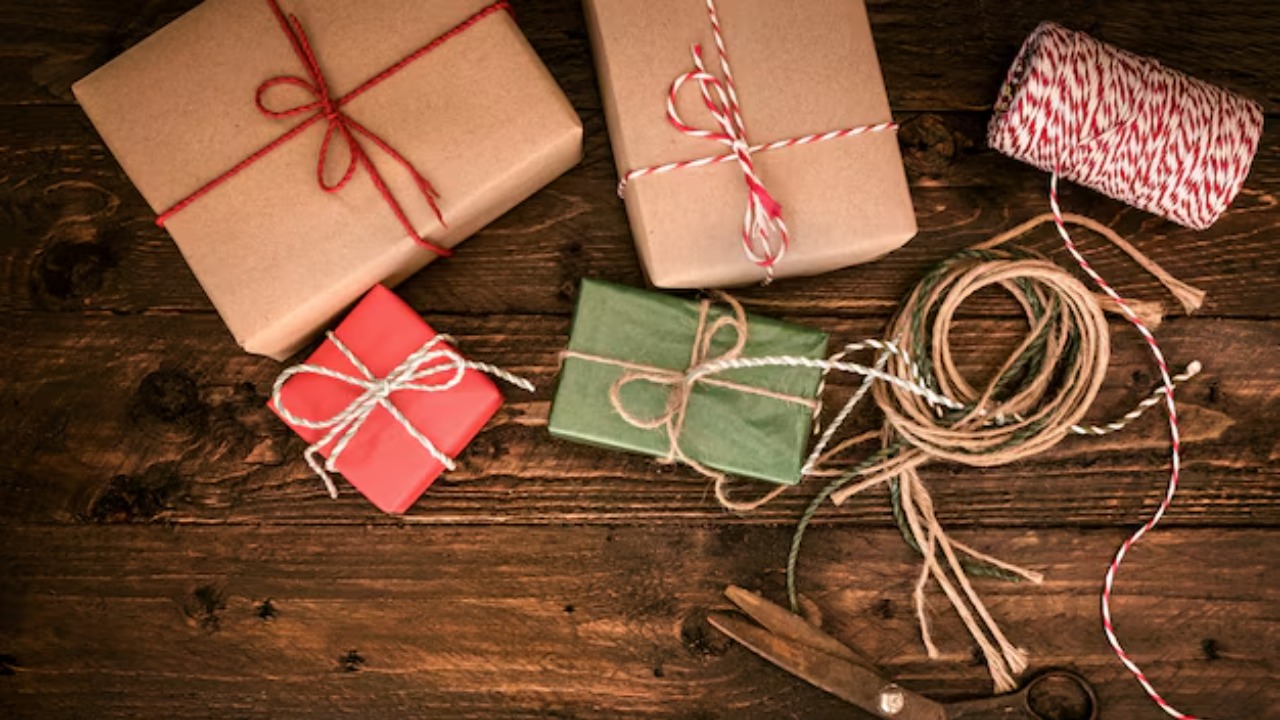
Unwanted gifts often linger out of guilt, but they can take up valuable space. Consider re-gifting or donating these items to someone who will appreciate them more. This approach not only declutters your home but also spreads joy to others.
14. Outdated Home Décor
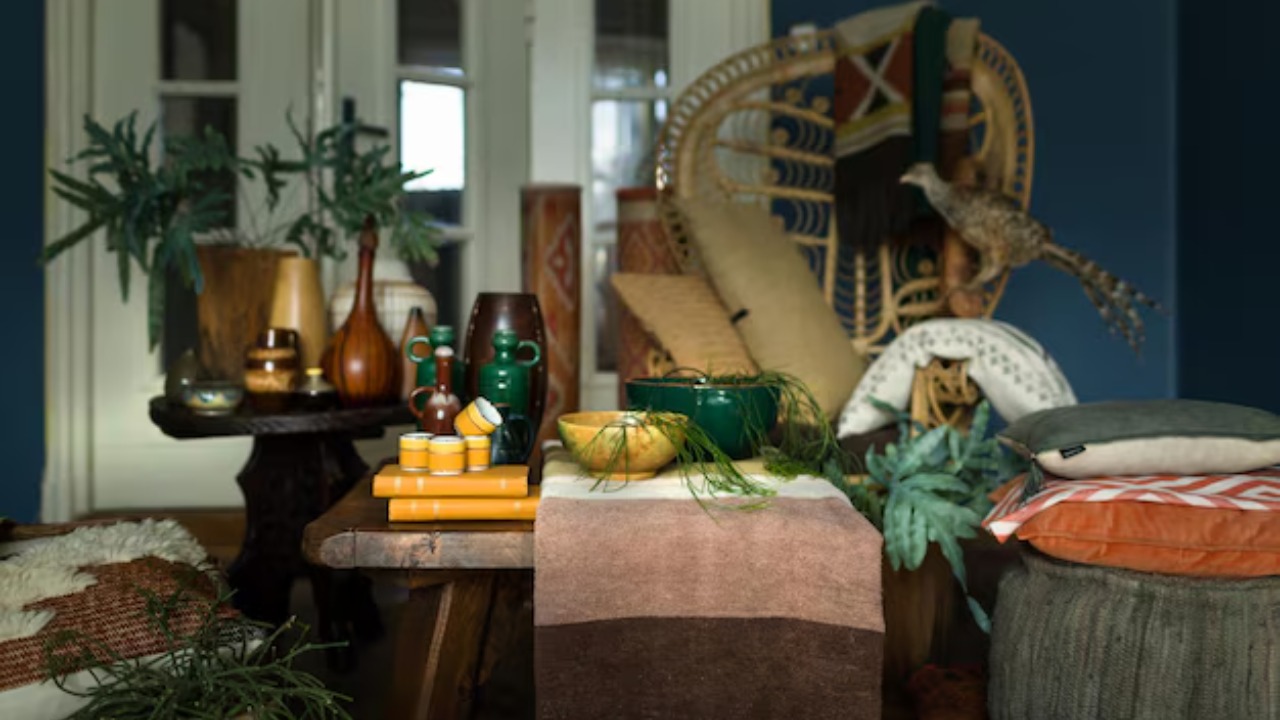
Styles change over time, and outdated décor can make a home feel cluttered and out of touch. By updating your home with more current pieces, you can create a more appealing and comfortable living space.
15. Unused Outdoor Furniture
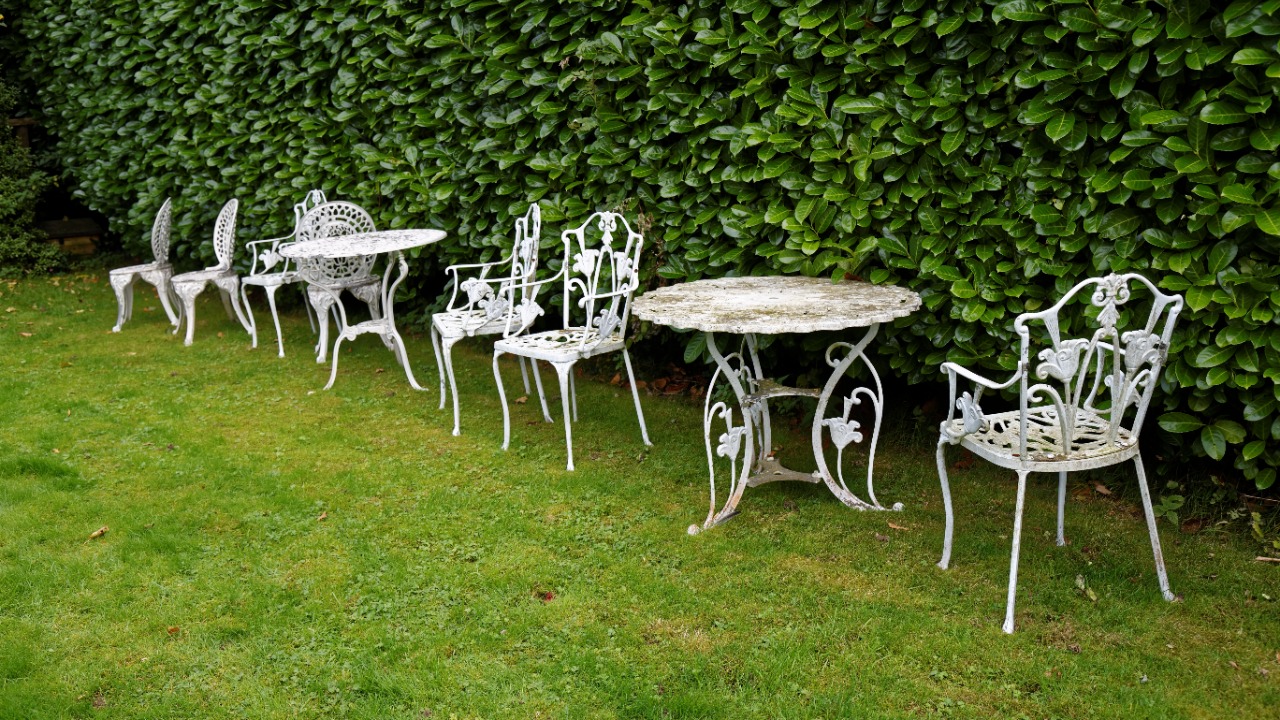
Large or unused outdoor furniture can be cumbersome, especially if your new space doesn’t accommodate it. Consider downsizing to more compact, functional pieces that suit your current outdoor living area, enhancing both comfort and utility.

Nathaniel Cross focuses on retirement planning, employer benefits, and long-term income security. His writing covers pensions, social programs, investment vehicles, and strategies designed to protect financial independence later in life. At The Daily Overview, Nathaniel provides practical insight to help readers plan with confidence and foresight.

