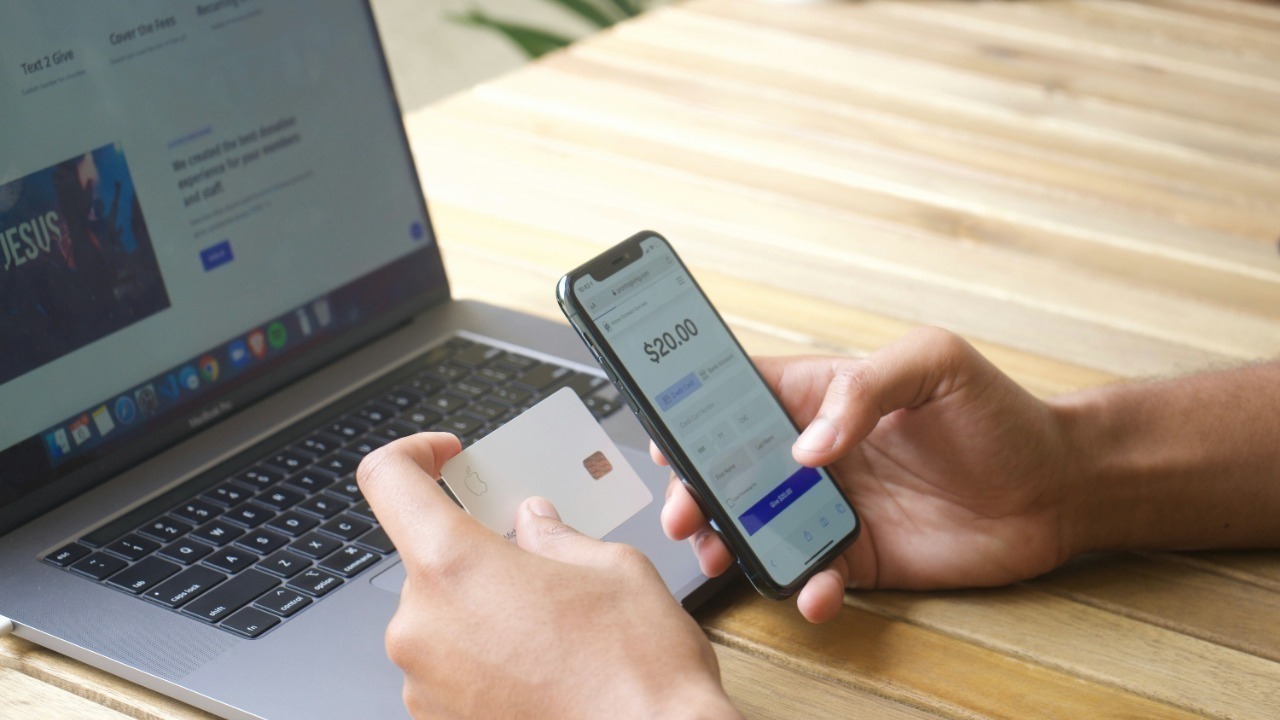
Routine spending can quietly wreck a credit score when everyday swipes pile up into balances you cannot clear. A core insight from reporting on when to favor debit is that using credit for ordinary purchases can push utilization higher and increase the risk of missed payments. I use that lens here to show how 15 common buys can damage your credit if you are not strategic about which card you reach for.
1) Filling up gas at the pump
Filling up gas at the pump looks harmless, but charging every tank to a credit card can steadily inflate your balance and utilization. Guidance on when to favor debit warns that routine transactions like fuel can be safer on a checking-linked card if you are not paying in full each month. The risk is not the gas itself, it is the pattern of recurring charges that never quite get to zero.
Fuel costs also come with extra pitfalls. One report on paying for gas notes that if you meant to spend $30 at the pump but lost $100 instead, you could suddenly struggle to cover essentials like Groceries and Rent. Other coverage has found gas stations charging $1 more per gallon for credit, so a high-interest balance can grow even faster, tightening budgets and increasing the odds of late payments.
2) Grabbing weekly groceries
Grabbing weekly groceries on credit can quietly strain your credit profile because food is nonnegotiable, and the bill arrives every week. Reporting that urges shoppers to use debit for routine buys highlights how recurring necessities can build balances that are hard to pay off in full. When your card already carries older charges, another cart of groceries can push your utilization ratio into a range that lenders view as risky.
Once that utilization climbs, even a single unexpected expense can tip you into only making minimum payments. Interest then compounds on last month’s meals, not just this week’s. I find that putting groceries on debit forces a real-time check against your bank balance, which can prevent overspending and reduce the chance that a temporary cash crunch turns into a missed credit card payment that lingers on your report.
3) Buying morning coffee
Buying morning coffee with a credit card feels trivial, but small daily charges are exactly the kind that accumulate unnoticed. The same reporting that recommends debit for routine spending warns that frequent, low-dollar swipes can still drive up utilization if you are not zeroing out the balance. A $5 latte five days a week becomes more than $100 a month, and that is before any snacks or add-ons.
When those micro-purchases sit on a revolving balance, you are effectively financing yesterday’s caffeine at credit card interest rates. Over time, that pattern can crowd out room on your card for emergencies and increase the risk that a tight month leads to a late payment. I see coffee as a classic candidate for debit: predictable, easy to budget, and not worth the potential hit to your credit profile.
4) Picking up fast food lunch
Picking up fast food lunch on credit can be even more damaging because it often happens on hectic days when you are already stretched. Advice to favor debit for everyday buys is rooted in the idea that routine, nonessential spending should not live on a revolving balance. When quick meals become a default habit, the total can rival a utility bill, yet it rarely gets the same budgeting attention.
Those charges also tend to spike during stressful periods, like busy workweeks or months with other big expenses. That timing increases the odds that you will carry the balance and maybe miss a due date. I find that routing fast food to debit, or even cash, can create a natural speed bump, making you think twice before adding another charge that could nudge your utilization higher.
5) Purchasing casual clothing
Purchasing casual clothing with a credit card can quietly inflate your debt load because it often feels discretionary and easy to justify. Reporting that encourages debit for routine purchases underscores how nonessential items can still contribute to high utilization when they are frequent. A few unplanned T-shirts, jeans, or sneakers each month can add up to a sizable balance if you are not tracking closely.
Unlike a one-time big-ticket purchase, casual clothing tends to show up as a series of mid-sized charges that are easy to ignore. If your income fluctuates, those charges may be the ones you end up revolving, paying interest on last season’s styles. I prefer to reserve credit for planned, budgeted clothing buys and use debit for impulse pieces so they cannot quietly erode my available credit.
6) Getting a new book or magazine
Getting a new book or magazine on credit seems harmless, yet these small pleasures can contribute to what experts describe as “balance creep.” The same logic that supports using debit for everyday spending applies here: when you repeatedly charge low-cost items, they still count toward your utilization ratio. A few paperbacks, a glossy magazine, and a digital subscription can collectively become a meaningful monthly line item.
Because these purchases feel educational or relaxing, they rarely trigger guilt, which makes them easy to overlook when you review statements. If you are already carrying debt, adding more discretionary reading material to your card can slow your payoff timeline. I find that paying for books and magazines with debit or a dedicated budget category keeps them enjoyable without letting them undermine long-term credit goals.
7) Buying movie or event tickets
Buying movie or event tickets on credit can strain your utilization at exactly the wrong time, especially around holidays or big concert seasons. Guidance that favors debit for routine or predictable spending warns that entertainment costs, while fun, are rarely urgent enough to justify revolving interest. When you stack tickets for multiple shows or family outings, the total can rival a major bill.
These purchases also tend to cluster with other expenses like travel, dining out, and gifts, which can collectively push your balance near the card’s limit. High utilization in a single billing cycle can still affect your score, even if you pay down later. I prefer to treat tickets as a planned expense, funding them from savings or debit so my credit card remains available for true emergencies.
8) Paying for a gym membership
Paying for a gym membership with a credit card can be risky because it is a recurring charge that continues whether or not you are using the service. Reporting that recommends debit for certain routine costs points out that automatic payments can quietly build balances if your income dips. A monthly fee that once felt manageable can become a burden when it is layered on top of other subscriptions.
If you miss a payment, the card issuer records that delinquency, and your credit score can suffer for years. I find that linking gym dues to debit or a bank draft forces a clearer connection between your checking balance and your commitments. That setup makes it easier to cancel or downgrade quickly if money gets tight, rather than letting the charge ride on a card you are struggling to pay.
9) Subscribing to streaming services
Subscribing to streaming services on credit can create what many consumers describe as “invisible debt,” because the charges are small and automated. The same reasoning that supports using debit for everyday expenses applies here: recurring entertainment costs can quietly increase utilization when they hit your statement month after month. A few platforms for video, music, and cloud storage can easily total more than a traditional cable bill.
When those subscriptions sit on a card that already carries other balances, you may end up paying interest on last year’s shows. I prefer to route streaming to debit so any price hikes or new sign-ups immediately show up against my bank balance. That visibility makes it easier to cancel services you are not using before they contribute to a missed payment or a maxed-out card.
10) Ordering takeout dinner
Ordering takeout dinner on credit can be particularly hazardous because it often happens when you are tired, stressed, or short on time. Reporting that encourages debit for routine purchases emphasizes that food is a frequent, predictable cost that should not usually live on a revolving balance. When delivery apps make it effortless to add sides, tips, and fees, the total can quickly exceed what you planned.
Those inflated orders, repeated several times a week, can significantly raise your monthly statement. If you are already close to your limit, a few big delivery nights can push utilization into a range that lenders view negatively. I find that paying for takeout with debit or a prepaid balance helps cap spending and reduces the chance that convenience meals will linger as high-interest debt.
11) Commuting via rideshare
Commuting via rideshare on a credit card can quietly erode your available credit because transportation is often a daily necessity. Advice to lean on debit for routine spending highlights that essential, recurring costs can be dangerous to revolve. When you rely on services like Uber or Lyft for work, school, or errands, the charges can rival a car payment without offering the same long-term value.
Surge pricing and last-minute trips can also spike your bill unexpectedly, making it harder to predict and pay off in full. If those rides sit on a card that already carries other obligations, your utilization can climb quickly. I prefer to connect rideshare apps to debit so I feel each fare in real time, which encourages me to compare costs with public transit or carpooling before adding another charge.
12) Filling prescriptions at the pharmacy
Filling prescriptions at the pharmacy with a credit card can be risky because medication is nonnegotiable, and prices can fluctuate. Reporting that recommends debit for certain everyday expenses notes that health-related costs, while essential, can still contribute to high utilization if they are repeatedly charged to credit. When you add over-the-counter items and personal care products, the pharmacy total can climb quickly.
If an insurance change or price increase hits, you may suddenly be charging far more than usual, making it harder to pay in full. Carrying that balance can be especially stressful when you are already dealing with health issues. I find that using debit for prescriptions, when possible, keeps the focus on affordability and encourages conversations with providers or pharmacists about lower-cost options before debt becomes unmanageable.
13) Buying household cleaning supplies
Buying household cleaning supplies on credit can seem like a minor detail, yet these purchases are constant and unavoidable. The same logic that supports using debit for routine buys applies here: everyday maintenance items still count toward your utilization ratio. Detergent, paper towels, trash bags, and surface cleaners rarely appear as single big charges, but together they can add a surprising amount to your monthly statement.
Because these products feel like necessities, they often escape scrutiny when you look for places to cut back. If you are already carrying other debt, letting cleaning supplies ride on a credit card can slow your payoff progress. I prefer to fund them from a household line in my checking-based budget so they stay within limits and do not quietly push my credit usage higher.
14) Getting small gifts for occasions
Getting small gifts for occasions on credit can trigger unplanned debt cycles because these purchases are often emotional and last minute. Reporting that favors debit for certain everyday expenses underscores how impulse buys, even when thoughtful, can accumulate into balances that are hard to clear. A birthday here, a thank-you present there, and a few holiday extras can quickly exceed what you intended to spend.
When those gifts land on a card that is already near its limit, your utilization can spike right when you are least focused on finances. That combination increases the risk of missed payments after the celebration ends. I find that setting aside a modest gift fund in my checking account, and using debit, keeps generosity aligned with what I can truly afford without harming my credit.
15) Purchasing office or school supplies
Purchasing office or school supplies with a credit card can be deceptively expensive because these items are recurring and often tied to deadlines. Guidance that recommends debit for routine spending points out that necessities like notebooks, printer ink, and pens can still contribute to high utilization when they are charged month after month. Back-to-school seasons or big work projects can cause especially sharp spikes.
Those spikes may coincide with other obligations, such as tuition or technology upgrades, making it harder to pay the card in full. If you end up revolving these costs, you are effectively financing basic supplies at credit card interest rates. I prefer to budget for them in cash or debit, keeping my credit card reserved for larger, planned expenses where I can confidently manage the payoff.
More From TheDailyOverview
- Dave Ramsey warns to stop 401(k) contributions
- 11 night jobs you can do from home (not exciting but steady)
- Small U.S. cities ready to boom next
- 19 things boomers should never sell no matter what

Cole Whitaker focuses on the fundamentals of money management, helping readers make smarter decisions around income, spending, saving, and long-term financial stability. His writing emphasizes clarity, discipline, and practical systems that work in real life. At The Daily Overview, Cole breaks down personal finance topics into straightforward guidance readers can apply immediately.
